Ir a inicio
820К+ pacientes han recibido asistencia desde 2014
50 países
1,500 clínicas
6K+ reseñas
3K+ médicos calificados

¿Cuál es el precio de Puente dental para muelas en España? Descubra ahora

El costo de un puente dental para molares en España suele oscilar entre $1,000 y $2,000. El precio varía según la clínica, la experiencia del dentista, el número de unidades en el puente y los materiales utilizados (como porcelana fundida sobre metal o zirconio). En Estados Unidos, el costo promedio es de $4,800 (según la ADA). Esto significa que colocar un puente dental para molares en España puede ser hasta un 69% más barato que en EE. UU.

Las clínicas españolas suelen incluir la consulta inicial, la evaluación preoperatoria, las radiografías dentales, los materiales del puente, la anestesia local, la medicación postoperatoria, las visitas de seguimiento y el soporte al paciente las 24 horas. En EE. UU., los precios a menudo solo cubren los honorarios del dentista y los materiales, mientras que las radiografías, la anestesia y los seguimientos se facturan por separado. Siempre confirmar qué está incluido con la clínica elegida.

EspañaEstados UnidosMéxico
Puente dental para muelasde $1,000de $3,500de $1,000
Datos verificados por Bookimed a partir de July 2026, basados en solicitudes de pacientes y cotizaciones oficiales de 53 clínicas en todo el mundo. Los costos medianos se basan en facturas reales (2025–2026) y se actualizan mensualmente. Los precios reales pueden variar.

Sus beneficios y garantías con Bookimed

Precios directos

Bookimed no añade cargos adicionales a los precios de Puente dental para muelas. Las tarifas proceden de las listas de precios oficiales de las clínicas. Pagará directamente en la clínica por su Puente dental para muelas a su llegada al país.

Sólo clínicas y médicos verificados

Bookimed está comprometido con su seguridad. Solo trabajamos con las clínicas que mantienen altos estándares internacionales en Puente dental para muelas y tienen las licencias necesarias para atender a pacientes internacionales en todo el mundo.

Asistencia 24/7 gratuita

Bookimed ofrece asistencia experta gratuita. Un coordinador médico personal le apoya antes, durante y después del tratamiento, resolviendo cualquier problema. Nunca estará solo en su viaje médico de Puente dental para muelas.

¿Por qué nosotros?

Su coordinador médico personal de Bookimed

  • Le apoya en cada etapa
  • Ayuda a elegir la clínica y el médico adecuados
  • Asegura un acceso rápido y conveniente a la información

Descubra las mejores clínicas de Puente dental para muelas en España: 2 opciones verificadas y Precios

El ranking de clínicas de Bookimed se basa en algoritmos de data science, ofreciendo una comparación confiable, transparente y objetiva. Tiene en cuenta la demanda de pacientes, las puntuaciones de reseñas (positivas y negativas), la frecuencia de actualización de opciones de tratamiento y precios, la rapidez de respuesta y las certificaciones de las clínicas.

Descripción general de Puente dental para muelas en España

Conclusiones
Procedimientos relacionados y Precios
Cómo funciona
Qué debe esperar
Ventajas
Pago
pacientes lo recomiendan -
85%
Tiempo de la cirugía - 2 horas
Quedarse en el país - 5 días
Rehabilitación - 1 días
Anestesia - Anestesia local
Comisiones de Bookimed - $0

Historias en video de pacientes de Bookimed

Igor
¡Fue genial! Traslados, alojamiento, tratamiento, todo incluido.
Procedimiento: Implante dental
Clínica: WestDent Clinic
David
¿Quién diría que arreglarse los dientes podría ser unas mini vacaciones?
Procedimiento: Instalación de un implante dental con corona
Pavel
Recomiendo los servicios de Bookimed a todos, me han hecho la vida mucho más fácil.
Procedimiento: Instalación de una corona de zirconio
Clínica: WestDent Clinic
Reseña anónima
Estados Unidos
28 feb 2020
Reseña verificada.
Contras de Skype. se fue

Compartir contenido

Actualizado: 02/28/2020
Escrito por
Olena Sikoza
Olena Sikoza
Сopywriter en español
Copywriter médica certificada responsable del contenido en español de Bookimed. Más de 7 años de experiencia en redacción sobre salud y turismo médico, con formación académica en edición científica y desarrollo de contenidos.
Fahad Mawlood
Editor médico y Científico de datos
Médico general. Ganador de 4 premios científicos. Sirvió en Asia Occidental. Es el ex jefe del equipo médico que soporta a pacientes de habla árabe. Ahora es responsable del procesamiento de datos y la precisión del contenido médico.
Fahad Mawlood Linkedin
Esta página puede incluir información relacionada con diversas afecciones médicas, tratamientos y servicios de salud disponibles en diferentes países. Tenga en cuenta que el contenido se proporciona sólo con fines informativos y no debe interpretarse como asesoramiento médico o orientación. Por favor consulte con su médico o con un profesional médico calificado antes de comenzar o cambiar el tratamiento médico.

Datos сlave sobre Puente dental para muelas

Puente Dental para Molares

El trabajo de puente dental implica reemplazar molares faltantes con dientes artificiales soportados por dientes adyacentes.

Pros: Duradero y robusto, el trabajo de puente dental puede durar de 10 a 15 años con el cuidado adecuado. A diferencia de la instalación del puente Maryland, que depende de resina, esta opción es más fuerte para los molares.
Contras: Requiere reducción de los dientes de soporte, a diferencia del puente dental de zirconia que preserva más estructura dental.
Efectividad: La tasa de éxito es superior al 90% para el reemplazo de molares.
Duración: 1-2 horas
Recuperación: 7-10 días
Mejor para: Reemplazar hasta 3 molares consecutivos faltantes. Ideal para mantener la alineación de la mordida y la salud bucal.
Precios: Precio de Puente dental para muelas en España desde $1,000

Preguntas frecuentes sobre Puente dental para muelas en España

Estas preguntas frecuentes provienen de pacientes reales que buscan atención médica a través de Bookimed. Las respuestas son proporcionadas por coordinadores médicos experimentados y representantes autorizados de las clínicas.

What is the best type of bridge for missing back molars?

Traditional bridges are the most reliable option for missing back molars because they withstand heavy chewing forces. They require healthy teeth on both sides of the gap for anchor crowns. For missing last molars, implant-supported restorations are the standard choice since they provide independent stability.

  • Stability: Traditional 3-unit bridges provide high durability for load-bearing molar areas.
  • Durability: Fixed bridges often last 10 to 15 years with proper care.
  • Implant alternative: Implants prevent bone loss and avoid shaving down adjacent healthy teeth.
  • Partial dentures: Removable options serve as alternatives when bridging or implants are clinicaly impossible.

Bookimed Expert Insight: While a traditional bridge costs $1,000 to $2,000 in Spain, patients often choose implants at high-volume clinics like Clinica Dental Raices in Tenerife. Our data shows specialized boutique clinics favor implants for back molars. This approach protects neighboring teeth from the permanent structural reduction required by bridges.

Patient Consensus: Many patients find that Maryland bridges fail quickly on molars due to high chewing pressure. Most report that choosing a fixed traditional bridge or an implant provides a much more natural feeling when eating.

Can I get a bridge if I don't have strong adjacent teeth?

Placing a traditional dental bridge on weak adjacent teeth is medically ill-advised due to the high risk of tooth fracture or restoration failure. Successful bridges require healthy, stable anchor teeth to support chewing forces and the essential filing process. Alternative options include dental implants or partial dentures.

  • Stability risks: Weak teeth often fail to bear the mechanical stress of a bridge.
  • Alternative solutions: Implants are superior for molars as they function independently from adjacent teeth.
  • Conservative options: Maryland bridges use ceramic wings but are generally insufficiently durable for molars.
  • Long-term outcomes: Teeth with previous root canals show lower success rates as bridge supports.

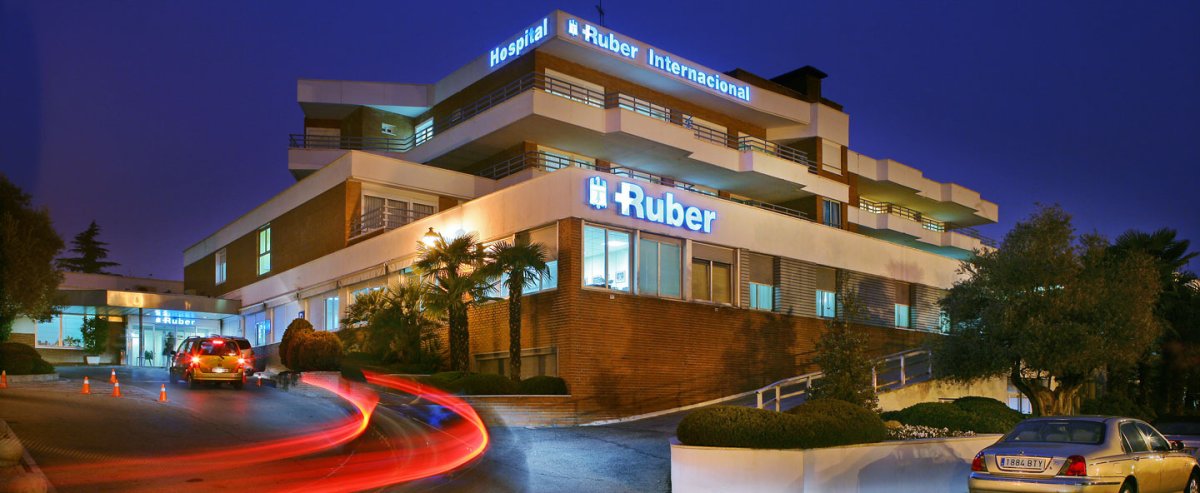
Bookimed Expert Insight: Quality often correlates with specialization in Spain. For complex cases involving weak teeth, multidisciplinary centers like Hospital Ruber Internacional in Madrid offer Joint Commission International (JCI) accredited safety. While standard bridges in Spain cost $1,000 to $2,000, investing in implants prevents damaging nearby healthy teeth.

Patient Consensus: Patients frequently note that choosing a bridge over implants to save money often leads to higher long-term costs. Many regret shaving down adjacent teeth that were otherwise healthy.

How many teeth can a bridge replace in the molar area?

A dental bridge typically replaces 1 to 3 consecutive missing teeth in the molar area. While spans of 4 teeth are possible, they require exceptionally strong anchor teeth to withstand high chewing forces. Most Spanish clinics utilize standard 3-unit fixed prostheses for optimal durability.

  • Chewing stability: Bridges replacing 3 or 4 molars face higher risks of structural failure.
  • Anchor strength: Long-span bridges require robust abutment teeth to support the dental prosthetic.
  • Anatomical limits: Replacing molars at the back requires an anchor tooth behind the gap.
  • Alternative solutions: Implant-supported bridges are recommended if more than 3 molars are missing.

Bookimed Expert Insight: Data shows a clear preference for JCI-accredited facilities like Hospital Ruber Internacional for complex restorations. While Tenerife boutiques like Clinica Dental Raices offer personalized care for 1,000 patients yearly, large Madrid hospitals possess the advanced robotics needed for high-precision, long-span bridge fits.

Patient Consensus: Many patients express concern that shaving down healthy teeth for a bridge creates new problems. They often prefer implants for long-term health if multiple molars are missing in a row.

What material is best for a molar bridge?

Solid zirconia is the premier material for short-span molar bridges due to its exceptional fracture resistance and natural aesthetics. For long-span bridges of 4 or more units, porcelain-fused-to-metal remains the clinical standard in Spain to prevent structural breakage under heavy chewing pressure.

  • Solid zirconia: High-strength ceramic ideal for short bridges and patients with bruxism habits.
  • Porcelain-fused-to-metal: Preferred for long-span bridges because its metal core prevents ceramic fractures.
  • Gold alloys: Offers the best marginal fit and durability for single molar crowns.
  • Material avoidance: Lithium disilicate is generally avoided for molars as it lacks posterior strength.

Bookimed Expert Insight: Clinical data from Spain shows a clear distinction between short and long bridges. While zirconia is popular for aesthetics, top facilities like Hospital Ruber Internacional prioritize porcelain-fused-to-metal for multi-unit spans. The metal substructure provides vital flexibility that solid zirconia lacks for larger reconstructions.

Patient Consensus: Patients often choose porcelain-fused-to-metal for back teeth to ensure long-term stability and prevent the connectors from snapping under pressure.

How long does a dental bridge last?

A dental bridge lasts between 5 and 15 years on average. High-quality restorations in Spain can exceed 15 years with proper hygiene. While durable, bridges eventually require replacement due to wear or decay on the supporting abutment teeth rather than material failure.

  • Fixed bridge: Typically serves for 5 to 15 years before needing assessment.
  • Implant-supported bridge: Can last 30 years or more with specialized oral care.
  • Supporting teeth: Longevity depends on preventing decay in the underlying natural teeth.
  • Daily maintenance: Using water flossers and bridge threaders is essential for durability.

Bookimed Expert Insight: Patients prioritize Spain for dental work because top centers like Hospital Ruber Internacional hold Joint Commission International (JCI) accreditation. Our data shows that choosing a Joint Commission International (JCI) hospital ensures rigorous sterilization and material standards. These factors directly prevent secondary infections that often cause bridge failure within the first 5 years.

Patient Consensus: Many patients emphasize that annual bitewing X-rays are vital for detecting early decay. They recommend water flossers over traditional floss for cleaning the hard-to-reach areas under the molar bridge.

What does the dental bridge procedure involve?

A dental bridge procedure in Spain involves replacing missing teeth by anchoring a prosthetic tooth to adjacent healthy teeth. The process typically requires two appointments spread over several weeks to prepare abutment teeth, take precision impressions, and permanently cement the final restoration.

  • Abutment preparation: Dentists shave down neighboring teeth by 2 millimeters to house supporting crowns.
  • Impression taking: High-precision molds guide the lab in fabricating your customized permanent bridge.
  • Pontic attachment: A false tooth is fused between crowns to bridge the dental gap.
  • Final cementation: Surgeons use glass ionomer to bond the fixed prosthesis securely in place.

Bookimed Expert Insight: While boutique clinics like Clinica Dental Raices specialize in aesthetics, larger JCI-accredited centers like Hospital Ruber Internacional offer integrated care for complex cases. Data shows patients often choose bridges when adjacent teeth already need crowns. This maximizes value by addressing multiple restoration needs in a single two-visit timeline.

Patient Consensus: Many appreciate the immediate results and non-surgical nature compared to implants. However, maintaining oral health with a floss threader is vital to protect the anchoring teeth from decay.

How do I care for my molar bridge?

Proper molar bridge care requires daily maintenance to prevent plaque accumulation under the pontic and decay in anchor teeth. Use a soft-bristled brush with fluoride toothpaste alongside specialized tools like super floss or floss threaders twice daily to clean gaps standard flossing cannot reach.

  • Daily flossing: Use super floss or threaders daily to clean under the pontic.
  • Brushing technique: Clean tooth margins at a 45-degree angle to protect delicate gum lines.
  • Dietary precautions: Avoid hard candies, ice, and sticky foods that risk bridge displacement.
  • Night protection: Use a dentist-made night guard if you tend to grind your teeth.
  • Professional monitoring: Schedule bi-annual check-ups at JCI-accredited facilities like Hospital Ruber Internacional for x-rays.

Bookimed Expert Insight: A well-maintained bridge can last over 15 years. Clinics like Clinica Dental Raices in Tenerife serve 1,000 patients annually. They emphasize that while water flossers help, they should never replace manual threading. Consistent manual cleaning under the bridge determines its long-term success.

Patient Consensus: Patients emphasize that standard floss alone is insufficient for molar bridges. Many recommend investing in a professional night guard to prevent cracking the bridge structure over time.

Pedir una consulta gratis

Seleccione la mejor manera de contactarle