Reducción de grasa en México — encuentre las 3 mejores clínicas con costos


Revisado médicamente por
Fahad Mawlood
Cómo funciona
¿Cuál es el precio de Reducción de grasa en México? Descubra ahora
De $1,100. El precio depende de la técnica utilizada (liposucción, asistida por láser o por ultrasonido), la clínica, la experiencia del cirujano y la cantidad de zonas tratadas. En Estados Unidos, el costo promedio es de $8,500 (según la ASPS). La reducción de grasa en México suele costar aproximadamente un 87% menos que en EE. UU.
Las clínicas mexicanas suelen incluir en el precio los honorarios del cirujano, la anestesia, el uso del quirófano, las prendas de compresión y las visitas de seguimiento. En EE. UU., a menudo se paga un costo adicional por la anestesia, las tarifas de las instalaciones, las prendas postoperatorias y la atención de seguimiento. Siempre confirmar exactamente qué está incluido con cada clínica antes de reservar.
| España | Estados Unidos | México | |
|---|---|---|---|
| Reducción de grasa | de $2,200 | ≈ $5,500 | de $1,100 |
| Liposucción del área suprapúbica en hombres | ≈ $4,300 | ≈ $6,500 | de $3,000 |
Descubra las mejores clínicas de Reducción de grasa en México: 9 opciones verificadas y Precios


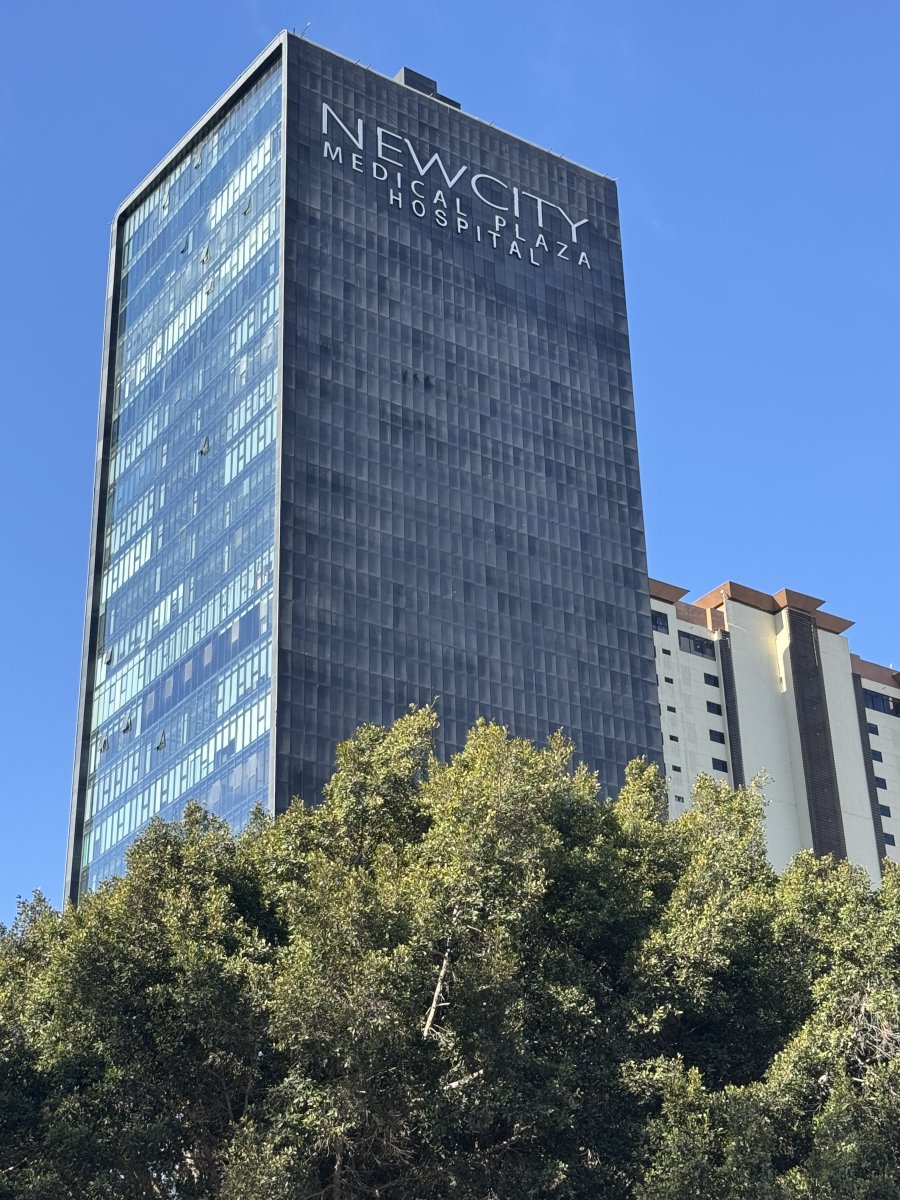









Innovare Hospital

Descripción general de Reducción de grasa en México
- Reducción de grasa - de $1,100Esta terapia reduce el exceso de grasa corporal, mejorando la apariencia física y la salud a través de métodos no invasivos o quirúrgicos.
- Liposucción del área suprapúbica en hombres - de $3,000Este procedimiento quirúrgico elimina el exceso de grasa y piel de la zona púbica superior, mejorando el aspecto y la comodidad, a la vez que suele implicar un período de recuperación sencillo.
Día 1 - Llegada
- Llegada al país e instalación en alojamiento.
- Descansar y adaptarse al nuevo entorno.
Día 2 - Preoperatorio
- Visite la clínica para la consulta preoperatoria.
- Reúnase con el cirujano y el anestesiólogo.
- Complete las pruebas médicas necesarias, como análisis de sangre.
- Reciba instrucciones para los preparativos previos a la cirugía.
Día 3 - Cirugía de reducción de grasa
- Llegada a la clínica para el procedimiento.
- Someterse a anestesia, generalmente anestesia general.
- El cirujano realiza la liposucción, que suele durar de 1 a 3 horas.
- Postoperatorio, estancia en la clínica en observación.
Día 4 - Postoperatorio
- Permanezca en la clínica para recuperarse y ser monitoreado.
- Recibir instrucciones de cuidados postoperatorios.
Semana 1 - Rehabilitación
- Descansa y recupérate en tu alojamiento.
- Inicie actividades ligeras según lo sugerido por el médico.
Semana 2
- Continúe con actividades ligeras.
- Comience a ver los resultados iniciales del procedimiento.
Semana 3-4
- Regrese gradualmente a sus actividades regulares, evitando el ejercicio extenuante.
- Visite la clínica para un chequeo postoperatorio.
Semana 6
- Reanudación de las actividades normales, incluido el trabajo.
- Los resultados finales deben ser visibles en este punto.
Tenga en cuenta que los tiempos de recuperación y los resultados individuales pueden variar.
- Depósito de Bookimed: 200 $ o 200 €.
- Depósito de la clínica: Pague un porcentaje fijo por adelantado.
Obtenga una evaluación médica para Reducción de grasa en México: Elija su especialista entre los mejores en el campo
Ver todos los médicos
Fernando Franco Cravioto
El Dr. Fer Cravioto es cirujano plástico, estético y reconstructivo con certificación del consejo, con sede en Interlomas, Ciudad de México. Se enfoca en cirugía plástica del tercio superior del rostro y cirugía mamaria. Entre sus principales procedimientos están la reducción de frente, elevación de cejas, lifting facial, rinoplastia y aumento mamario.
Utiliza el Método Premiere de Armonización Facial, que combina planificación individualizada y análisis facial 360°, buscando resultado

Israel Villalobos Blasquez
Especialista en contorno corporal y cirugía plástica facial avanzada en el Hospital Innovare, con formación de fellowship internacional de ISAPS.
- Fellowship en contorno corporal y cirugía plástica facial avanzada
- Certificado por el consejo en cirugía plástica y reconstructiva
- Miembro de la Asociación Mexicana de Cirugía Plástica, Estética y Reconstructiva
- Residencia en el Hospital Universitario 'Dr. José Eleuterio González'

Jose Cortes
El Dr. Jose Cortes es un destacado cirujano plástico en la Ciudad de México, especializado en procedimientos de reducción de grasa y contorno corporal.
- Experto en liposucción y técnicas de escultura corporal
- Miembro de la Federación Internacional de Terapéutica y Ciencia Adiposa (IFATS)
- Galardonado con múltiples premios, incluyendo el de Mejor Cirujano Plástico en México
- Completó cursos de alta especialidad en Cirugía Estética Facial y Corporal
Historias en video de pacientes de Bookimed
Reseñas
Todas las reseñas


Compartir contenido
 Olena Sikoza
Preguntas frecuentes sobre Reducción de grasa en México
¿Es seguro someterse a un procedimiento de reducción de grasa en México?
La reducción de grasa en México es segura cuando es realizada por cirujanos certificados por el Consejo Mexicano de Cirugía Plástica, Estética y Reconstructiva (CMCPER). La seguridad depende de seleccionar instalaciones acreditadas por COFEPRIS u organismos internacionales como QUADA, asegurando que existan protocolos rigurosos de esterilización y emergencia.
- Credenciales del cirujano: Verifique la certificación CMCPER y la membresía en AMCPER para asegurar una formación formal en cirugía plástica.
- Acreditación de la instalación: Elija centros con licencia de COFEPRIS o acreditación JCI para obtener estándares de seguridad más altos.
- Seguridad de la anestesia: Confirme que un anestesiólogo certificado supervise la sedación durante todo el procedimiento quirúrgico.
- Periodo de recuperación: Planifique una estancia de 7 a 14 días para minimizar riesgos como la trombosis venosa profunda.
Opinión de expertos de Bookimed: Aunque muchos buscan el precio más bajo, las clínicas más seguras en México a menudo operan dentro de hospitales de servicio completo en lugar de consultorios independientes. Clínicas como el Instituto José Cortés y el Hospital Innovare atienden a miles de pacientes internacionales anualmente, manteniendo altas tasas de éxito mediante el uso de equipos multidisciplinarios y casas de recuperación de lujo para monitorear compl
¿Cómo verifico si un cirujano plástico en México está calificado?
Para verificar a un cirujano plástico en México, debe confirmar la certificación activa del Consejo Mexicano de Cirugía Plástica, Estética y Reconstructiva (CMCPER). Los cirujanos calificados también poseen dos licencias profesionales emitidas por el gobierno: una para Medicina General y otra específicamente para Cirugía Plástica y Reconstructiva.
- Licencias profesionales: Verifique los números de doble licencia profesional (Cédulas Profesionales) a través del registro oficial de la SEP.
- Estado de la certificación: Asegúrese de que su certificación CMCPER esté activa y se renueve cada 5 años.
- Membresías de élite: Verifique la membresía activa en la Asociación Mexicana de Cirugía Plástica (AMCPER).
- Estatus internacional: Busque credenciales en la ISAPS o en la American Society of Plastic Surgeons.
Perspectiva del experto de Bookimed: Los cirujanos de primer nivel, como el Dr. José Cortés en su instituto de la Ciudad de México, a menudo poseen becas internacionales y certificados de alta especialidad en cirugía craneofacial o estética. Al revisar clínicas como VIDA Medical Center en Tijuana, verifique la acreditación QUADA o AAAASFI. Estas insignias de instalaciones internacionales a menudo indican un estándar de seguridad más alto que los mínimos locales.
Consenso de los pacientes: Los pacientes enfatizan la import
¿Cuánta grasa se puede eliminar de forma segura en una sola sesión?
Los cirujanos pueden eliminar de forma segura hasta 5 litros de líquido y grasa en total en una sola sesión ambulatoria. Este umbral, establecido por la Sociedad Estadounidense de Cirujanos Plásticos, previene el trauma metabólico. La mayoría de los especialistas recomiendan una cantidad conservadora de 3 a 4 litros para garantizar una recuperación saludable y contornos suaves.
- Umbral de seguridad: Eliminar más de 5 litros aumenta el riesgo de shock hipovolémico y tensión circulatoria.
- Composición del aspirado: El volumen total incluye grasa, sangre y líquido tumescente, no solo grasa pura.
- Influencia del IMC: Los pacientes con mayor masa corporal pueden tolerar volúmenes mayores de forma más segura que otros.
- Enfoque por etapas: Las cirugías que exceden los límites requieren sesiones separadas con un intervalo de 3 a 4 meses.
Perspectiva del experto de Bookimed: Aunque 5 litros es el límite técnico, las instalaciones mexicanas de primer nivel como el Hospital Innovare priorizan la seguridad ofreciendo centros de recuperación dedicados. Este apoyo de enfermería las 24 horas es vital porque la eliminación de grandes volúmenes provoca cambios significativos en los fluidos. Elegir una clínica con monitoreo en el sitio ayuda a gestionar estos cambios de manera más efectiva que los centros ambulatorios estándar.
Consenso de lo
¿Se considera la liposucción una alternativa para perder peso?
La liposucción no es una alternativa para perder peso ni un tratamiento para la obesidad. Las juntas médicas como la Sociedad Americana de Cirujanos Plásticos la definen como una cirugía de contorno corporal. Elimina los depósitos de grasa aislados para mejorar las proporciones físicas en pacientes que mantienen un peso estable y saludable.
- Objetivo principal: Remodelar áreas específicas del cuerpo mediante la eliminación dirigida de grasa subcutánea.
- Impacto en la báscula: Los resultados suelen reflejarse en centímetros perdidos más que en una pérdida de peso significativa.
- Límites de seguridad: Los cirujanos generalmente limitan la extracción de grasa a 5 litros por sesión.
- Candidatos ideales: Personas cercanas a su peso ideal con depósitos de grasa localizados y resistentes al ejercicio.
Perspectiva del experto de Bookimed: México atrae a pacientes que buscan una experiencia de alto nivel, con centros como el Hospital Innovare que dedica instalaciones completas exclusivamente a la cirugía plástica. Aunque muchos buscan la liposucción para perder peso, los datos muestran que clínicas como el VIDA Medical Center ofrecen tanto cirugía bariátrica como plástica. Los pacientes inteligentes a menudo utilizan los centros especializados de México para un enfoque por etapas: someterse primero a una cirugía de pérdida de peso y luego regresar p
¿Existen opciones no quirúrgicas para la reducción de grasa en México?
La reducción de grasa no quirúrgica está ampliamente disponible en todo México en centros importantes como Tijuana, Ciudad de México, Cancún y Guadalajara. Las clínicas especializadas utilizan tecnologías avanzadas como la criolipólisis, la radiofrecuencia y las inyecciones lipolíticas para tratar depósitos localizados sin necesidad de incisiones. Estas instalaciones a menudo cuentan con certificaciones del Consejo Mexicano de Cirugía Plástica.
- Métodos de tratamiento: Las opciones incluyen CoolSculpting, lipólisis por radiofrecuencia, reducción basada en ultrasonido y tratamientos inyectables para disolver grasa.
- Centros regionales: La Ciudad de México y Tijuana albergan clínicas de alto nivel como el Instituto José Cortés y CosMed.
- Estándares de seguridad: Las mejores instalaciones cuentan con acreditaciones del CSG o de organismos internacionales como QUADA e ISAPS.
- Candidatos ideales: Los procedimientos tratan eficazmente pequeños depósitos de grasa persistentes en lugar de proporcionar una pérdida de peso significativa.
Perspectiva del experto de Bookimed: Aunque muchos buscan el precio más bajo, el verdadero valor en México se encuentra en clínicas como el Instituto José Cortés, que atiende a 2,500 pacientes al año. Un alto volumen de pacientes a menudo indica que una clínica invierte en las marcas de dispositivos autenticados más
¿Cuánto tiempo debo permanecer en México después de mi procedimiento?
Los pacientes que se someten a una reducción de grasa en México suelen permanecer entre 3 y 7 días. Mientras que los procedimientos localizados como una liposucción menor pueden requerir solo de 1 a 3 días, el contorno corporal combinado requiere una estancia más larga para monitorear la movilidad, la hinchazón y el ajuste de la prenda de compresión antes de viajar en avión de manera segura.
- Tratamientos localizados: Requieren una estancia de 1 a 3 días para una succión menor o enfriamiento no quirúrgico.
- Eliminación quirúrgica de grasa: Se recomiendan de 5 a 7 días para el monitoreo de drenajes y la cicatrización temprana de heridas.
- Seguimiento obligatorio: Los controles presenciales suelen ocurrir de 24 a 48 horas después del procedimiento para evaluar la recuperación.
- Supervisión certificada: Instalaciones como el Instituto José Cortés utilizan cirujanos certificados por el CMCPER para el monitoreo postoperatorio.
Perspectiva del experto de Bookimed: Los datos de instalaciones de primer nivel como el Hospital Innovare muestran que las casas de recuperación de lujo mejoran significativamente la experiencia postoperatoria. Estos centros brindan enfermería las 24 horas que los hoteles generales no ofrecen. Permanecer en un complejo de recuperación integrado durante al menos 3 noches garantiza ayuda profesional inmediata si experimenta