
Advanced Fertility Center Cancun
México, Cancún


Revisado médicamente por
Fahad Mawlood
De $1,800. El precio depende de la clínica de fertilidad, la experiencia del especialista y el protocolo específico de medicación (antagonista, agonista o estimulación mínima). UU.
En México, el precio generalmente incluye la consulta inicial, medicamentos para la estimulación ovárica, citas de monitoreo (ultrasonido, análisis de sangre) y supervisión médica. En EE. UU., los costos suelen estar divididos, y los medicamentos, el monitoreo y las consultas médicas se facturan por separado. Siempre confirmar exactamente qué está incluido en el precio cotizado en cada clínica.
| España | Turquía | México | |
|---|---|---|---|
| Estimulación farmacológica para FIV | de $1,800 | de $700 | de $1,800 |
Bookimed no añade cargos adicionales a los precios de Estimulación farmacológica para FIV. Las tarifas proceden de las listas de precios oficiales de las clínicas. Pagará directamente en la clínica por su Estimulación farmacológica para FIV a su llegada al país.
Bookimed está comprometido con su seguridad. Solo trabajamos con las clínicas que mantienen altos estándares internacionales en Estimulación farmacológica para FIV y tienen las licencias necesarias para atender a pacientes internacionales en todo el mundo.
Bookimed ofrece asistencia experta gratuita. Un coordinador médico personal le apoya antes, durante y después del tratamiento, resolviendo cualquier problema. Nunca estará solo en su viaje médico de Estimulación farmacológica para FIV.

Día 1 - Llegada
Día 2 - Preoperatorio
Día 3 - Día 14 - Estimulación Farmacológica
Día 15 - Recuperación de óvulos
Día 16 - Día 20 - Desarrollo embrionario
Día 21 - Transferencia de embriones
Día 22 - Día 28 - Postoperatorio
Semana 5 en adelante - Rehabilitación
Cada caso es individual y el plan puede variar según el estado de salud del paciente y la respuesta al tratamiento.
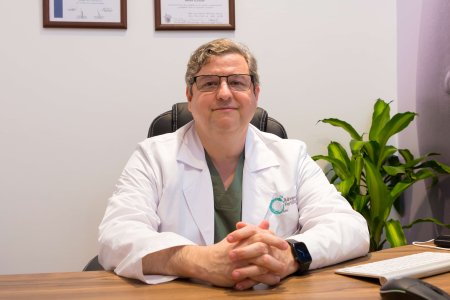
Pionero en la investigación de antagonistas de GnRH en México e introdujo los protocolos DuoStim en el Advanced Fertility Center Cancún.


Especialista en biología reproductiva con formación en el prestigioso Instituto Nacional de Perinatología. El Dr. Cojab apoya a las parejas a través de los desafíos de la infertilidad con una atención personalizada.

El Dr. Reyes se especializa en estimulación farmacológica para FIV, con una extensa investigación en reproducción asistida. Su trabajo incluye la mejora de las tasas de embarazo a través de técnicas innovadoras.
 Olena Sikoza
Consiste en utilizar medicamentos para estimular los ovarios con el fin de que produzcan múltiples óvulos para su extracción durante el tratamiento de fertilidad.
La estimulación farmacológica para la FIV conlleva principalmente el riesgo de síndrome de hiperestimulación ovárica (SHO), que afecta del 0,1% al 2% de las pacientes en su forma grave. Otros riesgos clínicos incluyen torsión ovárica, ruptura de quistes y fluctuaciones hormonales gestionadas por especialistas certificados por el Consejo Mexicano de Ginecología y Obstetricia.
Perspectiva de expertos de Bookimed: Las clínicas avanzadas en México ahora utilizan antagonistas de la GnRH para reducir significativamente el riesgo de SHO. El Dr. Everardo Treviño Ortiz, del Advanced Fertility Center Cancun, incluso fue pionero en la investigación de estos protocolos. Este enfoque proactivo permite una estimulación más segura incluso para pacientes de alto riesgo con SOP.
Consenso de las pacientes: Muchas pacientes encuentran que la distensión abdominal física in
La fase de estimulación farmacológica para la FIV en México suele durar entre 8 y 14 días. Esta ventana comienza el segundo o tercer día de su ciclo menstrual e implica inyecciones hormonales diarias para fomentar el crecimiento folicular hasta que alcancen entre 16 y 20 mm.
Perspectiva del experto de Bookimed: Las clínicas avanzadas en México, como el Advanced Fertility Center Cancun, han cambiado hacia protocolos DuoStim. Esto permite dos fases de estimulación y extracciones separadas dentro de un mismo ciclo menstrual. Este enfoque está diseñado específicamente para ayudar a las pacientes con baja reserva ovárica a maximizar sus posibilidades en menos tiempo.
Consenso de las pacientes: Muchas pacientes recomiendan ser flexibles con las fechas de viaje porque el momento de la medicación se basa en los niveles
Las pacientes con respuesta promedio suelen desarrollar de 8 a 15 folículos maduros después de la estimulación farmacológica en México. Las pacientes con alta respuesta pueden ver de 15 a 30, mientras que aquellas con reserva disminuida a menudo producen de 2 a 6. El éxito es posible con 3 a 7 folículos maduros durante la recuperación de óvulos.
Perspectiva del experto de Bookimed: Especialistas avanzados como el Dr. Everardo Treviño Ortiz en el Advanced Fertility Center Cancun utilizan protocolos DuoStim. Este enfoque de doble estimulación ayuda a las pacientes con baja reserva a maximizar la producción de folículos dentro de un solo ciclo menstrual. Las investigaciones de este centro muestran que los protocolos personalizados mejoran significativamente los resultados para las pacientes internacionales.
Consenso de los
Las clínicas de fertilidad mexicanas utilizan protocolos de estimulación de FIV reconocidos internacionalmente, incluyendo ciclos antagonistas, agonistas largos y de estimulación suave. La mayoría de los especialistas personalizan las dosis de medicación utilizando gonadotropinas como Gonal-F y Menopur. Los protocolos enfatizan la seguridad del paciente a través de un monitoreo individualizado mientras maximizan la obtención de óvulos para pacientes internacionales.
Perspectiva del experto de Bookimed: Las clínicas mexicanas a menudo favorecen protocolos de estimulación de moderados a altos, específicamente para pacientes internacionales, para maximizar la recuperación de óvulos en un solo viaje. Especialistas como el Dr. Everardo Treviño del Advanced Fertility Center Cancun fueron pioneros en el protocolo DuoStim en México para ayudar a los pa
No es necesario que permanezca en México durante toda la fase de estimulación si su clínica utiliza protocolos de atención compartida. Muchas pacientes completan el seguimiento inicial en casa. Por lo general, llega a México alrededor del día 8 o 10 para las ecografías finales, la inyección de disparo y la recuperación de óvulos.
Perspectiva de expertos de Bookimed: Clínicas como el Advanced Fertility Center Cancun se especializan en pacientes internacionales y a menudo aceptan resultados de monitoreo externo. Sus especialistas, como los formados en el Instituto Nacional de Perinatología, gestionan con frecuencia protocolos complejos de DuoStim de forma remota. Esta flexibilidad le permite ahorrar en alojamiento manteniendo altos estándares clínicos.
Consenso de los pacientes: Las pacientes enfatizan que, si bie
El viaje para una FIV en México suele durar de 10 a 14 días para la extracción de óvulos o de 15 a 21 días si planea una transferencia de embriones en fresco. Su cronograma específico depende de la respuesta biológica a la estimulación y de si utiliza monitoreo remoto para las ecografías ováricas iniciales.
Perspectiva del experto de Bookimed: El Advanced Fertility Center Cancun ofrece protocolos DuoStim especializados, que pueden ayudar a las pacientes con baja reserva ovárica a maximizar la obtención de óvulos durante una sola visita. Si viaja desde EE. UU. o el Reino Unido, pregunte sobre la coordinación de monitoreo remoto. Esto le permite completar los primeros 5 días de estimulación en casa, reduciendo potencialmente su estancia en México a solo 7 días.
Consenso de los pacientes: Muchos viajeros recomiendan decir a sus empleadores q