Cirugía reconstructiva en México — obtén 3 clínicas con costos


Revisado médicamente por
Fahad Mawlood
¿Cuál es el precio de Cirugía reconstructiva en México? Descubra ahora
El costo de la cirugía reconstructiva en México suele oscilar de $3,500 a $6,200. Los precios varían según el tipo de reconstrucción, la clínica y la experiencia del cirujano. La complejidad del caso y los materiales utilizados también influyen en el costo. En Estados Unidos, el precio promedio es $14,500 (según la ASPS). Esto significa que la cirugía reconstructiva en México cuesta aproximadamente un 66% menos que en EE. UU.
Las clínicas mexicanas suelen incluir la consulta inicial, análisis de sangre preoperatorios, medicamentos postoperatorios, visitas de seguimiento, planes de tratamiento personalizados, personal que habla inglés y atención al paciente las 24 horas. También se cubren las comidas durante las visitas a la clínica y las instrucciones detalladas para el cuidado postoperatorio. En EE. UU., muchos de estos servicios—especialmente los seguimientos y los medicamentos—se facturan por separado. Siempre confirmar qué está incluido con la clínica elegida.
| España | Estados Unidos | México | |
|---|---|---|---|
| Cirugía reconstructiva | de $14,200 | ≈ $9,000 | ≈ $3,500 |
| Reconstrucción mamaria prepectoral | ≈ $7,800 | ≈ $18,000 | ≈ $6,500 |
| Reconstrucción mamaria con colgajo DIEP | de $20,500 | ≈ $45,000 | de $8,000 |
| Reconstrucción de articulaciones de pies y dedos de los pies. | de $16,800 | ≈ $14,000 | ≈ $4,200 |
| Cirugía de reconstrucción mamaria | de $6,500 | ≈ $16,000 | de $4,900 |
Sus beneficios y garantías con Bookimed
Precios directos
Bookimed no añade cargos adicionales a los precios de Cirugía reconstructiva. Las tarifas proceden de las listas de precios oficiales de las clínicas. Pagará directamente en la clínica por su Cirugía reconstructiva a su llegada al país.
Sólo clínicas y médicos verificados
Bookimed está comprometido con su seguridad. Solo trabajamos con las clínicas que mantienen altos estándares internacionales en Cirugía reconstructiva y tienen las licencias necesarias para atender a pacientes internacionales en todo el mundo.
Asistencia 24/7 gratuita
Bookimed ofrece asistencia experta gratuita. Un coordinador médico personal le apoya antes, durante y después del tratamiento, resolviendo cualquier problema. Nunca estará solo en su viaje médico de Cirugía reconstructiva.

Su coordinador médico personal de Bookimed
- Le apoya en cada etapa
- Ayuda a elegir la clínica y el médico adecuados
- Asegura un acceso rápido y conveniente a la información
Descubra las mejores clínicas de Cirugía reconstructiva en México: 21 opciones verificadas y Precios




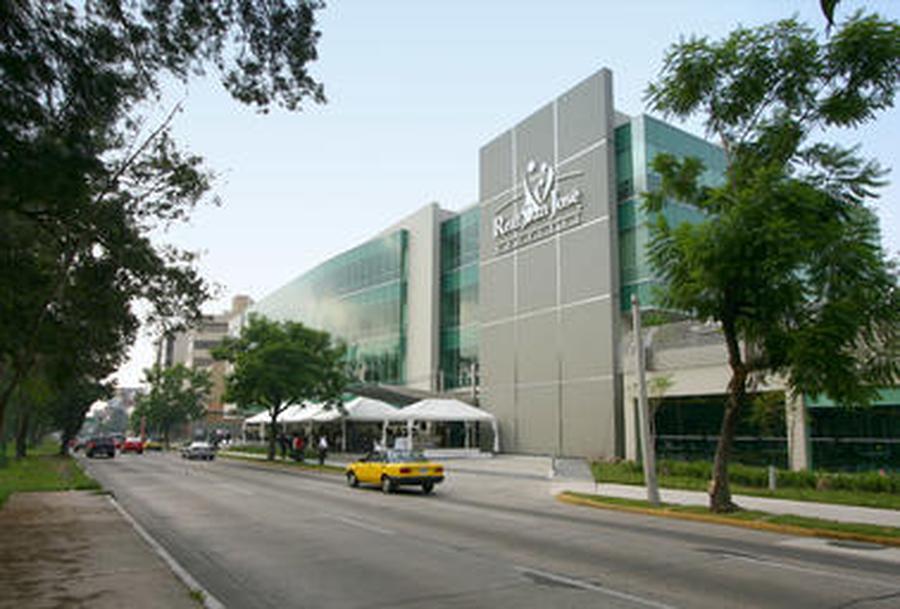
Advance Health Medical Center














Descripción general de Cirugía reconstructiva en México
- Cirugía de reconstrucción mamaria - de $4,900La operación restaura la forma del seno después de la mastectomía, utilizando implantes o tejido corporal. Aumenta la imagen corporal y la confianza.
- Este procedimiento corrige las deformidades de las articulaciones de los pies y los dedos de los pies mejorando la movilidad, reduciendo el dolor y mejorando la salud general del pie.
- Cirugía reconstructiva - de $3,500Esta terapia recupera la función corporal, mejora la apariencia a través de la reparación quirúrgica y se beneficia enormemente de las técnicas de injerto.
- Reconstrucción mamaria prepectoral - de $6,500Esta cirugía rehace los senos después de la mastectomía, colocando implantes sobre los músculos del pecho para una apariencia más natural y acelerando la recuperación.
- Reconstrucción mamaria con colgajo DIEP - de $8,000**Reconstrucción con colgajo DIEP (cirugía con colgajo perforante epigástrico inferior profundo):** Esta cirugía reconstruye la mama utilizando piel y grasa de la parte inferior del abdomen, preservando el músculo para conseguir un aspecto natural y una recuperación más suave.
Día 1
- Llegada y traslado del aeropuerto al hotel.
- Descansar y aclimatarse al nuevo entorno.
Dia 2
- Traslado del hotel a la clínica.
- Consulta con el cirujano especialista.
- Realizar las pruebas médicas necesarias.
Día 3
- Recibir instrucciones previas a la operación.
- Preparación para la cirugía.
Día 4
- Someterse a una cirugía reconstructiva (la duración varía según el caso).
- Cuidados postoperatorios en la clínica (recuperación anestésica).
Días 5-7
- Permanezca en la clínica para el seguimiento postoperatorio.
- Comenzar fase inicial de rehabilitación.
Semana 2
- Traslado al hotel para continuar con la recuperación.
- Consulta de seguimiento con el cirujano.
Semanas 3-6
- Rehabilitación continua en casa o centro local.
- Posible regreso al trabajo dependiendo de la cirugía y la recuperación.
Semanas 7-12
- Retorno paulatino a las actividades normales y deportivas.
- Viendo el resultado final de la cirugía reconstructiva.
Tenga en cuenta que cada caso es único y que el cronograma anterior es una estimación basada en casos promedio. Siga siempre los consejos de su equipo médico.
- Depósito de Bookimed: 200 $ o 200 €.
- Depósito de la clínica: Pague un porcentaje fijo por adelantado.
Obtenga una evaluación médica de Cirugía reconstructiva en México: haga una consulta con 16 médicos experimentados ahora
Ver todos los médicos
Fernando Franco Cravioto
El Dr. Fer Cravioto es cirujano plástico, estético y reconstructivo con certificación del consejo, con sede en Interlomas, Ciudad de México. Se enfoca en cirugía plástica del tercio superior del rostro y cirugía mamaria. Entre sus principales procedimientos están la reducción de frente, elevación de cejas, lifting facial, rinoplastia y aumento mamario.
Utiliza el Método Premiere de Armonización Facial, que combina planificación individualizada y análisis facial 360°, buscando resultado

Alexandro Aguilera
Ganador de múltiples premios prestigiosos en cirugía plástica, el Dr. Alexandro Aguilera se especializa en microcirugía reconstructiva con formación avanzada en cirugía de mano.
- Formado en el Hospital General 'Dr. Manuel Gea González' en Cirugía Plástica
- Especialidad avanzada en cirugía de mano y nervios periféricos
- Profesor asociado del curso de formación en microcirugía experimental
- Médico adscrito en el Instituto Nacional de Pediatría durante 5 años
- Jefe del Comité de Educación Médica Continua en AMCPER

Karla Sandoval
El Dr. Sandoval es el mejor cirujano de rinoplastia en México, especializado en cirugía reconstructiva en la Clínica de Cirugía Plástica Marroquín & Sandoval.
- Especializado en cirugía plástica y reconstructiva en el Instituto de Cirugía Reconstructiva Dr. José Guerrerosantos
- Cualificado en cirugía laparoscópica para procedimientos mínimamente invasivos
- Miembro de la Sociedad Internacional de Cirugía Plástica Estética (ISAPS)

Cecilia Rodriguez
Historias en video de pacientes de Bookimed
Reseñas
Todas las reseñas


Compartir contenido
 Olena Sikoza
Preguntas frecuentes sobre Cirugía reconstructiva en México
¿Es segura la cirugía reconstructiva en México?
La cirugía reconstructiva en México es segura cuando es realizada por cirujanos certificados por el Consejo Mexicano de Cirugía Plástica, Estética y Reconstructiva en hospitales acreditados. Los principales centros como la Ciudad de México y Guadalajara ofrecen atención sofisticada en instalaciones especializadas, con tasas de éxito de pacientes que alcanzan el 95-99% en institutos de primer nivel.
- Credenciales del cirujano: Verifique la certificación del Consejo Mexicano de Cirugía Plástica, Estética y Reconstructiva para mayor seguridad.
- Acreditación de la instalación: Seleccione clínicas con certificaciones COFEPRIS, JCI o AAAASF para garantizar los estándares clínicos.
- Seguridad de la anestesia: Asegúrese de que un anestesiólogo certificado gestione la sedación en lugar del personal de enfermería clínica.
- Centros de ubicación: Prefiera Monterrey, Guadalajara o la Ciudad de México para obtener la mayor concentración de hospitales especializados.
Perspectiva de expertos de Bookimed: La ruta más segura para una reconstrucción compleja implica clínicas especializadas en lugar de hospitales generales. Por ejemplo, el Hospital Innovare es el único complejo de América Latina enfocado exclusivamente en cirugía plástica, ofreciendo asistencia de enfermería las 24 horas. Elegir tales instalaciones dedicadas a menudo proporciona mejores result
¿Cómo puedo verificar si un cirujano está plenamente cualificado?
Verificar a un cirujano para cirugía reconstructiva en México requiere confirmar que posee una licencia profesional y una certificación específica del Consejo Mexicano de Cirugía Plástica, Estética y Reconstructiva (CMCPER). Los especialistas cualificados a menudo mantienen membresías internacionales con la American Society of Plastic Surgeons (ASPS) o ISAPS.
- Certificación del Consejo: Verifique el estado activo a través del registro del CMCPER para la validación de la especialidad reconstructiva.
- Licencia profesional: Confirme que el cirujano posee una Cédula Profesional tanto para medicina como para cirugía.
- Acreditación hospitalaria: Asegúrese de que el centro esté acreditado por el Consejo de Salubridad General (CSG) o la JCI.
- Membresías de sociedades: Compruebe la membresía activa en la AMCPER, la asociación nacional de cirujanos plásticos.
Perspectiva del experto de Bookimed: El cruce de referencias de las credenciales de los cirujanos en múltiples registros revela un indicador de calidad clave: los cirujanos reconstructivos mexicanos de primer nivel a menudo ocupan cargos docentes o dirigen programas de subespecialidad en institutos nacionales. Por ejemplo, el Dr. Alexandro Aguilera y el Dr. Johnatan Figueroa Padilla son investigadores o profesores en importantes instituciones médicas mexicanas, lo que indica que están avalados p
¿Qué sucede si experimento complicaciones después de regresar a casa?
Comuníquese de inmediato con su equipo quirúrgico mexicano a través de los números de emergencia específicos proporcionados. Para síntomas que pongan en peligro la vida, como dolor en el pecho o dificultad para respirar, llame al 911 o acuda a la sala de emergencias más cercana. La mayoría de las complicaciones se manifiestan dentro de los nueve días posteriores al alta, lo que requiere una intervención local rápida.
- Registros médicos: Lleve su informe operatorio y las tarjetas de implantes a cualquier consulta médica local.
- Red de seguridad local: Busque especialistas en cuidado de heridas o traumatología si los cirujanos generales locales rechazan las revisiones.
- Monitoreo remoto: Envíe fotos diarias a su cirujano; la hinchazón repentina puede agravarse durante el viaje en avión.
- Cobertura de costos: Los tratamientos locales para complicaciones suelen ser de pago directo, a menos que haya contratado un seguro de viaje.
Perspectiva del experto de Bookimed: Clínicas como el Hospital Innovare ofrecen casas de recuperación dedicadas con enfermería las 24 horas para estabilizar a los pacientes antes de que vuelen a casa. Elegir un centro con acreditación JCI o CSG garantiza que sigan los protocolos internacionales para complicaciones posquirúrgicas y atención de seguimiento remoto.
Consenso de los pacientes: Los pac
¿Cuánto tiempo debo permanecer en México después de mi procedimiento?
La mayoría de los pacientes deben permanecer en México de 7 a 14 días después de una cirugía reconstructiva para garantizar una curación segura. La duración requerida depende de la complejidad de la herida y del manejo necesario de los drenajes. Los cirujanos en instalaciones acreditadas como el Instituto Jose Cortes hacen cumplir estos plazos para prevenir la trombosis venosa profunda durante los viajes aéreos.
- Seguridad en los viajes: Volar antes de los 10 días aumenta los riesgos de embolia pulmonar e hinchazón severa.
- Manejo de heridas: Las reconstrucciones complejas a menudo requieren de 7 a 14 días para los procedimientos esenciales de retiro de drenajes.
- Cuidado de suturas: Los pacientes deben permanecer cerca de las clínicas para el retiro profesional de suturas y las pruebas de fugas iniciales.
- Controles de movilidad: Centros especializados como el Hospital Innovare monitorean el dolor agudo y la movilidad antes de autorizar el viaje.
Perspectiva de expertos de Bookimed: Busque clínicas que ofrezcan casas de recuperación en el lugar, como el Hospital Innovare en Zapopan. Estas instalaciones sirven de puente entre el alta hospitalaria y su vuelo a casa. Elegir una clínica con alojamiento de recuperación especializado garantiza acceso inmediato al personal médico si surge hinchazón postoperatoria o complicaciones menores.
¿Cómo es el proceso de recuperación para los pacientes transfronterizos?
La recuperación de una cirugía reconstructiva transfronteriza en México implica una transición gestionada desde la atención intensiva en el país hasta el seguimiento domiciliario. Los pacientes suelen permanecer en México de 7 a 14 días para la retirada de drenajes y la cicatrización inicial antes de volar de forma segura. Este cronograma garantiza la estabilidad y minimiza riesgos como la trombosis venosa profunda durante el tránsito.
- Seguimiento local: Los cirujanos requieren una estancia de 7 a 14 días en el país para un seguimiento crítico y la retirada de puntos.
- Autorización para viajar: Los pacientes generalmente esperan 10 días antes de volar para gestionar eficazmente los riesgos de la presión atmosférica.
- Alojamiento de recuperación: Instalaciones como el Hospital Innovare ofrecen casas de recuperación dedicadas con asistencia de enfermería las 24 horas.
- Transferencia profesional: Los pacientes deben obtener informes operatorios digitales para garantizar la continuidad de la atención sin problemas al regresar a casa.
Opinión de expertos de Bookimed: Los datos muestran una tendencia clara: las clínicas en centros como Ciudad de México y Guadalajara a menudo cuentan con cirujanos con becas especializadas en microcirugía reconstructiva. Por ejemplo, el Dr. Alexandro Aguilera en su consultorio de Ciudad de México ha realizado más
¿Qué documentación de viaje necesito preparar?
Viajar para una cirugía reconstructiva en México requiere un pasaporte válido con al menos 6 meses de vigencia a partir de la fecha de entrada. Debe presentar una nota firmada por el cirujano o un itinerario quirúrgico de clínicas como el Instituto José Cortés o el Hospital de la Familia a los funcionarios fronterizos para verificar el propósito de su viaje médico.
- Identificación de viaje: Un pasaporte válido es obligatorio para todos los vuelos internacionales que ingresan a México.
- Itinerario quirúrgico: Lleve una carta impresa con el nombre de su cirujano y la dirección de la clínica.
- Empaque de medicamentos: Mantenga todos los medicamentos en su empaque original con una receta física del cirujano.
- Documentación de movilidad: Asegure una carta de acompañante del cirujano si requiere asistencia con sillas de ruedas o andadores.
Perspectiva del experto de Bookimed: Los funcionarios fronterizos verifican principalmente si hay sospecha de enfermedad en lugar de la cirugía en sí. Llevar una lista impresa de contactos de emergencia para su clínica, como la instalación del Dr. Alexandro Aguilera, garantiza que su acompañante de viaje pueda gestionar la logística si usted está medicado o fatigado después de la reconstrucción.
Consenso de los pacientes: Los pacientes enfatizan mantener copias físicas de las instruccion