Tratamiento con células madre para la retina en México — obtén 3 clínicas con costos


Revisado médicamente por
Fahad Mawlood
¿Cuál es el precio de Tratamiento con células madre para la retina en México? Descubra ahora
El costo de la terapia con células madre para la retina en México suele oscilar de _price_from_ a _price_to_. Los precios pueden variar según el tipo de célula madre utilizada (autóloga o alogénica), la tecnología de la clínica y la experiencia del oftalmólogo tratante. UU.
En México, el precio generalmente incluye la consulta inicial, estudios diagnósticos previos al tratamiento (OCT, fotografía de fondo de ojo), preparación de las células madre, el procedimiento de inyección y el seguimiento posterior al tratamiento. En EE. UU., muchos de estos pasos—especialmente los estudios de imagen y el seguimiento—suelen cobrarse por separado. Siempre confirmar qué está incluido en el paquete de cada clínica.
Beneficios clave
Sus beneficios y garantías con Bookimed
Precios directos
Bookimed no añade cargos adicionales a los precios de Tratamiento con células madre para la retina. Las tarifas proceden de las listas de precios oficiales de las clínicas. Pagará directamente en la clínica por su Tratamiento con células madre para la retina a su llegada al país.
Sólo clínicas y médicos verificados
Bookimed está comprometido con su seguridad. Solo trabajamos con las clínicas que mantienen altos estándares internacionales en Tratamiento con células madre para la retina y tienen las licencias necesarias para atender a pacientes internacionales en todo el mundo.
Asistencia 24/7 gratuita
Bookimed ofrece asistencia experta gratuita. Un coordinador médico personal le apoya antes, durante y después del tratamiento, resolviendo cualquier problema. Nunca estará solo en su viaje médico de Tratamiento con células madre para la retina.

Su coordinador médico personal de Bookimed
- Le apoya en cada etapa
- Ayuda a elegir la clínica y el médico adecuados
- Asegura un acceso rápido y conveniente a la información
Descubra las mejores clínicas de Tratamiento con células madre para la retina en México: 1 opciones verificadas y Precios
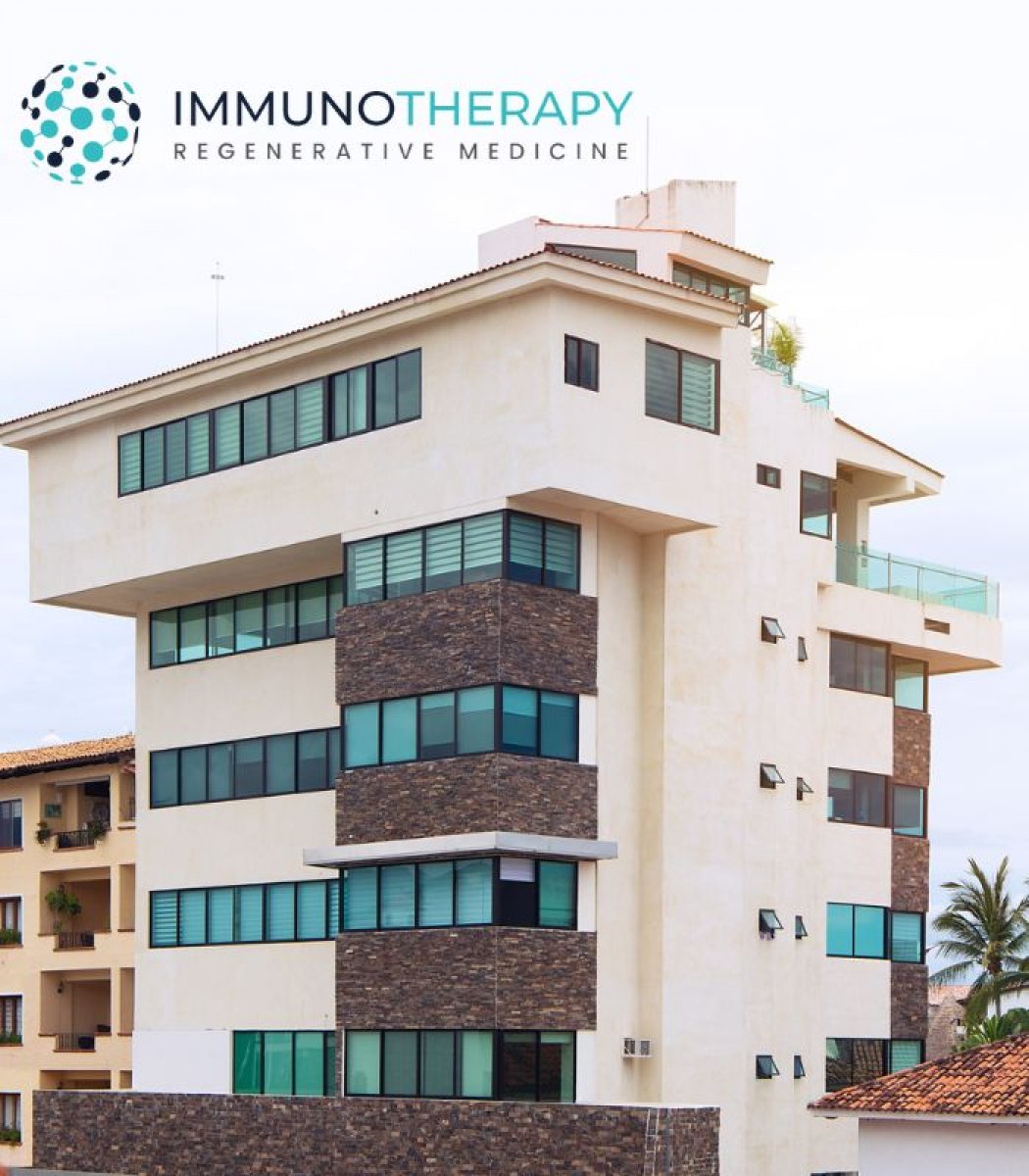

Descripción general de Tratamiento con células madre para la retina en México
- Terapia con células madre - de $2,000Esta terapia es un tratamiento que usa células del cuerpo para reparar tejidos dañados. Es eficiente, seguro y versátil.
- Terapia con células madre para la artritis - de $2,600Esta terapia utiliza las propias células para reparar las articulaciones dañadas, reduciendo el dolor y la inflamación asociados con la artritis.
- Terapia con células madre para el autismo - de $7,000Esta terapia utiliza las propias células del cuerpo para reparar el daño cerebral relacionado con el autismo y ofrece una mejor conducta social.
- Esta terapia utiliza células regenerativas para tratar el daño cerebral y mejorar las funciones motoras en personas con parálisis cerebral.
- Esta terapia utiliza células mantenidas por el cuerpo para retrasar la progresión de la enfermedad de Parkinson, mejorando la función y la actividad del cerebro.
- Esta terapia utiliza células madre para reparar las células pancreáticas dañadas, lo que podría controlar los síntomas de la diabetes.
- Terapia con células madre para las rodillas - de $2,200Esta terapia se basa en el potencial de autocuración, inyectando células recolectadas en las articulaciones de la rodilla para reparar el cartílago dañado.
- Curso de tratamiento con células madre propias - de $5,800Esta terapia utiliza sus células madre para reparar células y tejidos dañados, mejorando su salud.
- Depósito de Bookimed: 200 $ o 200 €.
- Depósito de la clínica: Pague un porcentaje fijo por adelantado.
Historias en video de pacientes de Bookimed
Reseñas
Todas las reseñasCompartir contenido
 Olena Sikoza
Preguntas frecuentes sobre Tratamiento con células madre para la retina en México
¿Qué afecciones de la retina pueden tratarse con terapia de células madre en México?
La terapia con células madre en México trata afecciones retinianas degenerativas y genéticas, incluyendo la degeneración macular asociada a la edad (DMAE), la retinitis pigmentosa y la retinopatía diabética. Clínicas como Immunotherapy Regenerative Medicine utilizan células madre mesenquimales para reducir la inflamación microvascular y ralentizar la pérdida de fotorreceptores bajo la regulación de COFEPRIS.
- Afecciones degenerativas: Terapias dirigidas tanto para la degeneración macular asociada a la edad húmeda como seca.
- Trastornos genéticos: Protocolos específicos abordan la retinitis pigmentosa y la enfermedad de Stargardt para preservar la visión.
- Problemas vasculares: Las CMM ayudan a reparar los vasos sanguíneos dañados por la inflamación de la retinopatía diabética.
- Métodos de administración: Los tratamientos utilizan inyecciones retrobulbares, intravítreas o intravenosas para la administración de células.
Perspectiva de expertos de Bookimed: Las clínicas mexicanas suelen utilizar un equipo multidisciplinario que incluye bioquímicos y biólogos para preparar células mesenquimales frescas. Este enfoque intensivo en investigación en centros como Immunotherapy Regenerative Medicine apoya a más de 1,200 pacientes al año. Elegir clínicas con laboratorios certificados por COFEPRIS garantiza estándares de seguridad más altos para proced
¿Es segura y está regulada la terapia con células madre para la retina en México?
La terapia con células madre para la retina en México es legal y está regulada por la Comisión Federal para la Protección contra Riesgos Sanitarios (COFEPRIS). Si bien las clínicas deben mantener licencias estrictas para el procesamiento celular, los pacientes deben verificar las credenciales de COFEPRIS específicas de cada instalación. Esto garantiza que los procedimientos cumplan con los estándares médicos nacionales y los protocolos de seguridad.
- Autoridad reguladora: COFEPRIS regula toda la medicina regenerativa y otorga licencias a los laboratorios de procesamiento celular en todo México.
- Acreditación de instalaciones: Las mejores clínicas cuentan con la acreditación CSG, que certifica servicios médicos de alta calidad y seguridad del paciente.
- Protocolos de seguridad: Los entornos estériles y los laboratorios certificados con Buenas Prácticas de Fabricación (GMP) previenen infecciones relacionadas con el procedimiento.
- Equipos especializados: Los centros líderes emplean equipos multidisciplinarios de biólogos y bioquímicos para el desarrollo de protocolos.
Perspectiva del experto de Bookimed: Aunque muchos equiparan a México con una zona gris regulatoria, la distinción radica en la licencia específica de cada instalación. Los datos de Immunotherapy Regenerative Medicine muestran que las clínicas con más de 20 años de experiencia o
¿Pueden las células madre restaurar completamente la visión perdida?
Las células madre no pueden restaurar completamente la visión perdida en la mayoría de las afecciones de la retina. Los resultados se centran en estabilizar la enfermedad o lograr una recuperación parcial. El éxito depende de la estructura ocular específica afectada. Los tratamientos corneales muestran altas tasas de éxito, mientras que las terapias para la retina y el nervio óptico siguen siendo en gran medida experimentales.
- Restauración corneal: Los ensayos reportan hasta un 92% de éxito en la regeneración corneal y la eliminación de tejido cicatricial.
- Mejora de la retina: La terapia reemplaza las células del epitelio pigmentario de la retina para mejorar el contraste y ralentizar la pérdida de visión.
- Apoyo al nervio óptico: El tratamiento ofrece apoyo trófico para mantener las fibras nerviosas existentes y detener un mayor deterioro.
- Seguridad regulatoria: Las clínicas acreditadas en México siguen los estándares del Consejo de Salubridad General para servicios médicos regenerativos.
Perspectiva del experto de Bookimed: México es el segundo destino más solicitado para medicina regenerativa a través de nuestra plataforma. Clínicas como Immunotherapy Regenerative Medicine utilizan equipos especializados de biólogos y bioquímicos. Este enfoque multidisciplinario garantiza que las células madre mesenquimales se procesen en laboratorios
¿Cómo se realiza el procedimiento de células madre en el ojo?
Los procedimientos de células madre retinianas en México utilizan principalmente inyecciones intravítreas o subretinianas para administrar células madre mesenquimales directamente en el ojo. Estos tratamientos ambulatorios se dirigen a la degeneración macular y al daño del nervio óptico mediante la administración de suspensiones celulares concentradas para estimular la posible reparación y regeneración de los tejidos.
- Métodos de administración: Las vías de inyección incluyen la administración intravítrea, subretiniana o retrobulbar según la afección.
- Fuentes celulares: Las clínicas suelen utilizar células mesenquimales autólogas del paciente o tejido derivado de donantes.
- Entorno del procedimiento: La mayoría de los tratamientos se realizan como procedimientos ambulatorios en instalaciones especializadas en medicina regenerativa.
- Protocolos de seguridad: Las clínicas acreditadas por el CSG en México siguen las normas del Consejo General de Salud para la seguridad del paciente.
Opinión de expertos de Bookimed: Los centros de regeneración de México, como Immunotherapy Regenerative Medicine, aprovechan más de 20 años de experiencia con equipos especializados. Si bien muchas clínicas ofrecen inyecciones intravítreas simples, los protocolos más avanzados involucran equipos multidisciplinarios de biólogos y bioquímicos. Los pacientes deben pr
¿Qué deben verificar los pacientes antes de reservar una clínica de células madre?
Los pacientes deben verificar el estado regulatorio de la clínica a través de COFEPRIS y confirmar la certificación de la junta médica del médico. Para procedimientos de retina, exija imágenes previas al tratamiento como la Tomografía de Coherencia Óptica (OCT). Asegúrese de que el centro utilice células madre mesenquimales y proporcione un recuento verificado de células vivas y nucleadas para garantizar la viabilidad.
- Credenciales del médico: Verifique la Cédula Profesional del médico con las autoridades médicas mexicanas.
- Cumplimiento normativo: Compruebe la acreditación CSG proporcionada por el Consejo de Salubridad General.
- Documentación de retina: Solicite fotos de fondo de ojo y escaneos OCT para los registros médicos básicos.
- Fuente de células: Confirme si el centro utiliza células mesenquimales autólogas o de donante.
Perspectiva del experto de Bookimed: Los principales centros mexicanos como Immunotherapy Regenerative Medicine mantienen equipos multidisciplinarios que incluyen biólogos y bioquímicos. Esta colaboración a menudo resulta en una mayor calidad de procesamiento celular que en clínicas dirigidas por profesionales independientes. Los altos volúmenes de pacientes, como 1,200 al año, generalmente se correlacionan con protocolos de seguridad más estandarizados.
Consenso de los pacientes: Los pacien
¿Dónde se encuentran los principales centros médicos para la terapia con células madre retinianas en México?
Los principales centros médicos para la terapia con células madre retinianas en México son Tijuana, Puerto Vallarta, Cancún y Guadalajara. Estas ciudades albergan clínicas especializadas reguladas por COFEPRIS que tratan la degeneración macular y la retinitis pigmentosa. Tijuana sirve como el principal centro transfronterizo, mientras que Puerto Vallarta y Cancún ofrecen entornos de recuperación tipo resort.
- Centro de Tijuana: Ofrece acceso directo por la frontera terrestre desde San Diego a través de las instalaciones de NewCity Medical Plaza.
- Supervisión regulatoria: COFEPRIS certifica los laboratorios locales para la pureza celular y los protocolos de procesamiento seguro.
- Clusters costeros: Las clínicas de Puerto Vallarta y Cancún proporcionan células mesenquimales especializadas derivadas del cordón umbilical.
- Centros metropolitanos: Guadalajara y la Ciudad de México ofrecen entornos clínicos avanzados dentro de grandes redes hospitalarias.
Perspectiva del experto de Bookimed: Los datos muestran una clara distinción entre los centros regenerativos independientes y las clínicas integradas en hospitales. Para afecciones oculares complejas, elegir un centro como Immunotherapy Regenerative Medicine en Puerto Vallarta es estratégico. Mantienen un laboratorio interno certificado por COFEPRIS y emplean un equipo multidisciplinario de 12 e