Tratamiento con células madre para los ojos en México — obtén 3 clínicas con costos


Revisado médicamente por
Fahad Mawlood
¿Cuál es el precio de Tratamiento con células madre para los ojos en México? Descubra ahora
El costo de la terapia con células madre para enfermedades oculares en México generalmente varía de _price_from_ a _price_to_. Los precios dependen de la clínica, el tipo de células madre utilizadas (autólogas o alogénicas), la complejidad de la condición y la experiencia del oftalmólogo. UU.
Las clínicas mexicanas suelen incluir la consulta inicial, exámenes oculares diagnósticos, recolección y procesamiento de células madre, el procedimiento de inyección, medicamentos y visitas de seguimiento. En EE. UU., el precio a menudo cubre solo el procedimiento, con cargos separados por consultas, imágenes y atención postoperatoria. Siempre confirmar exactamente qué está incluido con la clínica elegida.
Beneficios clave
Sus beneficios y garantías con Bookimed
Precios directos
Bookimed no añade cargos adicionales a los precios de Tratamiento con células madre para los ojos. Las tarifas proceden de las listas de precios oficiales de las clínicas. Pagará directamente en la clínica por su Tratamiento con células madre para los ojos a su llegada al país.
Sólo clínicas y médicos verificados
Bookimed está comprometido con su seguridad. Solo trabajamos con las clínicas que mantienen altos estándares internacionales en Tratamiento con células madre para los ojos y tienen las licencias necesarias para atender a pacientes internacionales en todo el mundo.
Asistencia 24/7 gratuita
Bookimed ofrece asistencia experta gratuita. Un coordinador médico personal le apoya antes, durante y después del tratamiento, resolviendo cualquier problema. Nunca estará solo en su viaje médico de Tratamiento con células madre para los ojos.

Su coordinador médico personal de Bookimed
- Le apoya en cada etapa
- Ayuda a elegir la clínica y el médico adecuados
- Asegura un acceso rápido y conveniente a la información
Descubra las mejores clínicas de Tratamiento con células madre para los ojos en México: 1 opciones verificadas y Precios
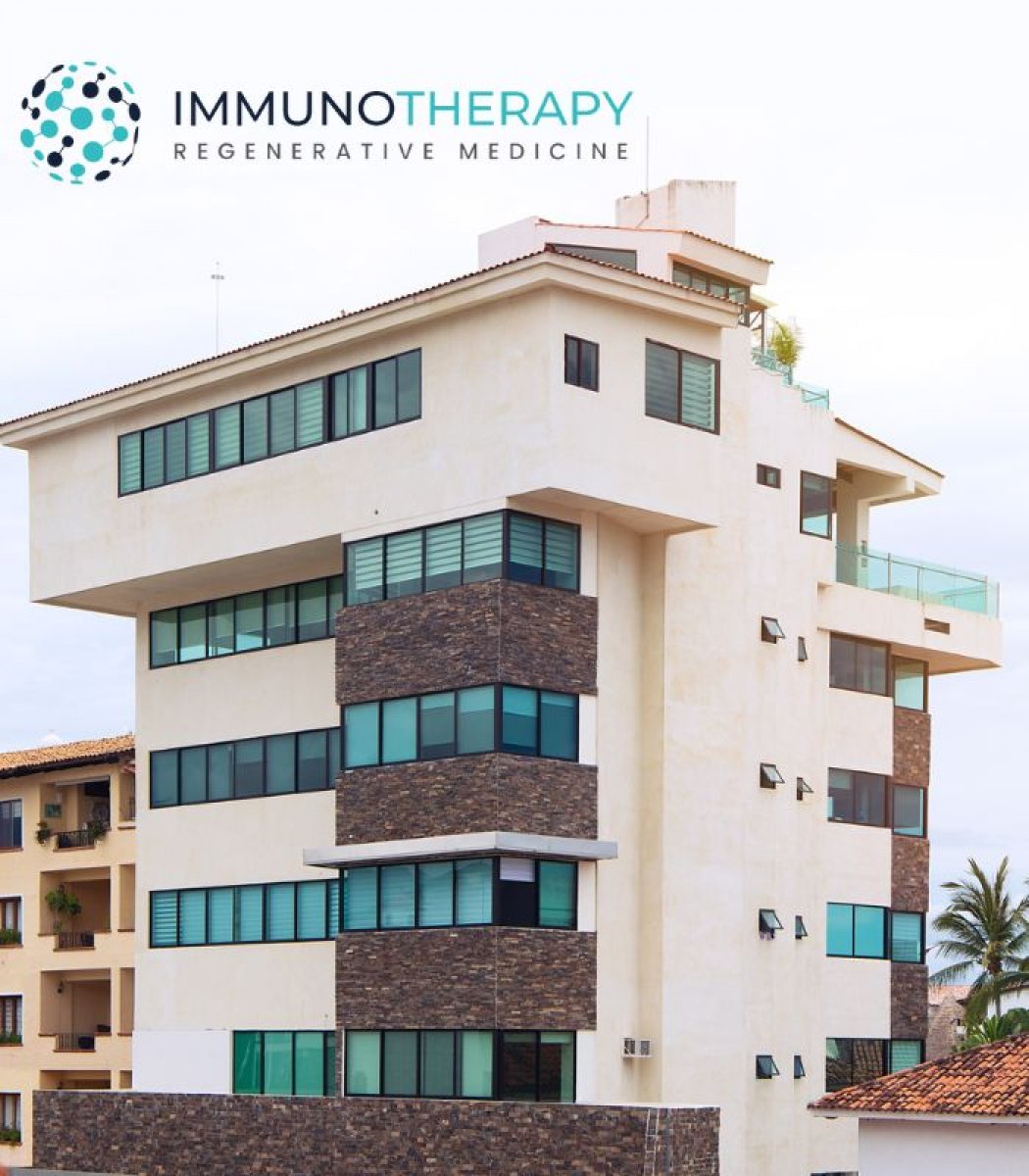

Descripción general de Tratamiento con células madre para los ojos en México
- Terapia con células madre - de $2,000Esta terapia es un tratamiento que usa células del cuerpo para reparar tejidos dañados. Es eficiente, seguro y versátil.
- Terapia con células madre para la artritis - de $2,600Esta terapia utiliza las propias células para reparar las articulaciones dañadas, reduciendo el dolor y la inflamación asociados con la artritis.
- Terapia con células madre para el autismo - de $5,700Esta terapia utiliza las propias células del cuerpo para reparar el daño cerebral relacionado con el autismo y ofrece una mejor conducta social.
- Esta terapia utiliza células regenerativas para tratar el daño cerebral y mejorar las funciones motoras en personas con parálisis cerebral.
- Esta terapia utiliza células mantenidas por el cuerpo para retrasar la progresión de la enfermedad de Parkinson, mejorando la función y la actividad del cerebro.
- Esta terapia utiliza células madre para reparar las células pancreáticas dañadas, lo que podría controlar los síntomas de la diabetes.
- Terapia con células madre para las rodillas - de $2,200Esta terapia se basa en el potencial de autocuración, inyectando células recolectadas en las articulaciones de la rodilla para reparar el cartílago dañado.
- Curso de tratamiento con células madre propias - de $5,800Esta terapia utiliza sus células madre para reparar células y tejidos dañados, mejorando su salud.
- Depósito de Bookimed: 200 $ o 200 €.
- Depósito de la clínica: Pague un porcentaje fijo por adelantado.
Obtenga una evaluación médica para Tratamiento con células madre para los ojos en México: Elija su especialista entre los mejores en el campo
Ver todos los médicos
Luis Padilla
El Dr. Luis Padilla es médico especializado en oncología ginecológica, medicina general y administración de salud. Ayudó a introducir el Sistema Quirúrgico Asistido por Robot da Vinci, mejorando la cirugía mínimamente invasiva.
El Dr. Padilla fue Administrador Asociado de la Fuerza Laboral de Salud en HRSA y Director del NHSC. En estos cargos, influyó en la política nacional de salud y en la formación de profesionales. Ha recibido el Premio People's Choice y el Premio People Living Th

Eslie Perez
Jefe de Enseñanza en el Hospital Regional de Puerto Vallarta – aporta rigor académico a la terapia con células madre para enfermedades oculares.
- _doctor_8330_años_ como médico general en consulta privada
- Formación especializada en procedimientos quirúrgicos mínimamente invasivos
- Certificado en Biomagnetismo por el instituto de Isaac Goiz Durán
- Experiencia con terapias avanzadas de láser y luz
Historias en video de pacientes de Bookimed
Reseñas
Todas las reseñasArtículos relacionados

Tratamiento ocular con células madre: Coste, beneficios y qué esperar
Escrito por Mariia Mytrofankina
Compartir contenido
 Olena Sikoza
Preguntas frecuentes sobre Tratamiento con células madre para los ojos en México
¿Es segura la terapia con células madre para enfermedades oculares en México?
La terapia con células madre para enfermedades oculares en México requiere extrema precaución debido a las regulaciones sanitarias desiguales. Aunque existen instalaciones legítimas, muchas clínicas no reguladas ofrecen tratamientos no probados. Estos pueden causar pérdida permanente de la visión, desprendimiento de retina o infecciones graves. Verifique siempre la licencia de COFEPRIS y las certificaciones de laboratorio de Buenas Prácticas de Fabricación (GMP).
- Supervisión regulatoria: El Consejo de Salubridad General (CSG) acredita a las clínicas que mantienen altos estándares de seguridad y atención.
- Credenciales de los especialistas: Asegúrese de que un oftalmólogo certificado o un especialista en retina realice todos los procedimientos intraoculares.
- Fuente celular: Laboratorios verificados como Immunotherapy Regenerative Medicine desarrollan protocolos clínicos utilizando células madre mesenquimales.
- Riesgos del tratamiento: Las inyecciones no probadas pueden provocar tumores, hemorragias retinianas masivas o crecimiento tisular inapropiado.
Perspectiva de expertos de Bookimed: Tenga cuidado con las clínicas que ofrecen tratamientos bilaterales de un día para ambos ojos simultáneamente. Los centros establecidos como Immunotherapy Regenerative Medicine en Puerto Vallarta se basan en décadas de experiencia bioquímica. Priorizan los
¿Pueden las células madre restaurar completamente la visión perdida?
La terapia con células madre puede restaurar con éxito la visión clara para tipos específicos de ceguera corneal, con tasas de éxito que alcanzan el 92% en ensayos clínicos. Sin embargo, para enfermedades retinianas complejas o daños en el nervio óptico, los tratamientos actuales se centran principalmente en ralentizar la progresión de la enfermedad en lugar de lograr una restauración completa de 20/20.
- Restauración corneal: Alto éxito utilizando células madre limbares para reconstruir la superficie ocular de forma permanente.
- Terapia retiniana: Los tratamientos emergentes tienen como objetivo preservar las células supervivientes y proporcionar mejoras parciales en la visión.
- Nervio óptico: La restauración sigue siendo experimental, ya que reconectar los nervios al cerebro es altamente complejo.
- Estándares de acreditación: Las principales instalaciones mexicanas mantienen la acreditación CSG (Consejo de Salubridad General) para la seguridad del paciente.
Perspectiva de expertos de Bookimed: México se ha convertido en un centro mundial de oftalmología regenerativa, albergando más de 150 clínicas especializadas. Los datos muestran que centros como Immunotherapy Regenerative Medicine en Puerto Vallarta aprovechan 20 años de experiencia con células madre mesenquimales. Los pacientes a menudo encuentran oftalmólogos especializados como el Dr
¿Qué afecciones oculares se tratan comúnmente con células madre en México?
La terapia con células madre en México se dirige principalmente a afecciones oculares degenerativas como la degeneración macular asociada a la edad, la retinopatía diabética, la retinitis pigmentosa y el daño del nervio óptico. Clínicas especializadas en Puerto Vallarta y Ciudad de México utilizan células madre mesenquimales para reducir la inflamación ocular y promover la neuroprotección en pacientes con opciones limitadas.
- Trastornos de la retina: Se dirigen a la degeneración macular y la retinitis pigmentosa para estabilizar el deterioro de la visión.
- Retinopatía diabética: Se centra en reducir la inflamación retiniana y ayudar a la salud vascular.
- Daño del nervio óptico: Estimula la neuroprotección para preservar los campos visuales del glaucoma o traumatismos.
- Regeneración corneal: Aborda cicatrices graves, quemaduras químicas o enfermedades crónicas de ojo seco.
Perspectiva del experto de Bookimed: Clínicas de calidad como Immunotherapy Regenerative Medicine utilizan instalaciones certificadas por CSG para garantizar altos estándares de seguridad. Mientras que el soporte visual estándar comienza en Precio a consultar, los protocolos avanzados para la reparación del nervio óptico a menudo requieren más de 100 millones de células. Los pacientes deben confirmar si el protocolo incluye inyecciones retrobulbares dirigidas o infusione
¿Cómo se realiza el procedimiento médico?
La terapia con células madre para enfermedades oculares en México se realiza mediante inyecciones dirigidas de células madre mesenquimales para reparar los tejidos oculares. Los cirujanos utilizan técnicas de administración intraocular o periocular junto con infusiones intravenosas. Este procedimiento mínimamente invasivo requiere solo anestesia local y generalmente concluye como un tratamiento ambulatorio el mismo día.
- Administración de células: Los cirujanos utilizan inyecciones intraoculares o perioculares directas para afecciones de la retina y el nervio óptico.
- Método de anestesia: Los especialistas aplican gotas anestésicas tópicas o inyecciones locales para garantizar una experiencia sin dolor.
- Apoyo sistémico: La mayoría de los protocolos incluyen infusiones intravenosas de células madre mesenquimales para apoyar la regeneración ocular.
- Monitoreo post-procedimiento: Los pacientes se someten a una breve observación de 1 a 2 horas antes del alta el mismo día.
Perspectiva del experto de Bookimed: Las clínicas mexicanas como Immunotherapy Regenerative Medicine a menudo utilizan equipos multidisciplinarios de biólogos y biofísicos para preparar las células. Si bien muchos centros ofrecen infusiones intravenosas, los protocolos más efectivos para la reparación del nervio óptico o la retina implican la administración ocular directa. Co
¿Qué tipos de células madre se utilizan?
Las clínicas mexicanas utilizan principalmente células madre mesenquimales (CMM) para tratar enfermedades oculares como la degeneración macular y la retinitis pigmentosa. Estas células madre adultas multipotentes se obtienen del tejido adiposo, la médula ósea o estructuras del cordón umbilical como la gelatina de Wharton para favorecer la reparación de la retina.
- Células madre mesenquimales: Clínicas avanzadas como Immunotherapy Regenerative Medicine se especializan en estas células multipotentes.
- Células derivadas de tejido adiposo: Se extraen del propio tejido graso del paciente para reducir los riesgos de rechazo.
- Fuentes de médula ósea: Células madre adultas tradicionales utilizadas por su potencial regenerativo establecido.
- Productos del cordón umbilical: Derivados de la gelatina de Wharton y comercializados como células jóvenes y altamente activas.
Opinión del experto de Bookimed: Las clínicas en México a menudo utilizan diversos especialistas más allá de los cirujanos para los protocolos de células madre. El equipo de Immunotherapy Regenerative Medicine incluye bioquímicos y biofísicos para supervisar el procesamiento celular. Este enfoque multidisciplinario garantiza una mayor precisión durante la preparación de células madre mesenquimales para aplicaciones oculares.
Consenso de los pacientes: Los pacient