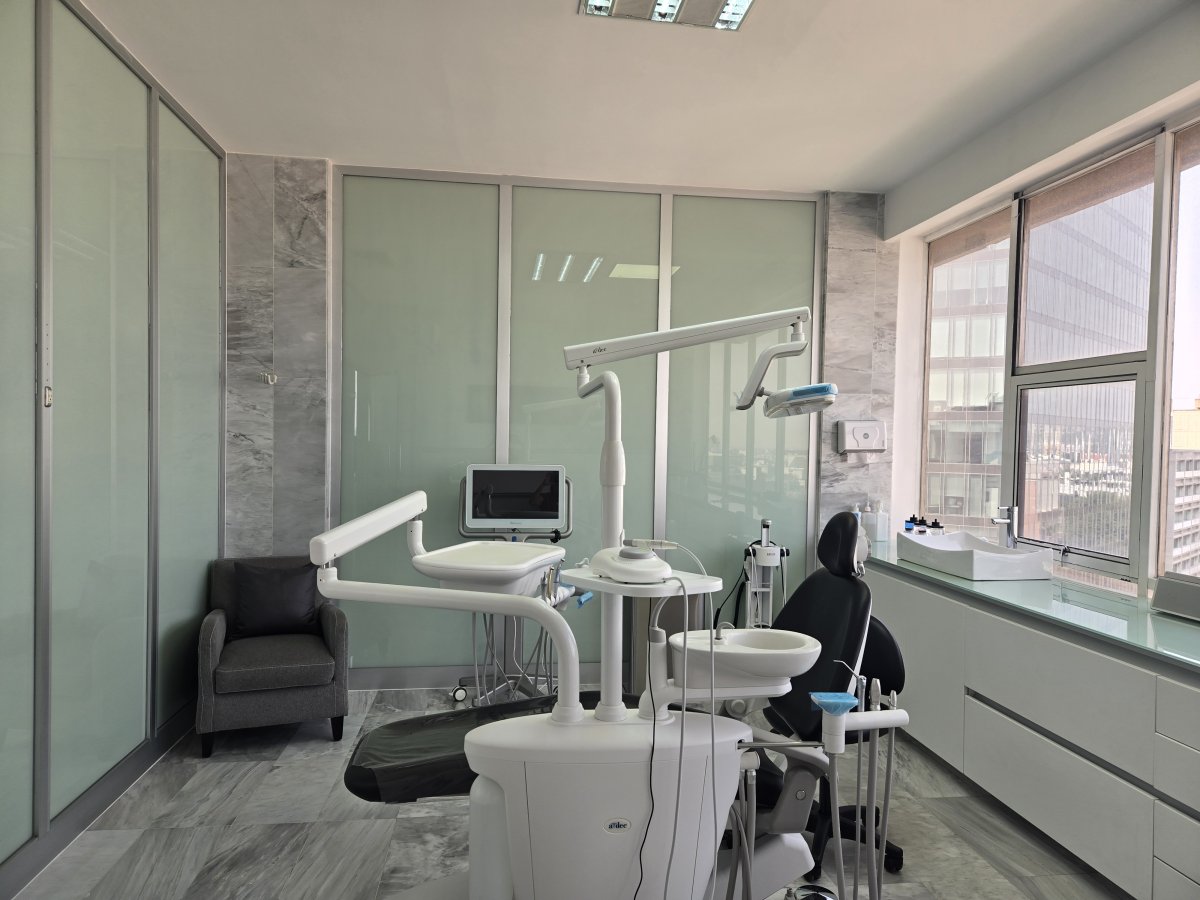
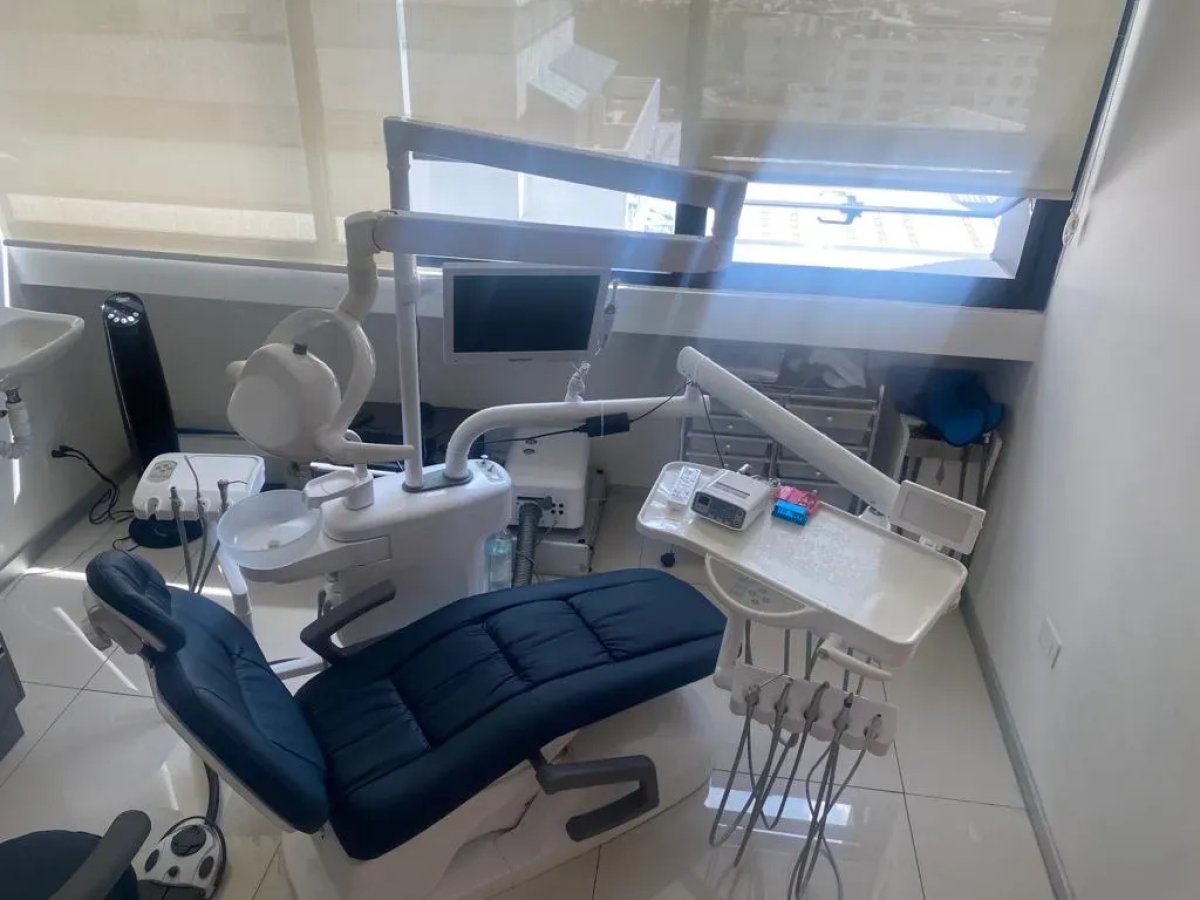
Clínica dental SoftDentalCare
México, Los Algodones
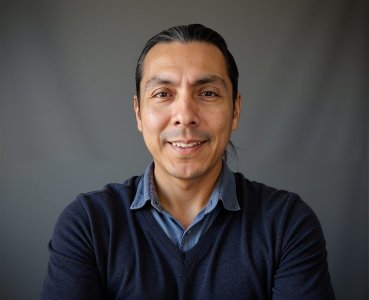
Mario Garibay
26 años de experiencia
Clínica certificada por : 



Revisado médicamente por
Fahad Mawlood
El costo de un implante dental de dos etapas en México suele oscilar de $1,200 a $2,800. Los precios varían según la clínica, la experiencia del cirujano oral, la marca del implante (como Nobel Biocare, Straumann, MIS) y si se requiere injerto óseo o elevación de seno maxilar. UU.
Las clínicas mexicanas suelen incluir la consulta inicial, radiografías digitales o tomografías CBCT, colocación quirúrgica del implante de titanio, periodo de cicatrización, el pilar y la corona final. Los medicamentos postoperatorios y las visitas de seguimiento suelen formar parte del paquete. En EE. UU., cada paso—cirugía, pilar, corona e imágenes—suele cobrarse por separado. Siempre confirmar qué servicios y materiales están incluidos en la clínica elegida.
Bookimed no añade cargos adicionales a los precios de Implante dental en dos fases. Las tarifas proceden de las listas de precios oficiales de las clínicas. Pagará directamente en la clínica por su Implante dental en dos fases a su llegada al país.
Bookimed está comprometido con su seguridad. Solo trabajamos con las clínicas que mantienen altos estándares internacionales en Implante dental en dos fases y tienen las licencias necesarias para atender a pacientes internacionales en todo el mundo.
Bookimed ofrece asistencia experta gratuita. Un coordinador médico personal le apoya antes, durante y después del tratamiento, resolviendo cualquier problema. Nunca estará solo en su viaje médico de Implante dental en dos fases.

Día 1
Dia 2
Día 3
Día 4
Día 5-7
Semana 2-6
Semana 7
Semana 8-12
Semana 13
Tenga en cuenta: cada paciente es único y este cronograma puede variar ligeramente según las circunstancias individuales.

Más de 25,000 procedimientos dentales realizados: la Dra. Paula combina arte y ciencia para una salud dental óptima en YeahSmile.
El Dr. Mario Garibay es un dentista especializado en implantes dentales y prótesis avanzadas, con más de 20 años de experiencia. Se graduó de la Universidad Veracruzana en 2000 y completó formación avanzada en implantología dental en la Universidad de Loma Linda en 2005.
Es reconocido por su habilidad en implantes, prótesis y coronas dentales. Pacientes y colegas elogian frecuentemente su trabajo. Su clínica destaca por el alto éxito en procedimientos de implantes. El Dr. Garibay se c

Especializado en cirugías avanzadas de implantes dentales, el Dr. Pinto Moserrate combina precisión y comodidad para el paciente en YeahSmile en Cancún.

Especializado en periodoncia e implantología, el Dr. Pena Peniche adapta cada tratamiento a las necesidades individuales de los pacientes en YeahSmile en Cancún.
 Olena Sikoza
Los cirujanos orales mexicanos experimentados recomiendan implantes dentales de dos etapas para garantizar una osteointegración exitosa en pacientes con baja densidad ósea o infecciones activas. Este enfoque conservador aísla el poste de titanio bajo la línea de las encías, evitando micro-movimientos y reduciendo el fallo temprano del implante en un 30% en casos de alto riesgo.
Perspectiva del experto de Bookimed: Aunque muchos buscan los resultados más rápidos, los datos muestran que instalaciones de primer nivel como Bokanova Riviera Maya ofrecen una garantía de 5 años precisamente porque favorecen el éxito biológico sobre la velocidad. Elegir a un especialista certificado con un doctorado en regeneración ósea asegura que incluso los casos complejos que requieren elevación de seno o aumento vertical logren una estabilidad a
Para verificar que un dentista mexicano está legalmente calificado, debe comprobar su licencia de Cédula Profesional a través de la base de datos del Registro Nacional de Profesionistas (SEP). Confirme que posee una Cédula de Especialidad específica si realiza implantes dentales complejos de dos etapas o cirugía maxilofacial.
Perspectiva del experto de Bookimed: Aunque una licencia general es obligatoria, los dentistas mexicanos de élite a menudo poseen múltiples Cédulas para diferentes especialidades. Por ejemplo, la Dra. Dana Fabiola Pinto Moserrate en YeahSmile posee tres licencias distintas para odontología general, periodoncia y ciencias dentales. Siempre solicite cada número de licencia para asegurarse de que su cirujano tenga el derecho legal específico para realizar regeneración óse
Un implante dental de dos etapas implica una cirugía primaria para anclar un poste de titanio en el hueso de la mandíbula, seguida de meses de integración ósea. La segunda etapa, un procedimiento menor, descubre el implante para colocar un tapón de cicatrización que da forma al tejido de las encías para la corona final.
Perspectiva de expertos de Bookimed: Centros mexicanos como Sani Dental Group y SoftDentalCare Clinic utilizan tecnologías avanzadas de PRF y PRP. Estos tratamientos utilizan sus propios factores de crecimiento para acelerar la fusión ósea. Esto puede mejorar significativamente el éxito de la Etapa 1 para pacientes con menor densidad ósea.
Consenso de los pacientes: Espere 1 semana de hinchazón después de la Etapa 1, mientras que la Etapa 2 es una visita rápida y casi indolora de 20 minutos. La ma
Un implante dental de dos etapas en México generalmente requiere 2 viajes separados. El primer viaje dura de 3 a 7 días para la colocación quirúrgica. Después de un período de curación de 3 a 6 meses para la osteointegración, es necesario un segundo viaje de 5 a 10 días para la colocación del pilar y la corona.
Perspectiva del experto de Bookimed: Aunque muchas clínicas como Bokanova Riva Maya o SoftDentalCare ofrecen protocolos de 2 etapas, el segundo viaje suele ser más largo que el primero. Esto se debe a que los laboratorios personalizados en Playa del Carmen o Los Algodones necesitan de 4 a 7 días para fabricar coronas de alta calidad como Straumann o Nobel Biocare. Reservar una semana completa para la etapa final asegura que su mordida esté perfectamente ajustada.
Consenso de los pacientes: Los pacientes recomiendan volar a centros cercanos como Tijuana o Cancún
Las marcas de implantes dentales de primer nivel utilizadas en México incluyen Straumann y Nobel Biocare, reconocidas mundialmente por su durabilidad y biocompatibilidad. Las clínicas líderes en centros como Cancún y Los Algodones utilizan estos sistemas premium aprobados por la FDA, garantizando los mismos estándares de calidad que se encuentran en los Estados Unidos y Canadá.
Perspectiva del experto de Bookimed: Los proveedores oficiales de Straumann en la Ciudad de México a menudo se especializan en casos maxilofaciales complejos en lugar de simples reemplazos. Clínicas como Sani Dental Group atienden a más de 10,000 pacientes al año porque mantienen inventarios masivos de marcas premium. Este volumen les permite mantener los costos de los implantes estándar entre $800 y $1,200, significativamente más bajos que el promedio estadou
Las protecciones para implantes dentales fallidos en México dependen de las garantías específicas de la clínica, las garantías del fabricante sobre el hardware y los seguros de viaje médico especializados. La mayoría de las instalaciones de renombre ofrecen una cobertura de 2 a 5 años para la mano de obra, mientras que marcas globales como Straumann o Nobel Biocare ofrecen reemplazo de hardware de por vida para defectos en componentes estructurales.
Perspectiva del experto de Bookimed: Busque clínicas que utilicen materiales suizos o estadounidenses de primera calidad como Straumann o Nobel Biocare. Bokanova Riviera Maya ofrece una garantía de 5 años, mientras que Ortodoncia CDMX es un proveedor oficial de Straumann. Esta distinción es vital porque los dentistas locales en EE. UU. o Canadá a menudo se nieg