Implante dental en dos fases en Polonia — encuentre las 3 mejores clínicas con costos


Revisado médicamente por
Fahad Mawlood
Cómo funciona
¿Cuál es el precio de Implante dental en dos fases en Polonia? Descubra ahora
El costo de un implante dental de dos fases en Polonia suele oscilar entre $1,200 y $2,000. Los precios varían según la marca del implante (como Straumann o Nobel Biocare), la experiencia del dentista y si se necesita injerto óseo o elevación de seno maxilar. UU.
Las clínicas polacas suelen incluir en el precio la consulta, la imagen 3D (CBCT), la cirugía de implante, el pilar de cicatrización y la corona final. Los dientes temporales, la anestesia y las visitas de seguimiento también suelen estar cubiertos. En EE. UU., los precios a menudo solo cubren la colocación del implante, con cargos separados para el pilar, la corona y las imágenes. Siempre confirmar exactamente qué incluye el paquete de cada clínica.
Beneficios clave
- Obtén implantes dentales de dos etapas en Polonia a un 70% menos que en EE. UU.
- Opciones de implantes: Straumann®, Nobel Biocare®, y Zimmer Biomet®.
- Revisión gratuita de fotos por un experto para determinar la mejor opción de implante dental para ti.
- Garantía disponible en ofertas selectas.
- Acceso exclusivo a ofertas de implantes dentales de dos etapas en clínicas polacas .
Descubra las mejores clínicas de Implante dental en dos fases en Polonia: 3 opciones verificadas y Precios

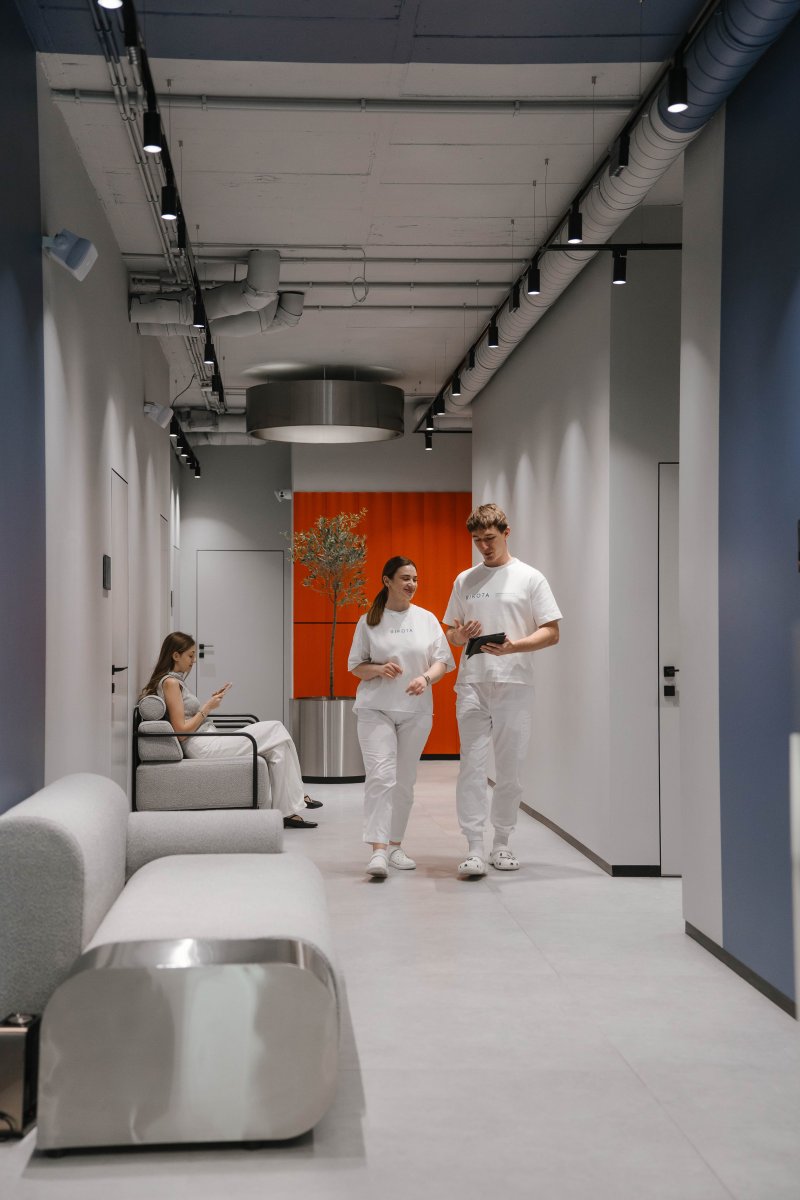

Descripción general de Implante dental en dos fases en Polonia
- Implantes dentales All-on-4 - de $4,900Esta terapia restaura un juego completo de dientes usando cuatro implantes por maxilar, ofreciendo durabilidad, comodidad y una apariencia natural.
- Implantes dentales All-on-6 - de $6,300Esta terapia reemplaza arcos dentales completos usando solo seis implantes, ofreciendo a los pacientes estabilidad y comodidad.
- Mini-implantes - de $230Esta terapia reemplaza los dientes perdidos con pequeños postes de metal, lo que garantiza un aspecto natural y una masticación fácil.
- Instalación de un implante dental con corona - de $1,000Esta terapia consiste en colocar una raíz dental artificial y una tapa para restaurar un diente faltante, ofreciendo durabilidad y apariencia natural.
- Implante dental - de $830Esta terapia instala raíces dentales artificiales para restaurar la función y la apariencia, ofreciendo durabilidad, comodidad y una sensación natural.
- Implante Dental con Pilar - de $1,000El procedimiento instala una raíz de diente protésico y un conector para un diente postizo, mejorando la salud bucal y la sonrisa.
- Implantes dentales todo en 2 - de $7,000Esta terapia reemplaza los dientes perdidos con dos implantes y un puente dental completo, para una mejor calidad de vida.
Día 1
- Llegada al país y traslado a un hotel 4*.
- Descansar y aclimatarse al nuevo entorno.
Dia 2
- Visite la clínica dental para la consulta inicial.
- Conozca al especialista y discuta su historial médico.
- Someterse a las pruebas médicas pertinentes como radiografías.
Día 3
- Realice procedimientos preoperatorios si es necesario.
- Reciba una explicación detallada sobre el proceso de implante dental en dos etapas.
Día 4
- Someterse a la primera etapa del proceso de implante dental.
- Se administra anestesia local durante el procedimiento.
- La duración del procedimiento es de aproximadamente 1-2 horas.
Día 5-7
- Descansa en el hotel y recupérate de la primera etapa del procedimiento.
Semana 2-6
- Período de cicatrización antes de la segunda etapa del proceso de implante.
Semana 7
- Someterse a la segunda etapa del proceso de implante dental.
- Después de la operación, permanezca en la clínica durante unas horas para observación.
Semana 8-12
- Iniciar proceso de rehabilitación, evitar actividades extenuantes.
- Visitas regulares de seguimiento a la clínica para chequeos.
Semana 13
- Regreso al trabajo y actividades normales.
- Empieza a disfrutar de los beneficios de tu nuevo implante dental.
Tenga en cuenta: cada paciente es único y este cronograma puede variar ligeramente según las circunstancias individuales.
- Depósito de Bookimed: 200 $ o 200 €.
- Depósito de la clínica: Pague un porcentaje fijo por adelantado.
Obtenga una evaluación médica para Implante dental en dos fases en Polonia: Elija su especialista entre los mejores en el campo
Ver todos los médicos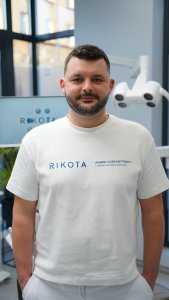
Andrii Vodianytski
Experiencia en procedimientos de implantes dentales en dos etapas en la Clínica Dental RIKOTA.
- Habilidad en el manejo de casos complejos de implantes
- Utiliza técnicas avanzadas de implantes dentales
- Se enfoca en la comodidad del paciente y resultados de aspecto natural

Vadym Shemiakov
Vadym Shemiakov se especializa en implantes dentales de dos etapas en la Clínica Dental RIKOTA, asegurando una colocación precisa y estabilidad a largo plazo.
- Experiencia en casos complejos de implantes que requieren injerto óseo
- Enfoque en planes de tratamiento específicos para el paciente para obtener resultados óptimos
- Uso de técnicas avanzadas para minimizar el tiempo de recuperación
Historias en video de pacientes de Bookimed
Reseñas
Todas las reseñas


Compartir contenido
 Olena Sikoza
Preguntas frecuentes sobre Implante dental en dos fases en Polonia
¿Cuál es el perfil de seguridad y qué cualificaciones se deben buscar en Polonia?
Polonia mantiene un alto perfil de seguridad dental gracias a las normas médicas obligatorias de la Unión Europea y a las licencias nacionales. Los especialistas cualificados deben poseer un diploma de medicina, completar una pasantía de 13 meses y aprobar el Examen Médico Nacional (LEK) antes de comenzar la formación especializada en implantología en las principales universidades médicas.
- Licencia de especialista: Los cirujanos deben estar registrados en el Registro Central de Profesionales de la Salud.
- Protocolos de curación: Las clínicas aplican estrictamente una fase de curación de 3 meses entre etapas para la osteointegración.
- Estándares clínicos: Los centros privados suelen contar con certificaciones ISO o TEMOS para los protocolos de higiene.
- Diagnóstico avanzado: Las clínicas de renombre utilizan escáneres CBCT y materiales de Nobel Biocare o Straumann.
Perspectiva del experto de Bookimed: La calidad varía significativamente según el volumen clínico y la especialización. Mientras que los centros regionales como Cracovia tienen clínicas que atienden a 1.500 pacientes al año, Varsovia alberga centros masivos como RIKOTA con 60 especialistas y 60.000 pacientes anuales. Elegir estas instalaciones de gran volumen a menudo garantiza el acceso a cirujanos con más de 1.000 casos exitosos documentados.
Consenso de los paci
¿Quién es un candidato adecuado para un implante dental de dos etapas?
Un candidato adecuado para un implante dental de dos etapas requiere protección adicional durante la fase inicial de curación. Este protocolo clásico es ideal para pacientes con baja densidad ósea, infecciones recientes o aquellos que se someten a injertos óseos para garantizar que el implante se integre con éxito sin presión externa ni movimiento.
- Salud ósea: Necesario para pacientes con volumen insuficiente de hueso maxilar o baja densidad ósea.
- Complejidad quirúrgica: Recomendado cuando se realizan elevaciones de seno o procedimientos de aumento óseo simultáneamente.
- Condiciones de salud: Preferido para fumadores o diabéticos que requieren un cronograma de curación más conservador.
- Factores mecánicos: Ideal para pacientes con bruxismo para evitar la sobrecarga accidental durante la osteointegración.
Perspectiva del experto de Bookimed: Aunque muchas clínicas modernas promueven la carga inmediata, nuestros datos de centros de alto volumen como la Clínica Dental RIKOTA muestran que el enfoque de dos etapas sigue siendo el estándar de seguridad para restauraciones complejas. Con más de 60,000 pacientes tratados anualmente en su red, los especialistas a menudo priorizan este método tradicional para el reemplazo de molares donde las fuerzas de mordida son más altas. Esta estrategia reduce significativamente los riesgos de fracaso en áreas
¿Qué sucede durante la primera etapa quirúrgica?
Durante la primera etapa quirúrgica, un cirujano extrae los dientes dañados y limpia el área del hueso maxilar objetivo. Luego, coloca quirúrgicamente un poste de implante de titanio profundamente en el hueso bajo anestesia local o sedación, completando generalmente el procedimiento en 1 a 2 horas.
- Colocación quirúrgica: Los postes de titanio se anclan en el hueso maxilar durante una visita ambulatoria de 1 a 2 horas.
- Gestión del confort: La mayoría de los pacientes reciben anestesia local o sedación para garantizar una experiencia sin dolor.
- Recuperación inicial: Espere dolor durante 3 a 7 días, manejable con analgésicos estándar de venta libre.
- Fase de curación: El hueso requiere de 3 a 6 meses para fusionarse con el implante de titanio.
Perspectiva del experto de Bookimed: Clínicas como la RIKOTA Dental Clinic en Varsovia gestionan más de 60,000 pacientes al año porque utilizan equipos grandes y especializados. En Polonia, los centros de alto volumen a menudo ofrecen dentaduras postizas temporales inmediatamente después de la primera etapa. Esto mantiene la estética durante el largo período de curación de 6 meses antes de la colocación de la corona permanente.
Consenso de los pacientes: Espere dolor postoperatorio similar a un dolor de muelas y manténgase con alimentos blandos para proteger sus puntos de sutur
¿Cuánto tiempo debe sanar el implante antes de la segunda etapa?
La curación de un implante dental de dos etapas generalmente requiere de 3 a 6 meses para la osteointegración. Este proceso biológico vital permite que el hueso de la mandíbula se fusione con el poste de titanio. Los cirujanos confirman la estabilidad mediante radiografías antes de colocar el pilar y la corona final durante un segundo procedimiento menor.
- Ubicación de la mandíbula: La curación de la mandíbula inferior suele tardar de 3 a 4 meses debido a una mayor densidad ósea.
- Tiempo en la mandíbula superior: La mandíbula superior requiere de 4 a 6 meses ya que el hueso es más blando.
- Injerto óseo: Los injertos preliminares o elevaciones de seno añaden de 3 a 6 meses a su cronograma total.
- Recuperación de las encías: El tejido superficial sana en 1 a 2 semanas después de cada etapa quirúrgica.
Perspectiva de expertos de Bookimed: Si bien muchos se centran en el máximo de 6 meses, clínicas altamente eficientes como la Clínica Dental RIKOTA atienden a 60.000 pacientes al año utilizando 60 especialistas distintos. Este alto volumen a menudo se correlaciona con protocolos refinados. Los grandes equipos en Cracovia y Varsovia generalmente utilizan pruebas de estabilidad para pasar a los pacientes a la segunda etapa en la ventana segura más temprana en lugar de esperar los 6 meses estándar.
¿Qué implica la segunda etapa de la cirugía y la restauración final?
La segunda etapa de un implante dental implica descubrir el poste de titanio fusionado después de 3 a 6 meses de osteointegración. Los cirujanos colocan un pilar de cicatrización temporal para dar forma al tejido de las encías antes de colocar la corona o puente personalizado final para la restauración permanente.
- Exposición del implante: Los cirujanos realizan una pequeña incisión bajo anestesia local para revelar el poste sumergido.
- Colocación del pilar: Se coloca una tapa de cicatrización metálica para contornear las encías durante 2 a 4 semanas.
- Impresiones digitales: Los dentistas toman escaneos precisos para crear su diente protésico hecho a medida en un laboratorio.
- Restauración final: Su corona permanente se asegura al pilar definitivo mediante cemento o tornillos.
Perspectiva del experto de Bookimed: Polonia se ha convertido en un centro dental de gran volumen, con la clínica dental RIKOTA atendiendo a 60.000 pacientes al año. Esta escala masiva a menudo permite a las clínicas mantener sofisticados laboratorios digitales internos, lo que puede reducir significativamente el tiempo de entrega de su corona personalizada final.
¿Cuántas visitas al dentista y cuántos días en total se requieren normalmente en Polonia?
Un implante dental de dos etapas en Polonia requiere 2 viajes separados que suman un total de 10 a 14 días. La mayoría de los pacientes permanecen de 3 a 5 días para la cirugía inicial y regresan de 3 a 4 meses después durante 5 a 7 días para colocar la corona definitiva.
- Duración de la primera visita: Espere de 3 a 5 días para la consulta, las imágenes y la colocación quirúrgica del implante.
- Período de osteointegración: Espere de 3 a 4 meses para que el hueso se fusione con el implante.
- Duración de la segunda visita: Quédese de 5 a 7 días para la colocación del pilar, las impresiones y la colocación de la corona final.
- Compromiso de tiempo total: Planifique un total de 10 a 14 días en Polonia entre ambas visitas.
Opinión de expertos de Bookimed: Aunque muchas clínicas como la Clínica Dental RIKOTA atienden a un gran volumen de pacientes, el intervalo de 3 a 4 meses sigue siendo innegociable por seguridad. Nuestros datos muestran que apresurar la segunda etapa antes de la fusión ósea aumenta los riesgos de fracaso. Reservar un segundo viaje de 7 días es más seguro que uno de 5 días. Esto permite tiempo adicional para que el laboratorio dental perfeccione el ajuste de su corona.
Consenso de los pacientes: Muchos pacientes recomiendan reservar vuelos flexibles para la segunda visita. A menudo sugieren dejar 2 días
¿Qué tan alta es la calidad de la neurocirugía en Polonia?
La neurocirugía en Polonia ofrece atención de alta calidad en centros con certificación JCI e ISO. Los neurocirujanos polacos se adhieren a estrictos estándares de formación adoptados por la Unión Europea. Muchos han completado becas en Estados Unidos o Alemania. Tecnologías avanzadas, como CyberKnife, Gamma Knife y sistemas robóticos, están ampliamente disponibles en centros privados.
- Cualificaciones especializadas: Los médicos suelen ser miembros de la Asociación Europea de Sociedades de Neurocirugía.
- Tecnologías avanzadas: Las clínicas utilizan sistemas CyberKnife y ultrasonido enfocado guiado por resonancia magnética para el tratamiento cerebral no invasivo.
- Volumen clínico: Centros líderes como el Hospital Universitario de Cracovia tratan a más de 455.000 pacientes al año.
- Cirujanos experimentados: El Dr. Maciej Bujko del Hospital Carolina ha realizado más de 2.500 cirugías por su cuenta.
Opinión experta de Bookimed: Los datos muestran una fuerte correlación entre la especialización de una clínica y el origen de sus pacientes. La Clínica KCM atiende a más de 700 pacientes internacionales al año. Se especializa en cirugía de columna mínimamente invasiva. Este volumen de trabajo le permite ofrecer paquetes de servicios especializados, que a menudo incluyen bloques de diagnóstico e implantes específicos, como el DIAM de Medtronic.
¿Cuáles son las cualificaciones de los neurocirujanos polacos?
Los neurocirujanos polacos son especialistas altamente cualificados que han completado al menos 13 años de rigurosa formación médica. Esto incluye seis años de estudios de medicina, 13 meses de prácticas y seis años de residencia. Deben aprobar el Examen Estatal de Especialización (PES) y suelen estar certificados por la Asociación Europea de Sociedades de Neurocirugía (EANS).
- Educación: Los médicos reciben educación médica (medicina) después de 6 años de estudio en la universidad.
- Especialización: La residencia incluye 6 años de formación modular en neurocirugía clínica y neurorradiología.
- Volumen quirúrgico: Los residentes a menudo realizan más de 1.000 cirugías, lo que excede el volumen de capacitación promedio en otras regiones.
- Certificados: Muchos especialistas son miembros de AO Spine o de la Sociedad Polaca de Cirugía de Columna.
Opinión experta de Bookimed: Los datos muestran que los neurocirujanos polacos suelen especializarse en tecnologías altamente especializadas, como el sistema ApiFix o el sistema de endoscopia lumbar SED-YESS. Especialistas como el Dr. Stanisław Kwek, de la Clínica KCM, combinan la investigación postdoctoral con una práctica quirúrgica activa. Esta combinación de profundos conocimientos académicos y un alto volumen quirúrgico los hace especialmente eficaces en cirugías de columna complejas y mínimamente in
¿Cuáles son las mejores clínicas neuroquirúrgicas en Polonia?
Entre las mejores clínicas neuroquirúrgicas de Polonia se encuentran el Hospital Carolina, la Clínica KCM y centros académicos de primer nivel como el Hospital Universitario de Cracovia. Estas instituciones ofrecen tratamientos de vanguardia para enfermedades de la columna vertebral y el cerebro que cumplen con los estándares de calidad ISO y emplean a especialistas miembros de organizaciones internacionales como AO Spine.
- Hospital Carolina: Centro Médico de Excelencia FIFA, especializado en cirugías de columna complejas y mínimamente invasivas.
- Clínica KCM: Reconocida internacionalmente por la calidad de sus procedimientos endoscópicos de columna, atendiendo a más de 700 pacientes internacionales anualmente.
- Hospital Universitario de Cracovia: un gran centro multidisciplinario que realiza más de 800 operaciones neuroquirúrgicas al año desde 1788.
- Luxmed: un reconocido centro médico privado en Varsovia especializado en cirugía de columna avanzada para pacientes internacionales.
Opinión experta de Bookimed: Si bien muchos buscan los hospitales más grandes, los datos muestran que clínicas como el Hospital Carolina ofrecen mayor eficiencia para cirugías electivas. Con más de 40 médicos especialistas en este centro de 30 camas, la proporción médico-paciente es significativamente mayor que en los centros universitarios públicos. Esto se traduc
¿Qué procedimientos neuroquirúrgicos se realizan con más frecuencia en Polonia?
En Polonia, la neurocirugía se centra principalmente en cirugías de columna y extirpación de tumores cerebrales. Los hospitales realizan con frecuencia microdiscectomías, fusiones espinales y estimulación cerebral profunda. Centros como el Hospital Carolina y la Clínica KCM utilizan técnicas mínimamente invasivas para tratar hernias discales, lesiones de columna y trastornos neurológicos complejos.
- Cirugía de columna: La discectomía y la laminectomía son tratamientos comunes para los discos herniados.
- Neurooncología: Los especialistas realizan cirugías para extirpar tumores cerebrales utilizando equipos modernos como la tecnología CyberKnife.
- Neurocirugía funcional: la estimulación cerebral profunda (ECP) se utiliza ampliamente para los trastornos del movimiento.
- Técnicas mínimamente invasivas: Los cirujanos utilizan técnicas endoscópicas para descomprimir la columna y tratar tumores pituitarios.
Opinión experta de Bookimed: Polonia se ha convertido en un centro de estabilización espinal especializada. Clínicas como el Hospital Carolina colaboran con equipos deportivos nacionales, lo que refleja su alto nivel de experiencia en el tratamiento de lesiones espinales complejas. Nuestros datos muestran que estas instituciones suelen integrar la rehabilitación directamente en el tratamiento quirúrgico. Esta combinación reduce el riesgo de compl