Tratamiento de Hiperplasia prostática benigna (HPB) en Polonia — obtenga 3 coincidencias personalizadas de clínicas


Revisado médicamente por
Fahad Mawlood
Cómo funciona
¿Cuál es el precio del diagnóstico y los tratamientos de Hiperplasia prostática benigna (HPB) en Polonia? Descubra ahora
De $90
Costos típicos del tratamiento de la hiperplasia prostática benigna (HPB) en Polonia
- Consulta con un urólogo: de $90
- Prostatectomía robótica da Vinci: $10,000 – $16,000
- Enucleación prostática con láser de holmio: de $5,700
- Ablación transuretral con vapor de agua: $3,800 – $5,500
- Vaporización (con láser GreenLight): $3,500 – $5,000
- Prostatectomía: $7,500 – $12,000
- Adenomectomía prostática da Vinci: $7,500 – $11,000
- Incisión transuretral de próstata (TUIP): $1,900 – $3,200
- Termoterapia transuretral por microondas (TUMT): $1,900 – $3,400
Perspectiva de los expertos de Bookimed: Los pacientes que buscan atención innovadora deben priorizar los centros con departamentos robóticos especializados. El Hospital Carolina en Varsovia opera un centro integral de tratamiento robótico. Es una opción ideal para casos complejos que requieren alta precisión. Para los pacientes internacionales, KCM Clinic ofrece programas de paquetes personalizados y atiende a 700 pacientes occidentales al año. Aquellos que requieren una precisión diagnóstica avanzada se benefician de Stefan Czarniecki en el Hospital Carolina. Es un líder mundial que ha realizado más de 2,500 biopsias de fusión.
| Polonia | España | Turquía | |
|---|---|---|---|
| Vaporización (con GreenLight Laser) | ≈ $3,500 | de $7,500 | de $3,000 |
| Terapia de microondas transuretral (TUMT) | ≈ $1,900 | ≈ $3,600 | de $12,000 |
| Prostatectomía robótica da Vinci | ≈ $10,000 | de $20,100 | de $11,500 |
| Prostatectomía | ≈ $7,500 | de $17,900 | de $6,900 |
| Incisión transuretral de la próstata (TUIP) | ≈ $1,900 | de $5,600 | de $2,000 |
Descubra las mejores clínicas de tratamiento de Hiperplasia prostática benigna (HPB) en Polonia: 10 opciones verificadas y Precios



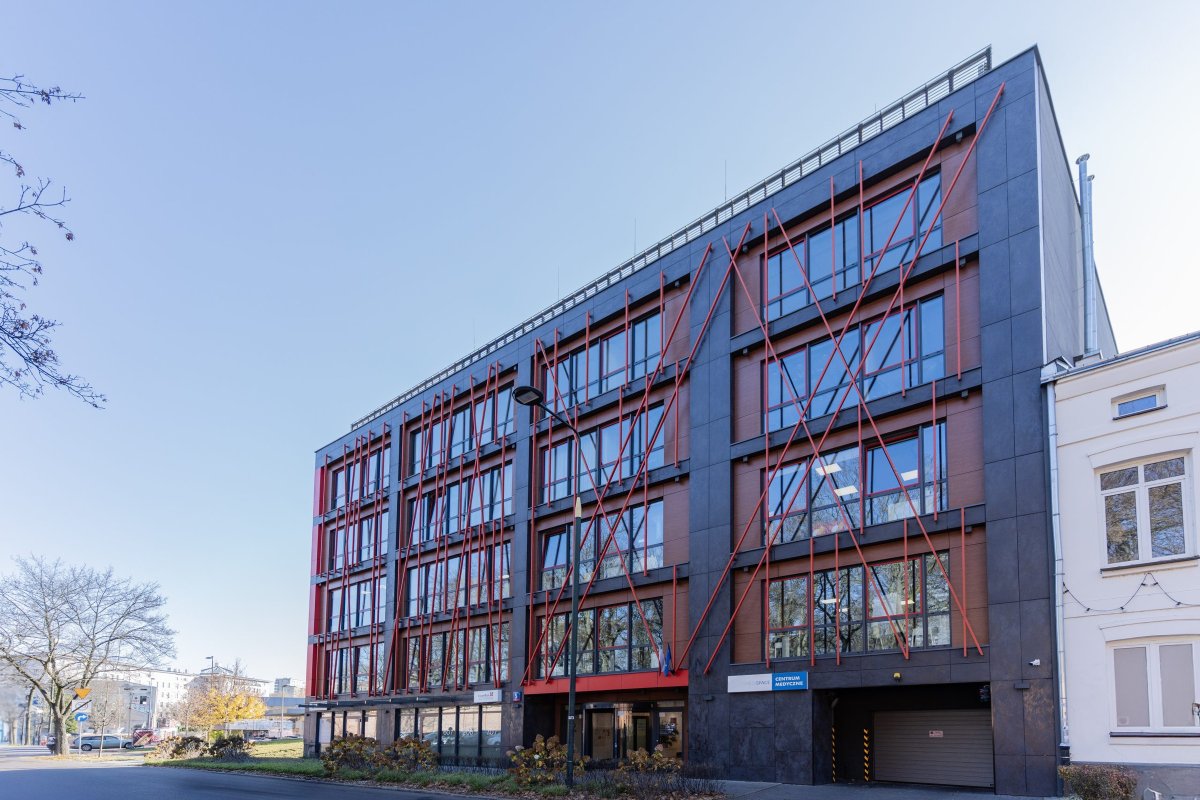
MediSpace (Centrum Medyczne MediSpace)





Institute of Cybernetic Surgery Cyberknife

Enel Med

John Paul II Western Hospital
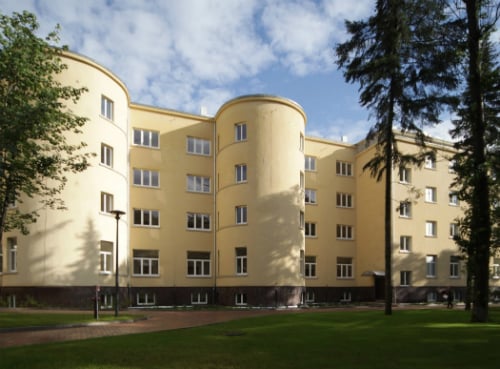
European Health Center Otwock
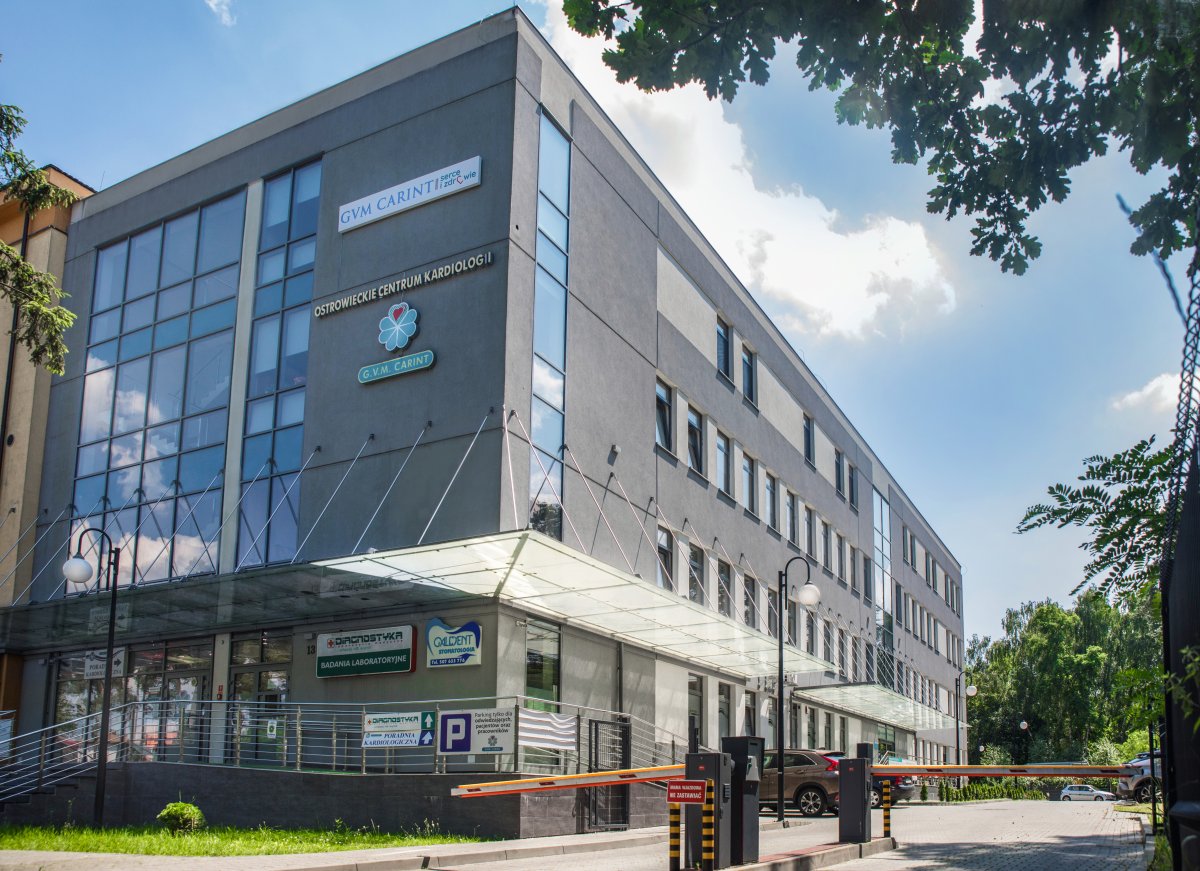


INVICTA Clinics
Obtenga una evaluación médica de tratamiento de Hiperplasia prostática benigna (HPB) en Polonia: haga una consulta con 12 médicos experimentados ahora
Ver todos los médicos
Pawel Pudelko

Tomasz Gede
El Dr. Tomasz Gede es un urólogo altamente cualificado con especialización en técnicas mínimamente invasivas en KCM Clinic. Realiza procedimientos avanzados con precisión y cuidado.
- Especializado en cirugías de próstata con láser y endoscópicas
- Conocido por diagnósticos precisos y tratamientos efectivos en casos difíciles
- Valorado por los pacientes por su amabilidad y enfoque individual
- Realiza una amplia gama de procedimientos urológicos
Jakub Szaniawski

Daniel Leszczynski
El Dr. Daniel Leszczynski se especializa en urología con amplia experiencia en procedimientos laparoscópicos, incluidos los tratamientos para la HPB.
- Graduado de la Universidad Médica de Varsovia en 1994
- Completó su especialización en urología en 2002
- Miembro del Consejo Europeo de Urología
- Miembro de la Asociación Urológica Polaca
- Adquirió experiencia en cirugía urológica laparoscópica
Artículos relacionados

¿Cuánto cuesta el tratamiento del adenoma (hiperplasia prostática benigna)?
Escrito por Veronika Kazina
Compartir contenido
Historias en video de pacientes de Bookimed
 Olena Sikoza
Preguntas frecuentes sobre el tratamiento de Hiperplasia prostática benigna (HPB) en Polonia
¿Cuáles son las opciones de tratamiento de HBP más comunes disponibles en Polonia?
Los pacientes en Polonia tienen acceso a tratamientos para la HBP que van desde terapias farmacológicas hasta cirugías mínimamente invasivas avanzadas. Las opciones comunes incluyen la resección transuretral de próstata, la enucleación con láser de holmio y los procedimientos asistidos por robot. Centros especializados en Varsovia y Jelenia Góra ofrecen opciones como la ablación con vapor de agua y el ultrasonido focalizado de alta intensidad.
- Estándar de oro quirúrgico: La resección transuretral de próstata sigue siendo la intervención quirúrgica más frecuente.
- Terapia láser avanzada: La enucleación con láser de holmio y la vaporización con láser GreenLight ofrecen una recuperación más rápida del paciente.
- Sistemas asistidos por robot: El robot da Vinci facilita procedimientos complejos de adenomectomía prostática y prostatectomía.
- Opciones mínimamente invasivas: Técnicas como la ablación con vapor de agua y la terapia Rezum preservan eficazmente la función sexual.
Perspectiva del experto de Bookimed: Polonia se ha convertido en un centro regional de urología robótica. El Dr. Stefan Czarniecki en el Carolina Hospital dirige uno de los únicos centros integrales de tratamiento robótico en Europa Central. Si bien muchos hospitales ofrecen resecciones estándar, clínicas como KCM Clinic y Carolina Hospital se centran en casos de láser y rob
¿Qué clínicas en Polonia son reconocidas por la alta calidad en el tratamiento de la HPB?
Polonia ofrece un tratamiento de alta calidad para la hiperplasia prostática benigna (HPB) a través de centros especializados como el Hospital Carolina y el Centro Europeo de Salud Otwock. Estas instalaciones utilizan tecnologías avanzadas como HoLEP, HIFU y láser GreenLight. Los urólogos expertos suelen estar certificados como Fellow of the European Board of Urology (FEBU).
- Tecnologías avanzadas: Las clínicas ofrecen HoLEP, láser GreenLight y tratamiento HIFU no invasivo para el tejido prostático.
- Cirujanos expertos: El Dr. Marek Filipek es el primer urólogo polaco certificado como operador de Ablatherm HIFU.
- Instalaciones acreditadas: Muchos centros mantienen la certificación ISO 9001:2015 para servicios médicos y urológicos integrales.
- Departamentos especializados: El Centro Europeo de Salud Otwock cuenta con el primer Departamento Interdisciplinario de Cardio-oncología en Polonia.
- Centros de alto volumen: El Dr. Stefan Czarniecki ha realizado más de 2.500 biopsias de fusión para el diagnóstico de próstata.
Perspectiva del experto de Bookimed: Aunque muchos eligen Varsovia por sus instalaciones con una calificación de 4,7 como el Hospital Carolina, la Clínica KCM en Jelenia Gora es un centro importante para pacientes internacionales. Atiende a más de 700 pacientes extranjeros al año provenientes del Reino Un
¿Qué debo esperar durante la recuperación después de una cirugía de HBP en Polonia?
La recuperación después de una cirugía de HBP en Polonia implica una estancia hospitalaria de 1 a 4 días y de 4 a 6 semanas para una recuperación completa. Los procedimientos con láser como HoLEP permiten el alta en 24 horas. Los pacientes utilizan una sonda urinaria durante 1 a 7 días, dependiendo de la técnica quirúrgica utilizada.
- Estancia hospitalaria: Espere 1–2 días para tratamientos con láser o 4 días para una RTUP tradicional.
- Retirada de la sonda: La mayoría de los cirujanos retiran la sonda en un plazo de 24 a 48 horas en cirugías con láser.
- Actividad física: Evite levantar objetos pesados de más de 4,5 kg (10 lbs) y realizar ejercicios extenuantes durante 4 a 6 semanas.
- Manejo de síntomas: Espere orina de color rosado durante 2 semanas y espasmos leves en la vejiga durante la recuperación temprana.
- Regreso al trabajo: La mayoría de los pacientes regresan a trabajos de oficina ligeros en 1 a 2 semanas.
Perspectiva del experto de Bookimed: El panorama urológico de Polonia ofrece una alta especialización en alternativas no invasivas como HIFU y sistemas robóticos. Aunque la RTUP tradicional sigue siendo común, clínicas como el Carolina Hospital y el European Health Center Otwock ofrecen opciones avanzadas como Ablatherm HIFU o prostatectomía robótica. Elegir un centro con equipo especializado a menudo r
¿Qué cubre habitualmente un paquete estándar de HBP en Polonia?
Los paquetes médicos estándar para la hiperplasia benigna de próstata (HBP) en Polonia suelen cubrir consultas urológicas, pruebas de antígeno prostático específico (PSA) y diagnósticos por ecografía transrectal. Incluyen cirugías mínimamente invasivas como la enucleación con láser de holmio o procedimientos asistidos por robot. La mayoría de los programas incluyen anestesia, una estancia hospitalaria de 1 a 2 días y los exámenes de seguimiento iniciales.
- Paquete de diagnóstico: Incluye consulta urológica, análisis de sangre PSA y urodinamia para evaluar el flujo.
- Métodos quirúrgicos: Cubre vaporización láser avanzada, enucleación con láser de holmio o prostatectomía robótica da Vinci.
- Estancia en el centro: Por lo general, proporciona 1 o 2 noches en habitaciones de hospital privadas con supervisión médica completa.
- Equipo especializado: Acceso a marcas como GreenLight Laser o Ablatherm HIFU según la clínica.
Perspectiva de expertos de Bookimed: Polonia sirve como un centro de diagnóstico único donde clínicas como el Carolina Hospital combinan atención ortopédica y urológica para casos complejos. Nuestros datos muestran que los centros de alto volumen a menudo integran tecnología HIFU avanzada que no se encuentra ampliamente en los paquetes europeos estándar. Si bien los procedimientos comunes como la RTUP son estándar, elegir un centr
¿Son adecuados los procedimientos mínimamente invasivos como UroLift o Rezūm para próstatas muy agrandadas?
Las directrices médicas recientes amplían la idoneidad de UroLift a 100cc y de Rezum a 150cc. Sin embargo, los urólogos suelen recomendar estos procedimientos para próstatas de tamaño pequeño a moderado. Para glándulas muy agrandadas que superan los 150cc, procedimientos como HoLEP o la prostatectomía robótica ofrecen resultados más definitivos y una mejor durabilidad a largo plazo.
- Límites de UroLift: Recomendado hasta 80cc, aunque aprobado por la FDA para glándulas de 100cc.
- Capacidad de Rezum: Trata eficazmente glándulas de hasta 150cc, incluidas aquellas con lóbulos medios.
- Uso de catéter: Las glándulas más grandes tratadas con Rezum pueden requerir cateterismo durante 9 días.
- Alternativas avanzadas: HoLEP sigue siendo el estándar de oro para próstatas significativamente superiores a 150cc.
Perspectiva del experto de Bookimed: Aunque Rezum es flexible para glándulas más grandes, los centros especializados polacos priorizan el volumen quirúrgico y la formación especializada. El Dr. Marek Filipek del Hospital Carolina fue el primero en Polonia en certificarse para Ablatherm HIFU. Esta experiencia técnica sugiere que, para próstatas complejas o muy grandes, los pacientes deben buscar cirujanos que cambien a métodos láser o robóticos cuando las glándulas superan los 100cc para garantizar un alivio permanente.
Consenso de
¿Cuánto tiempo debo permanecer en Polonia después de una cirugía de HBP antes de poder volar a casa?
Los pacientes deben planificar una estancia en Polonia de 7 a 14 días después de una cirugía de HBP. La mayoría de los cirujanos requieren de 3 a 4 días para el manejo del catéter y la curación inicial. Los viajeros deben esperar al menos 7 días antes de vuelos cortos y 10 días para viajes de larga distancia.
- Retirada del catéter: Generalmente ocurre alrededor del día 4 en los centros de urología polacos.
- Monitoreo de sangrado: Los pacientes deben permanecer cerca durante 7 días para monitorear cualquier sangrado tardío.
- Prevención de coágulos: Los urólogos polacos recomiendan esperar 10 días para minimizar el riesgo de trombosis venosa profunda.
- Aptitud para volar: Las clínicas proporcionan la documentación médica requerida generalmente 7 días después del procedimiento.
Perspectiva de expertos de Bookimed: Aunque muchos se centran en el tipo de cirugía, el equipo especializado de la clínica dicta su estancia. Instalaciones como el Hospital Carolina utilizan el sistema robótico da Vinci para la prostatectomía, lo que a menudo permite un alta más temprana. Sin embargo, los pacientes que ven a especialistas como el Dr. Marek Filipek para tratamientos HIFU a menudo permanecen 10 días para garantizar la estabilidad urinaria antes de viajar.
Consenso de los pacientes: Los pacientes enfatizan la importancia de permanec
¿Qué acreditaciones de seguridad debo buscar al elegir una clínica de HBP en Polonia?
Los pacientes deben verificar la acreditación del Ministerio de Salud y los sellos del Centro Polaco de Acreditación (PCA). Las instalaciones de primer nivel, como el Hospital Carolina, mantienen certificaciones ISO 9001:2015 y TÜV NORD. Busque urólogos que posean las credenciales de Fellow of the European Board of Urology (FEBU) para garantizar altos estándares quirúrgicos.
- Certificación nacional: La acreditación del Ministerio de Salud requiere cumplir con el 75 % de los estándares clínicos y de seguridad.
- Calidad internacional: La norma ISO 9001:2015 garantiza una gestión de calidad estandarizada para procedimientos urológicos complejos.
- Credenciales del cirujano: La certificación FEBU confirma que el especialista cumple con los rigurosos requisitos de formación médica de la Unión Europea.
- Excelencia especializada: Busque centros como el Hospital Carolina con el estatus de FIFA Medical Center of Excellence.
Perspectiva del experto de Bookimed: Si bien las certificaciones ISO generales son comunes, el verdadero diferenciador de seguridad en Polonia es el volumen de procedimientos robóticos especializados. El Dr. Stefan Czarniecki del Hospital Carolina ha realizado más de 2500 biopsias de fusión y se centra en la terapia HIFU robótica. Las clínicas con expertos especializados de alto volumen a menudo ofrecen vías de diagnóstico más ref
¿Qué tan alta es la calidad de la neurocirugía en Polonia?
La neurocirugía en Polonia ofrece atención de alta calidad en centros con certificación JCI e ISO. Los neurocirujanos polacos se adhieren a estrictos estándares de formación adoptados por la Unión Europea. Muchos han completado becas en Estados Unidos o Alemania. Tecnologías avanzadas, como CyberKnife, Gamma Knife y sistemas robóticos, están ampliamente disponibles en centros privados.
- Cualificaciones especializadas: Los médicos suelen ser miembros de la Asociación Europea de Sociedades de Neurocirugía.
- Tecnologías avanzadas: Las clínicas utilizan sistemas CyberKnife y ultrasonido enfocado guiado por resonancia magnética para el tratamiento cerebral no invasivo.
- Volumen clínico: Centros líderes como el Hospital Universitario de Cracovia tratan a más de 455.000 pacientes al año.
- Cirujanos experimentados: El Dr. Maciej Bujko del Hospital Carolina ha realizado más de 2.500 cirugías por su cuenta.
Opinión experta de Bookimed: Los datos muestran una fuerte correlación entre la especialización de una clínica y el origen de sus pacientes. La Clínica KCM atiende a más de 700 pacientes internacionales al año. Se especializa en cirugía de columna mínimamente invasiva. Este volumen de trabajo le permite ofrecer paquetes de servicios especializados, que a menudo incluyen bloques de diagnóstico e implantes específicos, como el DIAM de Medtronic.
¿Cuáles son las cualificaciones de los neurocirujanos polacos?
Los neurocirujanos polacos son especialistas altamente cualificados que han completado al menos 13 años de rigurosa formación médica. Esto incluye seis años de estudios de medicina, 13 meses de prácticas y seis años de residencia. Deben aprobar el Examen Estatal de Especialización (PES) y suelen estar certificados por la Asociación Europea de Sociedades de Neurocirugía (EANS).
- Educación: Los médicos reciben educación médica (medicina) después de 6 años de estudio en la universidad.
- Especialización: La residencia incluye 6 años de formación modular en neurocirugía clínica y neurorradiología.
- Volumen quirúrgico: Los residentes a menudo realizan más de 1.000 cirugías, lo que excede el volumen de capacitación promedio en otras regiones.
- Certificados: Muchos especialistas son miembros de AO Spine o de la Sociedad Polaca de Cirugía de Columna.
Opinión experta de Bookimed: Los datos muestran que los neurocirujanos polacos suelen especializarse en tecnologías altamente especializadas, como el sistema ApiFix o el sistema de endoscopia lumbar SED-YESS. Especialistas como el Dr. Stanisław Kwek, de la Clínica KCM, combinan la investigación postdoctoral con una práctica quirúrgica activa. Esta combinación de profundos conocimientos académicos y un alto volumen quirúrgico los hace especialmente eficaces en cirugías de columna complejas y mínimamente in
¿Cuáles son las mejores clínicas neuroquirúrgicas en Polonia?
Entre las mejores clínicas neuroquirúrgicas de Polonia se encuentran el Hospital Carolina, la Clínica KCM y centros académicos de primer nivel como el Hospital Universitario de Cracovia. Estas instituciones ofrecen tratamientos de vanguardia para enfermedades de la columna vertebral y el cerebro que cumplen con los estándares de calidad ISO y emplean a especialistas miembros de organizaciones internacionales como AO Spine.
- Hospital Carolina: Centro Médico de Excelencia FIFA, especializado en cirugías de columna complejas y mínimamente invasivas.
- Clínica KCM: Reconocida internacionalmente por la calidad de sus procedimientos endoscópicos de columna, atendiendo a más de 700 pacientes internacionales anualmente.
- Hospital Universitario de Cracovia: un gran centro multidisciplinario que realiza más de 800 operaciones neuroquirúrgicas al año desde 1788.
- Luxmed: un reconocido centro médico privado en Varsovia especializado en cirugía de columna avanzada para pacientes internacionales.
Opinión experta de Bookimed: Si bien muchos buscan los hospitales más grandes, los datos muestran que clínicas como el Hospital Carolina ofrecen mayor eficiencia para cirugías electivas. Con más de 40 médicos especialistas en este centro de 30 camas, la proporción médico-paciente es significativamente mayor que en los centros universitarios públicos. Esto se traduc