Hiperplasia prostática benigna (HPB) en Tailandia: las 6 mejores clínicas para su tratamiento


Revisado médicamente por
Fahad Mawlood
¿Cuál es el precio del diagnóstico y los tratamientos de Hiperplasia prostática benigna (HPB) en Tailandia? Descubra ahora
El costo del tratamiento de la hiperplasia prostática benigna (HPB) en Tailandia generalmente incluye una consulta con un urólogo de $45 / 1,700฿ a $65 / 2,400฿ y opciones quirúrgicas primarias como la prostatectomía, que cuesta entre $9,500 / 351,500฿ y $17,000 / 629,000฿. Los gastos totales dependen de la técnica utilizada, como la vaporización láser o la cirugía robótica, y del nivel de la clínica. Los pacientes suelen ahorrar entre un 40 y un 70% en comparación con los precios de EE. UU. Los principales destinos incluyen Bangkok, Pattaya y Phuket.
Costos típicos del tratamiento de la hiperplasia prostática benigna (HPB) en Tailandia
- Consulta con un urólogo: $45 / 1,700฿ – $65 / 2,400฿
- Prueba de PSA: de $50 / 1,900฿
- Prostatectomía: $9,500 / 351,500฿ – $17,000 / 629,000฿
- Vaporización (con láser GreenLight): $4,200 / 155,400฿ – $5,600 / 207,200฿
- Prostatectomía robótica da Vinci: de $25,000 / 925,000฿
- Incisión transuretral de la próstata (TUIP): $2,600 / 96,200฿ – $4,800 / 177,600฿
- Terapia transuretral por microondas (TUMT): $2,800 / 103,600฿ – $4,200 / 155,400฿
- Enucleación prostática con láser de holmio: $3,500 / 129,500฿ – $6,500 / 240,500฿
- Adenomectomía prostática da Vinci: $9,500 / 351,500฿ – $14,500 / 536,500฿
- Ablación transuretral con vapor de agua: $3,500 / 129,500฿ – $5,000 / 185,000฿
Perspectiva de los expertos de Bookimed: Para casos complejos, los centros acreditados por la JCI como el Bumrungrad International Hospital son los mejores para la cirugía asistida por robot. La Menness Wellness Clinic en Bangkok ofrece atención urológica especializada con una tasa de éxito del 99,9%. La laparoscopia avanzada, realizada por cirujanos como el Dr. Teanchai Siricharoensang, proporciona una excelente recuperación para los pacientes internacionales. Estos centros de alto volumen integran imágenes digitales y tecnología de construcción inteligente para una atención médica eficiente y de alto nivel.
| Tailandia | España | Turquía | |
|---|---|---|---|
| Vaporización (con GreenLight Laser) | ≈ $4,200 / 155,400฿ | de $7,500 / 277,500฿ | de $3,000 / 111,000฿ |
| Terapia de microondas transuretral (TUMT) | ≈ $2,800 / 103,600฿ | ≈ $3,600 / 133,200฿ | de $12,000 / 444,000฿ |
| Prostatectomía robótica da Vinci | de $25,000 / 925,000฿ | de $20,100 / 743,700฿ | de $11,500 / 425,500฿ |
| Prostatectomía | ≈ $9,500 / 351,500฿ | de $18,000 / 666,000฿ | de $6,900 / 255,300฿ |
| Incisión transuretral de la próstata (TUIP) | ≈ $2,600 / 96,200฿ | de $5,600 / 207,200฿ | de $2,000 / 74,000฿ |
Sus beneficios y garantías con Bookimed
Precios directos
Bookimed no añade cargos extra a los precios de los tratamientos de Hiperplasia prostática benigna (HPB). Las tarifas proceden de las listas de precios oficiales de las clínicas. Pagará directamente en la clínica por su tratamiento a su llegada al país.
Sólo clínicas y médicos verificados
Bookimed está comprometido con su seguridad. Solo trabajamos con las clínicas que mantienen altos estándares internacionales en el tratamiento de Hiperplasia prostática benigna (HPB) y cuentan con las licencias necesarias para atender a pacientes internacionales en todo el mundo.
Asistencia 24/7 gratuita
Bookimed ofrece asistencia experta gratuita. Un coordinador médico personal le apoya antes, durante y después de su tratamiento, resolviendo cualquier problema. Nunca estará solo en su viaje médico de tratamiento de Hiperplasia prostática benigna (HPB).

Su coordinador médico personal de Bookimed
- Le apoya en cada etapa
- Ayuda a elegir la clínica y el médico adecuados
- Asegura un acceso rápido y conveniente a la información
Descubra las mejores clínicas de tratamiento de Hiperplasia prostática benigna (HPB) en Tailandia: 6 opciones verificadas y Precios





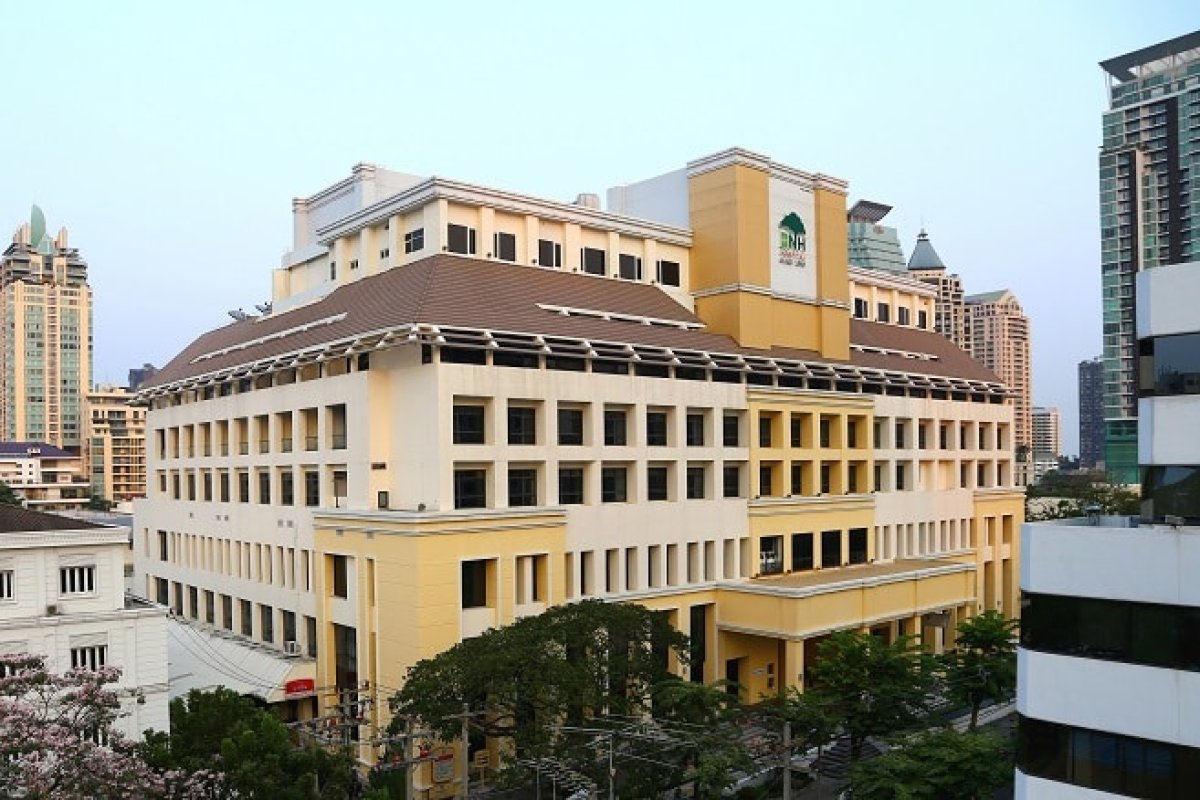




Clínica The Demarest
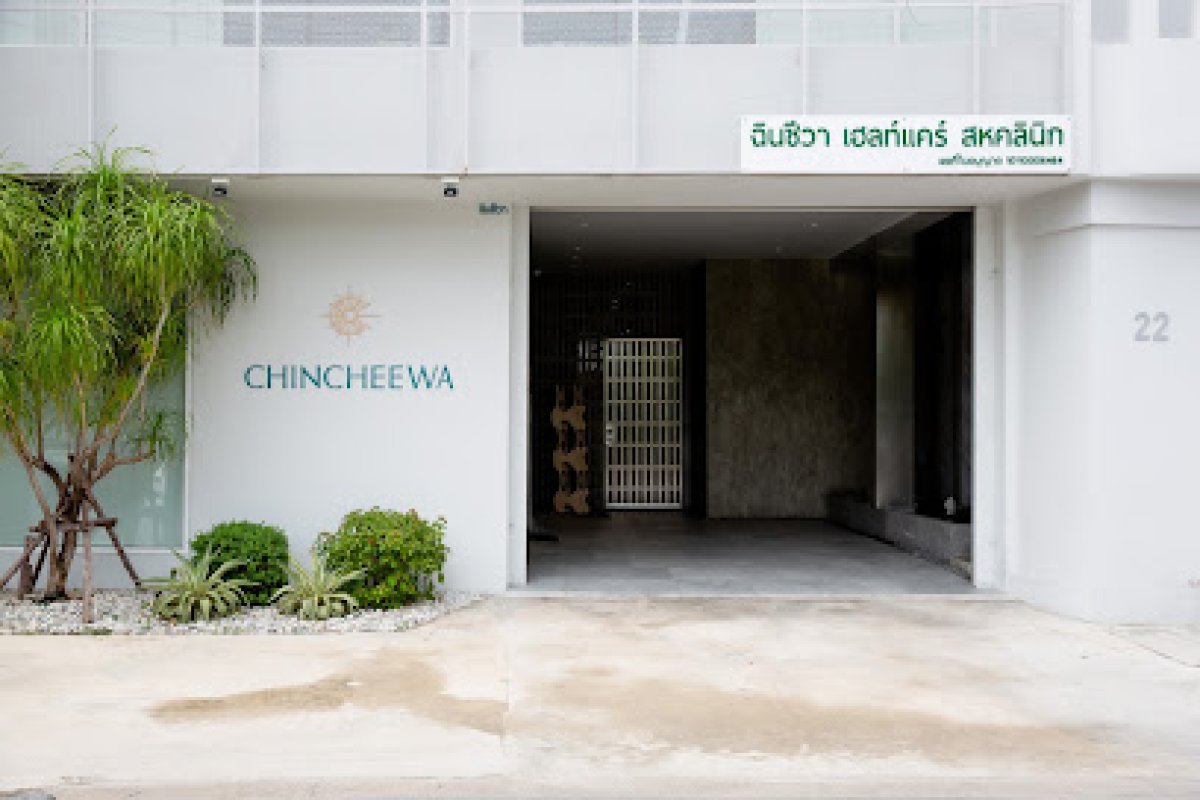
Chincheewa Healthcare Clinic

Obtenga una evaluación médica de tratamiento de Hiperplasia prostática benigna (HPB) en Tailandia: haga una consulta con 8 médicos experimentados ahora
Ver todos los médicos
Nuttaphon Luchaichana
Urólogo certificado especializado en procedimientos mínimamente invasivos y cirugía reconstructiva en Menness Wellness Clinic.
- Experiencia en salud sexual masculina y andrología
- Especializado en técnicas quirúrgicas mínimamente invasivas
- Enfoque en la atención centrada en el paciente para resultados a largo plazo
- Formado en el Hospital Siriraj, Universidad Mahidol

Teanchai Siricharoensang
Cirujano laparoscópico y endoscópico avanzado: el Dr. Teanchai Siricharoensang aporta precisión a los tratamientos de HBP en He Clinic Bangkok.
- _doctor_8175_años_ como urólogo senior en el Hospital Samitivej
- Formación de subespecialidad en la Universidad Mahidol
- Miembro de la Asociación Americana de Urología
- Certificado en técnicas de lipólisis ultrasónica

Attapol Mahalelakul
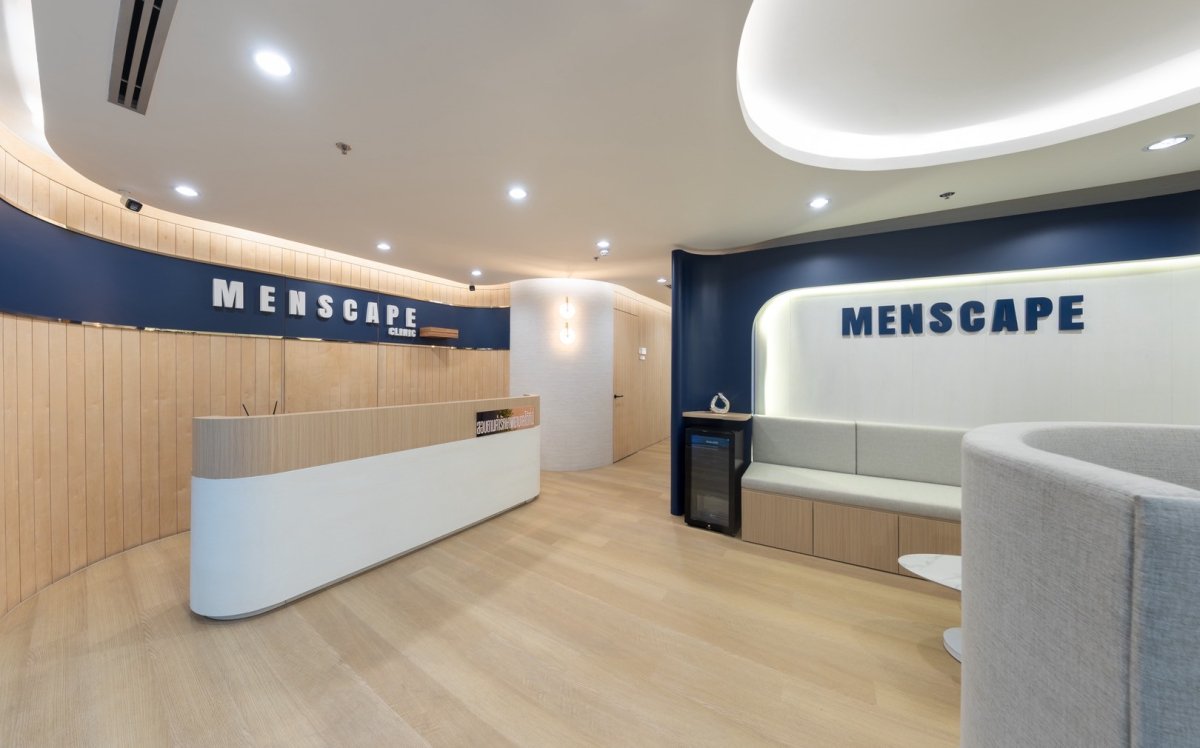
El Dr. Attapol Mahalelakul (Dr. Do) es urólogo certificado en Menscape Clinic, en Bangkok. Se graduó como médico (MD) en la Facultad de Medicina del Hospital Siriraj, Universidad Mahidol, en 2018. Obtuvo la certificación en Cirugía Urológica del Hospital Siriraj, Universidad Mahidol, en 2025. Brinda atención en inglés y tailandés.
Enfoque clínico: evaluación y pruebas urológicas generales; valoración y tratamiento de la disfunción eréctil; cribado y manejo de la próstata; salud prevent
Reseñas
Todas las reseñasArtículos relacionados

¿Cuánto cuesta el tratamiento del adenoma (hiperplasia prostática benigna)?
Escrito por Veronika Kazina
Compartir contenido
Historias en video de pacientes de Bookimed
 Olena Sikoza
Preguntas frecuentes sobre el tratamiento de Hiperplasia prostática benigna (HPB) en Tailandia
¿Es seguro el tratamiento de la HPB en Tailandia para pacientes internacionales?
El tratamiento de la HPB en Tailandia es seguro y sigue rigurosos estándares de salud globales. Los centros líderes cuentan con la acreditación de la Joint Commission International (JCI) y utilizan tecnologías aprobadas por la FDA. Estas incluyen la enucleación prostática con láser de holmio (HoLEP) y la ablación con vapor de agua. Los urólogos expertos a menudo poseen certificaciones internacionales.
- Acreditación internacional: Las certificaciones JCI y GHA garantizan altos estándares de seguridad clínica.
- Tecnología avanzada: Las clínicas utilizan láser GreenLight y sistemas robóticos da Vinci.
- Experiencia especializada: Cirujanos como el Dr. Teanchai Siricharoensang son miembros de la American Urological Association.
- Volumen comprobado: Hospitales importantes como Bumrungrad tratan a más de 1,000,000 de pacientes cada año.
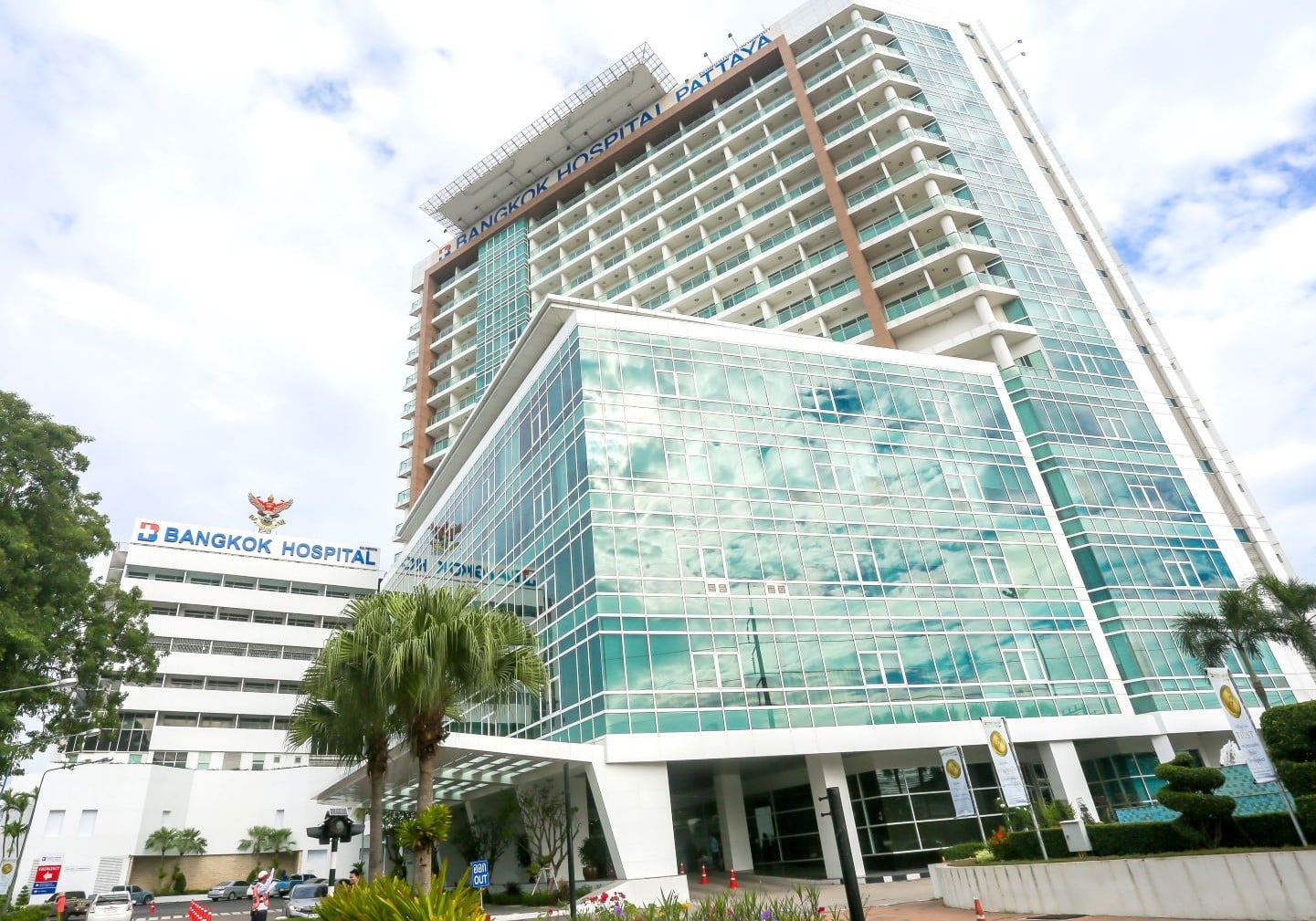
Perspectiva del experto de Bookimed: Una señal clara de calidad en Tailandia es la concentración de especialistas con múltiples certificaciones en centros de alto volumen. Por ejemplo, el Bangkok Hospital Pattaya atiende a 400,000 pacientes al año. Mientras tanto, el Bumrungrad International Hospital emplea a 1,300 médicos en 70 departamentos. Esta escala masiva permite a los centros tailandeses invertir en las plataformas robóticas más recientes. También asegura que los cirujanos realicen estos procedimientos espe
¿Qué opciones quirúrgicas existen para la hiperplasia benigna de próstata en Tailandia?
Las opciones quirúrgicas para la hiperplasia benigna de próstata en Tailandia incluyen la resección transuretral, la enucleación con láser de holmio y la prostatectomía robótica. Centros líderes como el Bumrungrad International Hospital y el Bangkok Hospital Pattaya ofrecen ablación con vapor de agua mínimamente invasiva y vaporización con láser GreenLight. Estos procedimientos proporcionan un alivio eficaz con tiempos de recuperación rápidos.
- Tratamientos con láser: La enucleación con láser de holmio y la vaporización GreenLight tratan eficazmente las glándulas prostáticas grandes.
- Mínimamente invasivo: La terapia con vapor de agua y los implantes uretrales prostáticos preservan la función sexual y la calidad de vida.
- Cirugía robótica: Los sistemas Da Vinci permiten la extirpación precisa de masas de tejido prostático extremadamente grandes.
- Opciones endoscópicas: La incisión transuretral y la terapia con microondas proporcionan un alivio duradero para los síntomas moderados.
Perspectiva del experto de Bookimed: Aunque muchos se centran en Bangkok, el Bangkok Hospital Pattaya atiende a 400.000 pacientes al año y ofrece urología endoscópica avanzada. Elegir un centro con un alto volumen de pacientes a menudo garantiza que los cirujanos mantengan una competencia máxima en técnicas robóticas y láser especializadas. Los centros acreditados
¿Cuánto tiempo necesitaré quedarme en Tailandia después de una cirugía de HBP?
Los pacientes deben planificar quedarse en Tailandia de 7 a 14 días después de una cirugía de HBP. Este plazo garantiza un manejo adecuado del catéter y un seguimiento médico. La mayoría de los cirujanos requieren un chequeo final antes de que se le considere apto para volar a casa de manera segura.
- Estancia hospitalaria: La mayoría de los procedimientos requieren de 1 a 4 noches en el hospital para monitoreo.
- Duración del catéter: Es posible que necesite una sonda urinaria durante 1 a 7 días después de la cirugía.
- Seguimiento médico: Los cirujanos realizan un chequeo crítico alrededor del día 7 para detectar sangrado o infección.
- Restricciones de vuelo: Los viajes de larga distancia a menudo están restringidos durante 4 a 6 semanas para prevenir coágulos.
Perspectiva del experto de Bookimed: Si bien muchos eligen Bangkok por sus centros acreditados por la JCI como Bumrungrad, que trata a 1 millón de pacientes al año, Pattaya es una alternativa sólida. El Bangkok Hospital Pattaya ofrece una menor densidad de pacientes manteniendo los mismos estándares JCI. Los centros de alto volumen a menudo brindan mayor precisión diagnóstica con ecografía transrectal y uroflujometría avanzada antes de seleccionar opciones mínimamente invasivas.
Consenso de los pacientes: Los pacientes señalan que llegar unos días antes para la
¿Cuáles son los principales efectos secundarios o riesgos relacionados con estos procedimientos?
El tratamiento de la hiperplasia prostática benigna en Tailandia suele conllevar riesgos bajos. Los procedimientos estándar como HoLEP o Rezum mantienen altos registros de seguridad. Los efectos secundarios comunes incluyen cambios urinarios temporales o el éxito del procedimiento. La mayoría de los pacientes retoman sus actividades normales en un plazo de dos a cuatro semanas tras las sesiones mínimamente invasivas.
- Cambios eyaculatorios: La eyaculación retrógrada ocurre en el 70% al 90% de los casos de enucleación con láser.
- Síntomas urinarios: La incontinencia temporal o la urgencia pueden requerir el uso de compresas durante varias semanas después de la cirugía.
- Sangrado postoperatorio: Los coágulos visibles o la hematuria pueden persistir hasta por cuatro semanas.
- Riesgos a largo plazo: Las estenosis uretrales o infecciones que requieren seguimiento afectan aproximadamente al 5% de los pacientes.
Perspectiva del experto de Bookimed: Los pacientes suelen elegir el Bumrungrad International Hospital porque trata a más de 500.000 residentes internacionales al año. Nuestros datos muestran que los centros de alto volumen ofrecen tecnologías más especializadas como el láser GreenLight. Esta tecnología específica ayuda a reducir los riesgos de sangrado en comparación con métodos más antiguos. Concéntrese en clínicas con acreditación JCI pa
¿Cómo sé si soy un candidato adecuado para una cirugía de próstata con láser o mínimamente invasiva?
La idoneidad para la cirugía de próstata con láser o mínimamente invasiva depende del volumen de la próstata y la gravedad de los síntomas. Los candidatos suelen presentar una obstrucción urinaria de moderada a grave que no responde a la medicación. Los centros médicos tailandeses utilizan tecnologías específicas como los láseres GreenLight y Holmium según el tamaño de la glándula y los perfiles de riesgo anestésico.
- Volumen de la próstata: Menos de 80 gramos suelen ser adecuados para el láser GreenLight o la ablación con vapor de agua.
- Glándulas grandes: La enucleación con láser de holmio (HoLEP) es eficaz para próstatas que superan los 100 gramos.
- Puntuaciones de síntomas: Las puntuaciones internacionales de síntomas prostáticos (IPSS) superiores a 20 suelen indicar necesidad quirúrgica.
- Historial médico: Los láseres son ideales para pacientes que toman anticoagulantes debido a su cauterización superior.
Perspectiva de expertos de Bookimed: Aunque muchos pacientes se centran solo en la tecnología, nuestros datos muestran que la capacidad de la clínica a menudo dicta las opciones disponibles. El Bumrungrad International Hospital atiende a más de 1 millón de pacientes al año con plataformas robóticas especializadas. Elegir centros de gran volumen en Bangkok garantiza el acceso tanto a HoLEP como a GreenLight, lo que permite a los ciruja
¿Qué instrucciones de recuperación debo seguir después de volar a casa?
La recuperación después del tratamiento de HPB en Tailandia implica una hidratación agresiva y movimiento inmediato para prevenir complicaciones. Reanude la caminata durante 10 minutos cada hora para estimular la circulación. Eleve las piernas mientras descansa para reducir la hinchazón. Evite levantar objetos pesados o conducir durante 48 horas. Controle el color de la orina para detectar cambios.
- Protocolo de hidratación: Beba 3 litros de agua al día para limpiar la vejiga.
- Límites de actividad: Evite levantar más de 5 kg durante 4 a 6 semanas.
- Estimulación de la circulación: Camine durante 15 minutos inmediatamente después de aterrizar para prevenir coágulos.
- Cuidado pélvico: Use ropa holgada para minimizar la presión sobre el sitio quirúrgico.
Perspectiva del experto de Bookimed: Los centros de urología de Tailandia, como el Bumrungrad International Hospital, atienden a más de 1.000.000 de pacientes al año. Nuestros datos muestran que las clínicas de alto volumen a menudo programan la extracción del catéter justo antes de la salida. Asegúrese de tener un urólogo local listo para un control en la primera semana. Esto evita retrasos si experimenta sensibilidad en la vejiga después del vuelo.
Consenso de los pacientes: Los pacientes advierten que los vuelos pueden provocar necesidades urgentes de ir al baño debi
¿Qué ciudades tailandesas ofrecen hospitales acreditados internacionalmente con centros de urología dedicados?
Bangkok, Pattaya y Phuket cuentan con hospitales acreditados por la JCI con centros de urología dedicados a la hiperplasia prostática benigna. Estas instalaciones ofrecen tratamientos avanzados como la vaporización con láser GreenLight y la cirugía asistida por robot. Los centros especializados en estas ciudades atienden a más de 1.000.000 de pacientes internacionales al año.
- Bangkok: Centro médico que alberga importantes instituciones como el Bumrungrad International Hospital.
- Pattaya: Sede de centros de excelencia especializados en terapia de vapor de agua.
- Phuket: Ofrece clínicas de urología dedicadas dentro de entornos hospitalarios estilo resort, acreditados por la JCI.
- Acceso a tecnología: Las instalaciones ofrecen enucleación con láser de holmio y sistemas robóticos Da Vinci.
Opinión de expertos de Bookimed: Aunque Bangkok tiene la mayor densidad de hospitales, Pattaya presenta una alternativa sólida para el cuidado de la próstata. El Bangkok Hospital Pattaya gestiona 400.000 pacientes al año a pesar de tener menos departamentos especializados que los gigantes de Bangkok. Este alto volumen sugiere vías de diagnóstico optimizadas para afecciones urológicas comunes como la HPB.
Consenso de los pacientes: Los pacientes señalan que es importante elegir instalaciones con coordinadores multilingües. Destacan que