Centro Médico Krajmed
Polonia, Varsovia


Revisado médicamente por
Fahad Mawlood
| Polonia | España | Turquía | |
|---|---|---|---|
| Sinuplastia con balón | ≈ $2,300 | de $4,500 | de $4,400 |
| Cirugía endoscópica de senos nasales | de $4,100 | ≈ $3,600 | de $6,000 |



 Olena Sikoza
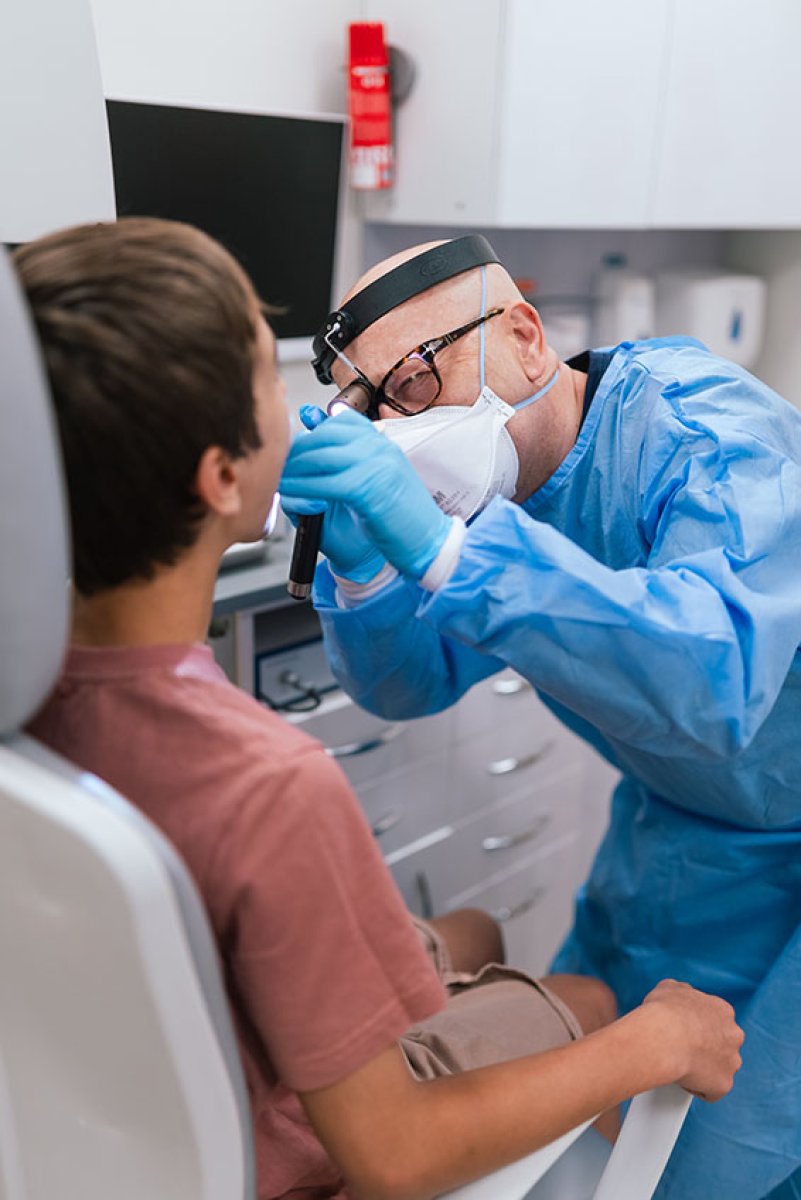
La cirugía endoscópica funcional de los senos paranasales (FESS) es el estándar de oro para la sinusitis crónica en Polonia. Esta técnica mínimamente invasiva utiliza endoscopios HD para restaurar el drenaje sin incisiones externas. Los cirujanos realizan rutinariamente la FESS en centros especializados de otorrinolaringología para resolver bloqueos cuando los medicamentos no logran proporcionar alivio.
Perspectiva del experto de Bookimed: Polonia ocupa actualmente el segundo lugar como destino más solicitado para procedimientos médicos en nuestra red global. Esta alta demanda permite que centros multidisciplinarios como RMED Kopernika en Lodz traten a 6.000 pacientes al año. Debido a que estas instalaciones atienden a un gran volumen de visitantes europeos, sus equipos quirúrgicos mantienen una alta competencia en la combinac
Los especialistas polacos determinan la necesidad de cirugía para la sinusitis crónica mediante una evaluación objetiva de varios pasos. Los cirujanos requieren un historial clínico de síntomas persistentes y documentación de tratamientos conservadores fallidos. El diagnóstico se basa en la endoscopia nasal por fibra óptica y tomografías computarizadas (TC) para confirmar bloqueos anatómicos o pólipos.
Perspectiva del experto de Bookimed: Los datos de clínicas privadas polacas como RMED Kopernika muestran un alto volumen de consultas especializadas. Esto sugiere que los especialistas a menudo sirven como centros de segunda opinión para casos persistentes. Si bien la tendencia nacional enfatiza las vías estructuradas, las instalaciones privadas a menudo ofrecen un acceso más rápido al diagnóstico por imagen. Esta velocidad permite decisiones quirúrgicas
Las terapias modernas no quirúrgicas para la sinusitis crónica en Polonia incluyen la sinuplastia con balón y tratamientos biológicos avanzados. Los centros polacos especializados utilizan anticuerpos monoclonales como Dupilumab para atacar la inflamación. Los sistemas de irrigación mínimamente invasivos como el Hydrodebrider también ayudan a eliminar biopelículas bacterianas sin necesidad de cirugía tradicional. Estos procedimientos preservan el tejido natural.
Perspectiva del experto de Bookimed: Polonia ocupa actualmente el segundo lugar como destino mundial más popular para estos tratamientos especializados en nuestra plataforma. Aunque centros multiespecialidad como RMED Kopernika atienden a 6.000 pacientes al año, muchas clínicas premium se concentran en Varsovia. Los pacientes deben priorizar la
Los turistas médicos deben planear quedarse en Polonia de 7 a 10 días después de una cirugía de senos paranasales. Este margen permite que la inflamación interna se estabilice para un vuelo seguro. La mayoría de los procedimientos requieren una evaluación física final. Los cirujanos deben confirmar que usted es apto para volar antes de su partida.
Perspectiva del experto de Bookimed: Polonia es actualmente el segundo destino más solicitado para servicios médicos en nuestra plataforma. Centros de gran volumen como RMED Kopernika en Lodz tratan hasta 6,000 pacientes al año. Este enorme volumen de pacientes sugiere que los cirujanos mantienen altos niveles de competencia mediante la repetición frecuente de procedimientos complejos de senos paranasales.
Consenso de los pacientes: Los pacientes enfatizan que manejar los cambios de presión durante el vuelo de regres
Las clínicas polacas reemplazan cada vez más la dolorosa gasa nasal tradicional por materiales disolubles o métodos sin taponamiento. La cirugía endoscópica moderna de senos paranasales en Polonia utiliza apósitos absorbibles que se transforman en gel. Esto elimina el proceso de extracción. Algunas clínicas utilizan férulas de silicona para prevenir adherencias mientras permiten la respiración nasal.
Perspectiva del experto de Bookimed: Los datos sobre el volumen de pacientes sugieren que los centros multiespecialidad polacos como RMED Kopernika atienden a 6.000 pacientes al año. Los grandes centros suelen adoptar la sinuplastia con balón y técnicas endoscópicas. Estos métodos priorizan el trauma tisular mínimo. Este cambio reduce significativamente la necesidad clínica de materiales de taponamiento tradicionales no absorbibles.
Consenso de los pacientes: Los pacientes señal
La neurocirugía en Polonia ofrece atención de alta calidad en centros con certificación JCI e ISO. Los neurocirujanos polacos se adhieren a estrictos estándares de formación adoptados por la Unión Europea. Muchos han completado becas en Estados Unidos o Alemania. Tecnologías avanzadas, como CyberKnife, Gamma Knife y sistemas robóticos, están ampliamente disponibles en centros privados.
Opinión experta de Bookimed: Los datos muestran una fuerte correlación entre la especialización de una clínica y el origen de sus pacientes. La Clínica KCM atiende a más de 700 pacientes internacionales al año. Se especializa en cirugía de columna mínimamente invasiva. Este volumen de trabajo le permite ofrecer paquetes de servicios especializados, que a menudo incluyen bloques de diagnóstico e implantes específicos, como el DIAM de Medtronic.
Los neurocirujanos polacos son especialistas altamente cualificados que han completado al menos 13 años de rigurosa formación médica. Esto incluye seis años de estudios de medicina, 13 meses de prácticas y seis años de residencia. Deben aprobar el Examen Estatal de Especialización (PES) y suelen estar certificados por la Asociación Europea de Sociedades de Neurocirugía (EANS).
Opinión experta de Bookimed: Los datos muestran que los neurocirujanos polacos suelen especializarse en tecnologías altamente especializadas, como el sistema ApiFix o el sistema de endoscopia lumbar SED-YESS. Especialistas como el Dr. Stanisław Kwek, de la Clínica KCM, combinan la investigación postdoctoral con una práctica quirúrgica activa. Esta combinación de profundos conocimientos académicos y un alto volumen quirúrgico los hace especialmente eficaces en cirugías de columna complejas y mínimamente in
Entre las mejores clínicas neuroquirúrgicas de Polonia se encuentran el Hospital Carolina, la Clínica KCM y centros académicos de primer nivel como el Hospital Universitario de Cracovia. Estas instituciones ofrecen tratamientos de vanguardia para enfermedades de la columna vertebral y el cerebro que cumplen con los estándares de calidad ISO y emplean a especialistas miembros de organizaciones internacionales como AO Spine.
Opinión experta de Bookimed: Si bien muchos buscan los hospitales más grandes, los datos muestran que clínicas como el Hospital Carolina ofrecen mayor eficiencia para cirugías electivas. Con más de 40 médicos especialistas en este centro de 30 camas, la proporción médico-paciente es significativamente mayor que en los centros universitarios públicos. Esto se traduc
En Polonia, la neurocirugía se centra principalmente en cirugías de columna y extirpación de tumores cerebrales. Los hospitales realizan con frecuencia microdiscectomías, fusiones espinales y estimulación cerebral profunda. Centros como el Hospital Carolina y la Clínica KCM utilizan técnicas mínimamente invasivas para tratar hernias discales, lesiones de columna y trastornos neurológicos complejos.
Opinión experta de Bookimed: Polonia se ha convertido en un centro de estabilización espinal especializada. Clínicas como el Hospital Carolina colaboran con equipos deportivos nacionales, lo que refleja su alto nivel de experiencia en el tratamiento de lesiones espinales complejas. Nuestros datos muestran que estas instituciones suelen integrar la rehabilitación directamente en el tratamiento quirúrgico. Esta combinación reduce el riesgo de compl
La rehabilitación neurológica está ampliamente disponible en Polonia a través de centros especializados y hospitales multidisciplinarios. Los programas abarcan la recuperación tras un accidente cerebrovascular, una lesión medular y enfermedades degenerativas. Instituciones como el Hospital Karolina de Varsovia y la Clínica KCM ofrecen terapia supervisada. La mayoría de los programas neuroquirúrgicos incluyen una evaluación inicial de rehabilitación postoperatoria.
Opinión experta de Bookimed: Los datos muestran que las clínicas con una gran afluencia de pacientes internacionales, como la Clínica KCM, suelen incluir rehabilitación básica en sus paquetes quirúrgicos. Esto supone una ventaja significativa, ya que coordinar la neurorrehabilitación de forma independiente en Polonia puede ser complicado. Elegir una clínica con un especialista e