Tratamiento de Desgarro de menisco en Polonia — obtenga 3 coincidencias personalizadas de clínicas


Revisado médicamente por
Fahad Mawlood
Cómo funciona
¿Cuál es el precio del diagnóstico y los tratamientos de Desgarro de menisco en Polonia? Descubra ahora
El costo del tratamiento de desgarro de menisco en Polonia está determinado principalmente por si el paciente requiere una reparación de menisco o una extirpación parcial del tejido dañado. De $85. Los gastos totales dependen de la complejidad de la cirugía, el nivel de la clínica y las necesidades de rehabilitación posoperatoria. Los pacientes ahorran aproximadamente entre un 50 y un 70% en comparación con los EE. UU. Las principales ciudades para este tratamiento incluyen Varsovia, Jelenia Góra y Rzeszów.
Costos típicos del tratamiento de desgarro de menisco en Polonia
- Consulta con un ortopedista (traumatólogo): de $85
- Meniscectomía artroscópica: de $2,700
- Fisioterapia: de $39
Perspectiva de los expertos de Bookimed: Los atletas profesionales y los bailarines son quienes más se benefician de los centros especializados. El Carolina Hospital es un Centro Médico de Excelencia de la FIFA. Presta servicios al Comité Olímpico Polaco y al Ballet Nacional. Los casos complejos que requieren trasplante de menisco o reconstrucción de cartílago son tratados mejor por instructores internacionales. El Dr. Lukasz Luboinski del Carolina Hospital ofrece 17 años de experiencia en estas técnicas poco comunes. Para los pacientes internacionales que cuidan su presupuesto, la Clínica KCM ofrece paquetes ortopédicos con todo incluido. Atienden a más de 700 pacientes internacionales al año con estándares certificados por la ISO.
| Polonia | España | Turquía | |
|---|---|---|---|
| Meniscectomía artroscópica | de $2,700 | de $9,800 | de $2,500 |
| Inyección de rodilla guiada por imágenes | ≈ $100 | ≈ $230 | ≈ $140 |
| Fisioterapia | de $39 | de $120 | de $150 |
| Artroscopia | de $3,000 | ≈ $3,600 | de $4,500 |
Descubra las mejores clínicas de tratamiento de Desgarro de menisco en Polonia: 7 opciones verificadas y Precios










Hospital Universitario de Cracovia
Medi Horizon Clinic
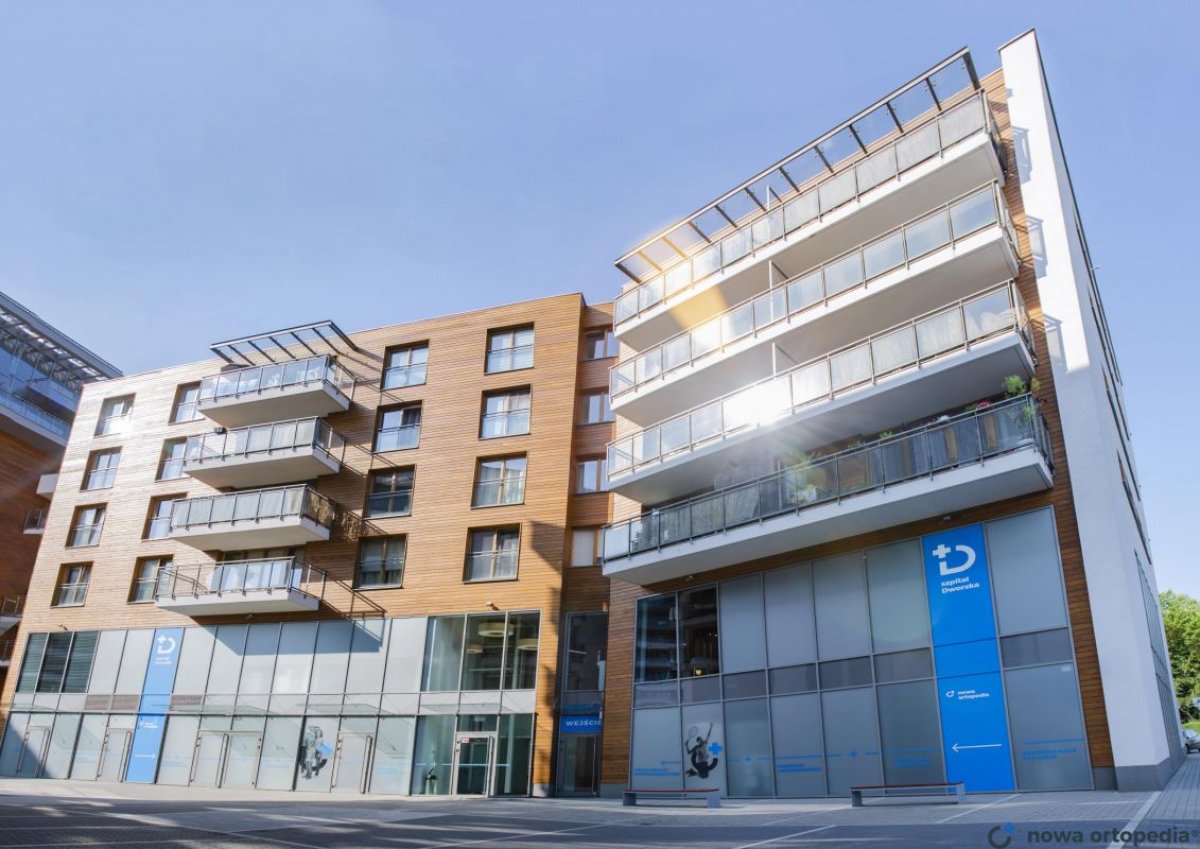
Nowa Ortopedia
Obtenga una evaluación médica de tratamiento de Desgarro de menisco en Polonia: haga una consulta con 24 médicos experimentados ahora
Ver todos los médicos
Janusz Kurek
El Dr. Janusz Kurek es cirujano ortopédico especializado en artroscopia, cirugía de trauma y lesiones deportivas. Se graduó en la Academia Médica Militar de Varsovia en 1986. Acumuló experiencia en el Hospital Bielański, el Hospital Czerniakowski y el American Medical Centre. Operó durante muchos años en el Centro Médico ATTIS. También colabora con Medicover y Luxmed.
Tiene amplia experiencia en artroscopia y terapias con plasma rico en plaquetas (PRP). Trata lesiones y trastornos de r

Jaroslaw Dawiskiba
El Dr. Dawiskiba ha realizado más de 1.100 procedimientos ortopédicos, especializándose en artroscopia de rodilla y hombro en KCM Clinic.
- _doctor_8594_años_ de experiencia en cirugía ortopédica
- Experto en reparaciones de menisco utilizando implantes de titanio y bioabsorbibles
- Dirige el Departamento de Ortopedia y Traumatología
- Evalúa personalmente cada caso para planes de tratamiento personalizados

Lukasz Luboinski
Más de 900 procedimientos realizados en ortopedia, especializado en problemas de rodilla – El Dr. Luboinski dirige el Departamento de Ortopedia en Carolina Medical Center.
- _doctor_1144_años_ de experiencia en ortopedia y traumatología
- Especializado en trasplante de menisco y reconstrucción de cartílago
- Fundador de la Sociedad Polaca de Artroscopia
- Consultor médico de equipos deportivos de élite, incluido el club de fútbol Legia

Jacek Laskowski
Más de 900 cirugías de cadera realizadas: el Dr. Laskowski fue pionero en el método BHR en Polonia, la técnica de reemplazo de cadera menos invasiva.
- Especializado en casos complejos, incluyendo revisiones y deformaciones
- Utiliza prótesis "hechas a medida" para un tratamiento personalizado
- Formado en instituciones de primer nivel como la Clínica Mayo en EE. UU.
- Autor de múltiples artículos de investigación en ortopedia
Reseñas
Todas las reseñasCompartir contenido
Historias en video de pacientes de Bookimed
 Olena Sikoza
Preguntas frecuentes sobre el tratamiento de Desgarro de menisco en Polonia
¿Es segura la cirugía de menisco en Polonia?
La cirugía de menisco en Polonia es segura. Sigue estrictos estándares médicos de la Unión Europea. La mayoría de los procedimientos se realizan por vía artroscópica para reducir los riesgos. Clínicas líderes como el Carolina Hospital son Centros Médicos de Excelencia de la FIFA. Mantienen certificaciones ISO 9001. Los cirujanos a menudo poseen credenciales de formación internacional.
- Tasas de éxito: Las reparaciones de menisco artroscópicas reportan una eficacia del 85% al 95%.
- Registros de seguridad: Los centros de oncología y ortopedia polacos reportan tasas de infección inferiores al 2%.
- Experiencia del cirujano: El Dr. Lukasz Luboinski es instructor internacional de técnicas artroscópicas.
- Estándares de las instalaciones: El Carolina Hospital es socio médico a largo plazo del Comité Olímpico.
Perspectiva del experto de Bookimed: Polonia es un centro de gran volumen. Ocupa el segundo lugar a nivel mundial en Bookimed con más de 9,200 solicitudes atendidas. Grandes instituciones como el Hospital Universitario de Cracovia tratan a 455,000 pacientes anualmente. Esta escala masiva asegura que los cirujanos mantengan habilidades técnicas precisas. Las clínicas privadas a menudo proporcionan equipos de habla inglesa para una comunicación más fluida.
Consenso de los pacientes: Los pacientes señalan que las clínicas
¿Cuánto tiempo debo permanecer en Polonia para una intervención de menisco y el seguimiento?
La mayoría de los pacientes permanecen en Polonia de 7 a 10 días para el tratamiento de menisco y el seguimiento. La cirugía artroscópica a menudo permite el alta el mismo día o tras una noche de estancia. Las reparaciones complejas o los trasplantes pueden requerir 2 noches de observación. Los chequeos finales y la autorización para viajar suelen ocurrir alrededor del día 7.
- Fase de diagnóstico: Resonancia magnética completa y consultas ortopédicas dentro de 1 a 2 días antes de la cirugía.
- Duración en el hospital: Estancia de 1 noche para una resección estándar o de 1 a 2 noches para una sutura.
- Periodo de recuperación: Planifique de 3 a 5 días para la curación inicial y la fisioterapia temprana.
- Autorización de viaje: Obtenga el permiso de vuelo de los cirujanos aproximadamente de 7 a 10 días después del procedimiento.
Perspectiva del experto de Bookimed: Los centros de alto volumen como el Hospital Carolina en Varsovia optimizan las estancias mediante diagnósticos de precisión. Su asociación con el Comité Olímpico Polaco enfatiza los protocolos de recuperación rápida. Aunque muchas clínicas sugieren 14 días, nuestros datos muestran que la mayoría de los pacientes internacionales regresan de forma segura el día 7. Esto es posible mediante el uso de impresión 3D y técnicas asistidas por robot para una mejor alineación articular.
¿Necesito una resonancia magnética completa de rodilla antes de viajar, o se puede realizar la imagen en Polonia?
Puede recibir una resonancia magnética de rodilla de alta resolución en Polonia. La mayoría de las clínicas privadas ofrecen imágenes en un plazo de 24 a 48 horas. Sin embargo, obtener un escaneo antes de viajar permite a los cirujanos revisar su caso con antelación. Esto garantiza que usted sea candidato para una reparación artroscópica antes de volar a Varsovia o Cracovia.
- Accesibilidad a las imágenes: Los centros privados polacos ofrecen resonancias magnéticas con tiempos de espera casi nulos para pacientes internacionales.
- Calidad diagnóstica: Centros líderes como el Carolina Hospital utilizan imágenes de alta resolución para una estadificación precisa de las roturas de menisco.
- Revisión previa al viaje: Compartir los escaneos realizados en su país con antelación ayuda a especialistas como el Dr. Lukasz Luboinski a planificar la cirugía.
- Rentabilidad: Los escaneos privados en Polonia son asequibles, generalmente entre 150 y 250 dólares.
Perspectiva del experto de Bookimed: Aunque la imagen local es de clase mundial, nuestros datos muestran un patrón logístico en centros de gran volumen como el Hospital de la Sagrada Familia. Estas clínicas gestionan flujos masivos de pacientes, lo que a menudo resulta en respuestas administrativas más lentas. Traer una resonancia magnética reciente les permite evitar la espera diagnóstica inicial y
¿Qué técnica quirúrgica se utiliza: extirpación, reparación o aumento biológico?
Los cirujanos en Polonia utilizan la meniscectomía artroscópica para la extirpación y suturas avanzadas para la reparación del menisco. Los especialistas suelen combinar estas técnicas con un aumento biológico, como el plasma rico en plaquetas, para acelerar la recuperación. Estos procedimientos mínimamente invasivos preservan la función articular y previenen el desgaste a largo plazo en pacientes activos.
- Meniscectomía artroscópica: Los cirujanos realizan la extirpación parcial de secciones de tejido dañado y no viable.
- Reparación de menisco: Los médicos utilizan suturas especializadas para volver a unir desgarros en zonas vasculares.
- Aumento biológico: El PRP o las células madre mejoran la curación en zonas de desgarro complejas.
- Trasplante de menisco: Clínicas especializadas ofrecen trasplantes de donantes para daños articulares graves e irreparables.
Perspectiva del experto de Bookimed: Aunque muchos pasan por alto las ayudas biológicas, los centros de medicina deportiva polacos como el Carolina Hospital integran terapias regenerativas. Expertos como el Dr. Andrzej Komor utilizan células madre incluso durante reparaciones estándar. Este enfoque es particularmente eficaz para desgarros en zonas con bajo suministro sanguíneo. Elegir una clínica que ofrezca esto como `complemento` puede mejorar la estabilidad articular a largo plazo.
¿Cuándo puedo volver al trabajo o volar a casa después de una cirugía de menisco?
Los pacientes suelen volar a casa de 2 a 7 días después de una meniscectomía. Las reparaciones de menisco requieren esperar de 1 a 2 semanas antes de viajar en avión. El trabajo de oficina es factible en un plazo de 3 a 10 días. El trabajo físico requiere de 4 a 8 semanas para la recuperación. Las clínicas polacas a menudo dan el alta a los pacientes en 24 horas.
- Ventana de viaje: Los vuelos cortos son generalmente seguros de 2 a 7 días después de la cirugía.
- Vuelos de larga distancia: Los cirujanos recomiendan esperar de 2 a 3 semanas para viajes internacionales.
- Trabajo de oficina: Las tareas remotas o de escritorio pueden reanudarse en 3 a 10 días.
- Trabajo físico: El trabajo manual generalmente requiere un período de recuperación de 4 a 8 semanas.
Perspectiva del experto de Bookimed: Los datos de los principales centros polacos como el Carolina Hospital y el The Holy Family Hospital muestran un gran volumen de casos internacionales. Las clínicas aquí a menudo programan consultas y escaneos de resonancia magnética inmediatamente al llegar para minimizar su estancia. Esta eficiencia permite a muchos pacientes de la Clínica KCM comenzar su viaje a casa solo 48 horas después de una meniscectomía estándar.
Consenso de los pacientes: Los pacientes señalan que las clínicas polacas frecuentemente proporcionan el alta
¿Tendré cicatrices visibles después de una cirugía artroscópica de menisco?
La cirugía artroscópica de menisco deja de dos a tres cicatrices mínimas. Por lo general, tienen de 1 a 2 centímetros de largo. Aunque son permanentes, suelen desvanecerse hasta convertirse en finas líneas plateadas en un plazo de 6 a 12 meses. La mayoría de los pacientes las encuentran casi invisibles sobre la piel circundante después de la curación completa.
- Colocación de portales: Se realizan dos o tres pequeñas incisiones alrededor de la parte frontal de la rodilla.
- Apariencia inicial: Las cicatrices pueden permanecer rojas o causar picazón durante los primeros tres meses.
- Cronología de curación: Las incisiones generalmente se aplanan y aclaran entre los 6 y 12 meses.
- Protección solar: Cubrir las cicatrices durante 6 meses evita el oscurecimiento local de la piel (hiperpigmentación).
Perspectiva del experto de Bookimed: Centros polacos líderes como el Hospital Carolina o el Hospital Universitario de Cracovia manejan volúmenes masivos de pacientes, alcanzando los 455,000 anuales. Esta alta frecuencia permite a cirujanos como el Dr. Jaroslaw Dawiskiba en la Clínica KCM perfeccionar las técnicas de «ojo de cerradura». La práctica frecuente asegura que las incisiones de los portales se coloquen con precisión, lo que contribuye directamente a la cicatrización mínima y la rápida recuperación reportadas por los pacientes internacionales.
¿Qué ciudades polacas tienen la mejor reputación para la artroscopia de rodilla?
Varsovia, Jelenia Góra y Rzeszów son las ciudades polacas líderes en artroscopia de rodilla. Varsovia sirve como el centro principal con centros certificados por la FIFA. Jelenia Góra atrae a pacientes internacionales con clínicas ortopédicas especializadas. Rzeszów es reconocida por sus altos volúmenes quirúrgicos y protocolos avanzados de medicina regenerativa.
- Experiencia en Varsovia: Sede del Carolina Medical Center, un Centro Médico de Excelencia de la FIFA para reconstrucciones.
- Instalaciones en Jelenia Góra: La Clínica KCM ofrece video-artroscopia mínimamente invasiva utilizando implantes bioabsorbibles avanzados.
- Rendimiento en Rzeszów: El Hospital Especializado Holy Family realiza más de 1,100 procedimientos artroscópicos anualmente.
- Capacidad en Cracovia: El Hospital Universitario atiende a más de 455,000 pacientes al año con un equipamiento extenso.
Perspectiva de expertos de Bookimed: Si bien Varsovia es el centro de prestigio, Rzeszów ofrece una eficiencia excepcional para los viajeros internacionales. Los datos muestran que el Hospital Especializado Holy Family coordina consultas y resonancias magnéticas para minimizar la duración de la estancia. Esta clínica obtuvo premios Bookimed específicamente por excelencia ortopédica y rehabilitación en 2019.
Consenso de los pacientes: Los pacientes señalan q
¿Qué tan alta es la calidad de la neurocirugía en Polonia?
La neurocirugía en Polonia ofrece atención de alta calidad en centros con certificación JCI e ISO. Los neurocirujanos polacos se adhieren a estrictos estándares de formación adoptados por la Unión Europea. Muchos han completado becas en Estados Unidos o Alemania. Tecnologías avanzadas, como CyberKnife, Gamma Knife y sistemas robóticos, están ampliamente disponibles en centros privados.
- Cualificaciones especializadas: Los médicos suelen ser miembros de la Asociación Europea de Sociedades de Neurocirugía.
- Tecnologías avanzadas: Las clínicas utilizan sistemas CyberKnife y ultrasonido enfocado guiado por resonancia magnética para el tratamiento cerebral no invasivo.
- Volumen clínico: Centros líderes como el Hospital Universitario de Cracovia tratan a más de 455.000 pacientes al año.
- Cirujanos experimentados: El Dr. Maciej Bujko del Hospital Carolina ha realizado más de 2.500 cirugías por su cuenta.
Opinión experta de Bookimed: Los datos muestran una fuerte correlación entre la especialización de una clínica y el origen de sus pacientes. La Clínica KCM atiende a más de 700 pacientes internacionales al año. Se especializa en cirugía de columna mínimamente invasiva. Este volumen de trabajo le permite ofrecer paquetes de servicios especializados, que a menudo incluyen bloques de diagnóstico e implantes específicos, como el DIAM de Medtronic.
¿Cuáles son las cualificaciones de los neurocirujanos polacos?
Los neurocirujanos polacos son especialistas altamente cualificados que han completado al menos 13 años de rigurosa formación médica. Esto incluye seis años de estudios de medicina, 13 meses de prácticas y seis años de residencia. Deben aprobar el Examen Estatal de Especialización (PES) y suelen estar certificados por la Asociación Europea de Sociedades de Neurocirugía (EANS).
- Educación: Los médicos reciben educación médica (medicina) después de 6 años de estudio en la universidad.
- Especialización: La residencia incluye 6 años de formación modular en neurocirugía clínica y neurorradiología.
- Volumen quirúrgico: Los residentes a menudo realizan más de 1.000 cirugías, lo que excede el volumen de capacitación promedio en otras regiones.
- Certificados: Muchos especialistas son miembros de AO Spine o de la Sociedad Polaca de Cirugía de Columna.
Opinión experta de Bookimed: Los datos muestran que los neurocirujanos polacos suelen especializarse en tecnologías altamente especializadas, como el sistema ApiFix o el sistema de endoscopia lumbar SED-YESS. Especialistas como el Dr. Stanisław Kwek, de la Clínica KCM, combinan la investigación postdoctoral con una práctica quirúrgica activa. Esta combinación de profundos conocimientos académicos y un alto volumen quirúrgico los hace especialmente eficaces en cirugías de columna complejas y mínimamente in
¿Cuáles son las mejores clínicas neuroquirúrgicas en Polonia?
Entre las mejores clínicas neuroquirúrgicas de Polonia se encuentran el Hospital Carolina, la Clínica KCM y centros académicos de primer nivel como el Hospital Universitario de Cracovia. Estas instituciones ofrecen tratamientos de vanguardia para enfermedades de la columna vertebral y el cerebro que cumplen con los estándares de calidad ISO y emplean a especialistas miembros de organizaciones internacionales como AO Spine.
- Hospital Carolina: Centro Médico de Excelencia FIFA, especializado en cirugías de columna complejas y mínimamente invasivas.
- Clínica KCM: Reconocida internacionalmente por la calidad de sus procedimientos endoscópicos de columna, atendiendo a más de 700 pacientes internacionales anualmente.
- Hospital Universitario de Cracovia: un gran centro multidisciplinario que realiza más de 800 operaciones neuroquirúrgicas al año desde 1788.
- Luxmed: un reconocido centro médico privado en Varsovia especializado en cirugía de columna avanzada para pacientes internacionales.
Opinión experta de Bookimed: Si bien muchos buscan los hospitales más grandes, los datos muestran que clínicas como el Hospital Carolina ofrecen mayor eficiencia para cirugías electivas. Con más de 40 médicos especialistas en este centro de 30 camas, la proporción médico-paciente es significativamente mayor que en los centros universitarios públicos. Esto se traduc