Desgarro de menisco en Alemania: las 16 mejores clínicas para su tratamiento


Revisado médicamente por
Fahad Mawlood
Cómo funciona
¿Cuál es el precio del diagnóstico y los tratamientos de Desgarro de menisco en Alemania? Descubra ahora
El costo total del tratamiento de desgarro de menisco en Alemania varía dependiendo de los procedimientos y servicios específicos involucrados. Las actualizaciones diagnósticas, que incluyen historial médico e imágenes, varían entre 6.500 € y 7.700 €. La intervención artroscópica tiene un precio entre 9.400 € y 14.100 €, mientras que la implantación de un menisco artificial cuesta entre 13.200 € y 17.000 €. La rehabilitación adicional durante dos semanas puede costar hasta 3.000 €. Una consulta por video, que incluye revisión médica remota y opinión de expertos, está disponible por 710 €.
| Alemania | España | Turquía | |
|---|---|---|---|
| Meniscectomía artroscópica | de $4,000 | de $9,800 | de $2,500 |
| Inyección de rodilla guiada por imágenes | ≈ $190 | ≈ $230 | ≈ $140 |
| Fisioterapia | de $330 | de $120 | de $150 |
| Artroscopia | de $5,600 | ≈ $3,600 | de $4,500 |
Descubra las mejores clínicas de tratamiento de Desgarro de menisco en Alemania: 16 opciones verificadas y Precios



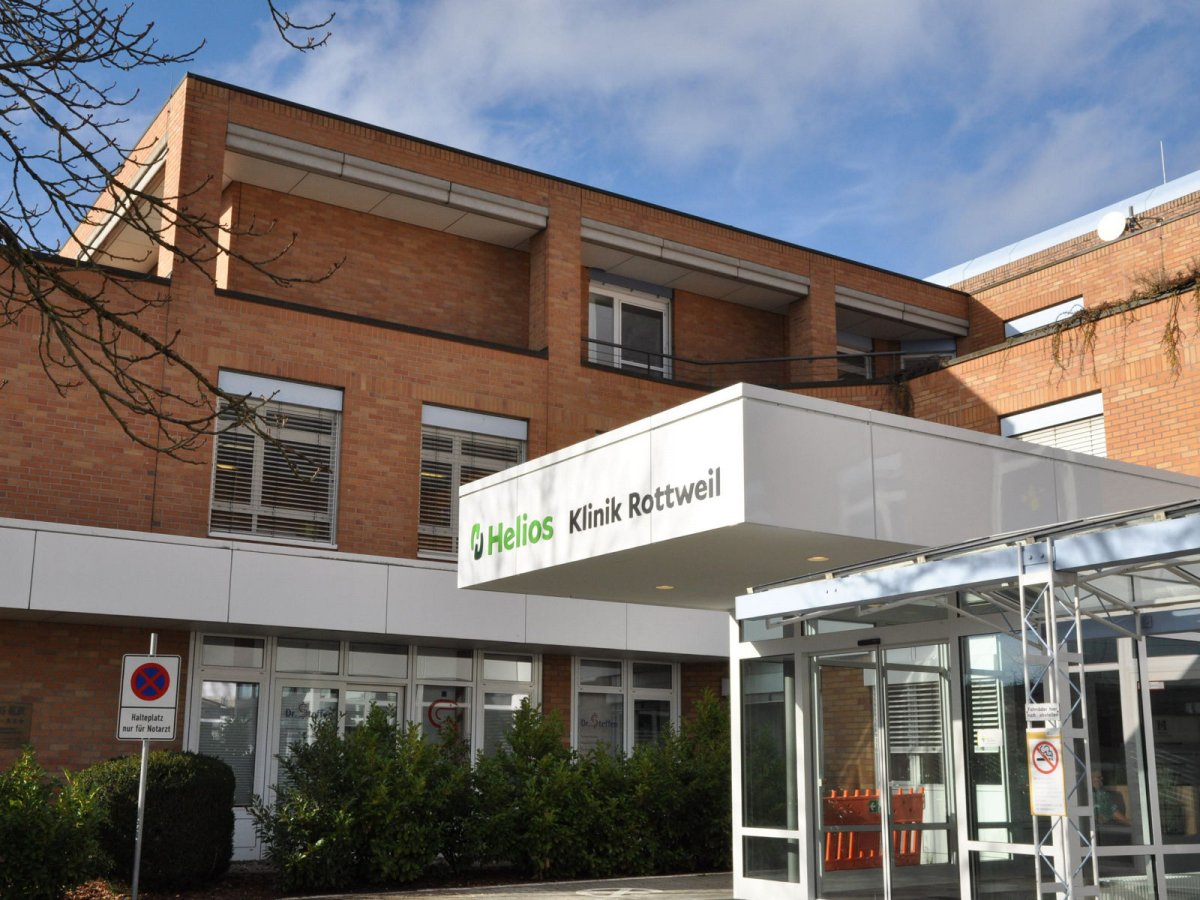


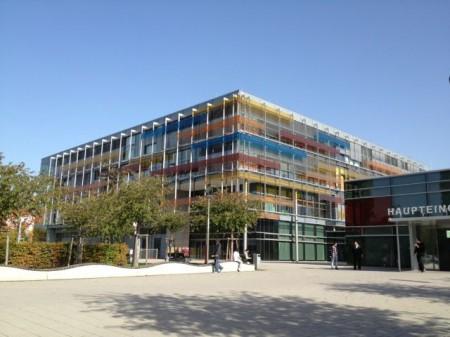
University Hospital in Haydelberge

Hannover Medical School

Leopoldina Hospital Schweinfurt
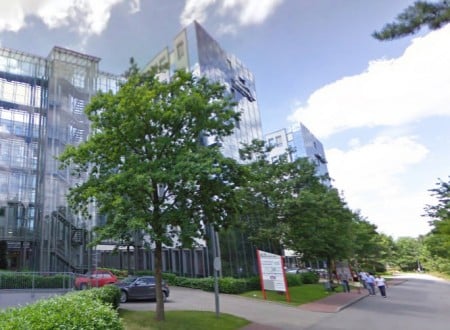
Center of Orthopaedic Surgery and Traumatology Dr. Attmanspaher





Obtenga una evaluación médica para Desgarro de menisco en Alemania: consulte con doctores experimentados ahora
Ver todos los médicos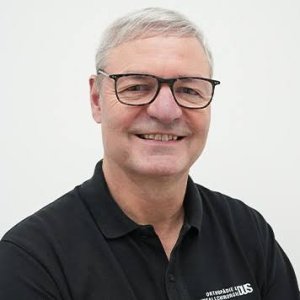
Markus Granrath
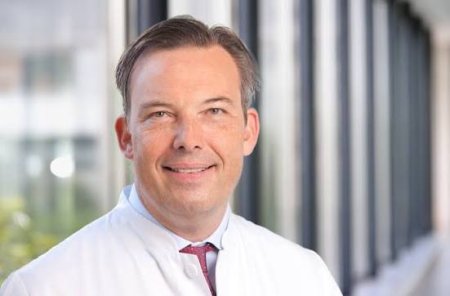
Markus Graf

Sven Rogmans
El Dr. Rogmans se especializa en tratamientos articulares mínimamente invasivos con 26 años de experiencia en la Clínica Nordwest.
- Experto en cirugía artroscópica para lesiones deportivas
- Se centra en tratamientos conservadores y operativos de la artrosis
- Graduado por la Universidad Ruprecht-Karl de Heidelberg
- Publicaciones nacionales e internacionales sobre ortopedia
Compartir contenido
Historias en video de pacientes de Bookimed
 Olena Sikoza
Preguntas frecuentes sobre el tratamiento de Desgarro de menisco en Alemania
¿Es segura la cirugía de menisco en Alemania y cuáles son los principales riesgos?
La cirugía de menisco en Alemania sigue siendo altamente segura, con tasas de éxito de entre el 85 % y el 95 %. Los especialistas ortopédicos alemanes priorizan la preservación del menisco mediante técnicas artroscópicas avanzadas. Centros líderes como el Medical Center en Solingen y la Clínica Nordwest reportan altos estándares de seguridad en entornos acreditados por la JCI o certificados por TÜV.
- Éxito quirúrgico: El éxito de la reparación artroscópica suele oscilar entre el 85 % y el 95 %.
- Riesgo de infección: Las infecciones profundas del sitio quirúrgico ocurren en aproximadamente el 0,07 % de los casos.
- Seguridad nerviosa: El riesgo de lesión del nervio safeno se mantiene entre el 1 % y el 9 % durante las reparaciones.
- Prevención de trombosis: El riesgo de embolia pulmonar es bajo, aproximadamente del 0,078 % después de la cirugía.
Perspectiva del experto de Bookimed: Aunque muchos pacientes buscan atención ortopédica general, elegir un hospital universitario como la Escuela de Medicina de Hannover o el Hospital Universitario de Heidelberg ofrece una ventaja única. Estas instituciones realizan más de 38 000 operaciones al año e integran las últimas investigaciones científicas en la práctica clínica. Este alto volumen a menudo se traduce en técnicas quirúrgicas más refinadas y menores riesgos de re-rotura en comparación con instal
¿Cuánto tiempo necesitaré permanecer en Alemania para el tratamiento de una rotura de menisco y cómo es el proceso de atención típico?
Los pacientes suelen permanecer en Alemania de 7 a 14 días para el tratamiento de menisco. Este periodo cubre el diagnóstico preoperatorio por resonancia magnética, la cirugía artroscópica y la fisioterapia inicial. La mayoría de los procedimientos son mínimamente invasivos. Las estancias hospitalarias suelen durar de 1 a 3 días, dependiendo de la complejidad de la reparación.
- Fase de diagnóstico: La resonancia magnética y las consultas ortopédicas suelen concluir en 1 o 2 días.
- Duración de la cirugía: Los procedimientos artroscópicos utilizan incisiones de 5 mm y duran de 30 a 60 minutos.
- Hospitalización: La monitorización hospitalaria suele durar de 1 a 3 días para la mayoría de los pacientes.
- Recuperación inicial: La fisioterapia y la profilaxis de la trombosis comienzan inmediatamente para garantizar la movilidad.
- Capacidad para viajar: La mayoría de los pacientes reciben el alta para viajar en avión de 5 a 7 días después de la cirugía.
Perspectiva del experto de Bookimed: Aunque muchos piensan que la cirugía es la única opción, los especialistas alemanes como el Dr. Sven Rogmans de la Clínica Nordwest priorizan primero el tratamiento conservador. Los datos muestran que muchos cirujanos alemanes tratan con éxito aproximadamente el 70% de los casos sin cirugía. Si se requiere cirugía, elegir hospitales como
¿Tendré cicatrices visibles después de una cirugía artroscópica de menisco, y existen opciones sin puntos o de portal único en Alemania?
La cirugía artroscópica de menisco en Alemania suele dejar cicatrices mínimas de aproximadamente 1 a 2 cm de largo. Las técnicas de precisión a menudo utilizan incisiones tan pequeñas como de 3 a 5 mm. Estas pequeñas marcas de acceso generalmente se desvanecen hasta convertirse en líneas tenues en un plazo de 6 a 12 meses. La mayoría de los pacientes obtienen excelentes resultados estéticos.
- Tamaño de la incisión: Los portales generalmente miden de 1 a 2 cm para una artroscopia estándar.
- Cierre de la herida: Los cirujanos alemanes suelen utilizar pegamento dermabond sin sutura o tiras adhesivas.
- Número de portales: Las reparaciones estándar requieren dos portales para la cámara y los instrumentos.
- Manejo de cicatrices: Los especialistas recomiendan láminas de silicona y protección solar durante 12 meses.
Perspectiva de expertos de Bookimed: Los grandes centros académicos alemanes, como el Centro Médico de Solingen, tratan a más de 60.000 pacientes al año. Esta escala masiva a menudo se correlaciona con técnicas mínimamente invasivas refinadas. Cirujanos como el Dr. Sven Rogmans en la Clínica Nordwest poseen certificaciones específicas en cirugía de miembros inferiores. Esta experiencia enfocada generalmente garantiza incisiones más pequeñas y una colocación más precisa de los portales.
Consenso de los pacientes:
¿Cuándo puedo retomar el deporte o el trabajo pesado después de un tratamiento de menisco en Alemania?
El regreso al deporte o al trabajo pesado en Alemania depende del tipo de procedimiento. Los pacientes de meniscectomía a menudo reanudan el ejercicio ligero en 1 semana y las actividades extenuantes en 3 a 6 semanas. Las reparaciones de menisco requieren de 4 a 6 meses para deportes intensos o trabajo físico.
- Deporte tras meniscectomía: El ciclismo suave suele comenzar 1 semana después de la cirugía.
- Deporte tras reparación: Los deportes de impacto como el fútbol requieren de 4 a 6 meses.
- Trabajo de oficina: La mayoría de los pacientes regresan a sus trabajos de escritorio en 1 a 4 semanas.
- Trabajo pesado: El trabajo físico generalmente requiere esperar de 3 a 6 meses.
Perspectiva de expertos de Bookimed: Aunque muchos esperan una recuperación más rápida, clínicas como el Complejo Clínico de Renania del Norte-Westfalia se centran en el volumen y la ortopedia especializada para perfeccionar estos plazos. Los datos muestran que los centros alemanes que priorizan la fisioterapia ambulatoria intensiva a menudo ayudan a los pacientes a alcanzar los hitos de fuerza más rápidamente. El Dr. Sven Rogmans de la Clínica Nordwest se especializa en técnicas artroscópicas avanzadas que pueden influir en estos objetivos de recuperación específicos.
Consenso de los pacientes: Los pacientes enfatizan la importancia de cumplir co
¿Qué cualificaciones tienen los cirujanos ortopédicos alemanes y realizan muchas operaciones de menisco cada año?
Los cirujanos ortopédicos alemanes deben completar seis años de estudios de medicina y seis años de residencia especializada. Deben aprobar el Examen Estatal (Staatsexamen) para ejercer. Alemania realiza más de 300.000 artroscopias de rodilla al año. Esto lo convierte en un centro global de alto volumen para reparaciones de menisco.
- Formación especializada: Los cirujanos completan un programa de residencia combinado en Ortopedia y Cirugía de Trauma.
- Experiencia clínica: La residencia incluye dos años de cirugía básica y cuatro años de especialización.
- Volumen quirúrgico: Aproximadamente el 80% de las lesiones de menisco en Alemania reciben tratamiento quirúrgico.
- Estándares de certificación: La Asociación Médica Alemana establece estrictos recuentos mínimos de procedimientos para la elegibilidad de la junta.
Perspectiva de expertos de Bookimed: La revista Focus clasifica constantemente al Centro Médico de Solingen entre los mejores proveedores ortopédicos de Alemania. Esta clínica atiende a 60.000 pacientes al año en 15 departamentos especializados. Los altos volúmenes de pacientes sugieren que los cirujanos allí mantienen una destreza manual excepcional a través de la práctica repetitiva diaria. Para los desgarros de menisco, este nivel de rutina generalmente se traduce en tiempos de operación más cortos y una preservación de tejido má
¿Qué enfoques prefieren los cirujanos alemanes: reparación de menisco o extirpación parcial, y cómo deciden?
Los cirujanos alemanes priorizan la preservación del menisco, favoreciendo la reparación sobre la extirpación siempre que sea posible para prevenir la artrosis futura. Las reparaciones han aumentado un 55% a medida que los especialistas se enfocan en la zona roja vascularizada para una mejor curación. La extirpación parcial se reserva para desgarros complejos y degenerativos en la zona blanca no vascularizada.
- Estado vascular: Los cirujanos priorizan la reparación de desgarros en la zona roja con alto suministro de sangre.
- Antigüedad del desgarro: Las lesiones recientes de menos de 6 semanas son candidatas ideales para una sutura exitosa.
- Actividad del paciente: Los atletas de alto impacto y los pacientes menores de 45 años suelen recibir recomendaciones de reparación.
- Evaluación intraoperatoria: Las decisiones finales se toman durante la artroscopia para evaluar la estabilidad y calidad real del tejido.
Perspectiva de expertos de Bookimed: Aunque muchos asocian los centros académicos de gran volumen con la rapidez quirúrgica, los datos de importantes instituciones alemanas como el Hospital Asklepios Barmbek y el Hospital Universitario de Heidelberg muestran una tendencia diferente. Estos centros, que atienden a más de 80,000 pacientes al año, utilizan su gran volumen para perfeccionar primero los protocolos conservadores no quirúrgicos
¿Necesitaré fisioterapia después de una artroscopia y está incluida en el paquete de tratamiento en los hospitales alemanes?
La fisioterapia es esencial después de un tratamiento artroscópico de menisco en Alemania para restaurar la movilidad y la fuerza. La mayoría de los hospitales incluyen las sesiones iniciales de hospitalización dentro de la tarifa quirúrgica interna. Una vez dado de alta, los pacientes deben obtener una receta médica para la rehabilitación ambulatoria, que generalmente está cubierta por el seguro.
- Cobertura hospitalaria: Los hospitales comienzan las sesiones de terapia junto a la cama dentro de las 24 a 48 horas posteriores a la cirugía.
- Atención post-alta: Las sesiones ambulatorias requieren una receta (Heilmittelverordnung) de su especialista o médico de cabecera.
- Reglas del seguro: El seguro público a menudo cubre las sesiones con un copago del 10% y una tarifa nominal.
- Cronograma de recuperación: Las resecciones simples de menisco requieren de 4 a 6 semanas, mientras que las reparaciones complejas necesitan de 3 a 6 meses.
Perspectiva del experto de Bookimed: Las clínicas alemanas como la Clínica Nordwest o el Complejo Clínico de Renania del Norte-Westfalia manejan volúmenes masivos de pacientes, a menudo superando los 60,000 anuales. Este alto rendimiento significa que el alta ocurre rápidamente, a veces dentro de las 48 horas. Nuestros datos sugieren que debe organizar sus citas de fisioterapia ambulatoria antes de la fecha de su
¿Qué hospitales en Alemania tienen las calificaciones más altas en neurocirugía?
Alemania alberga algunos de los departamentos de neurocirugía más prestigiosos del mundo, liderados por la Charité – Universitätsmedizin Berlin y el Hospital Universitario de Heidelberg. Estos centros destacan en el tratamiento de tumores cerebrales complejos y enfermedades cerebrovasculares. Para maximizar la eficacia de sus procedimientos, utilizan tecnologías de vanguardia como la resonancia magnética intraoperatoria y la neuronavegación asistida por computadora.
- Charité Berlín: Realiza más de 5000 cirugías al año. La clínica está dirigida por el reconocido neurocirujano Dr. Peter Vaikoczy.
- Centro Médico Solingen: El Dr. Ralf Buhl ha realizado más de 4.000 cirugías, incluidas cirugías de columna mínimamente invasivas.
- Clínica Asklepios Nord: equipada con el único sistema de resonancia magnética intraoperatoria bilateral de Alemania para garantizar precisión quirúrgica en tiempo real durante la extirpación del tumor.
- Clínica Nordwest: reconocida por la revista Newsweek como un hospital líder por su innovación en tecnología de ultrasonido 3D.
Opinión experta de Bookimed: Los datos muestran que elegir centros con un alto volumen quirúrgico suele llevar a recomendaciones de tratamiento más conservadoras. En el Centro Médico Solingen, que atiende a más de 60.000 pacientes al año, los cirujanos suelen sugerir fisioterapia en lugar de cirugía
¿Cuáles son las tasas de éxito de los procedimientos neuroquirúrgicos complejos en Alemania?
En Alemania, los procedimientos neuroquirúrgicos de alta complejidad demuestran una seguridad excepcional. Las tasas de éxito en las fusiones espinales alcanzan el 99 %. La tasa de supervivencia en las resecciones de tumores cerebrales primarios es del 97 %. La independencia funcional es alta. Más del 82 % de los pacientes reciben el alta inmediatamente después del tratamiento. Los centros alemanes priorizan la preservación de la función neurológica mediante técnicas modernas de mapeo.
- Resección de tumores: los cirujanos logran una resección tumoral completa en el 87,2% de los casos de metástasis cerebrales.
- Éxito en el tratamiento de enfermedades vasculares: los hospitales alemanes informan de una tasa de supervivencia del 98,7% para aneurismas no rotos.
- Mejora del estado neurológico: casi el 43% de los pacientes experimentan una mejora de los parámetros funcionales después de resecciones complejas.
- Seguridad de las intervenciones quirúrgicas: En grandes centros quirúrgicos, las tasas de supervivencia de los pacientes después de la cirugía de columna son del 98-99%.
Opinión experta de Bookimed: Cirujanos experimentados como el Dr. Uwe Köhler, de la Clínica Asklepios Altona, realizan más de 2000 cirugías al año. Los datos muestran que estos especialistas mantienen tasas de éxito de hasta el 90 %, incluso en los tumores cerebrales más comp
¿Qué tecnologías avanzadas suelen estar disponibles en las clínicas neuroquirúrgicas alemanas?
Las clínicas neuroquirúrgicas alemanas incorporan regularmente instrumentos digitales de alta precisión y visualización en tiempo real a la práctica quirúrgica. Entre las tecnologías clave se encuentra la neuronavegación computarizada para cirugías de cerebro y médula espinal. Instituciones como la Clínica Asklepios Nord utilizan la resonancia magnética intraoperatoria para verificar la extirpación de tumores en tiempo real. Estos sistemas proporcionan a los cirujanos navegación GPS 3D.
- Neuronavegación: proporciona visualización 3D y seguimiento de instrumentos en tiempo real para lograr precisión quirúrgica hasta el nivel submilimétrico.
- Imágenes intraoperatorias: sistemas como iMRI y O-arm CT permiten la confirmación inmediata de una resección exitosa.
- Neuromonitorización: Monitorea las funciones motoras y sensoriales durante la cirugía para proteger el sistema nervioso.
- Diagnóstico de fluorescencia: se utiliza el colorante 5-ALA para resaltar los bordes del tumor para una eliminación más completa.
- Asistencia robótica: Sistemas como el Da Vinci mejoran la precisión en procedimientos complejos y mínimamente invasivos.
Opinión experta de Bookimed: Grandes centros como la Charité – Universitätsmedizin de Berlín realizan más de 4000 procedimientos neuroquirúrgicos al año, lo que crea un entorno rico en datos para p