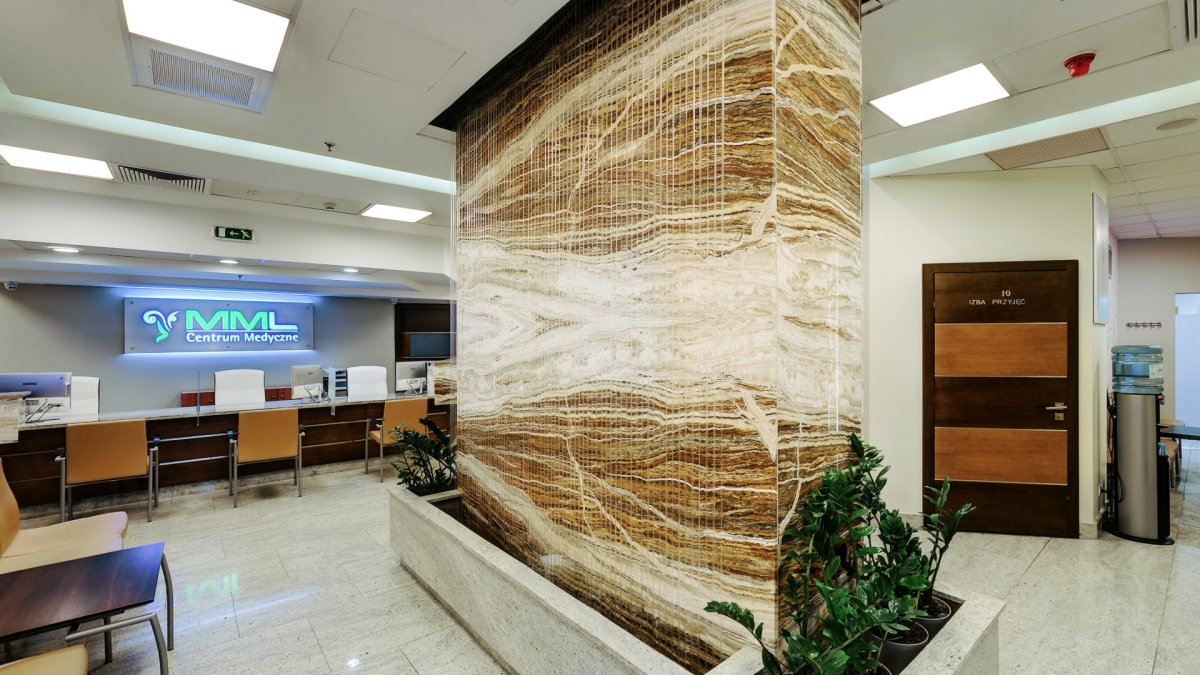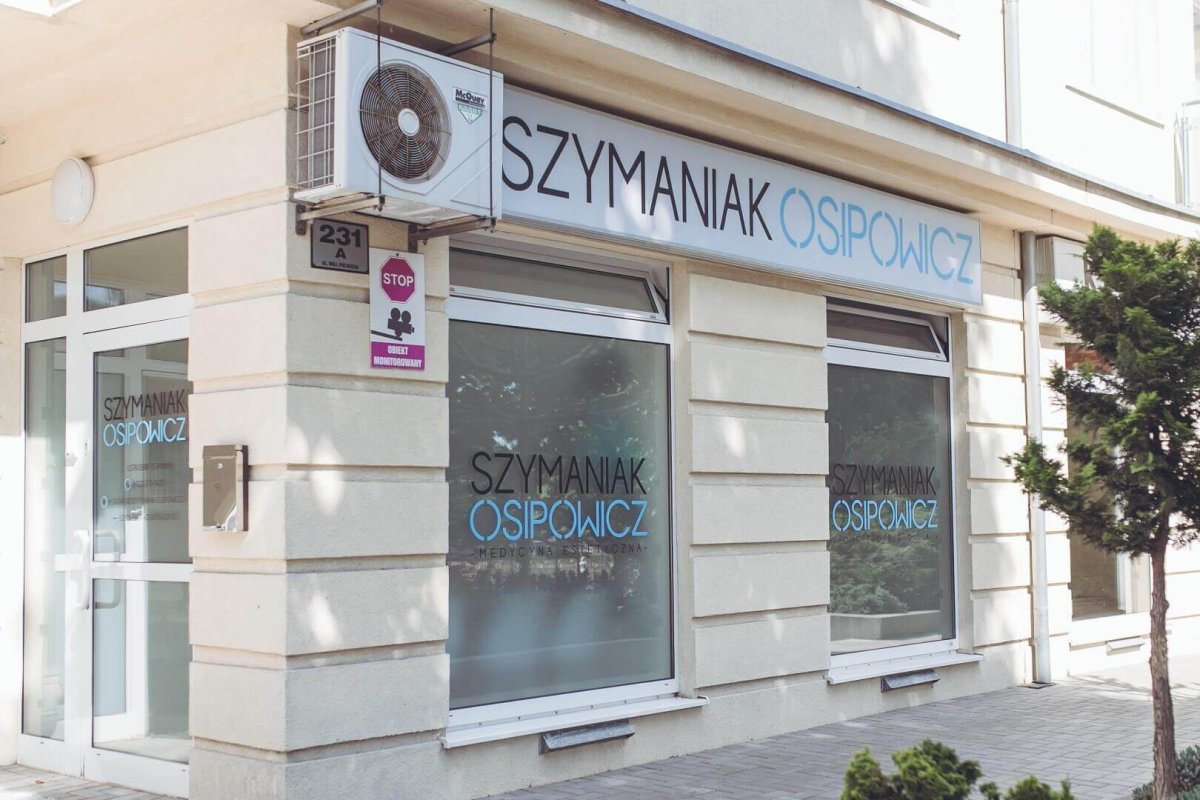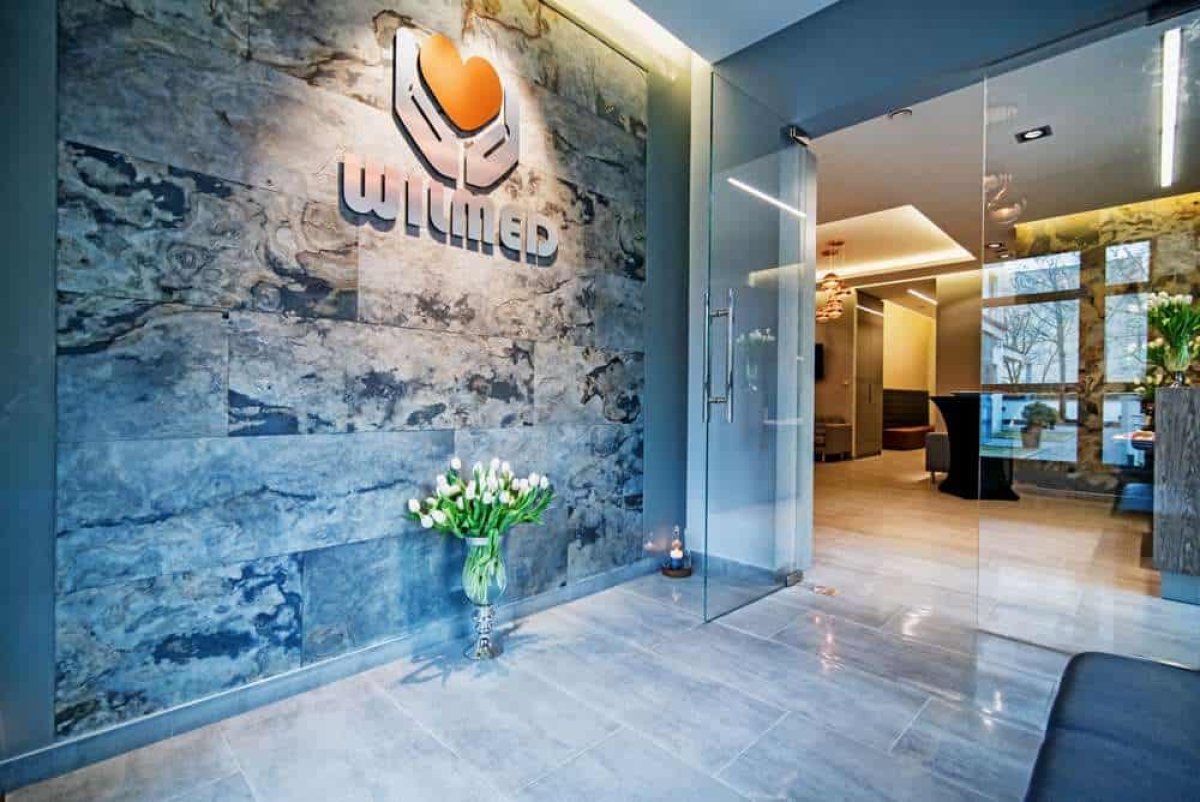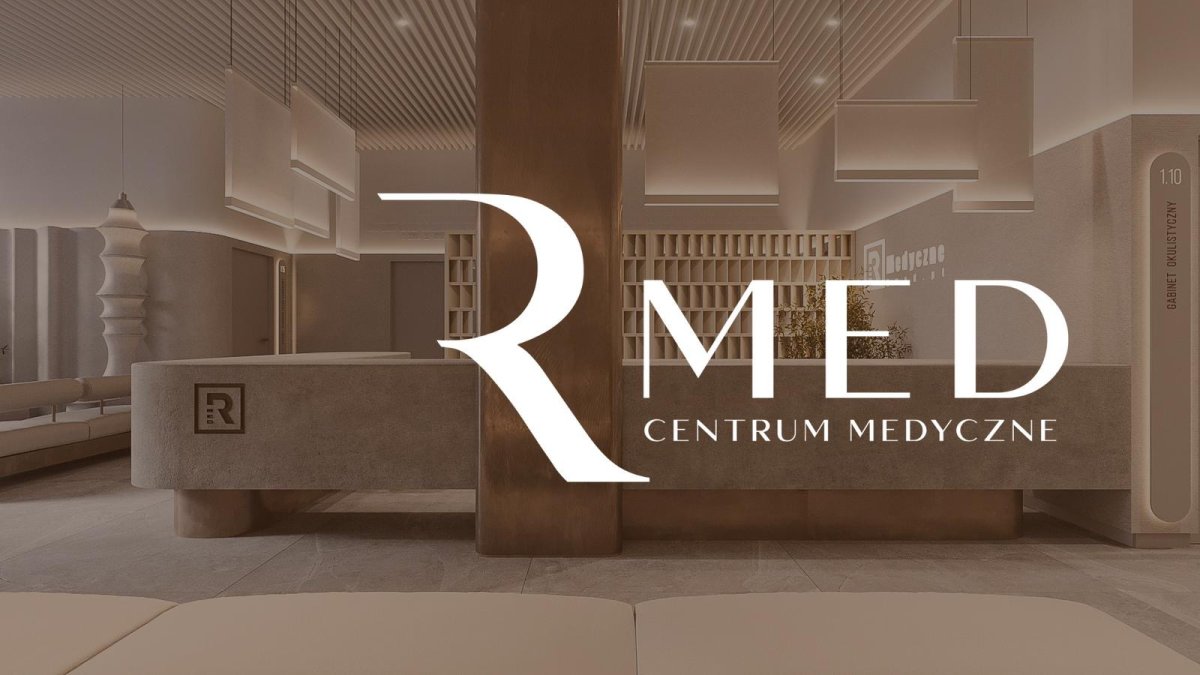
Rmed Kopernika
Polonia, Łódź


Revisado médicamente por
Fahad Mawlood
De $130. Los precios varían según la clínica, la experiencia del cirujano, la cantidad de lunares y si la extirpación es quirúrgica o mediante técnicas láser. En Estados Unidos, el precio promedio es $2,000 (según la Academia Americana de Dermatología). Esto significa que la extirpación de lunares atípicos en Polonia es aproximadamente un 94% menos costosa que en EE. UU.
Las clínicas polacas suelen incluir la consulta inicial, análisis de sangre preoperatorios, medicación postoperatoria, visitas de seguimiento, personal que habla inglés, comidas durante las visitas a la clínica y atención al paciente las 24 horas. En EE. UU., el precio indicado suele cubrir solo la extirpación, con cargos adicionales por patología, anestesia y cuidados posteriores. Siempre confirmar qué está incluido con la clínica elegida.
| Polonia | España | Estados Unidos | |
|---|---|---|---|
| Eliminación de lunares atípicos | de $130 | de $1,100 | ≈ $1,500 |
Bookimed no añade cargos adicionales a los precios de Eliminación de lunares atípicos. Las tarifas proceden de las listas de precios oficiales de las clínicas. Pagará directamente en la clínica por su Eliminación de lunares atípicos a su llegada al país.
Bookimed está comprometido con su seguridad. Solo trabajamos con las clínicas que mantienen altos estándares internacionales en Eliminación de lunares atípicos y tienen las licencias necesarias para atender a pacientes internacionales en todo el mundo.
Bookimed ofrece asistencia experta gratuita. Un coordinador médico personal le apoya antes, durante y después del tratamiento, resolviendo cualquier problema. Nunca estará solo en su viaje médico de Eliminación de lunares atípicos.

Día 1 – Llegada
Día 2 – Preoperatorio
Día 3 – Eliminación de lunares atípicos
Día 4 – Postoperatorio
Semana 1 – Rehabilitación
Semana 2 – Rehabilitación
Semana 3 – Rehabilitación
Tenga en cuenta que el tiempo de recuperación de cada paciente puede variar según las circunstancias individuales y los detalles del procedimiento de eliminación de lunares.

 Olena Sikoza
La extirpación de lunares atípicos en Polonia es segura y sigue los protocolos estandarizados de la Unión Europea. Los cirujanos utilizan la biopsia por escisión con márgenes para garantizar la eliminación completa de la lesión. Las instalaciones privadas como RMED Kopernika utilizan tecnología moderna. El examen histopatológico sigue siendo el procedimiento estándar para verificar márgenes limpios y descartar malignidad.
Perspectiva del experto de Bookimed: Aunque Polonia ocupa el tercer lugar a nivel mundial en nuestras solicitudes médicas, la infraestructura de sus clínicas privadas es excepcionalmente eficiente. RMED Kopernika atiende a 6.000 pacientes al año con un personal de 30 médicos. Este alto volumen de pacientes a menudo conduce a tiempos de respuesta de laboratorio más rápidos para las biopsias. Los resultados rápidos son fundamentales para la tranquilidad del paciente durante las pruebas de detecci
Cualquier procedimiento que rompa la superficie de la piel causa algún tipo de cicatriz. La visibilidad depende de la técnica, el tamaño del lunar y la ubicación anatómica. Los dermatólogos polacos utilizan métodos avanzados de láser, afeitado o escisión quirúrgica. Estos reducen las marcas a pequeñas líneas blancas o manchas hipopigmentadas planas a lo largo de varios meses.
Perspectiva del experto de Bookimed: Las clínicas polacas como RMED Kopernika atienden a 6.000 pacientes al año y se centran en la precisión patológica. Para lunares atípicos, priorice las biopsias con sacabocados sobre los tratamientos con láser. Esto garantiza márgenes claros a pesar de una cicatriz ligeramente más grande que los métodos superficiales. Los márgenes precisos son más importantes que minimizar la marca inicial para la salud a largo plazo.
Consenso de los pacientes: Muchos e
La extirpación de lunares atípicos en Polonia es un procedimiento indoloro que se realiza bajo anestesia local. Los cirujanos utilizan la escisión quirúrgica para eliminar el lunar y un margen de seguridad. Luego, el sitio se cierra con puntos de sutura finos. Sentirá presión o tirones, pero no sensaciones agudas durante el proceso.
Perspectiva del experto de Bookimed: Polonia ha ascendido al tercer lugar en nuestro ranking mundial de solicitudes médicas. Esto se debe a que clínicas como RMED Kopernika gestionan un alto volumen de pacientes de 6.000 al año. Sus cirujanos suelen realizar estas extirpaciones a diario. Esta alta frecuencia ayuda a garantizar resultados estéticos precisos y protocolos de recuperación eficientes para los visitantes internacionales.
La extirpación de un lunar atípico en Polonia requiere normalmente de 10 a 14 días para la curación superficial inicial. La remodelación completa del tejido interno lleva de 6 a 8 semanas. El cuidado posterior implica mantener la zona seca durante 48 horas y evitar actividades extenuantes para prevenir la dehiscencia de la herida.
Perspectiva de expertos de Bookimed: Polonia es uno de los 3 principales destinos para solicitudes médicas en nuestra plataforma. Clínicas como RMED Kopernika atienden a 6.000 pacientes al año. El gran volumen de pacientes significa que los dermatólogos polacos suelen detectar características atípicas más rápidamente. Por lo general, utilizan la escisión quirúrgica en lugar del afeitado. Esto garantiza márgenes claros y mejora la precisión diagnóstica durante la biopsia.
Consenso de los pacientes: Los pacientes destacan que, aunque
Los candidatos ideales para la extirpación de lunares atípicos en Polonia incluyen personas con lesiones que muestran signos ABCDE: asimetría, bordes irregulares, variación de color o un diámetro superior a 6 mm. Los pacientes con antecedentes personales o familiares de cáncer de piel o síndrome de nevus displásicos múltiples deben priorizar la extirpación de crecimientos sospechosos.
Perspectiva del experto de Bookimed: Polonia se ha convertido en uno de los 3 principales destinos mundiales para procedimientos dermatológicos debido al alto volumen clínico. RMED Kopernika en Lodz trata a 6,000 pacientes al año a pesar de tener solo 30 médicos. Esta alta proporción de pacientes por médico a menudo significa que los cirujanos ven casos atípicos más complejos a diario que los especialistas generales en otros lugares.
Consenso de los pacientes: Los pacientes enfati
Puede combinar una revisión de lunares de cuerpo completo con la eliminación en una sola visita en Polonia. Los dermatólogos utilizan la dermatoscopia para examinar todos los lunares primero. A menudo realizan una escisión o biopsia inmediata para cualquier lesión sospechosa o atípica identificada durante esa misma cita.
Perspectiva del experto de Bookimed: Polonia es un destino de gran volumen con 86 clínicas, incluidos centros especializados como RMED Kopernika que atienden a 6.000 pacientes al año. Aunque el cribado y la eliminación a menudo ocurren juntos, los resultados patomorfológicos suelen tardar de 7 a 14 días. Si viaja, asegúrese de que la clínica pueda proporcionar informes de patología digitales por correo electrónico para evitar un segundo viaje.
Consenso de los pacientes: Muchos pacientes aprecian ahorrar ti
Los principales hospitales oncológicos polacos y los grandes centros privados mantienen unidades de histopatología en sus instalaciones. Sin embargo, muchas clínicas ambulatorias recolectan muestras de biopsia y las transfieren a laboratorios externos. Instalaciones como el Centro Oncológico de Wielkopolska ofrecen diagnósticos intraoperatorios, mientras que las clínicas más pequeñas utilizan redes centralizadas como Diagnostyka Consilio para el análisis de tejidos.
Perspectiva de expertos de Bookimed: Aunque los pacientes a menudo buscan laboratorios in situ por rapidez, el tiempo de respuesta estándar en Polonia sigue siendo de 7 a 14 días. Nuestros registros muestran que las clínicas en ciudades como Lodz atienden a 6,000 pacientes anualmente confiando en una logística de laboratorio externa establecida. Debe p
La neurocirugía en Polonia ofrece atención de alta calidad en centros con certificación JCI e ISO. Los neurocirujanos polacos se adhieren a estrictos estándares de formación adoptados por la Unión Europea. Muchos han completado becas en Estados Unidos o Alemania. Tecnologías avanzadas, como CyberKnife, Gamma Knife y sistemas robóticos, están ampliamente disponibles en centros privados.
Opinión experta de Bookimed: Los datos muestran una fuerte correlación entre la especialización de una clínica y el origen de sus pacientes. La Clínica KCM atiende a más de 700 pacientes internacionales al año. Se especializa en cirugía de columna mínimamente invasiva. Este volumen de trabajo le permite ofrecer paquetes de servicios especializados, que a menudo incluyen bloques de diagnóstico e implantes específicos, como el DIAM de Medtronic.
Los neurocirujanos polacos son especialistas altamente cualificados que han completado al menos 13 años de rigurosa formación médica. Esto incluye seis años de estudios de medicina, 13 meses de prácticas y seis años de residencia. Deben aprobar el Examen Estatal de Especialización (PES) y suelen estar certificados por la Asociación Europea de Sociedades de Neurocirugía (EANS).
Opinión experta de Bookimed: Los datos muestran que los neurocirujanos polacos suelen especializarse en tecnologías altamente especializadas, como el sistema ApiFix o el sistema de endoscopia lumbar SED-YESS. Especialistas como el Dr. Stanisław Kwek, de la Clínica KCM, combinan la investigación postdoctoral con una práctica quirúrgica activa. Esta combinación de profundos conocimientos académicos y un alto volumen quirúrgico los hace especialmente eficaces en cirugías de columna complejas y mínimamente in
Entre las mejores clínicas neuroquirúrgicas de Polonia se encuentran el Hospital Carolina, la Clínica KCM y centros académicos de primer nivel como el Hospital Universitario de Cracovia. Estas instituciones ofrecen tratamientos de vanguardia para enfermedades de la columna vertebral y el cerebro que cumplen con los estándares de calidad ISO y emplean a especialistas miembros de organizaciones internacionales como AO Spine.
Opinión experta de Bookimed: Si bien muchos buscan los hospitales más grandes, los datos muestran que clínicas como el Hospital Carolina ofrecen mayor eficiencia para cirugías electivas. Con más de 40 médicos especialistas en este centro de 30 camas, la proporción médico-paciente es significativamente mayor que en los centros universitarios públicos. Esto se traduc