Regeneración ósea dental en Polonia — obtén 3 clínicas con costos


Revisado médicamente por
Fahad Mawlood
¿Cuál es el precio de Regeneración ósea dental en Polonia? Descubra ahora
El costo de la regeneración ósea dental en Polonia suele oscilar de $1,100 a $1,900. El precio depende del material del injerto (sintético, bovino o autógeno), el tamaño del defecto y la experiencia de la clínica. UU.
Las clínicas polacas suelen incluir en el precio la consulta inicial, radiografías digitales o tomografías CBCT, anestesia local, material de injerto óseo, colocación de membrana (reabsorbible o no reabsorbible) y visitas de seguimiento. En EE. UU., los costos a menudo cubren solo el injerto y la cirugía, mientras que los diagnósticos, la sedación y las membranas se facturan por separado. Siempre confirmar qué está incluido en el plan de tratamiento antes de reservar.
Beneficios clave
- Ahorra hasta un 60% en la regeneración ósea dental en Polonia en comparación con los EE.UU.
- Opciones principales: hueso autógeno, injerto de hueso sintético, y Bio-Oss®.
- Revisión gratuita de fotos por un médico para determinar la mejor técnica de regeneración ósea para ti.
- Garantía disponible en ofertas selectas.
- Acceso a ofertas exclusivas de clínicas polacas de confianza .
Sus beneficios y garantías con Bookimed
Precios directos
Bookimed no añade cargos adicionales a los precios de Regeneración ósea dental. Las tarifas proceden de las listas de precios oficiales de las clínicas. Pagará directamente en la clínica por su Regeneración ósea dental a su llegada al país.
Sólo clínicas y médicos verificados
Bookimed está comprometido con su seguridad. Solo trabajamos con las clínicas que mantienen altos estándares internacionales en Regeneración ósea dental y tienen las licencias necesarias para atender a pacientes internacionales en todo el mundo.
Asistencia 24/7 gratuita
Bookimed ofrece asistencia experta gratuita. Un coordinador médico personal le apoya antes, durante y después del tratamiento, resolviendo cualquier problema. Nunca estará solo en su viaje médico de Regeneración ósea dental.

Su coordinador médico personal de Bookimed
- Le apoya en cada etapa
- Ayuda a elegir la clínica y el médico adecuados
- Asegura un acceso rápido y conveniente a la información
Descubra las mejores clínicas de Regeneración ósea dental en Polonia: 2 opciones verificadas y Precios

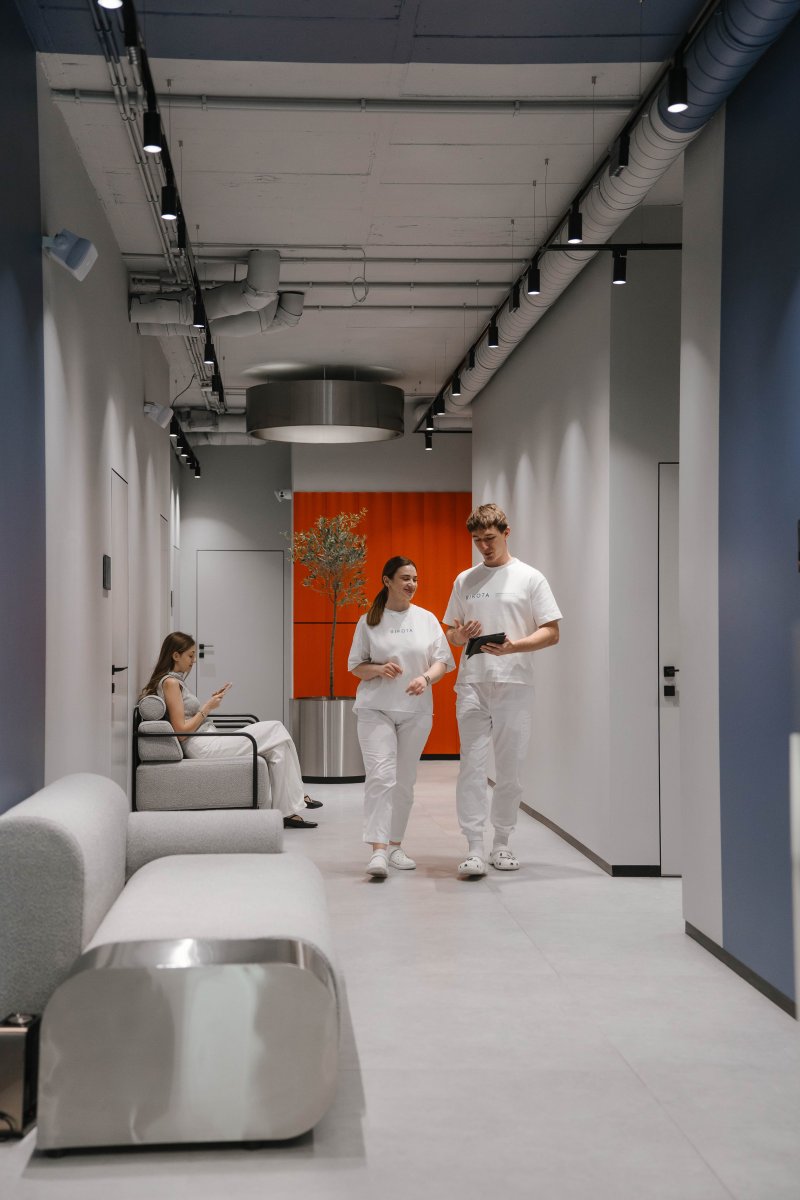
Clínica dental RIKOTA
Descripción general de Regeneración ósea dental en Polonia
- Osteoplastia - de $350Esta terapia remodela o repara huesos, involucrando ingeniería quirúrgica. Ofrece mayor movilidad y alivio del dolor.
- Injerto óseo - de $200Esta terapia reemplaza o repara el hueso faltante, usando material natural o sintético, promoviendo la curación y la fuerza.
- Injerto óseo autógeno - de $680Esta terapia utiliza el propio hueso del paciente para reparar, reconstruir o reemplazar el tejido óseo dañado o faltante.
- Injerto óseo en bloque - de $700Este procedimiento trasplanta tejido óseo para reparar y reconstruir huesos enfermos o dañados.
- Injerto óseo Infuse - de $1,800El procedimiento estimula el crecimiento óseo utilizando una solución a base de proteínas, lo que ayuda en el proceso de curación después de las cirugías esqueléticas.
- Injerto óseo Onlay - de $1,500Esta terapia trasplanta hueso para mejorar la cicatrización, la estabilidad y el apoyo donde se produjo la pérdida ósea o en las fracturas.
- Injerto óseo particulado - de $250El procedimiento implica el uso de pequeños trozos de hueso para ayudar a regenerar las áreas dañadas, promoviendo una curación más rápida y efectiva.
- Injerto óseo sintético - de $350Esta terapia recrea el hueso dañado utilizando sustitutos cultivados en laboratorio, lo que ayuda al crecimiento óseo natural y a una curación rápida y eficiente.
Día 1: Llegada
- Llegada al aeropuerto.
- Se proporciona traslado al hotel de 3*.
Día 2: Preoperatorio
- Consulta con especialista dental.
- Someterse a las pruebas médicas necesarias.
- Discusión sobre el procedimiento y la anestesia.
Día 3: Regeneración Ósea Dental
- Llegada a la clínica.
- Administracion de anestesia local.
- Inicio del procedimiento de Regeneración Ósea Dental.
- El procedimiento dura aproximadamente de 2 a 3 horas.
- Observación postoperatoria durante un par de horas.
Día 4: Postoperatorio
- Control postoperatorio en la clínica.
- Discusión sobre el cuidado postoperatorio y la rehabilitación.
Semana 1-3: Rehabilitación
- Descanse y evite las actividades extenuantes.
- Mantenga el área bucal limpia y siga la rutina de medicación.
Semana 4-6: Continuación de la rehabilitación
- Regreso gradual a la dieta y rutina normal.
- Consulta de seguimiento con el especialista dental.
Cada caso es individual y el cronograma puede variar según la respuesta del paciente al procedimiento y la complejidad del caso.
- Depósito de Bookimed: 200 $ o 200 €.
- Depósito de la clínica: Pague un porcentaje fijo por adelantado.
Obtenga una evaluación médica para Regeneración ósea dental en Polonia: Elija su especialista entre los mejores en el campo
Ver todos los médicos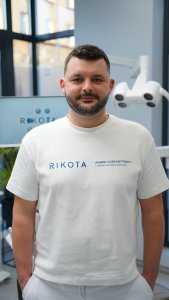
Andrii Vodianytski
El Dr. Vodianytski se especializa en regeneración ósea dental en la Clínica Dental RIKOTA, centrándose en restaurar la salud del hueso maxilar.
- Experto en técnicas avanzadas de injerto para una integración ósea óptima
- Trabaja con materiales de primera calidad para mejorar la curación y la durabilidad
- Prioriza la comodidad del paciente y resultados de aspecto natural

Daniel Ciapinski
Especializado en regeneración ósea, tanto vertical como horizontal – el Dr. Ciapinski es pionero en la técnica de elevación de seno FLY-SAFE y desarrolló el método de protección de la mucosa 'BUTTERFLY'.
- Director médico de la clínica DENTRUM en Katowice
- Doctorado centrado en fibrina rica en plaquetas para la cicatrización post-extracción
- Primero en Polonia en utilizar navegación completa en implantes Thommen Medical
- Conferenciante y formador internacional en técnicas de regeneración ósea
- Miembro del Consejo Asesor de Thommen Medical
Historias en video de pacientes de Bookimed
Reseñas
Todas las reseñas


Compartir contenido
 Olena Sikoza
Preguntas frecuentes sobre Regeneración ósea dental en Polonia
¿Es dolorosa la regeneración ósea dental?
La regeneración ósea dental es prácticamente indolora durante el procedimiento gracias a la anestesia local o la sedación. Aunque técnicas clínicas como el levantamiento de seno maxilar FLY-SAFE minimizan el trauma tisular, los pacientes suelen experimentar una leve molestia durante 3 a 7 días después de la cirugía, comparable a una extracción dental.
- Opciones de anestesia: Los cirujanos utilizan anestesia local o sedación intravenosa para una comodidad total durante el injerto.
- Molestias postoperatorias: Las molestias suelen alcanzar su punto máximo entre las 24 y 72 horas posteriores a que desaparezca el efecto de la anestesia.
- Protección de los tejidos: Métodos como la técnica BUTTERFLY protegen las membranas mucosas para reducir la inflamación quirúrgica.
- Control del dolor: Los analgésicos de venta libre estándar controlan eficazmente la sensibilidad y la hinchazón facial leve.
Perspectiva del experto de Bookimed: Elegir a un especialista como el Dr. Daniel Ciapinski en la Clínica Dentrum ofrece una ventaja de seguridad significativa. Sus técnicas patentadas FLY-SAFE y BUTTERFLY están diseñadas específicamente para minimizar el trauma durante los levantamientos de seno maxilar complejos. Esta precisión a menudo conduce a una curación más rápida en comparación con los métodos de injerto tradicionales más invasivos.
Con
¿Cuánto tiempo lleva la integración del injerto óseo y la recuperación general?
La integración del injerto óseo requiere normalmente de 3 a 12 meses para una osteointegración completa. Aunque los pacientes se sienten recuperados en 1 a 2 semanas, la fusión biológica lleva más tiempo. Las clínicas polacas utilizan escáneres CBCT avanzados a los 3 y 6 meses para confirmar la estabilidad estructural antes de colocar implantes dentales.
- Curación inicial: El dolor y la hinchazón disminuyen entre 7 y 14 días después de la cirugía.
- Integración tisular: El tejido gingival cicatriza sobre el sitio durante las semanas 2 a 6.
- Formación ósea: Los osteoblastos reemplazan el material del injerto con hueso vivo entre los meses 3 y 6.
- Maduración completa: Los procedimientos complejos como los levantamientos de seno a menudo requieren de 6 a 12 meses.
Perspectiva del experto de Bookimed: Los datos muestran que especialistas polacos como el Dr. Daniel Ciapinski en la Clínica Dentrum utilizan técnicas específicas como FLY-SAFE y BUTTERFLY para proteger las membranas. Estos enfoques avanzados ayudan a mantener el volumen del injerto durante la fase de curación de 6 meses. Elegir clínicas con capacidades de diagnóstico CBCT 3D garantiza que los cirujanos controlen la maduración con precisión antes de cargar los implantes.
Consenso de los pacientes: Muchos pacientes enfatizan que los escáneres de 3 y 6 meses prop
¿Cuál es la tasa de éxito de los injertos óseos en Polonia?
Los injertos óseos en Polonia mantienen una tasa de éxito definitiva de entre el 80% y el 95%. Los centros dentales especializados superan frecuentemente el 90% en la integración del injerto. Los clínicos logran tasas de supervivencia de implantes del 97,8% en hueso regenerado, igualando el rendimiento de los sitios óseos naturales mediante la precisión del CBCT 3D.
- Éxito por ubicación: Los procedimientos en la mandíbula inferior alcanzan un 98% de éxito debido a una mayor densidad ósea.
- Integración del injerto: Las clínicas especializadas informan fallos de integración en solo el 5% al 10% de los casos.
- Protección avanzada: Cirujanos como el Dr. Daniel Ciapinski utilizan métodos de membrana Butterfly para una mayor estabilidad.
- Precisión quirúrgica: Las técnicas de elevación de seno Fly-Safe minimizan las complicaciones y mejoran la calidad de la regeneración ósea.
Perspectiva del experto de Bookimed: El éxito en Polonia está impulsado por el volumen y las técnicas especializadas desarrolladas localmente. El Dr. Daniel Ciapinski de la Clínica Dentrum fue pionero en el método Butterfly. Esta protección de membrana específica reduce los riesgos de fallo del injerto. Elegir centros de alto volumen como HALDENT, que trata a 1.500 pacientes al año, garantiza una experiencia técnica experimentada.
Consenso de los pacientes:
¿Qué materiales de injerto se utilizan en las clínicas polacas?
Las clínicas dentales polacas utilizan diversos materiales de injerto, incluyendo hueso autólogo, aloinjertos humanos procesados y xenoinjertos derivados de bovinos. Los centros avanzados también ofrecen biocompuestos sintéticos como FlexiOss y la innovadora tecnología de hueso autólogo dental (ATB). Estos materiales facilitan la regeneración ósea vertical y horizontal compleja para la preparación de implantes dentales.
- Hueso autólogo: Obtenido de la mandíbula o el mentón del paciente para una máxima biocompatibilidad.
- Xenoinjertos: Hueso natural de vaca o cerdo utilizado como material de andamiaje estable.
- Biocompuestos sintéticos: FlexiOss, desarrollado en Polonia, proporciona una alternativa a los materiales tradicionales de origen animal.
- Hueso autólogo dental: Los dientes extraídos y triturados del paciente sirven como tejido de injerto altamente eficaz.
Opinión de expertos de Bookimed: Polonia se ha convertido en un centro de técnicas de regeneración patentadas. El Dr. Daniel Ciapinski de la Clínica Dentrum desarrolló los métodos FLY-SAFE y BUTTERFLY. Estas técnicas especializadas perfeccionan la forma en que se colocan las membranas y los injertos. Esta experiencia local a menudo proporciona mejores resultados que los enfoques genéricos que se encuentran en otros lugares.
¿Qué ciudades polacas se recomiendan para el turismo dental de injerto óseo?
Cracovia y Varsovia son los principales destinos de Polonia para el turismo de injerto óseo, ofreciendo una alta densidad de especialistas de habla inglesa e instalaciones con estándares JCI. Katowice también ha surgido como un centro vital para la regeneración ósea vertical y horizontal compleja bajo investigadores de implantología de renombre mundial.
- Cracovia: Destino principal para pacientes internacionales, albergando clínicas como HALDENT que atienden a 1.500 personas al año.
- Varsovia: La capital ofrece la mayor concentración de cirujanos dentales especializados e instalaciones de lujo.
- Katowice: Sede de investigadores con doctorado especializados en fibrina rica en plaquetas y procedimientos avanzados guiados por navegación.
- Logística: Tanto Cracovia como Varsovia ofrecen vuelos internacionales directos y una sólida infraestructura de turismo médico.
Perspectiva del experto de Bookimed: Aunque Varsovia y Cracovia son populares, Katowice ofrece una experiencia quirúrgica de élite a menudo a precios más bajos. El Dr. Daniel Ciapinski en la Clínica Dentrum realiza injertos verticales complejos utilizando sistemas de navegación exclusivos. Esta ciudad representa el mejor valor para los pacientes que requieren una reconstrucción ósea significativa antes de los implantes.
Consenso de los pacientes: Los pacientes
¿Qué tan alta es la calidad de la neurocirugía en Polonia?
La neurocirugía en Polonia ofrece atención de alta calidad en centros con certificación JCI e ISO. Los neurocirujanos polacos se adhieren a estrictos estándares de formación adoptados por la Unión Europea. Muchos han completado becas en Estados Unidos o Alemania. Tecnologías avanzadas, como CyberKnife, Gamma Knife y sistemas robóticos, están ampliamente disponibles en centros privados.
- Cualificaciones especializadas: Los médicos suelen ser miembros de la Asociación Europea de Sociedades de Neurocirugía.
- Tecnologías avanzadas: Las clínicas utilizan sistemas CyberKnife y ultrasonido enfocado guiado por resonancia magnética para el tratamiento cerebral no invasivo.
- Volumen clínico: Centros líderes como el Hospital Universitario de Cracovia tratan a más de 455.000 pacientes al año.
- Cirujanos experimentados: El Dr. Maciej Bujko del Hospital Carolina ha realizado más de 2.500 cirugías por su cuenta.
Opinión experta de Bookimed: Los datos muestran una fuerte correlación entre la especialización de una clínica y el origen de sus pacientes. La Clínica KCM atiende a más de 700 pacientes internacionales al año. Se especializa en cirugía de columna mínimamente invasiva. Este volumen de trabajo le permite ofrecer paquetes de servicios especializados, que a menudo incluyen bloques de diagnóstico e implantes específicos, como el DIAM de Medtronic.
¿Cuáles son las cualificaciones de los neurocirujanos polacos?
Los neurocirujanos polacos son especialistas altamente cualificados que han completado al menos 13 años de rigurosa formación médica. Esto incluye seis años de estudios de medicina, 13 meses de prácticas y seis años de residencia. Deben aprobar el Examen Estatal de Especialización (PES) y suelen estar certificados por la Asociación Europea de Sociedades de Neurocirugía (EANS).
- Educación: Los médicos reciben educación médica (medicina) después de 6 años de estudio en la universidad.
- Especialización: La residencia incluye 6 años de formación modular en neurocirugía clínica y neurorradiología.
- Volumen quirúrgico: Los residentes a menudo realizan más de 1.000 cirugías, lo que excede el volumen de capacitación promedio en otras regiones.
- Certificados: Muchos especialistas son miembros de AO Spine o de la Sociedad Polaca de Cirugía de Columna.
Opinión experta de Bookimed: Los datos muestran que los neurocirujanos polacos suelen especializarse en tecnologías altamente especializadas, como el sistema ApiFix o el sistema de endoscopia lumbar SED-YESS. Especialistas como el Dr. Stanisław Kwek, de la Clínica KCM, combinan la investigación postdoctoral con una práctica quirúrgica activa. Esta combinación de profundos conocimientos académicos y un alto volumen quirúrgico los hace especialmente eficaces en cirugías de columna complejas y mínimamente in
¿Cuáles son las mejores clínicas neuroquirúrgicas en Polonia?
Entre las mejores clínicas neuroquirúrgicas de Polonia se encuentran el Hospital Carolina, la Clínica KCM y centros académicos de primer nivel como el Hospital Universitario de Cracovia. Estas instituciones ofrecen tratamientos de vanguardia para enfermedades de la columna vertebral y el cerebro que cumplen con los estándares de calidad ISO y emplean a especialistas miembros de organizaciones internacionales como AO Spine.
- Hospital Carolina: Centro Médico de Excelencia FIFA, especializado en cirugías de columna complejas y mínimamente invasivas.
- Clínica KCM: Reconocida internacionalmente por la calidad de sus procedimientos endoscópicos de columna, atendiendo a más de 700 pacientes internacionales anualmente.
- Hospital Universitario de Cracovia: un gran centro multidisciplinario que realiza más de 800 operaciones neuroquirúrgicas al año desde 1788.
- Luxmed: un reconocido centro médico privado en Varsovia especializado en cirugía de columna avanzada para pacientes internacionales.
Opinión experta de Bookimed: Si bien muchos buscan los hospitales más grandes, los datos muestran que clínicas como el Hospital Carolina ofrecen mayor eficiencia para cirugías electivas. Con más de 40 médicos especialistas en este centro de 30 camas, la proporción médico-paciente es significativamente mayor que en los centros universitarios públicos. Esto se traduc
¿Qué procedimientos neuroquirúrgicos se realizan con más frecuencia en Polonia?
En Polonia, la neurocirugía se centra principalmente en cirugías de columna y extirpación de tumores cerebrales. Los hospitales realizan con frecuencia microdiscectomías, fusiones espinales y estimulación cerebral profunda. Centros como el Hospital Carolina y la Clínica KCM utilizan técnicas mínimamente invasivas para tratar hernias discales, lesiones de columna y trastornos neurológicos complejos.
- Cirugía de columna: La discectomía y la laminectomía son tratamientos comunes para los discos herniados.
- Neurooncología: Los especialistas realizan cirugías para extirpar tumores cerebrales utilizando equipos modernos como la tecnología CyberKnife.
- Neurocirugía funcional: la estimulación cerebral profunda (ECP) se utiliza ampliamente para los trastornos del movimiento.
- Técnicas mínimamente invasivas: Los cirujanos utilizan técnicas endoscópicas para descomprimir la columna y tratar tumores pituitarios.
Opinión experta de Bookimed: Polonia se ha convertido en un centro de estabilización espinal especializada. Clínicas como el Hospital Carolina colaboran con equipos deportivos nacionales, lo que refleja su alto nivel de experiencia en el tratamiento de lesiones espinales complejas. Nuestros datos muestran que estas instituciones suelen integrar la rehabilitación directamente en el tratamiento quirúrgico. Esta combinación reduce el riesgo de compl
¿Está disponible la rehabilitación neurológica?
La rehabilitación neurológica está ampliamente disponible en Polonia a través de centros especializados y hospitales multidisciplinarios. Los programas abarcan la recuperación tras un accidente cerebrovascular, una lesión medular y enfermedades degenerativas. Instituciones como el Hospital Karolina de Varsovia y la Clínica KCM ofrecen terapia supervisada. La mayoría de los programas neuroquirúrgicos incluyen una evaluación inicial de rehabilitación postoperatoria.
- Terapias disponibles: Los programas incluyen neurofisioterapia, terapia ocupacional y terapia del habla.
- Instituciones líderes: El Hospital Carolina y el Centro Médico ENEL-MED en Varsovia ofrecen rehabilitación.
- Personal calificado: Neurofisioterapeutas especializados trabajan con neurocirujanos para crear planes de tratamiento individualizados.
- Alcance: La rehabilitación tiene como objetivo restaurar la movilidad, el equilibrio y las funciones cognitivas después de intervenciones quirúrgicas complejas.
Opinión experta de Bookimed: Los datos muestran que las clínicas con una gran afluencia de pacientes internacionales, como la Clínica KCM, suelen incluir rehabilitación básica en sus paquetes quirúrgicos. Esto supone una ventaja significativa, ya que coordinar la neurorrehabilitación de forma independiente en Polonia puede ser complicado. Elegir una clínica con un especialista e