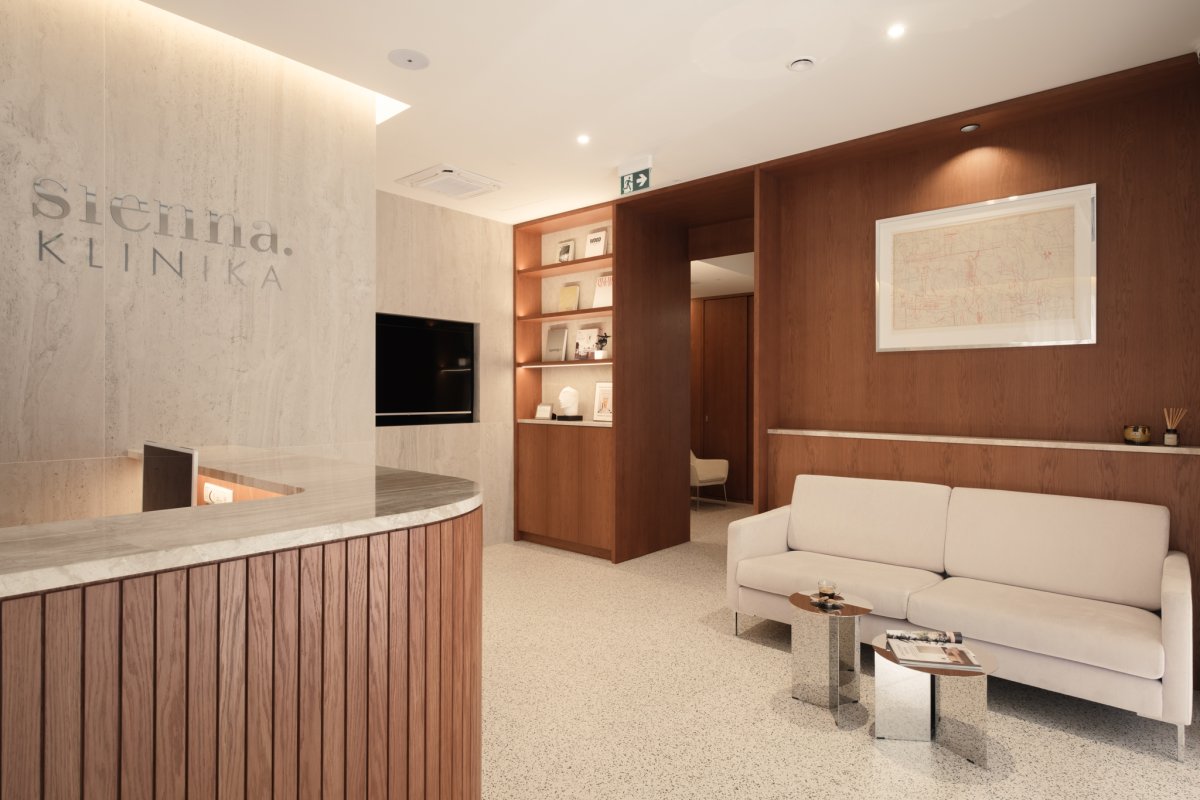
Clínica Sienna
Polonia, Varsovia


Revisado médicamente por
Fahad Mawlood
El costo de la cirugía láser de fístula en Polonia suele oscilar de $750 a $1,500. El precio puede variar según la clínica, la experiencia del cirujano, la complejidad de la fístula y el tipo de sistema láser utilizado. UU.
Las clínicas polacas suelen incluir la consulta inicial, análisis de sangre preoperatorios, medicación postoperatoria, visitas de seguimiento, personal que habla inglés, planes de tratamiento personalizados y atención 24/7. También se cubren las comidas durante las visitas a la clínica y las instrucciones detalladas para el cuidado postoperatorio. En Estados Unidos, los precios a menudo solo incluyen los honorarios del cirujano, con la anestesia, los cargos hospitalarios y el seguimiento facturados por separado. Siempre confirmar exactamente qué está incluido con la clínica elegida.
Bookimed no añade cargos adicionales a los precios de Cirugía láser de fístula. Las tarifas proceden de las listas de precios oficiales de las clínicas. Pagará directamente en la clínica por su Cirugía láser de fístula a su llegada al país.
Bookimed está comprometido con su seguridad. Solo trabajamos con las clínicas que mantienen altos estándares internacionales en Cirugía láser de fístula y tienen las licencias necesarias para atender a pacientes internacionales en todo el mundo.
Bookimed ofrece asistencia experta gratuita. Un coordinador médico personal le apoya antes, durante y después del tratamiento, resolviendo cualquier problema. Nunca estará solo en su viaje médico de Cirugía láser de fístula.

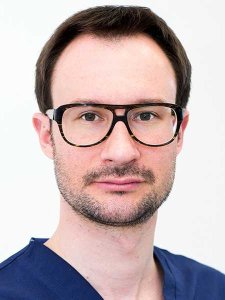
El Dr. Przemyslaw Ciesielski es cirujano general. Se especializó en 2008 y se graduó en la Universidad Médica de Varsovia en 1999. Obtuvo el grado de Doctor en Ciencias Médicas en 2010. Su tesis evaluó los exámenes clínicos y rectoscópicos para diagnosticar enfermedades colorrectales en pacientes con mayor riesgo de cáncer colorrectal.
Su formación en proctología y cirugía colorrectal incluye cursos formales y estancias clínicas. Completó Cursos de Proctología en el Hospital St. Rota d
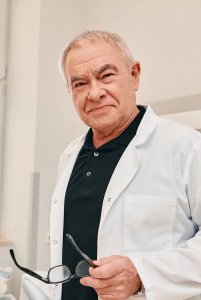
El Dr. Paweł Grochowicz, MD, PhD, es proctólogo con casi 40 años de experiencia. Trabaja en el Centro de Proctología de Varsovia del Hospital de Santa Isabel. Trata hemorroides, fístulas y abscesos anales, fisuras anales, incontinencia fecal y quistes pilonidales. También realiza colonoscopias y polipectomías colorrectales.
De 1979 a 2016 trabajó en la Unidad de Proctología del Hospital Solec, centro de referencia y único en su tipo en Polonia. Desde 2016 trabaja en el Centro de Procto
 Olena Sikoza
La cirugía láser para fístulas anales es un procedimiento seguro y mínimamente invasivo que utiliza la tecnología FiLaC para sellar los trayectos preservando los músculos del esfínter. Mantiene una tasa de continencia del 99 % al evitar cortes musculares. Los riesgos principales incluyen recurrencia en el 18 % al 40 % de los casos y tasas menores de infección del 4 % al 8 %.
Perspectiva del experto de Bookimed: La especialización del cirujano es más importante que la tecnología láser en sí. Por ejemplo, el Dr. Pawel Grochowicz en Varsovia tiene casi 40 años de experiencia en proctología. Los pacientes que eligen centros de proctología designados a menudo obtienen mejores resultados porque estas clínicas utilizan resonancia magnética preoperatoria de alta resolución para mapear los t
El cierre de fístula con láser ofrece un enfoque que preserva el esfínter con un riesgo mínimo de incontinencia en comparación con los métodos tradicionales. Si bien los setones cortantes tradicionales logran tasas de curación más altas, cercanas al 95 %, la cirugía láser proporciona una recuperación significativamente más rápida. Es más efectiva para trayectos simples donde la prioridad es preservar la función muscular.
Perspectiva del experto de Bookimed: Los datos de clínicos como el Dr. Pawel Grochowicz en Varsovia indican que los especialistas a menudo usan el láser después de que los setones fallan. Esto protege el esfínter anal de daños acumulativos mientras se manejan casos complejos. Elegir a un cirujano con más de 100 casos de láser es vital para el éxito a largo plazo.
Consenso de los pacientes: Muchos pacientes prefieren el láser por sus bajos n
La cirugía de fístula con láser rara vez causa pérdida de control intestinal a largo plazo. Este procedimiento que preserva el esfínter, conocido como FiLaC, sella el trayecto de la fístula sin cortar los músculos anales. Aunque la fuga temporal de gases o heces es común durante la recuperación temprana, las tasas de incontinencia permanente siguen siendo más bajas que en la cirugía tradicional.
Perspectiva del experto de Bookimed: Polonia se ha convertido en un centro de proctología con especialistas como el Dr. Pawel Grochowicz en el Centro de Proctología de Varsovia. Sus 40 años de experiencia superan los estándares quirúrgicos habituales. Elegir cirujanos veteranos que utilicen tecnología de fibra radial minimiza significativamente el riesgo de daño térmico accidental a los te
La cirugía de fístula con láser (FiLaC) en Polonia generalmente permite a los pacientes regresar al trabajo de oficina dentro de 3 a 7 días. La mayoría de las personas reanudan sus actividades normales en 1 a 2 semanas. Esta técnica mínimamente invasiva garantiza significativamente menos dolor y una curación de tejidos más rápida que los métodos de cirugía abierta tradicionales.
Perspectiva del experto de Bookimed: Los proctólogos de Varsovia como el Dr. Pawel Grochowicz aportan casi 40 años de experiencia en tratamientos con láser. Nuestros datos muestran que clínicas como la Clínica Sienna priorizan las herramientas modernas de flebología y proctología. Esta experiencia específica a menudo resulta en tasas de complicaciones más bajas en comparación con los centros quirúrgicos generales. Los pacientes deben verificar si su cirujano ha completado becas específicas e
Los candidatos ideales para la cirugía de fístula con láser en Polonia son pacientes con fístulas anales complejas o recurrentes que involucran el músculo esfínter. Este enfoque mínimamente invasivo, que a menudo utiliza la tecnología FiLaC, se recomienda específicamente para aquellos que buscan evitar la incontinencia fecal y asegurar un retorno rápido a las actividades diarias.
Perspectiva del experto de Bookimed: Aunque la cirugía con láser a menudo se comercializa como una solución rápida, nuestros datos muestran que el éxito depende en gran medida del volumen de casos del cirujano. En Varsovia, expertos como Pawel Grochowicz aportan 40 años de experiencia a casos complejos. Elegir a un especialista que haya realizado más de 50 casos específicos con láser mejora significativamente las
Planee permanecer en Polonia de 3 a 7 días para el tratamiento de fístula con láser. La mayoría de los pacientes se someten al procedimiento ambulatorio el día 2 y asisten a un seguimiento crucial el día 3. Permanecer 1 semana garantiza la estabilidad antes de volar a casa.
Perspectiva del experto de Bookimed: Polonia ofrece un acceso único a especialistas como el Dr. Pawel Grochowicz, quien ayudó a establecer la principal unidad de proctología del país. Si bien los paquetes básicos cubren la cirugía, elegir una estancia de 7 días permite una segunda revisión de la herida. Este margen es vital porque, aunque la recuperación es rápida, la estabilidad antes de un viaje de larga distancia reduce los riesgos.
Consenso de los pacientes: Los pacientes i
Los centros de tratamiento de fístulas con láser más experimentados se encuentran en Turquía, India y Polonia. Estos centros internacionales se centran en técnicas de preservación del esfínter como FiLaC. Las clínicas líderes emplean coordinadores y cirujanos de habla inglesa que a menudo se han formado en Alemania o el Reino Unido para garantizar altos estándares para los pacientes globales.
Perspectiva del experto de Bookimed: Si bien Turquía lidera en volumen de pacientes, Polonia ofrece una ventaja única con cirujanos como el Dr. Pawel Grochowicz. Aporta 40 años de experiencia anorrectal enfocada al Centro de Proctología de Varsovia. Elegir centros donde los cirujanos tengan becas de proctología especializadas en el Reino Unido o Alemania generalmente garantiza el mayor dominio del inglés
La neurocirugía en Polonia ofrece atención de alta calidad en centros con certificación JCI e ISO. Los neurocirujanos polacos se adhieren a estrictos estándares de formación adoptados por la Unión Europea. Muchos han completado becas en Estados Unidos o Alemania. Tecnologías avanzadas, como CyberKnife, Gamma Knife y sistemas robóticos, están ampliamente disponibles en centros privados.
Opinión experta de Bookimed: Los datos muestran una fuerte correlación entre la especialización de una clínica y el origen de sus pacientes. La Clínica KCM atiende a más de 700 pacientes internacionales al año. Se especializa en cirugía de columna mínimamente invasiva. Este volumen de trabajo le permite ofrecer paquetes de servicios especializados, que a menudo incluyen bloques de diagnóstico e implantes específicos, como el DIAM de Medtronic.
Los neurocirujanos polacos son especialistas altamente cualificados que han completado al menos 13 años de rigurosa formación médica. Esto incluye seis años de estudios de medicina, 13 meses de prácticas y seis años de residencia. Deben aprobar el Examen Estatal de Especialización (PES) y suelen estar certificados por la Asociación Europea de Sociedades de Neurocirugía (EANS).
Opinión experta de Bookimed: Los datos muestran que los neurocirujanos polacos suelen especializarse en tecnologías altamente especializadas, como el sistema ApiFix o el sistema de endoscopia lumbar SED-YESS. Especialistas como el Dr. Stanisław Kwek, de la Clínica KCM, combinan la investigación postdoctoral con una práctica quirúrgica activa. Esta combinación de profundos conocimientos académicos y un alto volumen quirúrgico los hace especialmente eficaces en cirugías de columna complejas y mínimamente in
Entre las mejores clínicas neuroquirúrgicas de Polonia se encuentran el Hospital Carolina, la Clínica KCM y centros académicos de primer nivel como el Hospital Universitario de Cracovia. Estas instituciones ofrecen tratamientos de vanguardia para enfermedades de la columna vertebral y el cerebro que cumplen con los estándares de calidad ISO y emplean a especialistas miembros de organizaciones internacionales como AO Spine.
Opinión experta de Bookimed: Si bien muchos buscan los hospitales más grandes, los datos muestran que clínicas como el Hospital Carolina ofrecen mayor eficiencia para cirugías electivas. Con más de 40 médicos especialistas en este centro de 30 camas, la proporción médico-paciente es significativamente mayor que en los centros universitarios públicos. Esto se traduc