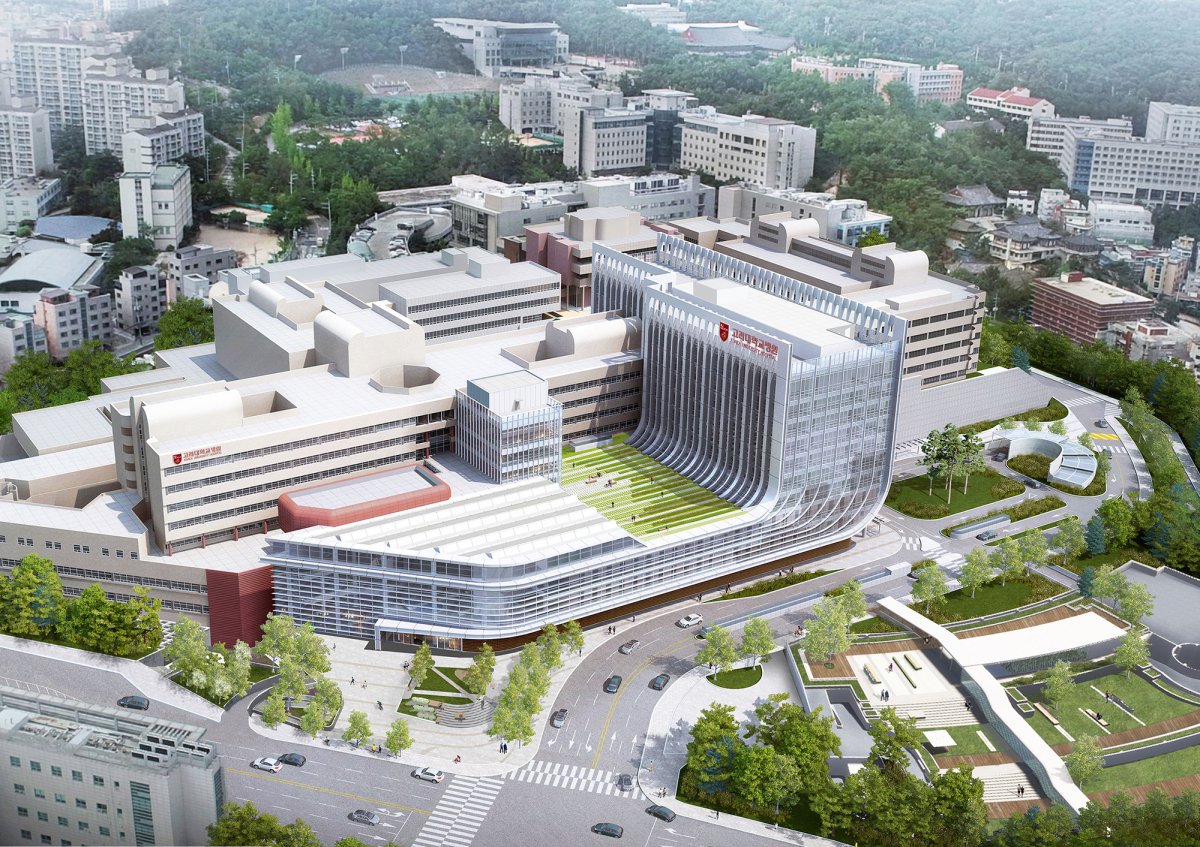
Clínica de columna y articulaciones Leadheal
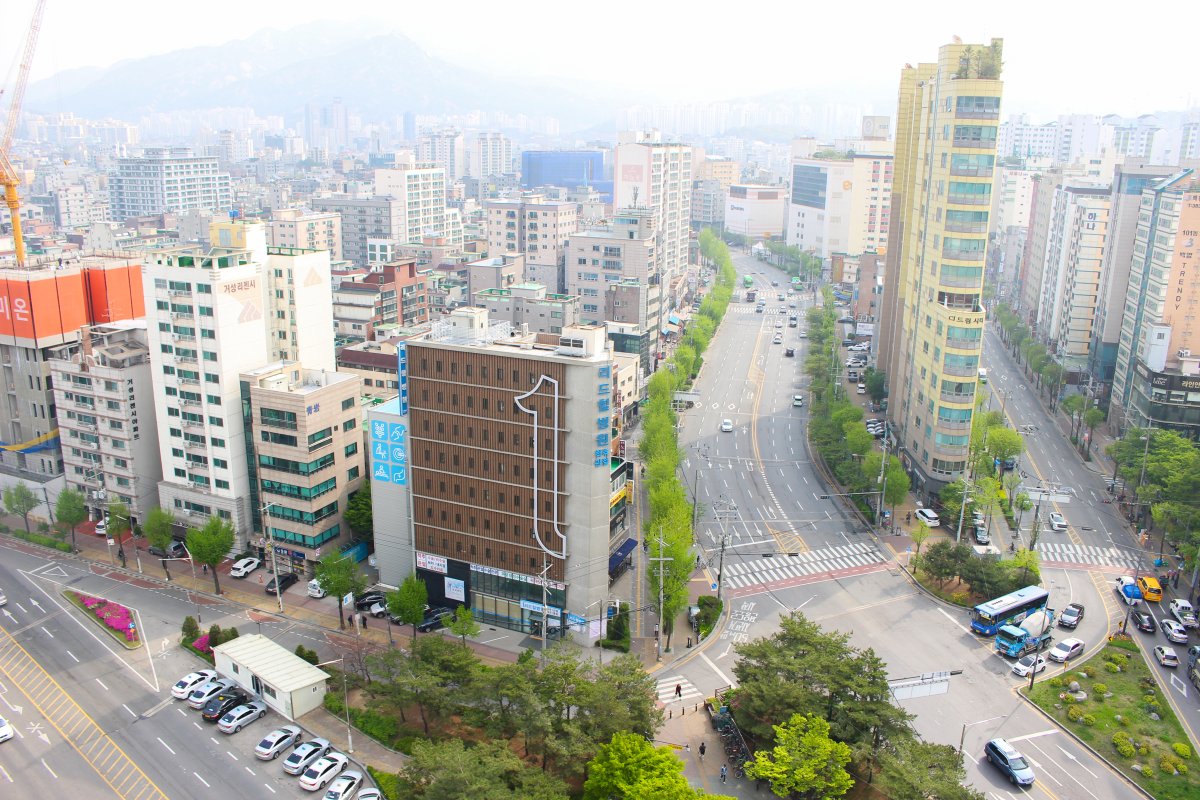
Corea del Sur, Seúl


Revisado médicamente por
Fahad Mawlood
Bookimed no añade cargos extra a los precios de los tratamientos de Lesión del tendón de Aquiles. Las tarifas proceden de las listas de precios oficiales de las clínicas. Pagará directamente en la clínica por su tratamiento a su llegada al país.
Bookimed está comprometido con su seguridad. Solo trabajamos con las clínicas que mantienen altos estándares internacionales en el tratamiento de Lesión del tendón de Aquiles y cuentan con las licencias necesarias para atender a pacientes internacionales en todo el mundo.
Bookimed ofrece asistencia experta gratuita. Un coordinador médico personal le apoya antes, durante y después de su tratamiento, resolviendo cualquier problema. Nunca estará solo en su viaje médico de tratamiento de Lesión del tendón de Aquiles.

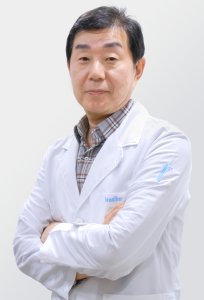
El Dr. Jang Hyo Kim es cirujano ortopédico centrado en la preservación articular y la reconstrucción compleja. Se especializa en artroscopia de hombro, rodilla, tobillo, codo y muñeca. Realiza reemplazos articulares de hombro, rodilla, tobillo, codo y cadera. En columna, realiza instrumentación y fusiones cervicales y lumbares. También efectúa discectomías, laminectomías, neuroplastias y vertebroplastias. Su práctica incluye el tratamiento de fracturas y la reparación de músculos y ligamentos
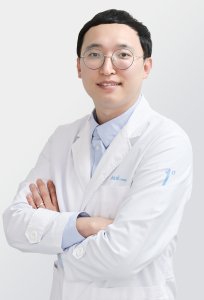
El Dr. Woo Kyung Kwak es cirujano ortopédico. Está especializado en cirugía mínimamente invasiva del pie y el tobillo (MICA para hallux valgus). También trata lesiones deportivas y realiza artroplastia total de rodilla, así como artroscopia avanzada de hombro y rodilla.
Obtuvo el título de médico (MD) y un máster en ciencias (MS) en la Universidad Nacional de Chonnam. Completó una beca de subespecialización en el Hospital de la Universidad Nacional de Chonnam. Se desempeñó como jefe de
 Olena Sikoza
La cirugía no siempre es necesaria para una rotura de tendón de Aquiles en Corea. Los centros ortopédicos especializados ofrecen tanto caminos quirúrgicos como conservadores. Los médicos seleccionan los tratamientos según el tamaño de la brecha, el nivel de actividad y el momento del diagnóstico. Las opciones no quirúrgicas utilizan la inmovilización inmediata y una rehabilitación avanzada para asegurar la curación natural del tendón.
Opinión experta de Bookimed: El panorama ortopédico de Corea se segmenta de forma única por volumen y especialidad. El Hospital Leadheal gestiona más de 44.000 pacientes anualmente con un enfoque en técnicas mínimamente invasivas. Mientras tanto, centros académicos como el Centro Médico Asan manejan los casos más complejos. Para una lesión de Aquiles, busque cirujanos como el Dr. Woo Kyung K
La rehabilitación en Corea es altamente estructurada y avanzada tecnológicamente. Cuenta con sesiones diarias de terapia de 4 a 6 horas en instalaciones acreditadas por la JCI. Los planes personalizados priorizan la movilización temprana y la simulación de marcha especializada. La mayoría de los programas ortopédicos siguen cronogramas estrictos de 12 semanas para garantizar que los pacientes regresen a la actividad deportiva completa de manera segura.
Opinión de los expertos de Bookimed: Los datos muestran que las principales clínicas de Seúl, como el Leadheal Hospital, atienden a más de 44,000 pacientes al año. Este gran volumen permite a los especialistas perfeccionar protocolos personalizados para lesiones complejas de pie y tobillo. Elegir una instalación con acreditación JCI o KOIHA garantiza el cumplimiento de rigurosos estándares internacionales de seg
Los cirujanos en Corea del Sur reportan tasas de éxito entre el 85% y el 90% para la cirugía del tendón de Aquiles. La reparación quirúrgica mantiene una tasa de éxito del 96.5% contra la re-rotura en la región. Los resultados clínicos se centran en restaurar la movilidad total y el regreso de los pacientes al deporte en un plazo de 6 a 9 meses.
Consenso de los pacientes: Los pacientes señalan que, si bien la cirugía es
Después de un tratamiento del tendón de Aquiles en Corea del Sur, generalmente se usa una escayola o bota ortopédica durante 6 a 12 semanas. La recuperación inicial implica de 2 a 4 semanas de inmovilización. A esto le siguen de 4 a 8 semanas en una bota ortopédica funcional.
Opinión de los expertos de Bookimed: Cirujanos ortopédicos líderes en Corea como el Dr. Seong Hyun Kim suelen utilizar protocolos de rehabilitación funcional temprana en instalaciones acreditadas por la JCI. Los datos muestran que clínicas como el Leadheal Hospital gestionan más de 44,000 casos ortopédicos al año. Este gran volumen permite a los cirujanos personalizar los períodos de inmovilización según la resistencia de la reparación. Esto a menudo permite que los pacientes pasen a las botas antes que el estándar tradicional de 6 semanas de escayola.
Consenso de los pacientes: Los pacientes señalan que la etapa más difícil es l
Los pacientes pueden volver a jugar fútbol y correr después de un tratamiento del tendón de Aquiles en Corea del Sur. El regreso al deporte generalmente comienza alrededor de las 24 semanas después de la cirugía. El éxito depende de alcanzar los hitos de fuerza y completar la rehabilitación progresiva. Los cronogramas de recuperación varían según la gravedad de la lesión y los protocolos de tratamiento elegidos.
Opinión de expertos de Bookimed: Las clínicas de medicina deportiva de Corea del Sur ofrecen una ventaja a los atletas a través de certificaciones especializadas. Por ejemplo, el Dr. Woo Kyung Kwak en el Hospital Leadheal posee un Diploma FIFA en medicina del fútbol. Esta formación específica garantiza que los protocolos de rehabilitación se ajusten a las exigencias del fútbol profesional. Los pacientes deben priorizar a l
La República de Corea ofrece cirugía robótica avanzada y terapia con células madre para diversas afecciones médicas. Los centros médicos de primer nivel en Seúl incorporan sistemas impulsados por IA y técnicas regenerativas. Estas tecnologías están disponibles en instalaciones acreditadas por la JCI. Cirujanos expertos como el Dr. Seong Hyun Kim se especializan en aplicaciones de células madre.
Opinión de expertos de Bookimed: Si bien la cirugía robótica es un aspecto destacado en Seúl, su uso es más común en casos oncológicos o reconstructivos complejos que en la reparación del tendón de Aquiles. Para lesiones deportivas, la experiencia especializada a menudo supera a la tecnología. Por ejemplo, el Hospital Leadheal gestiona más de 44,000 casos anuales centrándose en planes ortopédicos mínimamente invasivos y personalizados en lug
La adherencia al uso de ortesis en las clínicas coreanas sigue cronogramas estructurados y basados en protocolos para garantizar la curación adecuada del tendón de Aquiles. Los cirujanos especialistas enfatizan el uso constante y reglas estrictas de carga de peso. La mayoría de las clínicas utilizan diagnósticos de alta tecnología como imágenes digitales en instalaciones acreditadas por la JCI en Seúl para monitorear la tensión del tendón durante la recuperación.
Opinión de expertos de Bookimed: Los centros ortopédicos coreanos a menudo integran directores especializados, como el Dr. Jang Hyo Kim, quien estudió fijación externa en Rusia. Este alto nivel de especialización significa que los protocolos de adherencia son excepcionalmente rígidos en comparación con otras regiones. Los pacientes deben elegir c