Úlcera gástrica Tratamiento en Corea del Sur — Costos 2026


Revisado médicamente por
Fahad Mawlood
¿Cuál es el precio del diagnóstico y los tratamientos de Úlcera gástrica en Corea del Sur? Descubra ahora
Sus beneficios y garantías con Bookimed
Precios directos
Bookimed no añade cargos extra a los precios de los tratamientos de Úlcera gástrica. Las tarifas proceden de las listas de precios oficiales de las clínicas. Pagará directamente en la clínica por su tratamiento a su llegada al país.
Sólo clínicas y médicos verificados
Bookimed está comprometido con su seguridad. Solo trabajamos con las clínicas que mantienen altos estándares internacionales en el tratamiento de Úlcera gástrica y cuentan con las licencias necesarias para atender a pacientes internacionales en todo el mundo.
Asistencia 24/7 gratuita
Bookimed ofrece asistencia experta gratuita. Un coordinador médico personal le apoya antes, durante y después de su tratamiento, resolviendo cualquier problema. Nunca estará solo en su viaje médico de tratamiento de Úlcera gástrica.

Su coordinador médico personal de Bookimed
- Le apoya en cada etapa
- Ayuda a elegir la clínica y el médico adecuados
- Asegura un acceso rápido y conveniente a la información
Descubra las mejores clínicas de tratamiento de Úlcera gástrica en Corea del Sur: 3 opciones verificadas y Precios







Obtenga una evaluación médica para Úlcera gástrica en Corea del Sur: consulte con doctores experimentados ahora
Ver todos los médicos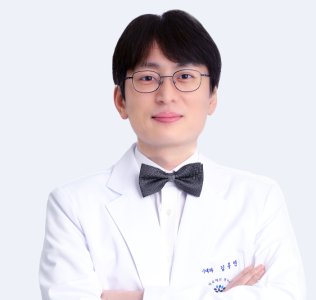
Kim Jong Yeon
El profesor Kim Jong-yeon es gastroenterólogo en el Hospital Myongji. Trata enfermedades del esófago, estómago, colon e hígado, incluyendo cirrosis y hepatitis. Realiza endoscopia terapéutica, como la polipectomía endoscópica. También se desempeña como subdirector del Centro Internacional de Atención Médica.
Es miembro del Centro de Insuficiencia Hepática. Trabaja con equipos de hepatología, cáncer de hígado y trasplantes para proporcionar atención coordinada para enfermedades hepática
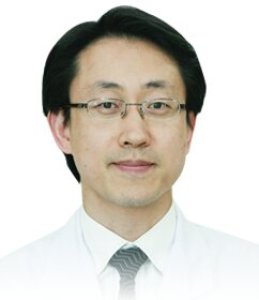
Cheon Wonseok
El Dr. Cheon Wonseok es Jefe de Gastroenterología en el Hospital Na-Eun. Trata trastornos gastrointestinales. Realiza endoscopia digestiva alta, colonoscopia, polipectomía y disección endoscópica submucosa (ESD). Maneja el cáncer gástrico y esofágico y la infección por Helicobacter pylori. También trata enfermedades hepáticas y enfermedad inflamatoria intestinal, incluidas la enfermedad de Crohn y la colitis ulcerosa. Ofrece endoscopia por cápsula del intestino delgado.
Acreditaciones:
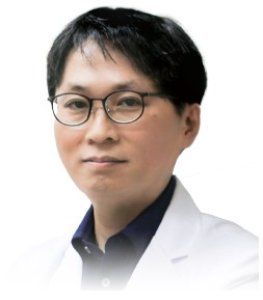
Kim Taegyun
El Dr. Kim Taegyun es gastroenterólogo. Se centra en enfermedades y cánceres pancreatobiliares, entre ellos pancreatitis, quistes y cáncer de páncreas, colecistitis, cálculos biliares (colelitiasis) y cáncer de las vías biliares. También realiza endoscopia avanzada, incluida la CPRE (ERCP). Trata tumores gastrointestinales, pólipos de estómago y colon, cáncer gástrico y tumores submucosos (SMT).
Educación y formación: MD, Facultad de Medicina de la Universidad Nacional de Jeonbuk. Maes

Pak Seongjin
El Dr. Pak Seongjin es gastroenterólogo. Se centra en la endoscopia y en procedimientos avanzados como gastroscopia, colonoscopia, polipectomía y ESD. También trata enfermedades digestivas y hepáticas, incluidas la cirrosis, la pancreatitis, la hepatitis y la infección por Helicobacter pylori.
Obtuvo los títulos de MD y MS en Medicina Interna en la Universidad Chung-Ang. Completó su residencia en medicina interna y la subespecialidad en gastroenterología en el Hospital de la Universida
Compartir contenido
Historias en video de pacientes de Bookimed
 Olena Sikoza
Preguntas frecuentes sobre el tratamiento de Úlcera gástrica en Corea del Sur
¿Cuáles son los principales métodos de tratamiento para las úlceras gástricas en Corea?
El tratamiento de las úlceras gástricas en Corea prioriza la erradicación farmacológica de Helicobacter pylori y la endoterapia avanzada. Las clínicas coreanas utilizan regímenes antibióticos personalizados basados en pruebas de resistencia por PCR. Este enfoque de precisión logra tasas de curación del 90%. Los especialistas utilizan bloqueadores de ácido competitivos con potasio (P-CAB) y agentes mucoprotectores como el rebamipida para acelerar la curación.
- Terapia de erradicación: La terapia triple de 14 días o la terapia concomitante de 10 días elimina H. pylori.
- Diagnóstico de precisión: Las pruebas basadas en PCR detectan la resistencia a los antibióticos antes de que comience el tratamiento.
- Medicación avanzada: Los P-CAB de nueva generación proporcionan una supresión ácida más rápida que los IBP estándar.
- Intervención endoscópica: Los especialistas realizan disección submucosa endoscópica (DSE) para el manejo de lesiones complejas.
Perspectiva de expertos de Bookimed: Los centros de gastroenterología coreanos como el Hospital Severance combinan diagnósticos de alta tecnología con protectores de mucosa especializados. Los datos muestran que los médicos a menudo recetan rebamipida o ecabet sódico junto con bloqueadores de ácido estándar. Este protocolo único de doble acción tiene como objetivo una reparación tisular más rápida. Est
¿Está cubierto el tratamiento de H. pylori por el Seguro Nacional de Salud de Corea para los visitantes?
Los visitantes de corta duración y los turistas no están cubiertos por el Seguro Nacional de Salud de Corea para el tratamiento de H. pylori. La elegibilidad para la cobertura requiere un período de residencia de al menos 6 meses. Los visitantes deben pagar la totalidad de los costos de bolsillo por las pruebas de diagnóstico y los medicamentos de erradicación en las instalaciones médicas coreanas.
- Elegibilidad del seguro: La inscripción obligatoria requiere 6 meses de residencia continua en Corea.
- Estatus de visa de turista: Los titulares de visas de serie B o C siguen sin ser elegibles para los beneficios del NHI.
- Criterios de reembolso: Incluso los residentes solo reciben cobertura para indicaciones específicas como úlceras pépticas.
- Acceso al tratamiento: Los centros internacionales en hospitales como el Severance Hospital ofrecen servicios en inglés.
Perspectiva del experto de Bookimed: Si bien existen paquetes de diagnóstico generales, los hospitales universitarios como el Severance Hospital brindan una gran experiencia, atendiendo a 1,6 millones de pacientes ambulatorios al año. Este volumen garantiza precios estandarizados y protocolos de diagnóstico eficientes para los visitantes internacionales. Médicos especializados como el Dr. Cheon Won Seok en el Hospital Na-Eun manejan casos complejos utilizando disección submucosa endosc
¿Qué hospitales coreanos prefieren los pacientes internacionales para el tratamiento de úlceras gástricas?
Los pacientes internacionales prefieren centros acreditados por la JCI, como el Severance Hospital y el Asan Medical Center, para gastroenterología. Estos centros ofrecen disección submucosa endoscópica avanzada y cirugía robótica. Los equipos multidisciplinarios del Samsung Medical Center se especializan en trastornos digestivos complejos y en el manejo de Helicobacter pylori. Los centros de salud internacionales dedicados ofrecen coordinadores de habla inglesa y servicios de traducción médica.
- Capacidad hospitalaria: El Severance Hospital atiende a 1,6 millones de pacientes ambulatorios al año con atención certificada por la JCI.
- Diagnóstico avanzado: Los centros de Seúl utilizan endoscopia de alta resolución para una estadificación precisa de las úlceras gástricas.
- Experiencia especializada: El Dr. Cheon Won Seok en el Hospital Na-Eun se especializa en disección submucosa endoscópica.
- Apoyo lingüístico: Los centros internacionales brindan apoyo multilingüe en inglés, ruso y árabe.
Perspectiva del experto de Bookimed: Si bien los principales hospitales de Seúl atraen los mayores volúmenes, el Hospital Na-Eun en Incheon ofrece una ventaja estratégica. Cuenta con la acreditación KOIHA y está dirigido por un subespecialista en endoscopia. Su proximidad al aeropuerto internacional lo hace ideal para los viajeros médicos que buscan atenció
¿Qué pautas dietéticas recomiendan los médicos coreanos durante la recuperación de una úlcera gástrica?
Los médicos coreanos recomiendan una dieta estrictamente no irritante y blanda, centrada en gachas de arroz (juk) y proteínas al vapor. El protocolo enfatiza comidas pequeñas y frecuentes de 5 a 6 veces al día. Los pacientes deben evitar el sodio y las especias para proteger la mucosa gástrica y apoyar la reparación de los tejidos durante la curación.
- Densidad de nutrientes: Las dietas de recuperación priorizan una ingesta alta de proteínas que alcance 1,5 g por kg de peso corporal.
- Frecuencia de las comidas: Comer de 5 a 6 comidas pequeñas al día minimiza la presión estomacal y la producción de ácido.
- Artículos restringidos: Los pacientes deben evitar estrictamente los guisos picantes, el café, el alcohol y las bebidas carbonatadas.
- Protección de la mucosa: Se prefieren los alimentos calientes y húmedos como el tofu y el pescado al vapor sobre las verduras crudas.
Perspectiva del experto de Bookimed: Aunque es culturalmente central, los médicos en centros importantes como el Hospital Severance prohíben explícitamente el kimchi tradicional durante 4 a 6 semanas. Los datos sugieren que las versiones saladas estándar irritan las úlceras. Los médicos a menudo recomiendan una alternativa probiótica clínica sin especias solo una vez que el cráter mucoso muestra una curación significativa en la endoscopia.
Consenso de los pacie
¿Cuál es el cronograma típico de recuperación y seguimiento para los turistas médicos después del tratamiento de úlcera gástrica en Corea?
La recuperación después del tratamiento de úlcera gástrica en Corea generalmente implica una estancia local de 7 a 14 días. Los turistas médicos se someten a una estabilización inicial y control dietético antes de viajar. El seguimiento incluye una endoscopia de control a las 6 a 12 semanas para confirmar la curación y descartar malignidad.
- Estancia hospitalaria: La atención hospitalaria dura de 2 a 3 días para protocolos de terapia basados en medicamentos.
- Recuperación quirúrgica: Las reparaciones complejas para úlceras perforadas requieren de 9 a 10 días de hospitalización.
- Progresión dietética: Los pacientes pasan de líquidos a alimentos blandos dentro de las 48 horas posteriores al procedimiento.
- Chequeo obligatorio: Se requiere una endoscopia de control de 6 a 8 semanas después del tratamiento inicial.
Perspectiva del experto de Bookimed: Aunque muchos esperan el alta inmediata, las instalaciones de primer nivel de Corea, como el Hospital Severance, priorizan los datos de diagnóstico integrales. Estos centros atienden a más de 1,6 millones de pacientes ambulatorios al año y utilizan registros médicos electrónicos avanzados para compartir expedientes. Esta integración digital permite a los pacientes internacionales transferir su atención a sus médicos locales con imágenes endoscópicas precisas e informes de biopsia.
C
¿Qué complicaciones o señales de advertencia deben vigilar los turistas médicos después de una terapia para úlceras gástricas?
Los pacientes deben estar atentos a dolores abdominales agudos, fiebre alta o heces negras y alquitranadas después de una terapia para úlceras gástricas. Estos signos pueden indicar una perforación o hemorragia interna potencialmente mortal. Una evaluación médica inmediata es esencial para manejar eficazmente complicaciones como el síndrome de vaciamiento rápido (dumping syndrome), la obstrucción de la salida gástrica o infecciones sistémicas.
- Hemorragia interna: Esté atento a vómitos con aspecto de posos de café o heces negras.
- Perforación gástrica: El dolor repentino y severo en la parte superior del estómago requiere atención inmediata.
- Síndrome de vaciamiento rápido: La sudoración y la diarrea a menudo ocurren 30 minutos después de comer.
- Salud vascular: Pueden desarrollarse coágulos sanguíneos debido a viajes prolongados después de la cirugía.
Perspectiva del experto de Bookimed: Corea del Sur alberga instalaciones de élite como el Hospital Severance, que atiende a 1,6 millones de pacientes ambulatorios al año. Muchos gastroenterólogos coreanos, como el Dr. Jin Yong Kim, cuentan con credenciales de instituciones como Johns Hopkins. Esta experiencia especializada es fundamental porque las úlceras complejas a menudo requieren técnicas endoscópicas avanzadas como la ESD. Los pacientes deben confirmar su estado de H. pylori antes de ir
¿Cómo realizan los especialistas coreanos las pruebas de H. pylori antes de iniciar la terapia de erradicación?
Los especialistas coreanos utilizan biopsias endoscópicas y pruebas no invasivas para detectar H. pylori. Las herramientas de diagnóstico estándar incluyen la prueba rápida de ureasa para obtener resultados rápidos y la histología para la identificación directa. Se utilizan pruebas moleculares avanzadas mediante PCR para identificar la resistencia a los antibióticos antes de comenzar una terapia de erradicación personalizada.
- Prueba rápida de ureasa: Proporciona resultados rápidos durante la endoscopia mediante un cambio de color sensible al pH.
- Histología: El examen microscópico directo identifica las bacterias y evalúa la inflamación del tejido gástrico.
- Pruebas moleculares: Emplea DPO-PCR para detectar mutaciones genéticas que causan resistencia a la claritromicina.
- Prueba de aliento con urea: Un método no invasivo de alta precisión que se utiliza a menudo para la confirmación después del tratamiento.
Perspectiva del experto de Bookimed: La integración de las pruebas moleculares DPO-PCR en los centros coreanos establece un punto de referencia regional para la precisión. Mientras que muchos países utilizan la terapia triple estándar, especialistas como la Dra. Ye Jin Lee aprovechan estas pruebas para evitar las cepas resistentes. Este enfoque basado en datos garantiza una mayor tasa de éxito para la erradicación de primera línea en ce