Centro Médico Teknon
España, Barcelona
Fermín Mearin Manrique
47 años de experiencia

acreditaciones : 



Clínica certificada por : 





Revisado médicamente por
Fahad Mawlood


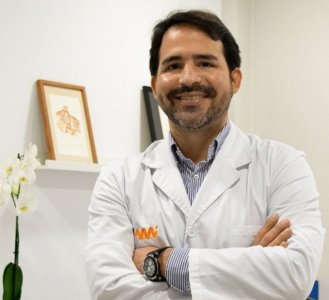
El Prof. Fermín Mearin Manrique cuenta con 47 años de experiencia en gastroenterología, especializándose en trastornos digestivos funcionales en el Centro Médico Teknon.

El Dr. Sans Cuffí combina la investigación y la experiencia clínica en enfermedades digestivas, con un enfoque en las enfermedades inflamatorias intestinales como la enfermedad de Crohn.

Pionero en España en disección submucosa endoscópica: el Dr. Sánchez Yagüe introdujo esta técnica avanzada en Andalucía en 2011.
 Olena Sikoza
Para iniciar el tratamiento de una úlcera gástrica en España, visite a un gastroenterólogo para una gastroscopia diagnóstica. Los centros privados como el Centro Médico Teknon ofrecen consultas con especialistas en cuestión de días. Los especialistas utilizan pruebas de aliento con urea y biopsias para identificar infecciones por H. pylori, seguidas de regímenes de antibióticos e inhibidores de la bomba de protones de 10 a 14 días.
Perspectiva del experto de Bookimed: España ocupa el tercer lugar a nivel mundial en Bookimed en cuanto a solicitudes de pacientes, debido en gran medida a su alta concentración de centros acreditados por la JCI en Barcelona y Madrid. Especialistas experimentados como el Dr. Fermín Mearin Manrique o el Dr. José Miguel Esteban Lopez-Jamar suelen tener más de 20 a 40 años de experiencia. Elegir la atención privada en
Los tiempos de espera para una endoscopia por úlcera gástrica en España dependen de su urgencia clínica. Las emergencias como el sangrado activo reciben atención en un plazo de 24 horas. Los exámenes de rutina en centros privados acreditados por la JCI en Madrid o Barcelona a menudo evitan las demoras de 2 a 8 meses del sistema público.
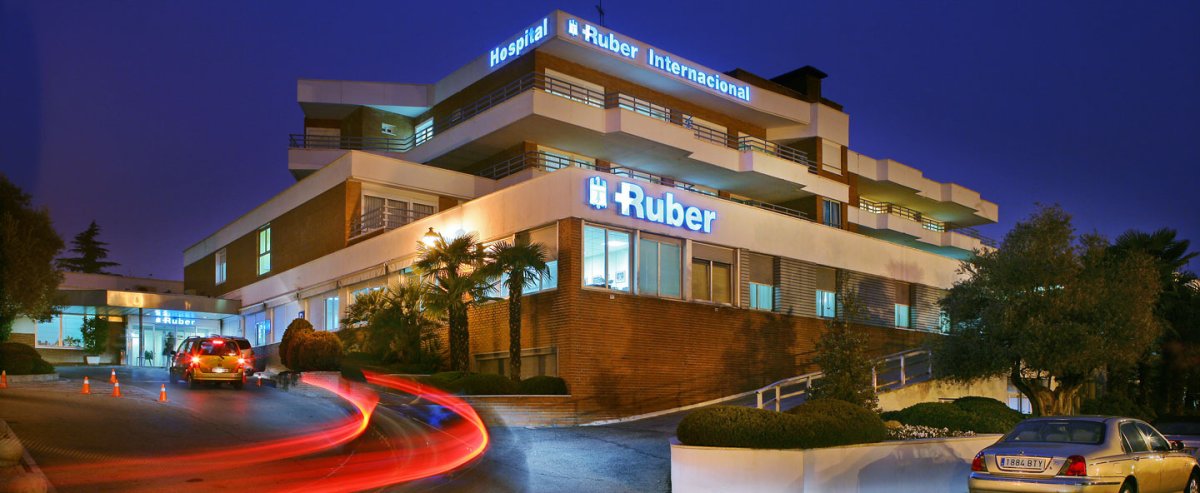
Perspectiva del experto de Bookimed: Los pacientes que buscan un acceso más rápido deben mirar hacia centros de alta capacidad como Madrid. El Hospital Ruber Internacional atiende a 25.000 pacientes al año con 800 médicos en plantilla. Este enorme volumen médico a menudo se traduce en horarios más flexibles en comparación con las clínicas boutique más pequeñas. Si la rapidez es su prioridad, elegir centros con mayores ratios de médicos por cama suele reducir la espera para diagnósticos no urgentes.
Consenso de los pacientes: Los pacientes señalan que es importante aclarar si las re
Las úlceras gástricas en España se tratan habitualmente con inhibidores de la bomba de protones como el omeprazol y bloqueadores H2 que reducen la acidez. Si está presente la bacteria Helicobacter pylori, los médicos siguen un protocolo de consenso español. Esto implica una terapia cuádruple de 10 a 14 días que combina antibióticos y bismuto.
Opinión de expertos de Bookimed: Los centros de gastroenterología españoles priorizan la precisión diagnóstica antes de medicar. Los datos muestran que especialistas de primer nivel como el Dr. Fermín Mearin Manrique en el Centro Médico Teknon integran el manejo específico de trastornos funcionales con la terapia farmacológica estándar. Este enfoque específico es vital en un país donde los altos volúmenes de pacientes (que alcanzan los 450.000 anuales en los principales hospitales) exigen protocolos estandarizados pero eficientes.
Consenso de
Los hospitales líderes especializados en el cuidado de úlceras gástricas incluyen el Centro Médico Teknon en Barcelona y el Hospital Ruber Internacional en Madrid. Estos centros acreditados por la JCI ofrecen diagnósticos endoscópicos avanzados. Los especialistas se centran en la erradicación de H. pylori y la resección terapéutica. Gastroenterólogos expertos gestionan casos complejos en unidades multidisciplinarias.
Perspectiva del experto de Bookimed: España ocupa el tercer lugar a nivel mundial en solicitudes de pacientes en Bookimed. Esta popularidad se debe a centros de gran volumen como HM Sanchinarro. Este centro trata a 400,000 pacientes anualmente y emplea a 400 médicos especializados. Los grandes volúmenes de pacientes a menudo se correlacionan con una experiencia diagnóstica más profunda en trastornos digestivos funciona
No necesita una derivación de su médico de cabecera para el tratamiento privado de úlceras gástricas en España si paga por su cuenta. Los pacientes pueden reservar directamente con especialistas en clínicas como el Centro Médico Teknon o el Hospital Ruber Internacional. El seguro médico privado puede requerir una derivación o preautorización para la cobertura.
Opinión de experto de Bookimed: Aunque las derivaciones no son obligatorias, elegir un centro de gran volumen como el Hospital Universitario HM Sanchinarro es vital. Atiende a más de 400.000 pacientes al año con 400 médicos especializados. Los centros grandes a menudo tienen disponibilidad diagnóstica inmediata que las clínicas más pequeñas no tienen. La coordinación con estos centros principales garantiza un acceso más rápido a herramientas endoscópicas avanzadas sin retrasos burocrá
Los pacientes con úlceras gástricas estabilizadas generalmente pueden volar 3 días después de comenzar la medicación. Viajar es seguro una vez que el dolor mejora y usted responde bien a la terapia. Los casos graves que involucran sangrado reciente o cirugía abdominal requieren esperar de 5 a 10 días para obtener la autorización médica.
Perspectiva de expertos de Bookimed: Las principales unidades de gastroenterología de España, como las del Centro Médico Teknon o el Hospital Ruber Internacional, atienden a más de 25.000 pacientes al año. Los datos muestran que los centros de alto volumen a menudo emplean técnicas especializadas como la ecoendoscopia para confirmar rápidamente la curación de la úlcera. Esta precisión diagnóstica ayuda a los pacientes internacionales a obtener una autorización de viaje más rápidamente qu