Tratamiento de Úlcera gástrica en Tailandia — obtenga 3 coincidencias personalizadas de clínicas


Revisado médicamente por
Fahad Mawlood
Cómo funciona
¿Cuál es el precio del diagnóstico y los tratamientos de Úlcera gástrica en Tailandia? Descubra ahora
Descubra las mejores clínicas de tratamiento de Úlcera gástrica en Tailandia: 7 opciones verificadas y Precios


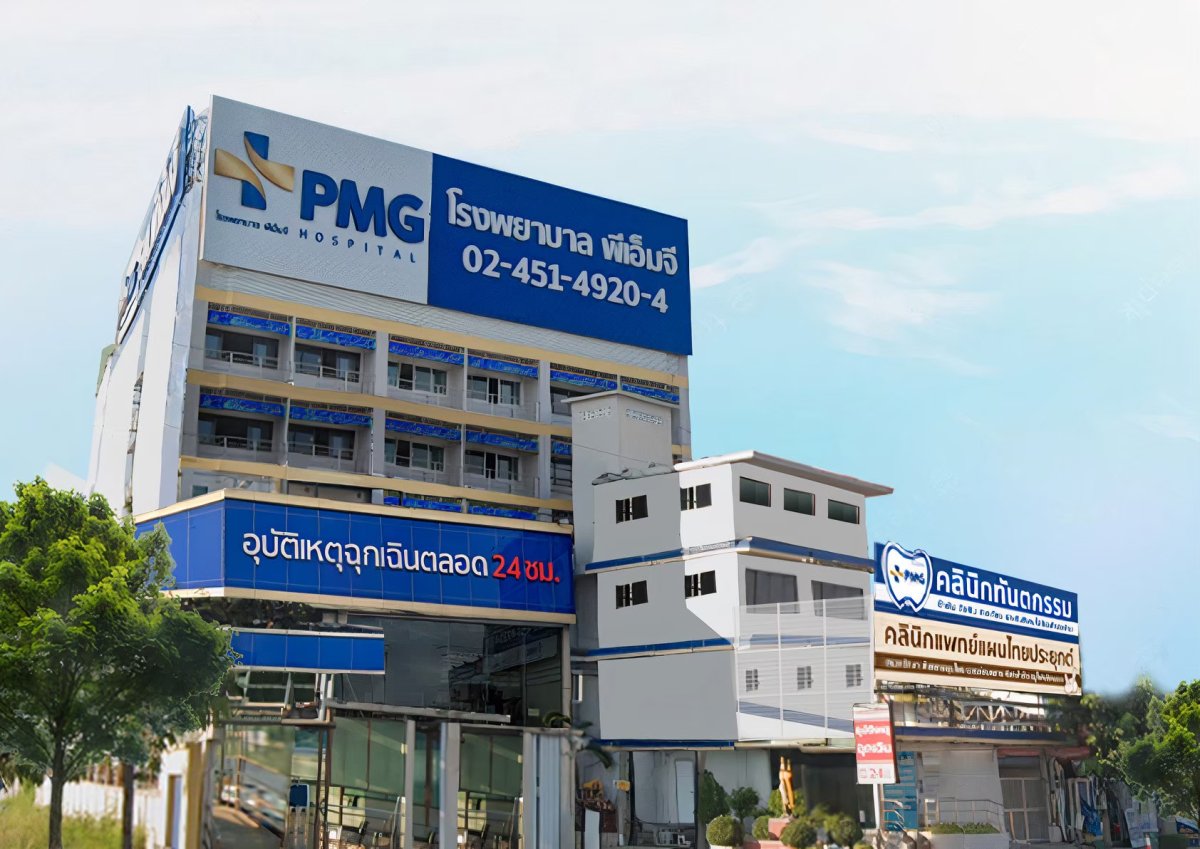


MedConsult Bangkok Medical Clinic
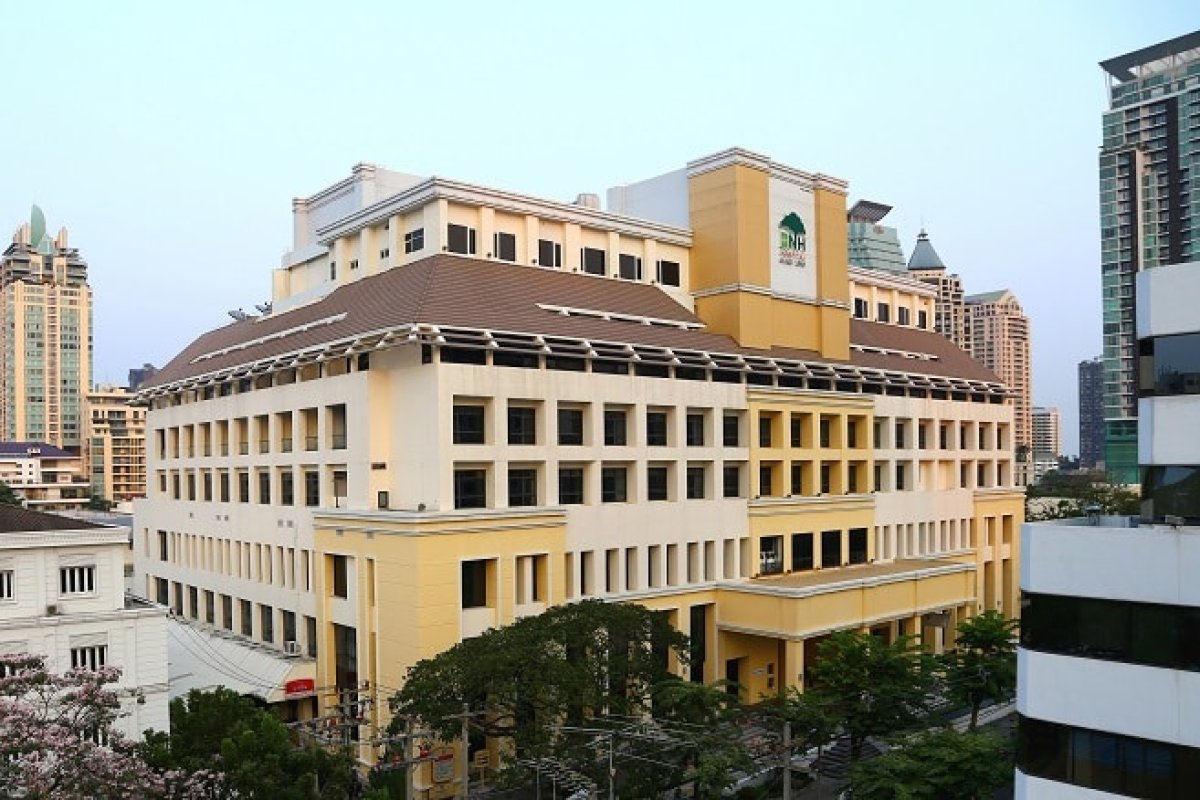



Obtenga una evaluación médica para Úlcera gástrica en Tailandia: consulte con doctores experimentados ahora
Ver todos los médicos
Pichai Kittipanyaworakul
Pichai Kittipanyaworakul, M.D., es internista. Se especializa en gastroenterología y hepatología.
Formación: Doctor en Medicina (M.D.), Facultad de Medicina, Universidad de Chiang Mai.
Acreditaciones: Diploma en Medicina Interna, Hospital Conmemorativo Chulalongkorn, Sociedad de la Cruz Roja Tailandesa. Diploma en Medicina Interna (Gastroenterología y Hepatología), Facultad de Medicina del Hospital Ramathibodi, Universidad Mahidol.

Pichai Kittipanyaworakul
El Dr. Pichai Kittipanyaworakul es especialista en medicina interna, gastroenterólogo y hepatólogo en el Hospital Intrarat de Bangkok. Posee un diploma en gastroenterología y hepatología del prestigioso Hospital Ramathibodi. El Dr. Kittipanyaworakul trata trastornos del tracto digestivo y afecciones hepáticas complejas. Trabaja en el Hospital Intrarat, un centro con certificación ISO que atiende a más de 100.000 pacientes al año.
- Realiza procedimientos especializados que incluyen r
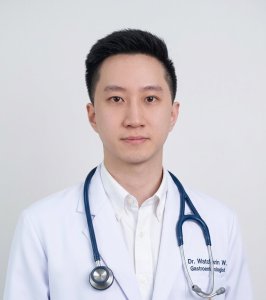
Watcharin Wichapolchaiyakul
El Dr. Watcharin Wichapolchaiyakul es gastroenterólogo y especialista en medicina interna certificado por la junta en el Hospital Siriraj de la Universidad de Mahidol, en Bangkok. Completó una subespecialización en gastroenterología y la formación para la certificación en medicina interna en Siriraj. Obtuvo el título de médico (MD) por la Facultad de Medicina del Hospital Siriraj y se graduó con honores de primera clase (GPA 3.90).
Su experiencia clínica abarca la infección por Helicob

Premkamol Patraithikul
El Dr. Premkamol Patraithikul es cirujano general con formación avanzada en técnicas mínimamente invasivas. Obtuvo el título de médico (M.D.) en la Universidad de Khon Kaen, realizó la residencia en cirugía general en la Universidad de Thammasat y completó una beca de subespecialización en cirugía laparoscópica en la Universidad de Mahidol (Hospital Siriraj), en Tailandia.
Su experiencia clínica incluye cirugía laparoscópica y robótica. Su práctica también abarca la cirugía general, la
Compartir contenido
Historias en video de pacientes de Bookimed
 Olena Sikoza
Preguntas frecuentes sobre el tratamiento de Úlcera gástrica en Tailandia
¿Cuáles son los principales métodos de tratamiento basados en evidencia para las úlceras gástricas en Tailandia?
El tratamiento basado en evidencia para las úlceras gástricas en Tailandia se centra en la erradicación de Helicobacter pylori y la supresión ácida. Las directrices nacionales tailandesas priorizan las terapias antibióticas secuenciales o concomitantes de 10 días. Los bloqueadores de ácido competitivos con potasio modernos, como el Vonoprazan, ofrecen altas tasas de curación. Las clínicas especializadas en Bangkok y Pattaya siguen protocolos acreditados por la JCI.
- Terapia de erradicación: Los regímenes secuenciales combinan un IBP, amoxicilina, metronidazol y claritromicina.
- Supresión ácida: Los IBP como el omeprazol o el esomeprazol se prescriben normalmente durante 6 a 8 semanas.
- Estándares de diagnóstico: Los hospitales acreditados por la JCI utilizan endoscopia avanzada para confirmar la curación y descartar malignidad.
- Experiencia especializada: Los gastroenterólogos altamente experimentados en Tailandia a menudo poseen becas de instituciones norteamericanas.
Perspectiva del experto de Bookimed: Los principales departamentos de gastroenterología de Tailandia, como los del Hospital Sikarin y el Bangkok Hospital Pattaya, gestionan volúmenes masivos de pacientes que superan los 250.000 al año. Esta alta frecuencia ha llevado a un enfoque específico en las bacterias resistentes a los medicamentos. Especialistas expertos como el Prof.
¿Qué hospitales en Tailandia están acreditados internacionalmente para una atención gastroenterológica segura y de alta calidad?
Tailandia alberga varios hospitales acreditados por la Joint Commission International (JCI) que brindan atención gastroenterológica segura. Instalaciones líderes como Bumrungrad International y Bangkok Hospital Pattaya mantienen estándares de seguridad globales. Estos centros utilizan endoscopia avanzada y unidades especializadas para tratar afecciones complejas como úlceras gástricas y enfermedades hepatobiliares.
- Bumrungrad International Hospital: Trata a más de 43,000 pacientes digestivos anualmente con servicios de endoscopia acreditados por EE. UU.
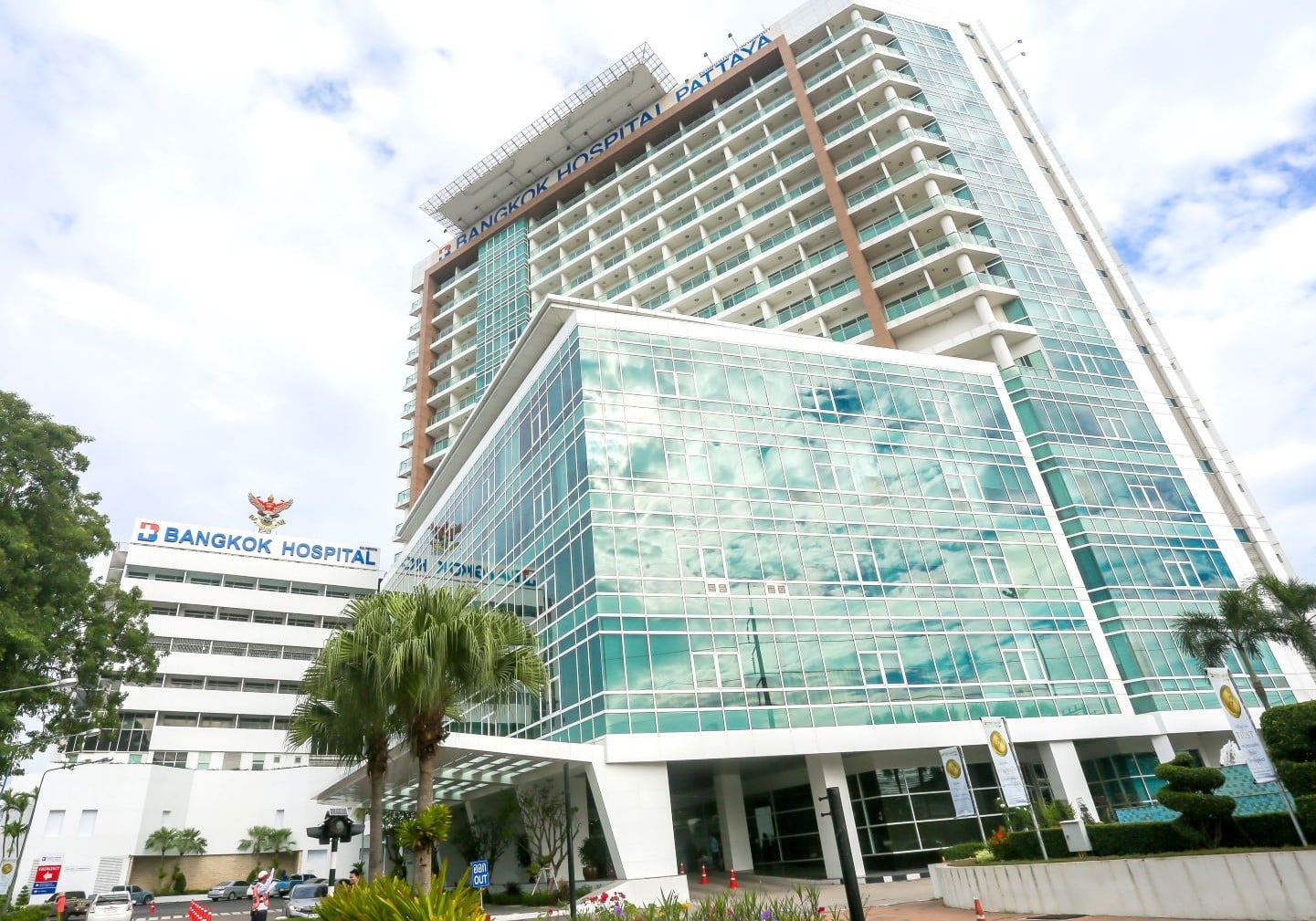
- Bangkok Hospital Pattaya: Instalación acreditada por la JCI dentro de la red BDMS que atiende a 400,000 pacientes al año.
- Sikarin Hospital: Posee certificaciones JCI e ISO mientras atiende a 255,000 pacientes internacionales anualmente.
- Especialistas expertos: Médicos como el Prof. Dr. Varocha Mahachai aportan más de 45 años de experiencia.
Perspectiva de expertos de Bookimed: Los datos muestran una alta concentración de experiencia dentro de la red BDMS. El Prof. Dr. Varocha Mahachai en el Bangkok Hospital Pattaya posee credenciales norteamericanas poco comunes, como una beca del Royal College of Physicians and Surgeons of Canada. Los pacientes que buscan atención compleja para úlceras deben buscar estos antecedentes académicos específicos para garantizar una precisión diagnóstica de es
¿Puedo obtener medicamentos para úlceras sin receta en Tailandia y qué precauciones debo tomar?
Puede obtener medicamentos comunes para las úlceras, como omeprazol y antiácidos, sin receta en Tailandia. Las farmacias de las grandes ciudades suelen tener marcas internacionales y genéricos locales asequibles. Sin embargo, los síntomas crónicos que requieren un diagnóstico deben ser evaluados por especialistas en centros acreditados por la JCI.
- Tipos de medicamentos: Los inhibidores de la bomba de protones como el omeprazol y los antiácidos líquidos están ampliamente disponibles.
- Puntos de venta autorizados: Compre en cadenas establecidas como Boots, Watsons o farmacias afiliadas a hospitales.
- Consulta profesional: Los farmacéuticos que hablan inglés en las zonas turísticas ofrecen orientación sobre la dosis y el uso.
- Monitoreo de síntomas: El dolor persistente puede requerir una prueba de H. pylori o una endoscopia en clínicas especializadas.
Perspectiva del experto de Bookimed: El panorama farmacéutico de Tailandia ofrece un equilibrio único entre accesibilidad y atención especializada de alto nivel. Si bien puede comprar IBP básicos en la mayoría de las farmacias urbanas, los pacientes con problemas de úlceras complejos a menudo buscan expertos como el Prof. Dr. Varocha Mahachai en el Bangkok Hospital Pattaya. Este centro cuenta con la acreditación de la JCI y atiende a 400.000 pacientes al año. Para un alivio a largo plazo, los v
¿Qué tan pronto puedo viajar después de un tratamiento de úlcera gástrica en Tailandia?
La mayoría de los pacientes pueden viajar entre 3 y 7 días después de un tratamiento no quirúrgico de úlcera gástrica. Si experimenta sangrado, espere de 10 a 14 días antes de volar. Los viajes después de una cirugía requieren de 10 a 14 días por seguridad. Los hospitales tailandeses acreditados por la JCI proporcionan autorización médica especializada para vuelos internacionales.
- Casos no quirúrgicos: Viajar es seguro dentro de 3 a 5 días si los síntomas son estables.
- Episodios de sangrado: Las aerolíneas a menudo requieren una espera de 14 a 21 días después de una hemorragia.
- Recuperación quirúrgica: Espere de 10 a 14 días después de una cirugía abdominal mayor para volar.
- Procedimientos laparoscópicos: Es posible viajar dentro de 4 a 7 días sin complicaciones.
Perspectiva del experto de Bookimed: Los centros de gastroenterología tailandeses como el Bangkok Hospital Pattaya atienden a más de 400,000 pacientes al año. Especialistas líderes como el Prof. Dr. Varocha Mahachai aportan más de 45 años de experiencia en el manejo de úlceras. Este alto volumen significa que las clínicas son expertas en gestionar autorizaciones de vuelo y trámites. Siempre solicite un certificado formal de "Fit to Fly" (apto para volar) a su especialista antes de reservar.
Consenso de los pacientes: Los pacientes señalan que es importan
¿Qué factores de estilo de vida debo seguir mientras recibo tratamiento para úlceras en Tailandia?
Los factores de estilo de vida para la terapia de úlceras gástricas en Tailandia se centran en la disciplina dietética y el manejo del estrés. Los pacientes deben evitar estrictamente los alimentos picantes `Thai Spicy` y el alcohol para prevenir la irritación de la mucosa. Mantener altos estándares de higiene y evitar los AINE como la aspirina son fundamentales para la curación bajo el cuidado de especialistas acreditados por la JCI.
- Control dietético: Evite el chile y la pimienta negra. Pida los platos `mai pet` para reducir la estimulación del ácido estomacal.
- Estándares de higiene: Coma comida callejera fresca y caliente. Prevenir la reinfección por H. pylori es vital para la recuperación.
- Nutrición blanda: Concéntrese en fideos de arroz, congee y pescado al vapor. Estos protegen el revestimiento del estómago.
- Modificación de hábitos: Deje de fumar y evite la cafeína. Dejar el tabaco aumenta significativamente la velocidad general de curación.
Perspectiva de expertos de Bookimed: Los centros de alto volumen de Tailandia, como el Bangkok Hospital Pattaya, que atiende a 400.000 pacientes al año, ofrecen una profunda experiencia especializada. El Prof. Dr. Varocha Mahachai tiene más de 45 años de experiencia en enfermedades de úlcera péptica. Elegir a un especialista veterano en un centro acreditado por la JCI garantiza el acceso a end
¿Está disponible un retratamiento si falla la erradicación de *H. pylori*?
El retratamiento para H. pylori está ampliamente disponible en Tailandia y se recomienda si la erradicación inicial falla. Las tasas de éxito siguen siendo altas mediante terapias de rescate que utilizan diferentes combinaciones de antibióticos. Los especialistas suelen recetar una terapia cuádruple con bismuto durante 10 a 14 días para superar la resistencia bacteriana después del fracaso del tratamiento de primera línea.
- Rotación de tratamiento: Los médicos nunca repiten los antibióticos que fallaron para evitar la resistencia bacteriana desarrollada.
- Regímenes de rescate: La terapia cuádruple con bismuto es la opción preferida de segunda línea en las clínicas tailandesas.
- Confirmación del éxito: Los pacientes deben esperar de 4 a 8 semanas antes de volver a realizarse pruebas mediante pruebas de aliento.
- Diagnóstico avanzado: Después de dos fracasos, los médicos recomiendan pruebas de sensibilidad para adaptar antibióticos específicos.
Perspectiva del experto de Bookimed: Tailandia es un centro de gastroenterología, con instalaciones como el Bangkok Hospital Pattaya que atiende a 400.000 pacientes al año. Especialistas altamente experimentados, como el Prof. Dr. Varocha Mahachai con más de 45 años de experiencia, a menudo manejan casos refractarios complejos. Elegir protocolos de 14 días en lugar de cursos de 7 días en centros acredi