Úlcera gástrica Tratamiento en China — Costos 2026


Revisado médicamente por
Fahad Mawlood
¿Cuál es el precio del diagnóstico y los tratamientos de Úlcera gástrica en China? Descubra ahora
Sus beneficios y garantías con Bookimed
Precios directos
Bookimed no añade cargos extra a los precios de los tratamientos de Úlcera gástrica. Las tarifas proceden de las listas de precios oficiales de las clínicas. Pagará directamente en la clínica por su tratamiento a su llegada al país.
Sólo clínicas y médicos verificados
Bookimed está comprometido con su seguridad. Solo trabajamos con las clínicas que mantienen altos estándares internacionales en el tratamiento de Úlcera gástrica y cuentan con las licencias necesarias para atender a pacientes internacionales en todo el mundo.
Asistencia 24/7 gratuita
Bookimed ofrece asistencia experta gratuita. Un coordinador médico personal le apoya antes, durante y después de su tratamiento, resolviendo cualquier problema. Nunca estará solo en su viaje médico de tratamiento de Úlcera gástrica.

Su coordinador médico personal de Bookimed
- Le apoya en cada etapa
- Ayuda a elegir la clínica y el médico adecuados
- Asegura un acceso rápido y conveniente a la información
Descubra las mejores clínicas de tratamiento de Úlcera gástrica en China: 1 opciones verificadas y Precios


Obtenga una evaluación médica para Úlcera gástrica en China: consulte con doctores experimentados ahora
Ver todos los médicos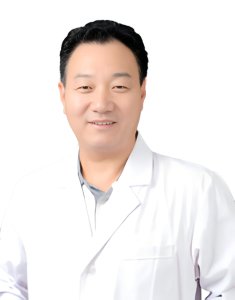
Sun Guangxi
孙冠曦, médico (Ph. D.), especialista en gastroscopia y colonoscopia indoloras. Ha trabajado durante años en los servicios de Gastroenterología y Unidades de Endoscopia de hospitales terciarios de primer nivel del país. Miembro de la Sección de Endoscopia Digestiva de la Asociación Médica China. Ha realizado varios miles de endoscopias digestivas diagnósticas y terapéuticas. Especializado en la detección endoscópica minuciosa y el manejo mínimamente invasivo del cáncer gástrico y colorrectal en

U Dun Fan

Liu Na
Médico jefe. Director y líder académico de Gastroenterología en el Hospital Popular Provincial de Hainan. Doctor en Medicina y supervisor de doctorado. Becario posdoctoral en Suiza e investigador visitante en Estados Unidos. Centrado en el diagnóstico y el tratamiento personalizado de los tumores gastrointestinales (GI), en especial los neuroendocrinos, y de las lesiones precancerosas.
Investigador principal de cuatro proyectos de la NSFC. Ha participado en unos 30 estudios nacionales.
Compartir contenido
Historias en video de pacientes de Bookimed
 Olena Sikoza
Preguntas frecuentes sobre el tratamiento de Úlcera gástrica en China
¿Es seguro el tratamiento de la úlcera estomacal en China para pacientes extranjeros?
El tratamiento de la úlcera gástrica en China es seguro en hospitales acreditados por la JCI (Junior Institute of China) con nivel III de clasificación A. Estas instituciones se adhieren a protocolos internacionales, como la terapia cuádruple con bismuto. Los grandes centros de Pekín y Shanghái cuentan con departamentos internacionales especializados. La endoscopia avanzada y los diagnósticos basados en inteligencia artificial garantizan una alta precisión durante los procedimientos.
- Clasificación hospitalaria: Los hospitales de clase A y nivel III representan el estándar médico más alto de China.
- Acreditación de seguridad: Los centros sanitarios acreditados por JCI, como el Hospital Internacional Janda, cumplen con los estándares mundiales de seguridad del paciente.
- Protocolos híbridos: Las clínicas suelen combinar la terapia farmacológica occidental con la medicina tradicional para acelerar la recuperación.
- Precisión diagnóstica: La endoscopia de alta resolución y las técnicas de imagen modernas son comparables a las tecnologías utilizadas en las instituciones médicas occidentales.
Opinión de expertos de Bookimed: Si bien muchos hospitales chinos atienden a un gran volumen de pacientes, el Hospital Internacional Yanda destaca. Atiende a 2.500.000 pacientes anualmente y cuenta con la prestigiosa categoría A Nivel III. Nuestros datos demu
¿Qué cualidades debería buscar al elegir un gastroenterólogo chino para el tratamiento de una úlcera de estómago?
Para seleccionar un gastroenterólogo chino para el tratamiento de la úlcera gástrica, debe confirmar su certificación del Examen Nacional de Licencia Médica (NMLE). Se recomienda optar por especialistas de hospitales de tercer nivel, como el Hospital Internacional Yanda. Estos expertos suelen completar el programa de residencia 5+3 y becas de especialización en gastroenterología.
- Clasificación de hospitales: Elija instalaciones de Clase A y Nivel III para endoscopia diagnóstica avanzada.
- Título clínico: Aspirar al título de Médico Jefe para el tratamiento de úlceras refractarias.
- Volumen de procedimientos realizados: Considere a los especialistas que realizan más de 50 exploraciones endoscópicas por semana.
- Normas internacionales: Para garantizar la seguridad a nivel mundial, dé prioridad a los hospitales acreditados por la Joint Commission International (JCI).
Opinión de un experto de Bookimed: En China, el volumen de pacientes es un indicador importante de calidad. El Hospital Internacional Yanda atiende a 2.500.000 pacientes al año. Esta enorme escala garantiza a médicos como el Dr. Wu Dong Fan una alta precisión diagnóstica. Los grandes centros suelen tener una amplia experiencia con los patrones locales de resistencia a los antibióticos. Este conocimiento es vital para el tratamiento exitoso de las infecciones por Helicobacter pylori
¿Qué tratamientos se ofrecen habitualmente para las úlceras estomacales en China?
En China, el tratamiento de la úlcera gástrica combina protocolos occidentales modernos con la medicina tradicional china (MTC). Los médicos suelen prescribir un tratamiento cuádruple con bismuto durante 14 días para erradicar la bacteria Helicobacter pylori. Grandes centros, como el Hospital Internacional Yanda en Pekín, utilizan estándares acreditados por la JCI para el diagnóstico y la atención gastroenterológica especializada.
- Terapia triple/cuádruple: Los inhibidores de la bomba de protones, el bismuto y los antibióticos se utilizan para tratar las infecciones por Helicobacter pylori.
- Gastroscopia diagnóstica: la biopsia endoscópica de rutina descarta la malignidad en centros urbanos.
- Medicina integrativa: Las infusiones de hierbas y la acupuntura complementan los tratamientos farmacológicos convencionales.
- Clasificación del hospital: Clase A. Las clínicas de nivel III brindan el más alto nivel de servicios.
Opinión experta de Bookimed: El Hospital Internacional Yanda atiende a más de 2.500.000 pacientes al año. Este enorme volumen permite a los gastroenterólogos tratar diariamente complicaciones poco frecuentes de la úlcera péptica. El hospital cuenta con la calificación de Nivel III de Clase A, la máxima categoría médica disponible en China. Los pacientes se benefician de 28.500 tecnologías modernas, además de la medicina tradicion
¿Cuáles son las principales complicaciones o riesgos asociados a la cirugía de úlcera gástrica realizada en China?
Los procedimientos para el tratamiento de úlceras gástricas en China conllevan riesgos como infecciones del sitio quirúrgico y fugas anastomóticas. Los centros médicos chinos reportan una tasa de éxito del 92,5 % en la prevención de infecciones durante la cirugía abdominal. La gastrectomía parcial reduce la tasa de recurrencia a largo plazo al 2,5 %. Las técnicas sencillas de cierre de heridas garantizan una recuperación más rápida en perforaciones de emergencia.
- Control de infecciones: La incidencia de infecciones del sitio quirúrgico es de aproximadamente el 7,5% en casos de emergencia.
- Riesgo de recurrencia: Con los métodos de cierre primario de heridas, la tasa de recurrencia oscila entre el 16,7% y el 20%.
- Seguridad del procedimiento: Tras la gastrectomía, la tasa de supervivencia después de la cirugía es de al menos el 76%.
- Riesgos de los procedimientos endoscópicos: La disección submucosa conlleva un riesgo potencial de hemorragia tardía o perforación menor.
Según los expertos de Bookimed: Elegir un hospital de nivel III, clase A en Pekín mejora significativamente la seguridad quirúrgica. El Hospital Internacional Yanda cuenta con 3000 camas y realiza 9000 cirugías al año. Estos grandes centros combinan protocolos internacionales con enfoques tradicionales. Esta combinación contribuye a reducir eficazmente los síntomas postoperator
¿Cuánto tiempo tendré que permanecer en China para someterme a exámenes y recuperarme de una úlcera de estómago?
Los pacientes que viajan a China para ser examinados por una úlcera gástrica suelen permanecer hospitalizados entre 3 y 10 días. Las pruebas diagnósticas, incluida la endoscopia, suelen durar entre 1 y 2 días. En caso de complicaciones, como hemorragias, se prevé una hospitalización de 3 a 4 días. Los casos quirúrgicos requieren una hospitalización de una semana.
- Proceso diagnóstico: Los análisis de sangre estándar y la endoscopia tardan de 1 a 2 días.
- Observación aguda: Las úlceras sangrantes generalmente requieren observación durante 3-4 días.
- Recuperación postoperatoria: Procedimientos como la piloroplastia requieren de 5 a 10 días de hospitalización.
- Recuperación clínica: La recuperación completa requiere de 6 a 8 semanas de tratamiento farmacológico.
Opinión de expertos de Bookimed: El Hospital Internacional Yanda atiende a 2.500.000 pacientes anualmente y cuenta con la acreditación JCI. Este elevado volumen de pacientes suele propiciar la estandarización y la eficacia de los protocolos clínicos en gastroenterología. Los pacientes se benefician de los estándares de un centro médico de categoría A, nivel III, en Pekín. Esta alta rotación de pacientes garantiza que especialistas como el Dr. Wu Dong Fan posean una amplia experiencia diagnóstica.
Opinión de los pacientes: Los pacientes recomiendan planificar unas
¿Qué recomendaciones dietéticas y farmacológicas recibiré después del tratamiento antes de salir de China?
Antes de salir de China, recibirá un resumen de alta, una lista de medicamentos y recomendaciones dietéticas. Los pacientes suelen llevar consigo un suministro de medicamentos para cuatro semanas. Para pasar la aduana, deberá presentar un certificado médico, una declaración de riesgos y recetas oficiales en inglés y chino.
- Medicamentos: Por lo general, a los pacientes se les proporciona un suministro de cuatro semanas de los medicamentos recetados para afecciones gastrointestinales.
- Documentación aduanera: Para transportar cualquier medicamento, deberá presentar un certificado médico y recetas oficiales.
- Restricciones alimentarias: Se deben evitar los irritantes como el café, el alcohol y las especias picantes durante tres meses.
- Regula la ingesta de líquidos: Bebe agua entre 30 y 45 minutos después de las comidas para asegurar una absorción óptima de los alimentos.
Opinión de expertos de Bookimed: Si bien hospitales chinos como el Hospital Internacional Yanda ofrecen servicios modernos de gastroenterología, no siempre se garantizan instrucciones escritas en inglés. Esta institución atiende a más de 2.500.000 pacientes anualmente y cuenta con la acreditación JCI. Siempre tome fotografías de las instrucciones verbales y solicite los nombres genéricos internacionales de todos los medicamentos. Esto garantizará que su médico pueda gestionar
¿Me quedarán cicatrices visibles después de una cirugía endoscópica o laparoscópica de úlcera gástrica en China?
La cirugía endoscópica de úlcera gástrica en China no deja cicatrices externas, ya que se realiza por vía oral. Los procedimientos laparoscópicos se llevan a cabo mediante tres a cinco pequeñas incisiones, cada una de entre 0,5 y 1 pulgada. Las cicatrices resultantes suelen desvanecerse hasta convertirse en líneas finas y apenas perceptibles en un plazo de seis a dieciocho meses.
- Abordaje endoscópico: Se introduce un tubo flexible a través de la garganta. Esto no deja cicatrices externas.
- Incisiones laparoscópicas: Incluyen de 3 a 5 pequeños puertos abdominales. Las incisiones generalmente no superan los 2,5 cm.
- Técnica de incisión única: En algunos centros de Pekín, el punto de inyección se oculta en los pliegues naturales del ombligo.
- Tiempo de recuperación: El enrojecimiento inicial disminuirá significativamente entre 6 y 12 meses después de la cirugía.
- Resultados estéticos: Clínicas avanzadas como Yanda International dan prioridad a las técnicas de medicina estética mínimamente invasivas.
Opinión de los expertos de Bookimed: Los pacientes suelen pasar por alto que los hospitales de categoría A III en China atienden a un gran volumen de pacientes. El Hospital Internacional Yanda trata a 2.500.000 pacientes al año. Esta alta frecuencia de procedimientos ayuda a los cirujanos a perfeccionar la precisión de la su