Úlcera gástrica en Alemania: las 10 mejores clínicas para su tratamiento


Revisado médicamente por
Fahad Mawlood
¿Cuál es el precio del diagnóstico y los tratamientos de Úlcera gástrica en Alemania? Descubra ahora
Sus beneficios y garantías con Bookimed
Precios directos
Bookimed no añade cargos extra a los precios de los tratamientos de Úlcera gástrica. Las tarifas proceden de las listas de precios oficiales de las clínicas. Pagará directamente en la clínica por su tratamiento a su llegada al país.
Sólo clínicas y médicos verificados
Bookimed está comprometido con su seguridad. Solo trabajamos con las clínicas que mantienen altos estándares internacionales en el tratamiento de Úlcera gástrica y cuentan con las licencias necesarias para atender a pacientes internacionales en todo el mundo.
Asistencia 24/7 gratuita
Bookimed ofrece asistencia experta gratuita. Un coordinador médico personal le apoya antes, durante y después de su tratamiento, resolviendo cualquier problema. Nunca estará solo en su viaje médico de tratamiento de Úlcera gástrica.

Su coordinador médico personal de Bookimed
- Le apoya en cada etapa
- Ayuda a elegir la clínica y el médico adecuados
- Asegura un acceso rápido y conveniente a la información
Descubra las mejores clínicas de tratamiento de Úlcera gástrica en Alemania: 10 opciones verificadas y Precios









Hospital in the Pfeiffer`s foundations

DRK Westend Clinic Berlin



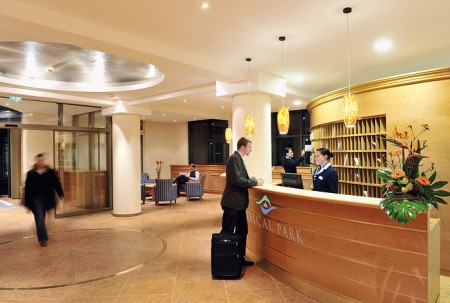
Medical Park AG
Obtenga una evaluación médica para Úlcera gástrica en Alemania: consulte con doctores experimentados ahora
Ver todos los médicos
Peter Schenker
Cirujano jefe del Departamento de Cirugía – introdujo métodos quirúrgicos modernos con un enfoque en técnicas mínimamente invasivas, incluida la robótica.
- Especialista en cirugía visceral con experiencia en oncología gastrointestinal
- Coordinador del Centro de Cáncer de Páncreas (Oncocert)
- Especialización clínica adicional en cirugía mínimamente invasiva y de hernias
- Investigador y profesor activo en universidades médicas

Viktor Alexander Krol
El Dr. Viktor Alexander Krol dirige el Departamento de Gastroenterología en el St. Martinus-Krankenhaus de Düsseldorf, especializándose en tratamientos avanzados para úlceras gástricas.
- Jefe de Gastroenterología y Medicina Interna con amplia experiencia
- Director de un centro certificado de tratamiento de la obesidad
- Utiliza las últimas tecnologías endoscópicas y de diagnóstico
- Proporciona un tratamiento integral para las enfermedades gastrointestinales

Siegbert Rossol
36 años especializado en gastroenterología – el Dr. Rossol aporta una profunda experiencia en el tratamiento de úlceras gástricas en la Clínica Nordwest.
- Realizó más de 1100 procedimientos con enfoque en ecografía intervencionista
- Miembro del Consejo Europeo de Gastroenterología
- Formado en el Instituto de Estudios Hepáticos del King's College de Londres
- Publicaciones en revistas médicas nacionales e internacionales
Compartir contenido
Historias en video de pacientes de Bookimed
 Olena Sikoza
Preguntas frecuentes sobre el tratamiento de Úlcera gástrica en Alemania
¿Qué tan seguro y efectivo es el tratamiento de las úlceras gástricas en los hospitales alemanes?
El tratamiento de las úlceras gástricas en los hospitales alemanes es altamente seguro y efectivo. Las terapias médicas estándar logran tasas de éxito superiores al 90%. Los inhibidores de la bomba de protones a menudo alcanzan tasas de curación del 95% en ocho semanas. Las instalaciones utilizan con frecuencia técnicas endoscópicas avanzadas como EMR o ESD para casos complejos. Las rigurosas certificaciones ISO y JCI garantizan una gestión de calidad de primer nivel.
- Éxito del tratamiento: Las terapias triples o cuádruples logran una erradicación de H. pylori del 90%.
- Diagnóstico avanzado: Las clínicas utilizan pruebas de aliento con urea y endosonografía intervencionista.
- Atención de emergencia: Las úlceras sangrantes a menudo reciben tratamiento endoscópico dentro de las 24 horas.
- Experiencia especializada: Cirujanos como el Dr. Siegbert Rossol tienen más de 30 años de experiencia.
Perspectiva del experto de Bookimed: Los hospitales universitarios alemanes como los de Aquisgrán y Erlangen manejan volúmenes masivos de pacientes. Solo Aquisgrán trata a 250.000 pacientes al año. Este alto volumen impulsa la competencia técnica en endoscopias intervencionistas complejas. Clínicas como Nordwest y Solingen invierten fuertemente en equipos quirúrgicos modernos. Este enfoque en la tecnología resulta en altas tasas de éxito en el rescate de h
¿Tendré cicatrices visibles después de una cirugía de úlcera gástrica en Alemania?
Las cicatrices visibles son mínimas después de una cirugía de úlcera gástrica en Alemania debido al uso estándar de técnicas laparoscópicas. La mayoría de los pacientes reciben de 3 a 5 incisiones diminutas que miden de 0,5 cm a 1,5 cm. Estas pequeñas marcas generalmente se desvanecen hasta convertirse en líneas finas y tenues en un plazo de 1 a 2 años.
- Enfoque quirúrgico: La cirugía laparoscópica es la opción estándar para pacientes estables en clínicas alemanas.
- Tamaño de la incisión: Los puertos mínimamente invasivos varían de 0,5 cm a 1,5 cm de longitud.
- Ubicación de la cicatriz: Los cirujanos a menudo ocultan la incisión más grande dentro de los pliegues naturales del ombligo.
- Cronología de curación: Las cicatrices generalmente pasan de rosa a líneas blancas casi invisibles en 24 meses.
- Cirugía abierta: Los casos de emergencia por perforaciones grandes pueden requerir una incisión de 10 cm a 30 cm.
Perspectiva de expertos de Bookimed: Los departamentos quirúrgicos alemanes, como el Centro Médico de Solingen, están cambiando hacia alas especializadas en cirugía robótica y visceral. Estos centros gestionan grandes volúmenes de más de 60.000 pacientes al año. Nuestros datos muestran que los hospitales alemanes de alto volumen priorizan las suturas subcutáneas y la terapia con silicona. Esta combinación genera
¿Cuánto tiempo debo permanecer en Alemania para la evaluación y el tratamiento de una úlcera gástrica?
Una evaluación de úlcera gástrica en Alemania suele requerir de 1 a 5 días. Las endoscopias diagnósticas y la estabilización inicial suelen llevar 48 horas. Los casos complejos que implican biopsias o monitorización activa de hemorragias suelen prolongar la estancia a 10 días. La recuperación completa con medicación continúa durante 4 a 8 semanas.
- Plazo de diagnóstico: Las endoscopias suelen completarse en 1 a 3 días.
- Estancia de monitorización: La estabilización de úlceras sangrantes suele requerir de 3 a 4 días de observación.
- Recuperación quirúrgica: La reparación laparoscópica de úlceras perforadas promedia de 9 a 10 días.
- Ventana de resultados: Las biopsias y los controles de malignidad suelen estar listos en 2 a 4 días.
Perspectiva del experto de Bookimed: Los pacientes priorizan los hospitales universitarios como los de Aquisgrán o Erlangen para una admisión rápida. Las grandes redes alemanas gestionaron más de 1.870 solicitudes de gastroenterología a través de Bookimed. Los centros de mayor volumen, como la Clínica de Renania del Norte-Westfalia con 145.000 pacientes anuales, suelen ofrecer el diagnóstico más rápido. Aunque la observación clínica es breve, recomendamos permanecer 7 días para asegurar la estabilidad de la medicación antes de volar.
Consenso de los pacientes: Los pacientes señalan que los h
¿Qué certificados o cualificaciones debo buscar en el médico tratante?
Los médicos que tratan úlceras gástricas en Alemania deben poseer una licencia médica estatal válida (Approbation). Busque un especialista certificado en medicina interna y gastroenterología (Facharzt für Innere Medizin und Gastroenterologie). La membresía en la Sociedad Alemana de Enfermedades Digestivas y Metabólicas (DGVS) indica altos estándares clínicos.
- Certificación de especialista: La cualificación de Facharzt garantiza la finalización formal de la residencia y el examen de especialidad.
- Enfoque en gastroenterología: Busque la credencial de Fellow of the European Board of Gastroenterology (FEBU).
- Ranking clínico: Las clínicas aparecen frecuentemente en la lista de centros médicos líderes de la revista Focus.
- Calidad institucional: Elija hospitales con certificaciones KTQ o ISO para una seguridad del paciente estandarizada.
Perspectiva de expertos de Bookimed: Aunque la certificación de la junta es estándar, priorice a los médicos de hospitales universitarios para úlceras complejas. El Dr. Siegbert Rossol en la Clínica Nordwest y el Dr. Viktor Alexander Krol en el St. Martinus-Krankenhaus poseen múltiples becas internacionales. Estos expertos de alto volumen a menudo supervisan a más de 60,000 pacientes al año, lo que se correlaciona con una mejor precisión diagnóstica en endoscopia.
Consenso de los pacientes:
¿Existen tratamientos endoscópicos (no quirúrgicos) para las úlceras complicadas?
Los tratamientos endoscópicos son opciones primarias no quirúrgicas para las úlceras gástricas complicadas en Alemania. Herramientas avanzadas como los clips "Over-the-Scope" (OTSC) reparan ahora pequeñas perforaciones sin necesidad de cirugía abierta. Los gastroenterólogos especialistas también utilizan terapia de inyección, clips mecánicos y coagulación térmica para detener el sangrado activo con altas tasas de éxito.
- Control de sangrado: Las inyecciones de adrenalina y las sondas térmicas logran un 90% de éxito en la detención del sangrado activo.
- Reparación de perforaciones: Los clips especializados OTSC, conocidos como "garras de oso", sellan pequeños orificios en la pared estomacal.
- Manejo de obstrucciones: La dilatación endoscópica con balón estira el tejido cicatricial para restaurar el paso normal de los alimentos.
- Experiencia especializada: El Dr. Siegbert Rossol en Frankfurt cuenta con más de 30 años de experiencia intervencionista.
Opinión del experto de Bookimed: Aunque muchos creen que la cirugía es inevitable ante complicaciones, centros alemanes como la Clínica Nordwest y el Centro Médico de Solingen priorizan primero la ecografía intervencionista y la endoscopia. Los datos muestran que estas clínicas de alto volumen atienden a más de 60,000 pacientes al año. A menudo utilizan equipos Olympus para realizar sellados OTSC
¿Cuáles son los síntomas típicos post-procedimiento que debo esperar antes del alta?
Los síntomas típicos post-procedimiento para el tratamiento de úlceras gástricas en Alemania incluyen calambres abdominales leves y dolor de garganta debido a los instrumentos endoscópicos. Los pacientes a menudo experimentan hinchazón o gases debido a la insuflación de aire. La mayoría de los síntomas desaparecen en un plazo de 24 a 48 horas a medida que los efectos de la anestesia y la sedación disminuyen.
- Molestias en la garganta: La ronquera intensa o el dolor causado por el endoscopio pueden durar 2 días.
- Hinchazón abdominal: Los gases o el aire atrapados en el estómago causan presión temporal o hipo.
- Efectos neurológicos: Se espera somnolencia y mareos durante al menos 24 horas después de la sedación.
- Cambios digestivos: Las heces alquitranadas o negras son residuos normales después de ciertas inyecciones para úlceras gástricas.
Perspectiva de expertos de Bookimed: Las clínicas alemanas como la Nordwest Clinic y el Medical Center en Solingen se enfocan en una recuperación rápida mediante técnicas mínimamente invasivas. Aunque muchos esperan una estancia larga, nuestros datos muestran que la mayoría de los pacientes están lo suficientemente estables para recibir el alta en un plazo de 2 a 4 horas. Especialistas como el Dr. Siegbert Rossol, con más de 30 años de experiencia, enfatizan el monitoreo de los signos vitales hasta que los
¿Los hospitales alemanes tratan solo a residentes o también a pacientes internacionales?
Los hospitales alemanes tratan tanto a residentes como a pacientes internacionales a través de un sistema médico estructurado. La mayoría de las instalaciones están abiertas a no residentes para recibir atención especializada. Los hospitales universitarios y las clínicas privadas cuentan con departamentos dedicados a los extranjeros. Estos centros ofrecen diagnósticos y cirugías para afecciones como úlceras gástricas a miles de visitantes internacionales cada año.
- Acceso hospitalario: Instalaciones como el Hospital Universitario de Aquisgrán tratan a más de 250.000 pacientes al año, independientemente de su nacionalidad.
- Experiencia especializada: Clínicas como Nordwest Frankfurt emplean a expertos como el Dr. Siegbert Rossol para gastroenterología.
- Estándares de calidad: Los centros acreditados mantienen estrictos protocolos de seguridad verificados por organismos como la Sociedad Alemana del Cáncer.
- Sistemas de facturación: La fijación de precios estandarizada garantiza que los pacientes internacionales reciban tarifas transparentes similares a las de los residentes locales.
Perspectiva del experto de Bookimed: Los datos muestran que los hospitales universitarios alemanes manejan los mayores volúmenes de pacientes, mientras que las clínicas privadas más pequeñas ofrecen un servicio más personalizado. Instituciones como el Complejo Clí
¿Qué hospitales en Alemania tienen las calificaciones más altas en neurocirugía?
Alemania alberga algunos de los departamentos de neurocirugía más prestigiosos del mundo, liderados por la Charité – Universitätsmedizin Berlin y el Hospital Universitario de Heidelberg. Estos centros destacan en el tratamiento de tumores cerebrales complejos y enfermedades cerebrovasculares. Para maximizar la eficacia de sus procedimientos, utilizan tecnologías de vanguardia como la resonancia magnética intraoperatoria y la neuronavegación asistida por computadora.
- Charité Berlín: Realiza más de 5000 cirugías al año. La clínica está dirigida por el reconocido neurocirujano Dr. Peter Vaikoczy.
- Centro Médico Solingen: El Dr. Ralf Buhl ha realizado más de 4.000 cirugías, incluidas cirugías de columna mínimamente invasivas.
- Clínica Asklepios Nord: equipada con el único sistema de resonancia magnética intraoperatoria bilateral de Alemania para garantizar precisión quirúrgica en tiempo real durante la extirpación del tumor.
- Clínica Nordwest: reconocida por la revista Newsweek como un hospital líder por su innovación en tecnología de ultrasonido 3D.
Opinión experta de Bookimed: Los datos muestran que elegir centros con un alto volumen quirúrgico suele llevar a recomendaciones de tratamiento más conservadoras. En el Centro Médico Solingen, que atiende a más de 60.000 pacientes al año, los cirujanos suelen sugerir fisioterapia en lugar de cirugía
¿Cuáles son las tasas de éxito de los procedimientos neuroquirúrgicos complejos en Alemania?
En Alemania, los procedimientos neuroquirúrgicos de alta complejidad demuestran una seguridad excepcional. Las tasas de éxito en las fusiones espinales alcanzan el 99 %. La tasa de supervivencia en las resecciones de tumores cerebrales primarios es del 97 %. La independencia funcional es alta. Más del 82 % de los pacientes reciben el alta inmediatamente después del tratamiento. Los centros alemanes priorizan la preservación de la función neurológica mediante técnicas modernas de mapeo.
- Resección de tumores: los cirujanos logran una resección tumoral completa en el 87,2% de los casos de metástasis cerebrales.
- Éxito en el tratamiento de enfermedades vasculares: los hospitales alemanes informan de una tasa de supervivencia del 98,7% para aneurismas no rotos.
- Mejora del estado neurológico: casi el 43% de los pacientes experimentan una mejora de los parámetros funcionales después de resecciones complejas.
- Seguridad de las intervenciones quirúrgicas: En grandes centros quirúrgicos, las tasas de supervivencia de los pacientes después de la cirugía de columna son del 98-99%.
Opinión experta de Bookimed: Cirujanos experimentados como el Dr. Uwe Köhler, de la Clínica Asklepios Altona, realizan más de 2000 cirugías al año. Los datos muestran que estos especialistas mantienen tasas de éxito de hasta el 90 %, incluso en los tumores cerebrales más comp
¿Qué tecnologías avanzadas suelen estar disponibles en las clínicas neuroquirúrgicas alemanas?
Las clínicas neuroquirúrgicas alemanas incorporan regularmente instrumentos digitales de alta precisión y visualización en tiempo real a la práctica quirúrgica. Entre las tecnologías clave se encuentra la neuronavegación computarizada para cirugías de cerebro y médula espinal. Instituciones como la Clínica Asklepios Nord utilizan la resonancia magnética intraoperatoria para verificar la extirpación de tumores en tiempo real. Estos sistemas proporcionan a los cirujanos navegación GPS 3D.
- Neuronavegación: proporciona visualización 3D y seguimiento de instrumentos en tiempo real para lograr precisión quirúrgica hasta el nivel submilimétrico.
- Imágenes intraoperatorias: sistemas como iMRI y O-arm CT permiten la confirmación inmediata de una resección exitosa.
- Neuromonitorización: Monitorea las funciones motoras y sensoriales durante la cirugía para proteger el sistema nervioso.
- Diagnóstico de fluorescencia: se utiliza el colorante 5-ALA para resaltar los bordes del tumor para una eliminación más completa.
- Asistencia robótica: Sistemas como el Da Vinci mejoran la precisión en procedimientos complejos y mínimamente invasivos.
Opinión experta de Bookimed: Grandes centros como la Charité – Universitätsmedizin de Berlín realizan más de 4000 procedimientos neuroquirúrgicos al año, lo que crea un entorno rico en datos para p