Ir a inicio
820К+ pacientes han recibido asistencia desde 2014
50 países
1,500 clínicas
6K+ reseñas
3K+ médicos calificados

¿Cuál es el precio del diagnóstico y los tratamientos de Hidrocele en Corea del Sur? Descubra ahora

El precio se proporciona bajo petición
Corea del SurEspañaTurquía
Hidrocelectomía-de $3,500de $2,700
Datos verificados por Bookimed a partir de July 2026, basados en solicitudes de pacientes y cotizaciones oficiales de 34 clínicas en todo el mundo. Los costos medianos se basan en facturas reales (2025–2026) y se actualizan mensualmente. Los precios reales pueden variar.

Sus beneficios y garantías con Bookimed

Precios directos

Bookimed no añade cargos extra a los precios de los tratamientos de Hidrocele. Las tarifas proceden de las listas de precios oficiales de las clínicas. Pagará directamente en la clínica por su tratamiento a su llegada al país.

Sólo clínicas y médicos verificados

Bookimed está comprometido con su seguridad. Solo trabajamos con las clínicas que mantienen altos estándares internacionales en el tratamiento de Hidrocele y cuentan con las licencias necesarias para atender a pacientes internacionales en todo el mundo.

Asistencia 24/7 gratuita

Bookimed ofrece asistencia experta gratuita. Un coordinador médico personal le apoya antes, durante y después de su tratamiento, resolviendo cualquier problema. Nunca estará solo en su viaje médico de tratamiento de Hidrocele.

¿Por qué nosotros?

Su coordinador médico personal de Bookimed

  • Le apoya en cada etapa
  • Ayuda a elegir la clínica y el médico adecuados
  • Asegura un acceso rápido y conveniente a la información

Descubra las mejores clínicas de tratamiento de Hidrocele en Corea del Sur: 1 opciones verificadas y Precios

El ranking de clínicas de Bookimed se basa en algoritmos de data science, ofreciendo una comparación confiable, transparente y objetiva. Tiene en cuenta la demanda de pacientes, las puntuaciones de reseñas (positivas y negativas), la frecuencia de actualización de opciones de tratamiento y precios, la rapidez de respuesta y las certificaciones de las clínicas.

Obtenga una evaluación médica para Hidrocele en Corea del Sur: consulte con doctores experimentados ahora

Ver todos los médicos
verificado

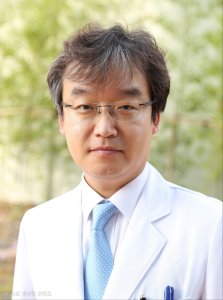
Son Dong-wan

31 años de experiencia

El Dr. Son Dong-wan está especializado en oncología urológica, incontinencia urinaria y disfunción sexual. Realiza cirugía prostática con láser. Ofrece tratamiento robótico y laparoscópico para cáncer de próstata, vejiga, uréter y riñón. También trata la obstrucción de la unión pieloureteral.

Su práctica mínimamente invasiva incluye nefrectomía y prostatectomía laparoscópicas. Realiza resección transuretral de tumor vesical y resección transuretral de próstata por cistoscopia. Ofrece ureteroscopia con láser para extracción de cálculos y nefrolitotomía percutánea. Trata la hiperplasia prostática benigna (HPB), prostatitis, litiasis urinaria, cáncer testicular, incontinencia urinaria de esfuerzo (IUE), vejiga hiperactiva (VHA) e infertilidad masculina.

Compartir contenido

Historias en video de pacientes de Bookimed

Dayana
Combiné mis vacaciones en Antalya con un chequeo médico.
Procedimiento: Chequeo femenino
Igor
¡Fue genial! Traslados, alojamiento, tratamiento, todo incluido.
Procedimiento: Implante dental
Clínica: WestDent Clinic
Marina
Bookimed se encargó de todo. No tuve que preocuparme por nada.
Procedimiento: Chequeo femenino
Actualizado: 06/30/2026
Escrito por
Olena Sikoza
Olena Sikoza
Сopywriter en español
Copywriter médica certificada responsable del contenido en español de Bookimed. Más de 7 años de experiencia en redacción sobre salud y turismo médico, con formación académica en edición científica y desarrollo de contenidos.
Fahad Mawlood
Editor médico y Científico de datos
Médico general. Ganador de 4 premios científicos. Sirvió en Asia Occidental. Es el ex jefe del equipo médico que soporta a pacientes de habla árabe. Ahora es responsable del procesamiento de datos y la precisión del contenido médico.
Fahad Mawlood Linkedin
Esta página puede incluir información relacionada con diversas afecciones médicas, tratamientos y servicios de salud disponibles en diferentes países. Tenga en cuenta que el contenido se proporciona sólo con fines informativos y no debe interpretarse como asesoramiento médico o orientación. Por favor consulte con su médico o con un profesional médico calificado antes de comenzar o cambiar el tratamiento médico.

Preguntas frecuentes sobre el tratamiento de Hidrocele en Corea del Sur

Estas preguntas frecuentes provienen de pacientes reales que buscan atención médica a través de Bookimed. Las respuestas son proporcionadas por coordinadores médicos experimentados y representantes autorizados de las clínicas.

What is the most effective treatment for a hydrocele in Korea?

Hydrocelectomy is the most effective treatment for a hydrocele in Korea. This surgery removes or repairs the fluid-filled sac. It provides a definitive cure with recurrence rates under 1%. Korean urologists prioritise laparoscopic and mini-incision techniques at accredited facilities such as NAEUN Hospital.

  • Hydrocelectomy procedure: Surgeons excise or fold the sac to prevent fluid re-accumulation.
  • Minimally invasive options: Korean clinics use mini-incisions to reduce scarring and post-operative pain.
  • Laparoscopic surgery: Specialists like Dr Son Dong-wan use cameras for precise internal repairs.
  • Sclerotherapy alternative: Aspiration and chemical sealing suit patients who cannot undergo general anaesthesia.

Bookimed Expert Insight: Many countries treat hydrocele as a minor issue. However, South Korean urology centres often integrate it into specialised oncology or robotic units. NAEUN Hospital serves 500,000 patients annually and maintains KOIHA accreditation. This means even routine scrotal surgeries meet the same safety standards. They match those for complex prostate or kidney cancer procedures.

Patient Consensus: Patients note that drainage is faster. However, it almost always leads to the fluid returning within weeks. They recommend definitive surgery. They also advise using firm scrotal support for up to eight weeks. This helps manage post-operative swelling in Korea.

What is the recovery time and post-operative care for hydrocele treatment in Korea?

Hydrocele recovery in Korea typically takes 4 to 6 weeks for full healing. Surgeons often perform minimally invasive hydrocelectomy as a day-only procedure. Most patients are discharged within 2 to 24 hours. Initial swelling and bruising usually last 1 to 2 weeks.

  • Activity return: Most patients resume sedentary work within 4 to 7 days.
  • Physical restrictions: Avoid heavy lifting and strenuous exercise for 2 to 4 weeks.
  • Post-operative support: Wear supportive underwear for 2 weeks to reduce scrotal swelling.
  • Wound care: Keep the incision dry for 24 to 48 hours after surgery.

Bookimed Expert Insight: Korean healthcare relies on KOIHA-certified facilities like NAEUN HOSPITAL for international safety standards. With over 90 doctors and 500,000 annual patients, these large-scale centres provide high-volume surgical expertise. Patients benefit from specialists like Dr Son Dong-wan, who focuses on urological oncology and laparoscopic techniques.

Patient Consensus: Patients find the first 2 weeks have the most swelling. They recommend scrupulous rest for the first 3 days. Many patients find a jockstrap essential for walking comfort in the first month.

Is hydrocele surgery done as an outpatient procedure in Korea?

Hydrocele surgery is typically an outpatient procedure in the Republic of Korea. Specialists perform the surgery in approximately 1 hour. Most patients return home the same day. Korean centres often use specialised window techniques to reduce complications and speed up recovery times.

  • Anaesthesia options: Surgeons perform the repair under general or spinal anaesthesia.
  • Likely discharge: Patients usually leave hospital on the day of surgery.
  • Recovery timeframe: Return to normal daily activities usually takes 4 to 7 days.
  • Specialist expertise: Surgeons like Dr Son Dong-wan at Naeun Hospital specialise in urology.

Bookimed Expert Insight: Many think smaller clinics handle minor urology. However, major centres like Naeun Hospital in Incheon manage 500,000 patients annually. These large-scale facilities maintain 27 specialised departments. This gives urologists immediate access to diverse equipment for complex or recurring cases.

Patient Consensus: Patients find the process in Korea straightforward and efficient with minimal waiting for pre-operative checks. Many note the operation is quick. However, they add that planning for several weeks of post-surgical swelling is essential.

What type of anaesthesia is used for hydrocelectomy in Korea?

Anaesthesia for hydrocelectomy in Korea typically involves general anaesthesia, spinal regional blocks, or local anaesthesia with sedation. Specialist urologists often perform this as day surgery. Korean facilities like NAEUN Hospital maintain KOIHA accreditation. This means their anaesthetic safety protocols meet international standards during these procedures.

  • General anaesthesia: Most common for paediatric cases to ensure complete immobility.
  • Spinal anaesthesia: Numbs the lower body while the patient remains conscious.
  • Local anaesthesia: Often combined with intravenous sedation for quicker recovery times.
  • Clinical oversight: KOIHA-accredited centres like NAEUN Hospital follow rigorous safety guidelines.

Bookimed Expert Insight: Major Korean medical centres like NAEUN Hospital treat 500,000 patients annually across 27 departments. This high volume allows specialists like Dr Son Dong-wan to offer refined minimally invasive techniques. Patients should note that Korean clinics often prefer lighter sedation options for day procedures. This speeds up discharge.

Patient Consensus: Patients in Korea often receive local anaesthetic with light sedation. This allows them to return home the same day. It is vital to confirm the specific anaesthetic plan in writing before travelling. This avoids any language confusion about the level of consciousness during surgery.

Can a hydrocele come back after treatment in Korea?

Hydrocele recurrence in the Republic of Korea is uncommon, with surgery exceeding a 95% success rate. Surgical excision of the sac provides a permanent solution. Recurrence typically happens within one year. Centres like Naeun Hospital follow KOIHA standards to maintain these high success outcomes.

  • Surgical success: Hydrocelectomy success rates exceed 95% in Korean urology departments.
  • Recurrence risk: Only 1–5% of surgical cases experience fluid return after repair.
  • Aspiration limits: Draining fluid without surgery carries a higher risk of recurrence.
  • Specialist expertise: Experts like Dr Son Dong-wan specialise in complex urological surgery.

Bookimed Expert Insight: Urology centres in Incheon, like Naeun Hospital, treat 500,000 patients annually. This massive volume means specialists handle more complex cases than typical Australian clinics. High-volume experience often leads to more precise sac inversion. This directly lowers the chance of recurrence.

Patient Consensus: Patients in the Republic of Korea find that post-surgery swelling can last several months. Many initially mistake this temporary fluid for recurrence before it naturally absorbs.

Can hydrocele be treated without surgery in Korea?

Korean urology departments offer non-surgical hydrocele treatments like aspiration and sclerotherapy. Specialist urologists often suggest watchful waiting for small or painless cases. If symptoms persist, drainage via needle aspiration provides immediate relief. These methods suit adults seeking alternatives to theatre-based procedures.

  • Watchful waiting: Small, painless fluid sacs often resolve without intervention within 12 months.
  • Needle aspiration: Urologists drain fluid using a needle for quick, temporary swelling relief.
  • Refined sclerotherapy: Doctors inject sclerosing agents after drainage to prevent fluid from returning.
  • Diagnostic imaging: Specialists use ultrasound scans to confirm the hydrocele type before treatment.

Bookimed Expert Insight: Major Korean medical centres like Naeun Hospital in Incheon handle 500,000 patients annually. While smaller clinics might suggest aspiration, high-volume hospitals often favour definitive solutions. This scale means doctors like Dr Son Dong-wan have extensive experience across all urology sub-specialties.

Patient Consensus: Patients note that drainage provides fast relief. However, many prefer sclerotherapy to stop fluid from returning. Most find that small hydroceles are easily managed with monitoring alone.

Will a hydrocele affect my fertility?

A hydrocele does not directly cause infertility because sperm production happens inside the testicle. It is a benign fluid collection in the surrounding sac. However, massive hydroceles can increase scrotal temperature or pressure. This may indirectly impair healthy sperm development over time.

  • Underlying causes: Infections or trauma causing fluid buildup may independently impact sperm health.
  • Temperature regulation: Large fluid volumes can disrupt the natural cooling needed for spermatogenesis.
  • Surgical expertise: Specialists like Dr Son Dong-wan at Naeun Hospital specialise in male infertility.
  • Safety standards: Naeun Hospital holds KOIHA accreditation, which means international quality and surgical safety.

Bookimed Expert Insight: While a hydrocele is usually harmless, South Korean specialists often treat it alongside related conditions. Dr Son Dong-wan at Naeun Hospital manages both hydrocele and male infertility. Choosing a doctor with this dual expertise is vital for patients concerned about reproductive health. This helps the surgery protect the vas deferens and blood supply.

Patient Consensus: Patients note that a hydrocele is usually just fluid and rarely affects sex drive. Many recommend getting a semen analysis before surgery to establish a baseline for fertility.

Pedir una consulta gratis

Seleccione la mejor manera de contactarle