Hidrocele Tratamiento en España — Costos 2026


Revisado médicamente por
Fahad Mawlood
¿Cuál es el precio del diagnóstico y los tratamientos de Hidrocele en España? Descubra ahora
| España | Turquía | México | |
|---|---|---|---|
| Hidrocelectomía | ≈ $2,600 | de $3,700 | ≈ $2,100 |
Sus beneficios y garantías con Bookimed
Precios directos
Bookimed no añade cargos extra a los precios de los tratamientos de Hidrocele. Las tarifas proceden de las listas de precios oficiales de las clínicas. Pagará directamente en la clínica por su tratamiento a su llegada al país.
Sólo clínicas y médicos verificados
Bookimed está comprometido con su seguridad. Solo trabajamos con las clínicas que mantienen altos estándares internacionales en el tratamiento de Hidrocele y cuentan con las licencias necesarias para atender a pacientes internacionales en todo el mundo.
Asistencia 24/7 gratuita
Bookimed ofrece asistencia experta gratuita. Un coordinador médico personal le apoya antes, durante y después de su tratamiento, resolviendo cualquier problema. Nunca estará solo en su viaje médico de tratamiento de Hidrocele.

Su coordinador médico personal de Bookimed
- Le apoya en cada etapa
- Ayuda a elegir la clínica y el médico adecuados
- Asegura un acceso rápido y conveniente a la información
Descubra las mejores clínicas de tratamiento de Hidrocele en España: 1 opciones verificadas y Precios


Obtenga una evaluación médica para Hidrocele en España: consulte con doctores experimentados ahora
Ver todos los médicos
Josep Torremade Barreda
Jefe de Andrología en el Centro Médico Teknon y el Hospital Clínic de Barcelona – especializado en salud reproductiva y sexual masculina.
- Más de 18 años de experiencia en urología
- Fellowship en el Memorial Sloan Kettering Cancer Center de Nueva York
- Editor del International Journal of Andrology
- Miembro del Comité Europeo de Medicina Sexual

Antonio Alcaraz Asensio
El doctor es un urólogo y uro-oncólogo altamente distinguido, especializado en tratamientos quirúrgicos complejos para el cáncer de próstata, riñón y vejiga. Con una amplia experiencia en cirugía robótica y laparoscópica, el doctor ha sido fundamental en el avance de las técnicas urológicas mínimamente invasivas, incluida la implementación del sistema robótico Da Vinci. Actualmente, el doctor dirige el Departamento de Urología en el Centro Médico Teknon y es Jefe del Departamento de Urología

Navarro Vilches
Jefe de Urología en Quirónsalud Marbella – especializado en cirugía urológica masculina con formación avanzada en el Memorial Sloan-Kettering Cancer Centre.
- Más de 14 años de experiencia en urología
- Formado en cirugía de las vías urinarias inferiores y suelo pélvico
- Cofundador del Instituto de Cirugía Urológica de Málaga
- Miembro de la Unidad de Trasplante Renal del Hospital Carlos Haya
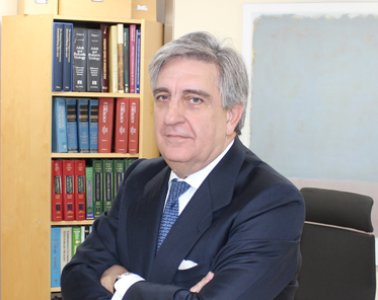
Antonio Allona
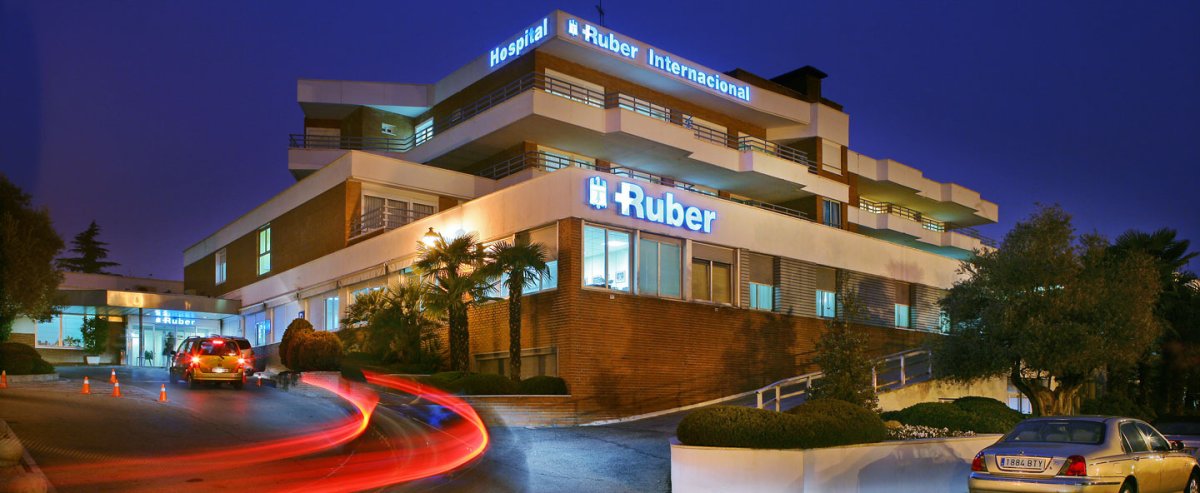
El Dr. Antonio Allona es director de la Unidad de Urología del Hospital Ruber Internacional (Madrid) desde 1993. Cuenta con más de 40 años de experiencia en cáncer de próstata, urología reconstructiva y andrología. Es reconocido por la cirugía urológica compleja y los tratamientos oncológicos avanzados.
Trayectoria: Jefe de Urología y Andrología en Ruber Internacional. Urólogo sénior en el Hospital Universitario Ramón y Cajal (1981–2010). Especialista en el Centro Médico Teknon.
Compartir contenido
Historias en video de pacientes de Bookimed
 Olena Sikoza
Preguntas frecuentes sobre el tratamiento de Hidrocele en España
¿Cómo diagnostican los especialistas en España un hidrocele?
Los especialistas en España diagnostican el hidrocele mediante un protocolo clínico que incluye exámenes físicos y pruebas de imagen. Los urólogos certificados en Madrid y Barcelona utilizan la transiluminación y la ecografía testicular para confirmar la presencia de líquido. Este proceso asegura la exclusión de afecciones graves como las hernias inguinales, siguiendo los protocolos de la Asociación Europea de Urología (EAU).
- Examen físico: Los especialistas palpan el escroto para identificar una masa quística blanda y no dolorosa.
- Transiluminación: Iluminar el saco escrotal ayuda a los médicos a distinguir rápidamente el líquido claro de los tumores sólidos.
- Ecografía testicular: Este escaneo indoloro sirve como el estándar de oro para visualizar el testículo.
- Maniobra de Valsalva: Los pacientes tosen durante los exámenes para ayudar a los especialistas a descartar una hernia inguinal.
Perspectiva del experto de Bookimed: Las unidades de urología españolas muestran un fuerte patrón de liderazgo a través de certificaciones profesionales de élite. El Dr. Antonio Allona, del Hospital Ruber Internacional, posee las credenciales de Fellow of the European Board of Urology (FEBU). Los centros de alto volumen a menudo combinan esta experiencia con tecnología de resonancia magnética de 3 Teslas para casos complejos. Elegir un director con más d
¿Cuáles son los principales métodos de tratamiento disponibles?
El tratamiento médico principal para el hidrocele en España es la hidrocelectomía. Este procedimiento quirúrgico elimina permanentemente el saco de líquido alrededor del testículo. Los urólogos especialistas en Madrid y Barcelona utilizan esto como la solución definitiva para casos grandes o sintomáticos para prevenir la recurrencia.
- Enfoque quirúrgico: La hidrocelectomía es la técnica estándar para eliminar el saco lleno de líquido.
- Monitoreo conservador: Los médicos pueden recomendar la observación si la hinchazón es pequeña e indolora.
- Alivio por aspiración: El drenaje con aguja proporciona un alivio temporal, pero a menudo conduce al retorno del líquido.
- Credenciales de expertos: Los cirujanos principales a menudo poseen el estatus de Fellow of the European Board of Urology (FEBU).
Perspectiva del experto de Bookimed: Los centros privados españoles a menudo combinan un alto volumen quirúrgico con una profunda especialización. El Dr. Antonio Allona del Hospital Ruber Internacional tiene más de 40 años de experiencia. Este nivel de experiencia garantiza la precisión diagnóstica al distinguir los hidroceles de afecciones más complejas como las hernias.
Consenso de los pacientes: Los pacientes señalan que, aunque la cirugía es rutinaria, la hinchazón postoperatoria puede durar más de lo esperado. Muchos eligen cl
¿Es siempre necesaria la cirugía para un hidrocele en adultos?
La cirugía no siempre es necesaria para un hidrocele en adultos. El tratamiento es innecesario si la hinchazón es pequeña e indolora. Los médicos recomiendan la cirugía solo si la masa crece, causa molestias significativas o se debe a una hernia inguinal subyacente o una infección.
- Vigilancia activa: Los médicos observan los hidroceles estables y asintomáticos sin intervención clínica ni medicación.
- Causas subyacentes: El tratamiento de infecciones como la epididimitis con antibióticos puede resolver la acumulación secundaria de líquido.
- Terapia de aspiración: El drenaje con aguja es una opción para pacientes de alto riesgo quirúrgico a pesar de los riesgos de recurrencia.
- Factores desencadenantes quirúrgicos: Los médicos sugieren la hidrocelectomía cuando la hinchazón limita el movimiento o causa sensaciones de pesadez.
Perspectiva de expertos de Bookimed: Los hospitales privados españoles como el Hospital Ruber Internacional cuentan con especialistas con más de 40 años de experiencia. El Dr. Antonio Allona y otros expertos a menudo priorizan la precisión diagnóstica con una resonancia magnética avanzada de 3 Teslas. Esto asegura que la hinchazón no sea una hernia antes de elegir la vigilancia en lugar de la cirugía.
Consenso de los pacientes: Los pacientes señalan que síntomas como la pesadez impulsan la decisi
¿Cuál es el tiempo de recuperación típico después de una hidrocelectomía?
La recuperación completa de una hidrocelectomía suele tardar de cuatro a seis semanas. La mayoría de los pacientes retoman actividades ligeras en 48 horas, ya que es un procedimiento ambulatorio. La hinchazón escrotal y en la ingle es común durante la primera semana. La mayoría de los pacientes regresan al trabajo de oficina después de siete días.
- Reposo inmediato: Se requiere reposo estricto durante las primeras 48 horas para minimizar los hematomas internos.
- Cronograma de actividad: Se recomienda caminar suavemente después de tres días para promover una circulación sanguínea saludable.
- Curación de tejidos: Las suturas absorbibles utilizadas en las clínicas españolas suelen disolverse por sí solas en 14 días.
- Restricciones físicas: Evite levantar objetos pesados, hacer ejercicio y tener actividad sexual durante 21 días para prevenir complicaciones.
Perspectiva de expertos de Bookimed: España es un destino de alta autoridad en urología, ocupando el cuarto lugar a nivel mundial en solicitudes de pacientes a través de nuestra plataforma. Clínicas como el Hospital Ruber Internacional utilizan protocolos de seguridad acreditados por la JCI que agilizan la recuperación. Los pacientes que eligen especialistas como el Dr. Antonio Allona se benefician de más de 40 años de experiencia en urología reconstructiva. Esta experiencia garantiza técnic
¿Cuáles son los riesgos potenciales del procedimiento?
El tratamiento del hidrocele en España es generalmente seguro y tiene altas tasas de éxito. Los riesgos potenciales incluyen infección localizada, sangrado o formación de hematomas e hinchazón escrotal. Los urólogos especializados utilizan la hidrocelectomía quirúrgica para minimizar la posibilidad de que el líquido regrese en comparación con los métodos de drenaje simples.
- Control de infecciones: Los hospitales acreditados por la JCI siguen protocolos estrictos para prevenir infecciones de heridas postquirúrgicas.
- Manejo de hematomas: Los cirujanos monitorean los moretones postoperatorios para prevenir una acumulación significativa de sangre.
- Prevención de recurrencias: La hidrocelectomía sigue siendo más definitiva que la aspiración, que a menudo conduce a la recurrencia.
- Protección de tejidos: Los especialistas experimentados priorizan la protección del epidídimo y el cordón espermático durante la cirugía.
Perspectiva de expertos de Bookimed: España ocupa el cuarto lugar a nivel mundial en nuestra red para solicitudes de atención urológica. Clínicas como el Hospital Ruber Internacional realizan más de 6.000 cirugías al año, lo que sugiere una alta competencia en el manejo de complicaciones rutinarias. Si bien muchos pacientes temen una lesión testicular, elegir a un especialista de nivel directivo como el Dr. Antonio Allona proporcio
¿Cuánto dura la operación y qué anestesia se utiliza?
La cirugía de hidrocele en España suele durar de 30 a 60 minutos. Los cirujanos generalmente realizan el procedimiento bajo anestesia general o bloqueo espinal. La mayoría de los pacientes regresan a casa el mismo día. Los hospitales utilizan quirófanos estériles en lugar de consultorios para garantizar los más altos estándares de seguridad.
- Duración de la operación: Los procedimientos generalmente toman de 30 a 60 minutos en casos sin complicaciones.
- Tipos de anestesia: Los cirujanos suelen utilizar anestesia general o bloqueos espinales para la comodidad del paciente.
- Estándar de las instalaciones: Los centros acreditados por la JCI, como el Hospital Ruber Internacional, realizan estas intervenciones en quirófanos formales.
- Plazo de recuperación: La mayoría de las clínicas clasifican la hidrocelectomía como un procedimiento quirúrgico ambulatorio de un solo día.
Perspectiva del experto de Bookimed: Los mejores urólogos de España a menudo poseen credenciales de Fellow of the European Board of Urology (FEBU). El Dr. Antonio Allona del Hospital Ruber Internacional ha ejercido durante más de 45 años. Este nivel de experiencia garantiza que incluso las cirugías de 30 minutos sigan protocolos académicos rigurosos para obtener mejores resultados.
Consenso de los pacientes: Los pacientes señalan que, aunque la cirugía