Ir a inicio
820К+ pacientes han recibido asistencia desde 2014
50 países
1,500 clínicas
6K+ reseñas
3K+ médicos calificados

¿Cuál es el precio del diagnóstico y los tratamientos de Linfostasis en Corea del Sur? Descubra ahora

El precio se proporciona bajo petición

Sus beneficios y garantías con Bookimed

Precios directos

Bookimed no añade cargos extra a los precios de los tratamientos de Linfostasis. Las tarifas proceden de las listas de precios oficiales de las clínicas. Pagará directamente en la clínica por su tratamiento a su llegada al país.

Sólo clínicas y médicos verificados

Bookimed está comprometido con su seguridad. Solo trabajamos con las clínicas que mantienen altos estándares internacionales en el tratamiento de Linfostasis y cuentan con las licencias necesarias para atender a pacientes internacionales en todo el mundo.

Asistencia 24/7 gratuita

Bookimed ofrece asistencia experta gratuita. Un coordinador médico personal le apoya antes, durante y después de su tratamiento, resolviendo cualquier problema. Nunca estará solo en su viaje médico de tratamiento de Linfostasis.

¿Por qué nosotros?

Su coordinador médico personal de Bookimed

  • Le apoya en cada etapa
  • Ayuda a elegir la clínica y el médico adecuados
  • Asegura un acceso rápido y conveniente a la información

Descubra las mejores clínicas de tratamiento de Linfostasis en Corea del Sur: 9 opciones verificadas y Precios

El ranking de clínicas de Bookimed se basa en algoritmos de data science, ofreciendo una comparación confiable, transparente y objetiva. Tiene en cuenta la demanda de pacientes, las puntuaciones de reseñas (positivas y negativas), la frecuencia de actualización de opciones de tratamiento y precios, la rapidez de respuesta y las certificaciones de las clínicas.
Seoul National University Bundang Hospital (SNUBH)
4.86 reseñas
Precio a consultar
Más información
Asan Medical Center
4.57 reseñas
Precio a consultar
Más información
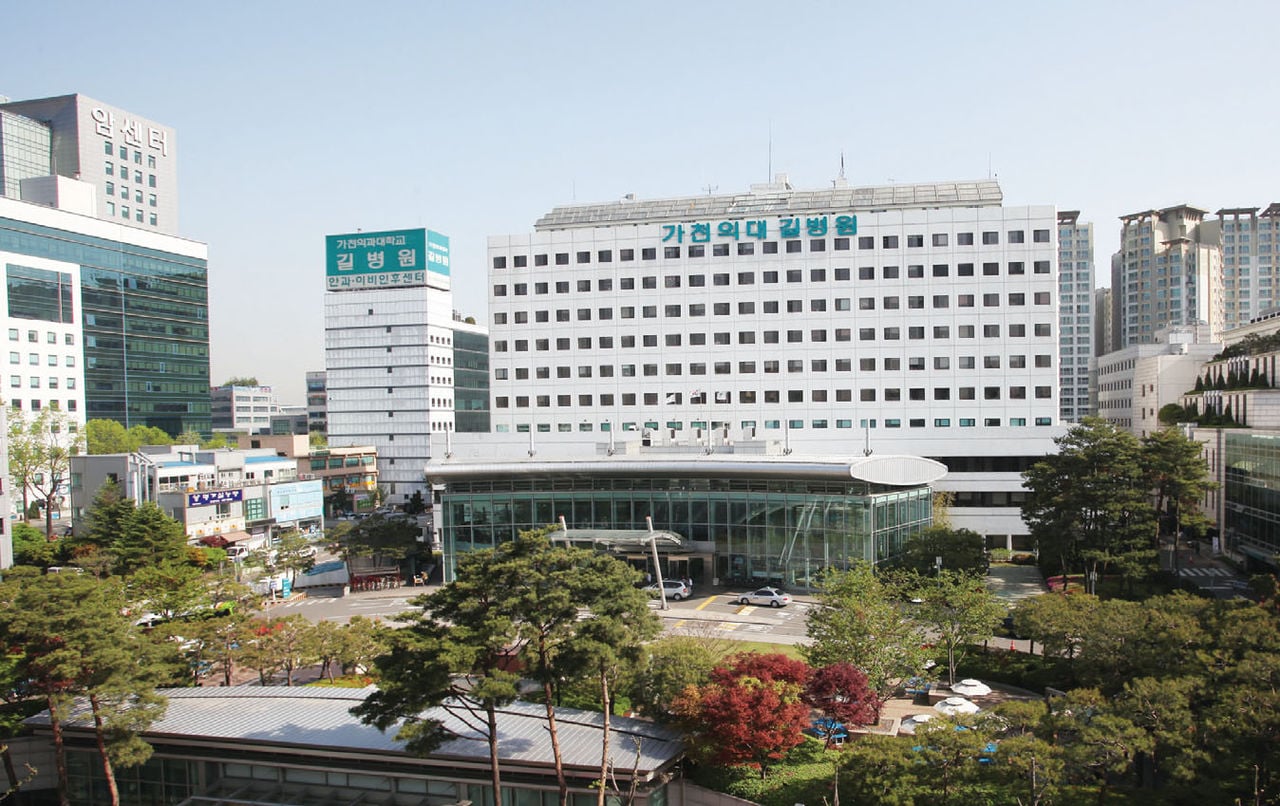
Gachon University Gil Medical Center
4.85 reseñas
Precio a consultar
Más información
Hospital Severance (Severance Hospital)
4.543 reseñas
Precio a consultar
Más información

Compartir contenido

Historias en video de pacientes de Bookimed

Dayana
Combiné mis vacaciones en Antalya con un chequeo médico.
Procedimiento: Chequeo femenino
Igor
¡Fue genial! Traslados, alojamiento, tratamiento, todo incluido.
Procedimiento: Implante dental
Clínica: WestDent Clinic
Marina
Bookimed se encargó de todo. No tuve que preocuparme por nada.
Procedimiento: Chequeo femenino
Actualizado: 05/27/2022
Escrito por
Olena Sikoza
Olena Sikoza
Сopywriter en español
Copywriter médica certificada responsable del contenido en español de Bookimed. Más de 7 años de experiencia en redacción sobre salud y turismo médico, con formación académica en edición científica y desarrollo de contenidos.
Fahad Mawlood
Editor médico y Científico de datos
Médico general. Ganador de 4 premios científicos. Sirvió en Asia Occidental. Es el ex jefe del equipo médico que soporta a pacientes de habla árabe. Ahora es responsable del procesamiento de datos y la precisión del contenido médico.
Fahad Mawlood Linkedin
Esta página puede incluir información relacionada con diversas afecciones médicas, tratamientos y servicios de salud disponibles en diferentes países. Tenga en cuenta que el contenido se proporciona sólo con fines informativos y no debe interpretarse como asesoramiento médico o orientación. Por favor consulte con su médico o con un profesional médico calificado antes de comenzar o cambiar el tratamiento médico.

Preguntas frecuentes sobre el tratamiento de Linfostasis en Corea del Sur

Estas preguntas frecuentes provienen de pacientes reales que buscan atención médica a través de Bookimed. Las respuestas son proporcionadas por coordinadores médicos experimentados y representantes autorizados de las clínicas.

What are the most effective non-surgical treatments for lymphostasis available in Korea?

Complex Decongestive Therapy (CDT) is the most successful non-surgical treatment for lymphostasis in Korea. Major academic centers use a multi-step protocol combining manual lymphatic drainage and multi-layered compression. These methods effectively reduce limb volume and maintain metabolic health without invasive surgery.

  • Manual lymphatic drainage: Specialized massage moves lymph fluid toward healthy nodes to reduce swelling.
  • Compression therapy: Multi-layered bandages and custom-fitted garments prevent rebound fluid accumulation.
  • Pneumatic compression: Mechanical air-wave pumps assist fluid drainage in advanced clinical settings.
  • Medical management: Clinics often prescribe grape seed extract to improve overall vascular health.

Bookimed Expert Insight: Korea’s large-scale centers like Asan Medical Center and Severance Hospital use integrated digital health systems. These hospitals serve over 1,000,000 patients annually and use electronic systems to track drainage progress. This data-driven approach ensures precise adjustments to compression garment fitting throughout the recovery period.

Patient Consensus: Patients emphasize that custom-fitted compression garments are essential for preventing swelling after manual drainage sessions. Many find that adding gentle aquatic exercises significantly improves their results compared to therapy alone.

When is surgery recommended for lymphostasis and what procedures are performed?

Surgery is recommended when conservative therapy fails to control symptoms for 6–12 months. Korean surgeons typically intervene for stage 2 and 3 patients who experience chronic swelling or recurrent cellulitis. Common procedures include lymphaticovenous anastomosis (LVA) and vascularized lymph node transfer (VLNT).

  • Physiologic surgery: Microsurgical techniques like LVA bypass blockages to restore natural drainage.
  • Reductive surgery: Liposuction removes fat and scar tissue in advanced chronic cases.
  • Lymph node transfer: Surgeons transplant healthy nodes from groin or chest areas.
  • Eligibility criteria: Candidates often undergo lymphoscintigraphy scans to confirm the condition stage.

Bookimed Expert Insight: Hospital volume reveals high proficiency in supermicrosurgery across Korea. Asan Medical Center and Severance Hospital handle massive patient loads. Severance Hospital alone manages over 1.6 million outpatients annually. This high volume allows surgeons to master LVA on vessels smaller than 0.3 mm. Patients should look for microsurgeons who have performed over 100 successful procedures.

Patient Consensus: Patients emphasize that surgery is not a shortcut and requires completing 6 months of decongestive therapy first. Many note that skipping post-operative compression garments can lead to a 30% relapse in swelling.

Which Korean hospitals are internationally recognized for lymphedema care?

Seoul National University Bundang Hospital and Severance Hospital are top-rated Korean centers for lymphedema care. These facilities hold JCI and GHA certifications. They utilize advanced microsurgical techniques like lymphaticovenous anastomosis. Expert teams combine plastic surgery with rehabilitation medicine for complete care.

  • Hospital certifications: SNUBH is the first Korean LE&RN-designated Center of Excellence.
  • Surgical expertise: Centers perform minimally invasive lymphaticovenous anastomosis and lymph node transfers.
  • Volume and scale: Asan Medical Center manages complex cases for over 10,000 daily outpatients.
  • Specialized focus: Severance Hospital provides dedicated oncology rehab for surgery-induced lymphedema cases.

Bookimed Expert Insight: Patient volume often signals where the most rare lymphatic expertise lives. While Gachon University focuses on trauma, SNUH is where the most complex cancer-related lymphostasis cases aggregate. Our data shows SNUH treats over 10,700 patients daily. This high volume allows surgeons to master microsurgical repairs that smaller clinics rarely perform.

Patient Consensus: Patients note it is vital to secure a post-operative monitoring plan before booking surgery. Others emphasize requesting pre-operative Doppler scans to ensure the lymphatic system is mapped correctly.

How should international patients navigate the Korean healthcare system for lymphostasis?

International patients navigate the Korean healthcare system through specialized International Healthcare Centers at JCI-accredited facilities. Specialized institutions like Asan Medical Center and Severance Hospital offer supermicrosurgery techniques. Patients must secure a C-3-3 medical visa for short stays or G-1-10 for long-term rehabilitation.

  • Specialized surgery: Lymphovenous Anastomosis (LVA) and Vascularized Lymph Node Transfer (VLNT) are standard treatments.
  • Language assistance: Dedicated international centers provide professional medical interpreters and appointment coordination.
  • Accreditation standards: Top facilities hold KOIHA or Joint Commission International (JCI) certifications for safety.
  • Recovery focus: Integrated care includes Complex Decongestive Therapy (CDT) and specialized rehabilitation services.

Bookimed Expert Insight: While many seek surgery in Seoul, Gachon University Gil Medical Center in Incheon serves 38,000 patients yearly and offers faster access from the international airport. Our data shows that top-tier academic hospitals like SNUBH have entirely digitized patient records to eliminate medical errors. Choosing a digital-first hospital can significantly improve the accuracy of follow-up care for chronic lymphatic conditions.

Patient Consensus: Patients note it is vital to have all diagnostic records ready before arrival to avoid repeating basic blood tests. They often emphasize that the all-inclusive hospital structure makes navigating different departments much easier than in their home countries.

What advanced surgical options for lymphostasis are available in the Republic of Korea?

Surgical options in the Republic of Korea include supermicrosurgery, lymphovenous anastomosis (LVA), and vascularised lymph node transfer (VLNT). Surgeons at JCI-accredited facilities like Severance Hospital use these methods to restore lymph drainage. This helps reduce swelling in limbs. These procedures effectively treat early and late-stage lymphostasis.

  • Lymphovenous anastomosis: Surgeons connect lymphatic vessels to small veins to bypass blockages.
  • Lymph node transfer: Healthy lymph nodes are transplanted to promote new vessel growth.
  • Lymphatic complex transfer: Combined units of nodes and vessels are used for post-mastectomy cases.
  • Simultaneous procedures: Some Seoul clinics perform LVA and VLNT together for end-stage cases.
  • Debulking surgery: Liposuction removes excess fatty tissue in cases with significant limb enlargement.

Bookimed Expert Insight: South Korea specialises in digitalised healthcare integration. Facilities like Seoul National University Bundang Hospital and Severance Hospital use health record systems to monitor recovery. This technology helps multidisciplinary teams coordinate the complex rehabilitation and compression therapy needed after supermicrosurgery.

Patient Consensus: Patients recommend confirming the surgeon's specific experience with lymphaticovenous anastomosis. This is more important than general plastic surgery experience. People often report better limb mobility and less swelling after treatment in Korea.

Does the Republic of Korea offer early intervention for lymphostasis?

The Republic of Korea offers early intervention for lymphostasis using specialised diagnostic imaging and proactive management. Leading facilities provide certified care through dedicated lymphedema centres. These hubs focus on early diagnosis. They combine surgical techniques with rehabilitation to prevent disease progression.

  • Certified excellence: Asan Medical Center is a certified Comprehensive Center of Excellence for lymphatics.
  • Dedicated centres: Severance Hospital provides JCI-accredited rehabilitation and oncology services for swelling management.
  • Digital diagnostics: SNUBH uses digital hospital infrastructure to track patient data and stage progression.
  • Comprehensive care: Centres focus on sequential air pressure therapy and manual lymphatic drainage.

Bookimed Expert Insight: While many countries focus on surgery, South Korea prioritises early detection after cancer treatment. Major Seoul clinics report serving over 1,000,000 patients annually. They integrate lymphostasis screening into routine post-operative oncology care. Patients visiting centres like Asan Medical Center gain access to preventative monitoring often unavailable elsewhere.

Patient Consensus: Patients note it is important to confirm that compression garments and manual drainage are included. They also highlight that early-stage assessments in Korea effectively distinguish lymphostasis from other swelling types.

How does the Republic of Korea manage the risk of infection in lymphostasis patients?

South Korean hospitals manage infection risks in lymphostasis patients through integrated digital monitoring and international safety standards. Leading centres use the BESTcare system to eliminate medical errors. Strict hygiene protocols prevent cellulitis, a common complication where skin infections spread through fluid-clogged tissues. Facilities often hold Joint Commission International (JCI) accreditation.

  • Error prevention: The BESTcare system at SNUBH targets and reduces preventable medical errors.
  • Safety standards: Severance Hospital maintains JCI and KOIHA certifications for high clinical safety.
  • Infection control: Specialised units manage secondary lymphangitis to prevent life-threatening systemic blood infections.
  • Precision diagnostics: Digital systems monitor immunological and hormonal profiles to detect early infection signs.

Bookimed Expert Insight: The Republic of Korea serves over 760 international patients annually for various treatments. A clear pattern emerges at top-ranked centres like Severance Hospital and SNUH. These facilities have moved beyond paper entirely. This total digitalisation means every infection risk factor is tracked in real-time. This level of data integration is rare outside of Korea. It significantly lowers surgical risk for complex lymphatic cases.

Which hospitals in the Republic of Korea specialise in lymphatic system treatments?

Seoul National University Bundang Hospital (SNUBH) and Asan Medical Center lead South Korea in lymphatic care. These centres specialise in microsurgical techniques like lymphaticovenous anastomosis (LVA). They hold JCI or Newsweek honours. Facilities focus on multidisciplinary oncology rehabilitation and lymph node transplantation.

  • Specialised microsurgery: SNUBH performs LVA and lymph node transfers to bypass blocked vessels.
  • Clinical leadership: SNUBH is the first Korean centre designated as a LE&RN Center of Excellence.
  • Multidisciplinary care: Asan Medical Center combines surgical debulking with specialised liposuction to reduce swelling.
  • Digital infrastructure: Severance Hospital uses fully digital records to coordinate complex oncology-related lymphatic rehabilitation.

Bookimed Expert Insight: Asan Medical Center remains Korea's largest multidisciplinary hub. SNUBH serves 1,500,000 patients annually through a specialised digital system. This BESTcare infrastructure reduces medical errors. Patients with complex lymphostasis often choose SNUBH for this precision. It aligns with their high volume of 32,550+ operations yearly.

Patient Consensus: Patients note the convenience of Incheon-based centres like Gachon University Gil Hospital. It sits just 1 hour from the international airport. They also value the digital coordination at Severance Hospital for managing long-term oncology follow-ups.

What does a standard treatment plan for lymphostasis involve in the Republic of Korea?

Treatment for lymphostasis in South Korea combines complex decongestive therapy with microsurgery. Major Seoul hospitals use manual drainage, compression bandaging, and skin care as standard. Severe cases may require lymphovenous bypass or lymph node transfer to restore fluid drainage and reduce limb swelling.

  • Standard therapy: Includes manual lymphatic drainage, multi-layer bandaging, and lymphatic exercises.
  • Microsurgical options: Surgeons perform lymphovenous bypass to connect blocked vessels to veins.
  • Transfers: Vascularised lymph node transfer moves healthy nodes to affected areas.
  • Surgical debulking: Liposuction helps remove excess fat or tissue in late-stage cases.
  • Infection control: Specialist skin care protocols prevent cellulitis and other skin complications.

Bookimed Expert Insight: South Korea is a global hub for digitalised healthcare. Asan Medical Center and Severance Hospital have some of the highest patient volumes globally. Severance serves over 1.6 million outpatients annually. This scale allows Korean specialists to refine microsurgical techniques for lymphostasis rapidly.

Patient Consensus: Patients note that Korean care is a long-term commitment. It involves daily compression and specialised skin maintenance. Reviews highlight the importance of multidisciplinary teams. These include both surgeons and therapists for managing swelling effectively.

Will I be able to communicate effectively with medical staff while treating lymphostasis in the Republic of Korea?

Patients communicate easily with medical staff in the Republic of Korea. Major Seoul centres use English-proficient specialists and medical interpreters. Accredited facilities like Severance Hospital hold JCI certification. This supports international communication standards for complex lymphostasis care. Dedicated departments manage translations and logistics.

  • Accredited facilities: Severance Hospital holds JCI accreditation. It serves 4,000,000 outpatients annually with English-speaking staff.
  • Specialised support: Seoul National University Bundang Hospital holds GHA accreditation. This evaluation focuses on services for international patients.
  • Digital systems: Seoul National University Hospital uses fully digitalised patient data. This allows for accurate medical record sharing.
  • Incheon access: Gachon University Gil Medical Center provides international services. It is located 1 hour from the airport.

Bookimed Expert Insight: South Korea's medical technology helps bridge language gaps. Centres like Seoul National University Bundang Hospital use the BESTcare electronic system. This digital infrastructure reduces medical errors. It allows specialists to understand medical histories perfectly before the patient arrives. Australian patients should choose hospitals with Global Healthcare Accreditation (GHA) for the smoothest experience.

Pedir una consulta gratis

Seleccione la mejor manera de contactarle