Linfostasis Tratamiento en Tailandia — Costos 2026


Revisado médicamente por
Fahad Mawlood
¿Cuál es el precio del diagnóstico y los tratamientos de Linfostasis en Tailandia? Descubra ahora
Sus beneficios y garantías con Bookimed
Precios directos
Bookimed no añade cargos extra a los precios de los tratamientos de Linfostasis. Las tarifas proceden de las listas de precios oficiales de las clínicas. Pagará directamente en la clínica por su tratamiento a su llegada al país.
Sólo clínicas y médicos verificados
Bookimed está comprometido con su seguridad. Solo trabajamos con las clínicas que mantienen altos estándares internacionales en el tratamiento de Linfostasis y cuentan con las licencias necesarias para atender a pacientes internacionales en todo el mundo.
Asistencia 24/7 gratuita
Bookimed ofrece asistencia experta gratuita. Un coordinador médico personal le apoya antes, durante y después de su tratamiento, resolviendo cualquier problema. Nunca estará solo en su viaje médico de tratamiento de Linfostasis.

Su coordinador médico personal de Bookimed
- Le apoya en cada etapa
- Ayuda a elegir la clínica y el médico adecuados
- Asegura un acceso rápido y conveniente a la información
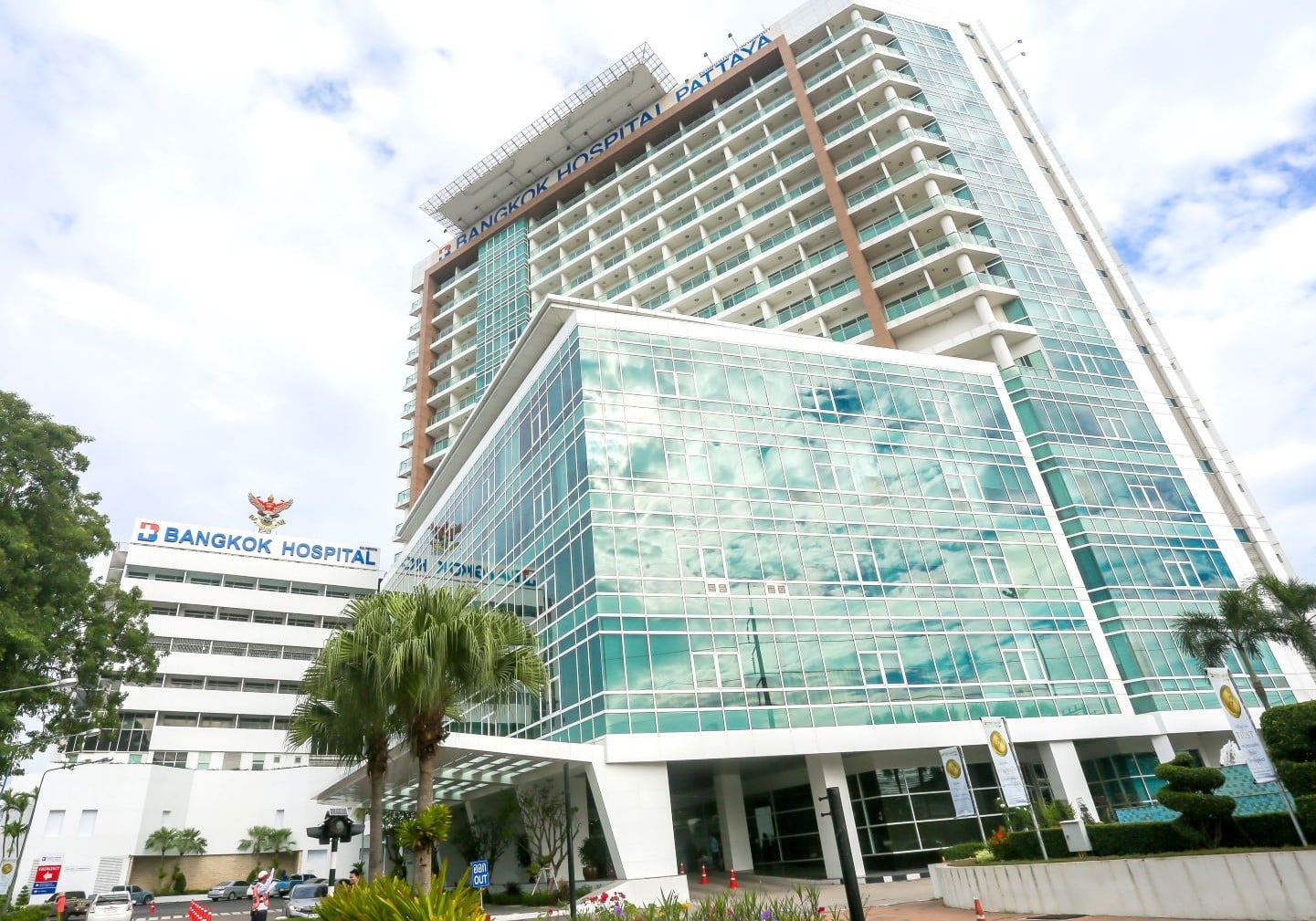
Descubra las mejores clínicas de tratamiento de Linfostasis en Tailandia: 3 opciones verificadas y Precios







Obtenga una evaluación médica para Linfostasis en Tailandia: consulte con doctores experimentados ahora
Ver todos los médicos
Dr Prasert Sujiipinyo
El Dr. Prasert Sujiipinyo se especializa en cirugía general con amplia experiencia en operaciones que involucran el sistema endocrino, el tracto gastrointestinal, el hígado y el colon.
- Graduado de la Facultad de Medicina de la Universidad de Chiang Mai
- Certificado en Cirugía General por el Hospital Rajavithi
- Actualmente cirujano general en el Hospital Intrarat

Siripong Lakkhanawong
El Dr. Siripong Lakkhanawong es especialista en cirugía plástica y general en la Clínica Somchai de Bangkok. Cuenta con más de 25 años de experiencia médica centrada en la seguridad quirúrgica. Realiza una amplia gama de procedimientos estéticos, incluyendo rejuvenecimiento facial y contorno corporal. El Dr. Lakkhanawong también posee experiencia en medicina familiar para apoyar la salud general de sus pacientes.
- Especializado en rinoplastia, lifting facial profundo y cirugías de a
Compartir contenido
Historias en video de pacientes de Bookimed
 Olena Sikoza
Preguntas frecuentes sobre el tratamiento de Linfostasis en Tailandia
¿Qué cualificaciones y certificaciones tienen los cirujanos tailandeses que tratan la linfostasis?
Los cirujanos tailandeses que tratan la linfostasis suelen ser especialistas certificados en cirugía plástica o vascular. Deben poseer una licencia médica del Consejo Médico de Tailandia. Los principales expertos poseen becas en microcirugía o supermicrocirugía. Estas credenciales garantizan la competencia en procedimientos complejos como la anastomosis linfovenosa.
- Licencia médica: Registro obligatorio y exámenes nacionales a través del Consejo Médico de Tailandia.
- Certificación de especialista: Los diplomas en cirugía plástica o general requieren de 5 a 6 años de residencia.
- Formación en microcirugía: Las becas especializadas cubren las conexiones de vasos diminutos, a menudo inferiores a 0,5 mm.
- Membresía de sociedad: Membresía en la Sociedad de Cirujanos Plásticos y Reconstructivos de Tailandia.
Opinión experta de Bookimed: Los hospitales de gran volumen como el Bumrungrad International suelen emplear a más de 1.300 médicos con amplia experiencia internacional. Los datos sugieren que los pacientes deben verificar si su cirujano posee certificaciones específicas del Royal College. Estos certificados avanzados en supermicrocirugía cierran la brecha entre las habilidades quirúrgicas generales y la reparación linfática especializada.
Consenso de los pacientes: Los pacientes enfatizan la necesidad de verificar las
¿Qué hospitales en Tailandia están acreditados internacionalmente para microcirugía linfática?
El Bumrungrad International Hospital y el Bangkok Hospital Pattaya son instalaciones líderes acreditadas por la JCI en Tailandia. Estos hospitales ofrecen procedimientos especializados de microcirugía linfática como la anastomosis linfovenosa. Cuentan con acreditación sanitaria global y certificaciones ISO. Esto garantiza estándares de seguridad de élite y una atención de alta calidad para pacientes internacionales.
- Estado de acreditación: La Joint Commission International y la Global Healthcare Accreditation certifican estas instalaciones de primer nivel.
- Técnicas quirúrgicas: Los especialistas realizan anastomosis linfovenosa y transferencias de ganglios linfáticos vascularizados utilizando microscopios.
- Seguridad del paciente: Los centros de alto volumen mantienen los estándares ISO para garantizar protocolos rigurosos de control de infecciones.
- Acceso a tecnología: Las clínicas utilizan imágenes con verde de indocianina para un mapeo preciso de los vasos linfáticos.
Opinión de expertos de Bookimed: El Bumrungrad International Hospital es una instalación clasificada a nivel mundial. Gestiona más de 1.000.000 de pacientes al año, con un 50% llegando desde el extranjero. Para el tratamiento de la linfostasis, este alto volumen de pacientes es una señal de calidad importante. Sugiere un alto nivel de repetición quirúrgica. Esta experien
¿Cómo se integra la fisioterapia después de una anastomosis linfovenosa (ALV) en Tailandia?
La fisioterapia en Tailandia se integra como un componente especializado de la Terapia Descongestiva Completa después de una anastomosis linfovenosa. Los pacientes siguen un protocolo de rehabilitación por fases. Esto comienza con la elevación inmediata de la extremidad y movimientos ligeros. Los profesionales reintroducen gradualmente el drenaje linfático manual modificado para proteger las nuevas conexiones quirúrgicas.
- Fase inmediata: Los médicos priorizan la elevación de la extremidad por encima del nivel del corazón durante los primeros 5 días.
- Drenaje manual: El drenaje linfático manual modificado generalmente se reanuda de 10 a 14 días después de la cirugía.
- Pautas de compresión: Los pacientes pasan a usar prendas de menor presión, a menudo de 20 a 30 mmHg, una vez que concluye la curación inicial.
- Límites de actividad: Los terapeutas especializados introducen ejercicios descongestivos ligeros en un plazo de 7 días, evitando pesos pesados.
Perspectiva del experto de Bookimed: Los centros médicos tailandeses como el Hospital Internacional Bumrungrad gestionan más de 1 millón de pacientes al año con una infraestructura de alta tecnología. Una tendencia clave en Tailandia es la reducción drástica de las necesidades de fisioterapia después de una cirugía exitosa. Algunos pacientes reducen el drenaje intensivo de 60 horas al mes a sol
¿Qué imágenes preoperatorias se realizan para confirmar la candidatura a una LVA?
Los médicos confirman la candidatura a una anastomosis linfovenosa (LVA) mediante linfografía con verde de indocianina (ICG) para mapear los vasos funcionales. Esta imagen en tiempo real identifica patrones de flujo superficiales como formas lineales o de "polvo de estrellas". Los cirujanos también utilizan la linfocintigrafía para estadificar el linfedema y descartar fibrosis tisular avanzada antes de la cirugía.
- Linfografía con ICG: Proporciona una visualización dinámica en tiempo real de los patrones de flujo linfático superficial.
- Linfocintigrafía: Establece una línea base al estadificar la gravedad del linfedema y confirmar la función.
- Ecografía linfática: Identifica los vasos linfáticos dilatados y mapea la proximidad a las venas donantes.
- Linfangiografía por resonancia magnética: Ofrece datos anatómicos de alta resolución para los canales y vasos linfáticos más profundos.
Perspectiva del experto de Bookimed: Los centros multiespecializados de Tailandia, como el Bumrungrad International Hospital, utilizan imágenes digitales avanzadas para agilizar la candidatura a la LVA. Los datos muestran que las principales instalaciones de Bangkok integran los departamentos de diagnóstico con los quirófanos para completar las imágenes y el mapeo en una sola visita. Esta eficiencia es fundamental para los pacientes internacionales que viajan a
¿Cuánto tiempo debo planificar quedarme en Tailandia para la cirugía de linfostasis y el seguimiento?
Planifique una estancia de 10 a 14 días en Tailandia para la cirugía de linfostasis. Este periodo cubre las imágenes preoperatorias, el procedimiento quirúrgico y la recuperación inicial crítica. Debe permanecer localmente hasta que su cirujano le proporcione una evaluación de aptitud para volar para prevenir complicaciones postoperatorias durante los viajes de larga distancia.
- Estancia hospitalaria: Espere de 1 a 5 días de atención hospitalaria para el monitoreo microquirúrgico.
- Fase preoperatoria: Las imágenes y consultas generalmente requieren 2 días antes de la cirugía programada.
- Recuperación ambulatoria: Quédese de 7 a 10 días cerca de la clínica para el manejo de heridas.
- Regreso al trabajo: La mayoría de los pacientes reanudan sus actividades profesionales de oficina dentro de 2 a 3 semanas.
Perspectiva del experto de Bookimed: Elegir un centro multifacético como el Bumrungrad International Hospital es ventajoso porque integran imágenes digitales avanzadas con una recuperación hospitalaria especializada. Aunque existen clínicas más pequeñas para procedimientos menores, la linfostasis a menudo requiere la atención 24/7 y las múltiples especialidades que se encuentran en los grandes centros acreditados por la JCI en Bangkok. Estos centros atienden a más de 1 millón de pacientes al año, asegurando que tengan la infraestructura para
¿Debo traer prendas de compresión especiales o se suministran localmente?
Las clínicas tailandesas suelen suministrar la primera prenda de compresión de grado médico después de los procedimientos de linfostasis. Estas prendas reducen la hinchazón y evitan la acumulación de líquidos. Los centros a menudo incluyen estos artículos en las tarifas quirúrgicas. Debe traer una segunda prenda personal para la higiene y la consistencia del tamaño durante su recuperación.
- Suministro inicial: Las clínicas generalmente proporcionan una prenda de grado médico inmediatamente después de la cirugía.
- Ajuste personalizado: Los pacientes a menudo prefieren traer prendas ajustadas a medida para un mejor control de la hinchazón.
- Preocupaciones sobre el tamaño: Los pacientes occidentales pueden encontrar que los tamaños locales difieren de su ajuste habitual.
- Necesidad de repuesto: Tener dos prendas permite lavar una mientras se usa la otra.
Perspectiva del experto de Bookimed: Si bien los grandes centros como el Hospital Internacional Bumrungrad atienden a más de 1,000,000 de pacientes al año, su gran volumen significa que los tamaños estándar son comunes. Los datos sugieren que los pacientes que buscan atención especializada en linfostasis deben verificar si las prendas están incluidas. Algunos centros intensivos proporcionan marcas de alta gama como Jobst directamente en sus paquetes de tratamiento.
Consenso de l
¿Qué asistencia lingüística está disponible para pacientes internacionales con linfedema?
Los pacientes internacionales con linfedema en Tailandia acceden a asistencia lingüística a través de centros internacionales dedicados y traductores médicos certificados. La coordinación multilingüe es estándar en las instalaciones acreditadas por la JCI. El personal especializado ayuda con protocolos de tratamiento complejos. Estos incluyen la Terapia Descongestiva Completa y las instrucciones de drenaje linfático manual. El soporte cubre inglés, chino y árabe.
- Departamentos internacionales: Centros como el Bumrungrad International Hospital atienden a más de 1.000.000 de pacientes al año con personal multilingüe.
- Diversidad lingüística: Los servicios de coordinación a menudo cubren inglés, chino, árabe y ruso para consultas fluidas.
- Ayudas visuales: Los cirujanos utilizan películas educativas e ilustraciones gráficas para explicar técnicas complejas de autogestión.
- Tecnología de traducción: Las aplicaciones móviles proporcionan pautas accesibles en varios idiomas para garantizar el cumplimiento del tratamiento.
Opinión de expertos de Bookimed: El soporte lingüístico y el volumen de pacientes se correlacionan fuertemente en los principales centros médicos tailandeses. El Bumrungrad International Hospital atiende a 1.000.000 de pacientes al año y el Bangkok Hospital Pattaya a 400.000. Estas instalaciones de gran volumen mantienen depart