Enfermedad renal crónica Tratamiento en Corea del Sur — Costos 2026


Revisado médicamente por
Fahad Mawlood
¿Cuál es el precio del diagnóstico y los tratamientos de Enfermedad renal crónica en Corea del Sur? Descubra ahora
Sus beneficios y garantías con Bookimed
Precios directos
Bookimed no añade cargos extra a los precios de los tratamientos de Enfermedad renal crónica. Las tarifas proceden de las listas de precios oficiales de las clínicas. Pagará directamente en la clínica por su tratamiento a su llegada al país.
Sólo clínicas y médicos verificados
Bookimed está comprometido con su seguridad. Solo trabajamos con las clínicas que mantienen altos estándares internacionales en el tratamiento de Enfermedad renal crónica y cuentan con las licencias necesarias para atender a pacientes internacionales en todo el mundo.
Asistencia 24/7 gratuita
Bookimed ofrece asistencia experta gratuita. Un coordinador médico personal le apoya antes, durante y después de su tratamiento, resolviendo cualquier problema. Nunca estará solo en su viaje médico de tratamiento de Enfermedad renal crónica.

Su coordinador médico personal de Bookimed
- Le apoya en cada etapa
- Ayuda a elegir la clínica y el médico adecuados
- Asegura un acceso rápido y conveniente a la información
Descubra las mejores clínicas de tratamiento de Enfermedad renal crónica en Corea del Sur: 1 opciones verificadas y Precios


Obtenga una evaluación médica para Enfermedad renal crónica en Corea del Sur: consulte con doctores experimentados ahora
Ver todos los médicos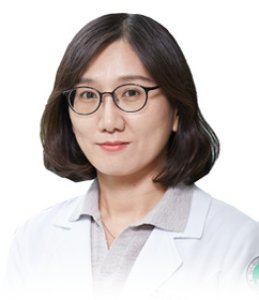
Chin Kyung Sun
El Dr. Chin Kyung Sun es nefrólogo. Es el Director del Centro de Nefrología en el Hospital Naeun. Se graduó en la Facultad de Medicina de la Universidad Gachon. Realizó su formación en nefrología en el Centro Médico Gil de la Universidad Gachon y completó allí su subespecialidad (fellowship).
Es especialista en diálisis certificado por la Sociedad Coreana de Nefrología. Anteriormente se desempeñó como Jefe de Medicina Interna en el Hospital de la Cruz Roja de Incheon. Es profesor adjun
Compartir contenido
Historias en video de pacientes de Bookimed
 Olena Sikoza
Preguntas frecuentes sobre el tratamiento de Enfermedad renal crónica en Corea del Sur
¿Cuál es la tasa de éxito de los trasplantes de riñón en Corea del Sur?
Corea del Sur informa una tasa de supervivencia del injerto al año de aproximadamente el 97,1 %. La tasa de supervivencia del injerto a los 5 años sigue siendo alta, alrededor del 90,5 %. Estos resultados están entre los mejores del mundo. El éxito se debe a la cirugía robótica avanzada de donantes y a la experiencia en trasplantes incompatibles con el grupo sanguíneo.
- Supervivencia del paciente: La tasa de supervivencia del paciente al año alcanza aproximadamente el 98,4 % a nivel nacional.
- Injerto a largo plazo: La tasa de supervivencia del paciente a los 5 años es de aproximadamente el 95,8 % para todos los casos.
- Técnicas de donante: Los cirujanos utilizan la nefrectomía robótica en donantes para garantizar tiempos de recuperación más rápidos.
- Casos complejos: Aproximadamente el 17,4 % de los trasplantes gestionan con éxito las incompatibilidades ABO o los grupos sanguíneos no coincidentes.
Perspectiva del experto de Bookimed: Las tasas de éxito se correlacionan fuertemente con el volumen quirúrgico y la especialización de las instalaciones. La República de Corea ocupa el sexto lugar a nivel mundial en nuestra red para atención compleja. Clínicas como RE:YOUTH mantienen la acreditación KOIHA para cumplir con los estándares internacionales de seguridad. Los principales centros terciarios suelen realizar miles de procedimientos para m
¿Son los extranjeros elegibles para un trasplante de riñón de un donante fallecido en Corea del Sur?
Los extranjeros no son elegibles para trasplantes de riñón de donantes fallecidos en Corea del Sur. Las regulaciones requieren que los pacientes internacionales proporcionen su propio donante vivo. Este donante debe ser un pariente consanguíneo. Estas leyes previenen el tráfico de órganos y gestionan los limitados recursos nacionales.
- Requisito del donante: Los pacientes deben traer un pariente vivo para que actúe como donante de riñón.
- Grado de parentesco: Por lo general, los donantes deben ser parientes dentro del 2.º o 3.er grado.
- Enfoque del sistema: Corea del Sur enfatiza los trasplantes de donantes vivos tanto para casos nacionales como extranjeros.
- Opciones alternativas: Algunas clínicas coreanas ofrecen terapia con células madre arteriales para la insuficiencia renal crónica.
Perspectiva del experto de Bookimed: Aunque Corea del Sur es un líder médico mundial, las listas de espera para órganos de fallecidos están reservadas para los ciudadanos. El modelo de clínicas como RE:YOUTH refleja el enfoque local en la atención especializada de bajo volumen. Solo tratan a 2 pacientes al día con terapia de células madre arteriales. Esto sirve a los pacientes que aún no son elegibles para un trasplante o que no lo desean.
¿Qué hospitales son reconocidos como los mejores para el tratamiento de la enfermedad renal crónica en Corea del Sur?
Corea del Sur cuenta con instituciones de primer nivel para la enfermedad renal crónica, como el Samsung Medical Center y el Asan Medical Center. Estos centros ofrecen nefrología avanzada y servicios de trasplante con gran éxito. Los centros acreditados por JCI, como el Severance Hospital, brindan atención multidisciplinaria. Las clínicas especializadas como RE:YOUTH también ofrecen terapias regenerativas.
- Asan Medical Center: Conocido por su alto volumen de atención y servicios avanzados de trasplante renal.
- Samsung Medical Center: Reconocido por la gestión integral de enfermedades renales crónicas.
- Severance Hospital: Un centro acreditado por JCI que brinda atención multidisciplinaria a pacientes renales.
- Clínica RE:YOUTH: Ofrece terapia especializada con células madre arteriales para la insuficiencia renal.
Perspectiva del experto de Bookimed: Los pacientes a menudo pasan por alto la diversidad geográfica de la atención especializada en Corea. Mientras que Seúl destaca en cirugía de trasplante, clínicas como RE:YOUTH en Cheonan ofrecen tecnologías regenerativas poco comunes. Esta clínica limita la admisión a 2 pacientes al día para mantener estándares de atención VIP. Este contraste permite a los pacientes elegir entre centros académicos masivos o tratamientos especializados altamente personalizados.
Consenso de los pa
¿Está disponible de forma constante el apoyo en inglés en los hospitales de Corea del Sur que tratan la enfermedad renal crónica?
Los principales hospitales terciarios de Corea del Sur brindan apoyo especializado en inglés a través de centros internacionales dedicados. Facilitan la diálisis y la atención nefrológica. Sin embargo, el apoyo es inconsistente en las clínicas regionales. Los centros con acreditación JCI o KOIHA ofrecen de manera más confiable servicios de traducción para la atención crónica compleja.
- Centros internacionales: Los hospitales acreditados por JCI en Seúl cuentan con coordinadores dedicados a la nefrología.
- Acceso al tratamiento: El apoyo en inglés cubre hemodiálisis, diálisis peritoneal y trasplante renal.
- Normas reglamentarias: Las clínicas acreditadas por KOIHA, como RE:YOUTH, cumplen con altos estándares de seguridad y calidad.
- Variación en el apoyo: La asistencia lingüística es menos común en clínicas locales especializadas más pequeñas.
- Ayuda de emergencia: Hay asistencia multilingüe disponible a través de la línea directa de viajes de Corea 1330.
Perspectiva del experto de Bookimed: Si bien los principales centros de Seúl ofrecen apoyo dedicado, las clínicas especializadas como RE:YOUTH en Cheonan se centran en terapias de nicho como la infusión de células madre arteriales. Estas clínicas boutique a menudo limitan la admisión diaria a 2 pacientes. Esto proporciona una atención de alto nivel, pero puede prior
¿Cuánto tiempo deben permanecer los pacientes de trasplante de riñón en Corea del Sur para el cuidado postoperatorio?
Los pacientes de trasplante de riñón generalmente permanecen en Corea del Sur alrededor de 38 días después del alta hospitalaria. Este período garantiza un control seguro de la función renal. La estancia hospitalaria inicial dura de 4 a 5 días. Luego, los pacientes internacionales pasan a la atención ambulatoria local para realizar ajustes en la medicación.
- Estancia hospitalaria: Espere de 4 a 5 días si no surgen complicaciones después de la cirugía.
- Monitoreo post-alta: Los pacientes permanecen cerca durante aproximadamente 38 días para el seguimiento ambulatorio.
- Pruebas de laboratorio: Se requieren análisis de sangre frecuentes para monitorear diariamente la función del nuevo órgano.
- Ajuste de medicamentos: Los equipos ajustan regularmente las dosis de inmunosupresores para evitar el rechazo del órgano.
Perspectiva del experto de Bookimed: Mientras que los centros de trasplante tradicionales requieren 40 días, clínicas especializadas como RE:YOUTH se centran en enfoques regenerativos. RE:YOUTH limita la admisión a solo 2 pacientes al día para brindar atención de nivel VIP. Esto asegura un monitoreo de alta intensidad para afecciones renales crónicas en un entorno controlado.
Consenso de los pacientes: Los pacientes enfatizan la importancia de permanecer cerca de la clínica durante al menos 3 semanas. Señalan q
¿Qué alternativas de diálisis se ofrecen en los principales centros de Corea del Sur para pacientes con enfermedad renal crónica?
Los principales centros de Corea del Sur ofrecen trasplante de riñón, diálisis peritoneal y terapia con células madre arteriales como alternativas principales. Instalaciones especializadas como RE YOUTH proporcionan infusión arterial directa para la insuficiencia renal. Estos métodos priorizan la autonomía del paciente y la calidad de vida a largo plazo más allá de los entornos tradicionales de hemodiálisis.
- Trasplante de riñón: Considerado el estándar de oro para restaurar la función renal y la supervivencia.
- Diálisis peritoneal: Filtración domiciliaria a través del revestimiento abdominal utilizada por más de 3,700 pacientes.
- Terapia con células madre: Tecnología de infusión arterial directa disponible en clínicas acreditadas por KOIHA en Cheonan.
- Manejo conservador: Control estratégico de la presión arterial y la dieta para retrasar el inicio de la diálisis.
Opinión de expertos de Bookimed: Mientras que la mayoría de los hospitales grandes se centran en las vías de trasplante estándar, las clínicas especializadas como RE YOUTH en Cheonan ofrecen enfoques regenerativos poco comunes. Limitan la admisión a solo 2 pacientes por día. Esto garantiza una atención de nivel VIP para los procedimientos complejos de células madre arteriales. Este enfoque de nicho es único en comparación con el modelo de alto volumen de los principales hospitale