
SAERO Plastic Surgery
Corea del Sur, Seúl


Revisado médicamente por
Fahad Mawlood
Bookimed no añade cargos extra a los precios de los tratamientos de Uveítis (inflamación del ojo). Las tarifas proceden de las listas de precios oficiales de las clínicas. Pagará directamente en la clínica por su tratamiento a su llegada al país.
Bookimed está comprometido con su seguridad. Solo trabajamos con las clínicas que mantienen altos estándares internacionales en el tratamiento de Uveítis (inflamación del ojo) y cuentan con las licencias necesarias para atender a pacientes internacionales en todo el mundo.
Bookimed ofrece asistencia experta gratuita. Un coordinador médico personal le apoya antes, durante y después de su tratamiento, resolviendo cualquier problema. Nunca estará solo en su viaje médico de tratamiento de Uveítis (inflamación del ojo).

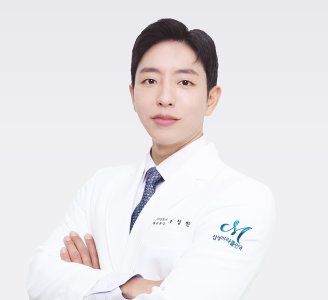
El Dr. Seong-Won Cho es director de Oftalmología y especialista en cirugía refractiva en Samsung Miracle Eye Clinic, en Gangnam, Seúl. Cuenta con certificación oficial. Completó el internado y la residencia en oftalmología en el Hospital Anam de la Universidad de Corea. Obtuvo la licenciatura en la Universidad de Boston. Se enfoca en corrección visual avanzada, incluidos los procedimientos SMILE y LASIK. Anteriormente fue director en Blue World Eye Clinic. También fue consultor de oftalmologí
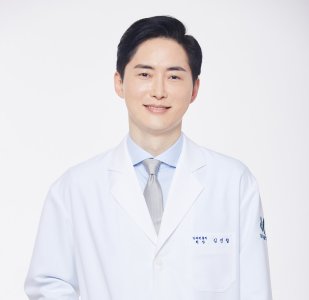
El Dr. Jinchul Kim es director y oftalmólogo en la Clínica Samsung Miracle Eye, en Gangnam, Seúl. Se especializa en cirugía refractiva, incluidos SMILE y procedimientos con láser, y en cirugía de cataratas y de LIO, con planificación personalizada de lentes. Obtuvo el título de médico en la Facultad de Medicina de la Universidad Nacional de Seúl. Completó la formación como especialista en oftalmología en el Hospital Samsung de Seúl y actualmente es profesor visitante allí. También realizó for

La Dra. Yoon‑Jung Jo es oftalmóloga certificada y directora de Samsung Miracle Eye Clinic (Gangnam, Seúl). Se licenció en Medicina (MD) y completó la residencia en Oftalmología en Hallym University Medical Center. Posteriormente se desempeñó como profesora visitante y docente clínica. También fue directora de Cheonan Kim Eye Clinic.
Es especialista en cirugía refractiva. Su enfoque incluye SMILE, LASIK y la corrección personalizada 1:1 del astigmatismo y de la visión. La Dra. Jo está c
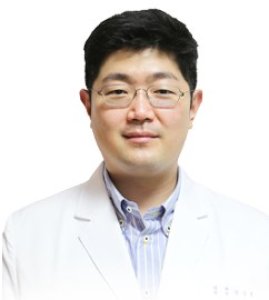
El Dr. Nam Sanghyu es oftalmólogo certificado en el Centro Médico Asan. Es especialista clínico y profesor clínico. Su práctica se centra en cataratas y presbicia. También trata la córnea y las enfermedades de la superficie ocular, entre ellas el ojo seco, las enfermedades externas del ojo y los problemas de las vías lagrimales. Atiende trastornos de la retina y el glaucoma, incluida la retinopatía diabética y la degeneración macular.
Acreditaciones: Miembro pleno de KOS, KDES, KCDS, K
 Olena Sikoza
Corea del Sur ofrece tratamientos avanzados para la uveítis, incluyendo sistemas de administración de fármacos mediante hidrogel desarrollados localmente y terapias biológicas como el adalimumab. Las principales instituciones de Seúl utilizan pruebas PCR multiplex rápidas y secuenciación genómica profunda para un diagnóstico preciso. Los pacientes acceden a atención terciaria de alto nivel a través de especialistas certificados en grandes hospitales universitarios y centros especializados.
Perspectiva del experto de Bookimed: Corea destaca en la rapidez diagnóstica para inflamaciones oculares complejas. Especialistas certificados como el Dr. Sungwon Cho y el Dr. Jinchul Kim en centros de alto volumen de Seúl a menudo han recibido formación en instituciones globales de primer nivel como la Clínica Mayo. Esto garantiza que los estud
Los principales hospitales universitarios de Seúl brindan atención avanzada para la uveítis coordinando la oftalmología con los departamentos de reumatología e inmunología. Instituciones como el Samsung Medical Center y el Seoul National University Hospital (SNUH) se especializan en casos complejos. Manejan eficazmente las causas sistémicas subyacentes, como trastornos autoinmunes o enfermedades infecciosas.
Perspectiva del experto de Bookimed: La Samsung Miracle Eye Clinic sirve como una opción especializada para la corrección de la visión, dirigida por médicos como el Dr. Jinchul Kim, quien se formó en la Clínica Mayo y en el Samsung Seoul Hospital. Mientras que los hospitales universitarios manejan la inflamación aguda, las clínicas con experiencia internacional ofrecen una plani
Los centros oftalmológicos coreanos tratan diversos tipos de uveítis, incluyendo la enfermedad de Behçet, el síndrome de Vogt-Koyanagi-Harada y la uveítis psoriásica. Oftalmólogos especializados gestionan casos refractarios no infecciosos utilizando productos biológicos avanzados. Las clínicas proporcionan diagnósticos integrales para orígenes infecciosos, autoinmunes e idiopáticos para prevenir la pérdida de visión por inflamación crónica.
Bookimed Expert Insight: La oftalmología coreana prospera gracias a una experiencia de gran volumen, con especialistas como el Dr. Jinchul Kim, que aporta formación clínica avanzada de la Clínica Mayo a Seúl. Nuestros datos muestran un patrón en el que los directores de alto nivel suelen ser miembros de sociedades tanto estadounidenses como europeas. Esta integración global garantiza que los pacientes re
El tratamiento de la uveítis en Corea implica una administración especializada de fármacos adaptada a la gravedad de la inflamación. Los oftalmólogos certificados priorizan los corticosteroides mediante gotas tópicas, tabletas orales o inyecciones locales. Las clínicas avanzadas utilizan terapias basadas en protocolos para controlar la presión ocular y prevenir la pérdida de visión durante el proceso de reducción gradual de la inflamación.
Bookimed Expert Insight: Los centros oftalmológicos coreanos se distinguen por protocolos de alta eficiencia dirigidos por especialistas. Mientras que muchas clínicas globales esperan las respuestas a los fármacos, los médicos coreanos suelen emplear inyecciones locales antes si la inflamación amenaza la visión. El Dr. Jinchul Kim, de la Samsung Miracle Eye Clinic, quien se for
Los investigadores surcoreanos están desarrollando sistemas de administración de fármacos sensibles a la inflamación para la uveítis. Los nuevos hidrogeles liberan medicamentos en función de los niveles de inflamación interna. Otros avances incluyen inyecciones de adalimumab para casos refractarios. Los especialistas locales también investigan el bloqueo de la proteína PROX1 para activar la regeneración a largo plazo de las células retinianas.
Opinión experta de Bookimed: Aunque Corea del Sur ocupa el séptimo lugar a nivel mundial en solicitudes médicas, su verdadera fortaleza reside en la experiencia académica. El Dr. Jinchul Kim de la Samsung Miracle Eye Clinic incluso desarrolló una fórmula especializada para perfiles biométricos oculares asiáticos. Este nivel de localización garantiza
La uveítis puede curarse permanentemente si se identifica y elimina una infección subyacente. Sin embargo, los casos relacionados con trastornos autoinmunes generalmente se manejan como afecciones crónicas. El éxito depende de un diagnóstico temprano por parte de oftalmólogos certificados para controlar la inflamación y prevenir la pérdida permanente de la visión.
Opinión experta de Bookimed: Corea del Sur ocupa el séptimo lugar a nivel mundial en nuestra red de solicitudes de pacientes. Clínicos de primer nivel como el Dr. Jinchul Kim integran una formación clínica avanzada obtenida en la Clínica Mayo. Esta experiencia de alto nivel es vital porque el daño visual puede ocurrir incluso cuando la inflamación parece controlada. Elegir un especialista con formación internacional garantiza el acceso a los protocolos globales más recientes para la inflamación