Deformidad en valgo Tratamiento en Corea del Sur — Costos 2026


Revisado médicamente por
Fahad Mawlood
¿Cuál es el precio del diagnóstico y los tratamientos de Deformidad en valgo en Corea del Sur? Descubra ahora
De $55
Costos típicos del tratamiento de la deformidad en valgo en la República de Corea
- Consulta con un ortopedista (traumatólogo): de $55
- Análisis de sangre extendido: de $200
- ECG: de $30
Perspectiva de los expertos de Bookimed: Para correcciones complejas del pie, centros especializados como el Hospital Naeun brindan atención experta bajo especialistas experimentados como el Dr. Yang Young-Joon. Los pacientes que buscan rehabilitación de alta tecnología se benefician del enfoque ortopédico multidisciplinario único del Hospital Kang Dong. Los principales centros multidisciplinarios como el Hospital de la Universidad Nacional de Seúl Bundang (SNUBH) utilizan IA y sistemas digitales para garantizar la precisión quirúrgica en casos avanzados de hallux valgus.
Sus beneficios y garantías con Bookimed
Precios directos
Bookimed no añade cargos extra a los precios de los tratamientos de Deformidad en valgo. Las tarifas proceden de las listas de precios oficiales de las clínicas. Pagará directamente en la clínica por su tratamiento a su llegada al país.
Sólo clínicas y médicos verificados
Bookimed está comprometido con su seguridad. Solo trabajamos con las clínicas que mantienen altos estándares internacionales en el tratamiento de Deformidad en valgo y cuentan con las licencias necesarias para atender a pacientes internacionales en todo el mundo.
Asistencia 24/7 gratuita
Bookimed ofrece asistencia experta gratuita. Un coordinador médico personal le apoya antes, durante y después de su tratamiento, resolviendo cualquier problema. Nunca estará solo en su viaje médico de tratamiento de Deformidad en valgo.

Su coordinador médico personal de Bookimed
- Le apoya en cada etapa
- Ayuda a elegir la clínica y el médico adecuados
- Asegura un acceso rápido y conveniente a la información
Descubra las mejores clínicas de tratamiento de Deformidad en valgo en Corea del Sur: 13 opciones verificadas y Precios






Clínica de columna y articulaciones Leadheal



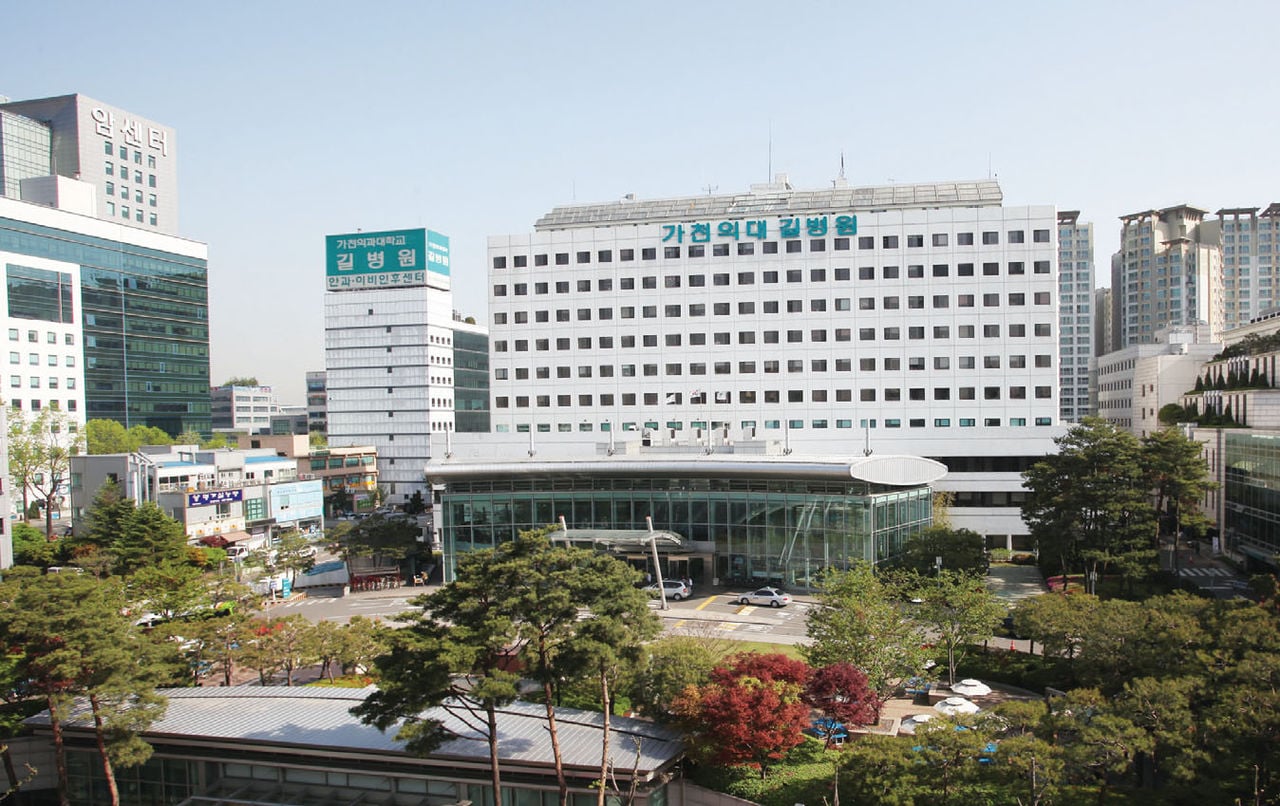




Bumin Hospital Seoul
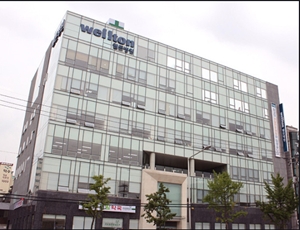
Wellton Hospital

Wiltse Memorial Hospital

Obtenga una evaluación médica para Deformidad en valgo en Corea del Sur: consulte con doctores experimentados ahora
Ver todos los médicos
Yang Yeongjun
El Dr. Yang Yeongjun es cirujano ortopédico especializado en salud articular y artroscopia. Trata trastornos de rodilla y hombro y realiza cirugía artroscópica y reemplazo articular (artroplastia). También trata traumatismos y afecciones deportivas, incluidas lesiones deportivas, problemas del pie y tobillo, síndrome del túnel carpiano y fracturas.
Completó la residencia en cirugía ortopédica en el Catholic Medical Center y luego una beca de subespecialización en el St. Paul’s Hospital
Woo Kyung Kwak
El Dr. Woo Kyung Kwak es cirujano ortopédico. Está especializado en cirugía mínimamente invasiva del pie y el tobillo (MICA para hallux valgus). También trata lesiones deportivas y realiza artroplastia total de rodilla, así como artroscopia avanzada de hombro y rodilla.
Obtuvo el título de médico (MD) y un máster en ciencias (MS) en la Universidad Nacional de Chonnam. Completó una beca de subespecialización en el Hospital de la Universidad Nacional de Chonnam. Se desempeñó como jefe de
Jang Hyo Kim
El Dr. Jang Hyo Kim es cirujano ortopédico centrado en la preservación articular y la reconstrucción compleja. Se especializa en artroscopia de hombro, rodilla, tobillo, codo y muñeca. Realiza reemplazos articulares de hombro, rodilla, tobillo, codo y cadera. En columna, realiza instrumentación y fusiones cervicales y lumbares. También efectúa discectomías, laminectomías, neuroplastias y vertebroplastias. Su práctica incluye el tratamiento de fracturas y la reparación de músculos y ligamentos

Seongcheol Moon
Jefe de Cirugía Ortopédica en el Hospital Nanoori – especializado en afecciones articulares complejas, incluida la deformidad en valgo.
- Formación de subespecialidad en hombro y codo en el Hospital Universitario Kyung Hee
- Publicación de múltiples estudios sobre mecánica articular y resultados quirúrgicos
- Miembro activo de la Sociedad Coreana de Rodilla y la Sociedad Ortopédica de Medicina Deportiva
- Más de 18 años de experiencia quirúrgica en ortopedia
Compartir contenido
Historias en video de pacientes de Bookimed
 Olena Sikoza
Preguntas frecuentes sobre el tratamiento de Deformidad en valgo en Corea del Sur
¿Cuál es el cronograma de recuperación después de la cirugía de juanetes (hallux valgus) y qué tan pronto puedo caminar y volver al trabajo?
La recuperación completa suele tardar 3 meses. La marcha inicial comienza de inmediato o en unos pocos días utilizando un zapato quirúrgico protector. Muchos pacientes regresan al trabajo de oficina en 1 o 2 semanas. El trabajo manual que requiere estar de pie o caminar a menudo requiere de 6 a 8 semanas por seguridad.
- Cronograma para caminar: A menudo se permite la carga parcial de peso de inmediato utilizando calzado médico específico.
- Cuidado de heridas: Los cirujanos suelen retirar los puntos de sutura alrededor de los 14 días posteriores al procedimiento.
- Transición de calzado: Los pacientes generalmente pasan de las botas quirúrgicas a zapatillas de deporte con soporte para la semana 6.
- Curación total: La remodelación ósea se completa al tercer mes, lo que permite realizar deportes de alto impacto.
Perspectiva de expertos de Bookimed: Los especialistas surcoreanos como el Dr. Woo Kyung Kwak del Hospital Leadheal se centran en la cirugía MICA. Esta técnica mínimamente invasiva utiliza pequeñas incisiones para acelerar la movilidad. Los datos muestran que estos procedimientos avanzados a menudo reducen el requisito de elevación del 80% observado en las cirugías tradicionales. Esto permite a los pacientes volver a realizar actividades ligeras más rápido que con los métodos de osteotomía abierta.
Consenso de los pacient
¿Cómo se realizan las técnicas quirúrgicas para la deformidad en valgo en Corea y qué las hace avanzadas?
Las técnicas quirúrgicas para la deformidad en valgo en Corea utilizan sistemas asistidos por robot y enfoques mínimamente invasivos como MICA. Los cirujanos logran una precisión submilimétrica en los cortes óseos y el equilibrio de los tejidos blandos para restaurar la alineación mecánica. Estos centros de alto volumen integran imágenes digitales y planificación 3D para obtener resultados personalizados.
- Cirugía asistida por robot: Los centros utilizan la robótica para un equilibrio ligamentoso preciso y cortes óseos femorales exactos.
- Técnica MICA: Corrección mínimamente invasiva especializada para Hallux Valgus a través de incisiones muy pequeñas.
- Fijación de Ilizarov: Se dispone de fijación externa avanzada para la alineación y corrección estructural compleja de las extremidades.
- Seguridad digital: Los sistemas digitales como BESTcare ayudan a prevenir errores médicos durante cirugías articulares complejas.
Perspectiva de expertos de Bookimed: La infraestructura de salud digital de Corea mejora directamente la seguridad ortopédica. Nuestros datos muestran que instituciones de primer nivel como el Hospital Bundang de la Universidad Nacional de Seúl utilizan sistemas digitales especializados para eliminar errores manuales. Cirujanos como el Dr. Jang Hyo Kim incluso poseen certificaciones avanzadas en técnicas rusas específicas de Iliz
¿Cuándo es realmente necesaria la cirugía de corrección de la deformidad en valgo en lugar de seguir con un tratamiento conservador?
Los especialistas en ortopedia de Corea del Sur recomiendan la cirugía de deformidad en valgo cuando los métodos conservadores no logran detener la pérdida de cartílago o el dolor articular. La cirugía es esencial para desequilibrios estructurales significativos. Esto incluye una desviación del eje mecánico de 10 milímetros o más. La inestabilidad grave o el daño a los ligamentos también requieren intervención quirúrgica.
- Tratamiento conservador fallido: La cirugía es necesaria cuando el dolor persiste después de la fisioterapia y el uso de ortesis.
- Desviación estructural: Un desplazamiento de 10 milímetros hacia el lado lateral requiere corrección.
- Daño articular progresivo: El procedimiento evita la pérdida rápida de cartílago en el compartimento de la rodilla.
- Deterioro funcional: La inestabilidad significativa o las caídas frecuentes indican que el uso de aparatos ortopédicos es insuficiente.
Perspectiva del experto de Bookimed: Las clínicas surcoreanas como el Hospital Bundang de la Universidad Nacional de Seúl utilizan sistemas de seguridad digitales e imágenes por IA para mapear las deformidades. Mientras que la atención general se centra en el dolor, los especialistas coreanos a menudo utilizan técnicas mínimamente invasivas MICA o fijación externa de Ilizarov. Este enfoque busca la corrección estructural con cicatrices mínimas.
¿Qué factores determinan si soy un buen candidato para una cirugía de juanetes mínimamente invasiva en Corea?
Los buenos candidatos para la cirugía de juanetes mínimamente invasiva en Corea suelen presentar una deformidad en valgo de leve a moderada. La elegibilidad depende de la densidad ósea, la flexibilidad articular y la ausencia de artritis grave. Los centros acreditados por la JCI en Seúl evalúan estos factores mediante radiografías digitales especializadas para garantizar una realineación precisa.
- Gravedad de la deformidad: Ideal para casos leves a moderados sin una superposición significativa del dedo gordo.
- Salud articular: Los mejores resultados se obtienen cuando los pacientes no tienen artritis grave ni daño en el cartílago.
- Calidad ósea: Los candidatos deben tener suficiente densidad ósea para soportar la fijación con tornillos especializados.
- Flexibilidad: Los juanetes parcialmente flexibles son más adecuados para las técnicas de incisión pequeña que las deformidades rígidas.
Perspectiva de expertos de Bookimed: Aunque muchos hospitales coreanos comercializan opciones mínimamente invasivas, cirujanos como el Dr. Woo Kyung Kwak del Hospital Leadheal se especializan específicamente en la cirugía MICA. Esta técnica de tercera generación utiliza fresas y métodos de fijación distintos. Los pacientes deben priorizar a los médicos con formación especializada en MICA en lugar de experiencia ortopédica general.
Consenso de l
¿Existen alternativas no quirúrgicas eficaces y cuándo son suficientes?
Las opciones no quirúrgicas eficaces para la deformidad en valgo incluyen ortesis, férulas y fisioterapia para controlar el dolor y mejorar la movilidad. Estos tratamientos son suficientes cuando la deformidad es leve, estable y no causa un deterioro significativo de la marcha. Manejan los síntomas, pero no corrigen anatómicamente la desalineación ósea estructural.
- Herramientas conservadoras: Las ortesis personalizadas y las modificaciones en el calzado reducen la carga articular y mejoran la tolerancia al caminar.
- Terapia funcional: Los ejercicios de fortalecimiento apoyan la estabilidad articular y ayudan a mantener la actividad física diaria.
- Manejo de síntomas: La modificación del peso y el ajuste de la actividad retrasan la cirugía al reducir el estrés mecánico en la articulación.
- Criterios clínicos: La atención no quirúrgica es suficiente estrictamente para casos leves y flexibles sin un deterioro funcional persistente.
Perspectiva de expertos de Bookimed: Los ortopedistas surcoreanos suelen utilizar la distinción entre deformidades flexibles y fijas para determinar el tratamiento. Mientras que muchos centros generales se centran en férulas estándar, clínicas especializadas como el Hospital Leadheal ofrecen cirugía MICA. Este enfoque mínimamente invasivo cierra la brecha para los pacientes que desean incisiones más pequeñas cuando
¿Cómo proceden los cuidados postquirúrgicos y la fisioterapia en Corea para los turistas médicos?
La atención postquirúrgica coreana para la deformidad en valgo incorpora movilización estructurada e imágenes avanzadas dentro de instalaciones acreditadas por la Joint Commission International (JCI). Los pacientes suelen comenzar ejercicios de movimiento tempranos dentro de las 24 a 48 horas. Los departamentos internacionales dedicados proporcionan instrucciones de medicación traducidas y protocolos de seguimiento remoto para garantizar una recuperación segura después del alta.
- Movilización temprana: La fisioterapia comienza con movimientos básicos y asistencia para caminar en cuestión de días.
- Monitoreo digital: Hospitales como el Seoul National University Bundang utilizan sistemas digitales BESTcare para el monitoreo.
- Manejo de heridas: Los protocolos especializados incluyen controles clínicos regulares y cambios de vendaje profesionales antes del alta.
- Coordinación del alta: Los centros internacionales proporcionan planes de rehabilitación escritos explícitos para la atención continua en el hogar.
Perspectiva del experto de Bookimed: Los datos de más de 70 clínicas coreanas muestran una fuerte tendencia hacia la recuperación digital. Hospitales como el Asan Medical Center y el Severance Hospital utilizan IA y telemedicina para cerrar la brecha para los pacientes internacionales. Si bien muchos se centran en la cirugía en sí, elegir