Tratamiento de Deformidad en valgo en Polonia — obtenga 3 coincidencias personalizadas de clínicas


Revisado médicamente por
Fahad Mawlood
Cómo funciona
¿Cuál es el precio del diagnóstico y los tratamientos de Deformidad en valgo en Polonia? Descubra ahora
De $85. Los pacientes suelen ahorrar entre un 40 y un 60% en comparación con los EE. UU. o Europa Occidental. Los costos dependen de la gravedad del juanete y de si se requiere una corrección bilateral. Las principales ciudades para este procedimiento incluyen Varsovia, Jelenia Góra y Cracovia.
Costos típicos del tratamiento de la deformidad en valgo en Polonia
- Consulta con un ortopedista (traumatólogo): de $85
- Análisis de sangre extendido: de $650
- ECG: de $28
Perspectiva de los expertos de Bookimed: Para reconstrucciones complejas del pie, los centros académicos como el Hospital Universitario de Cracovia ofrecen una gran experiencia. Los atletas y pacientes activos deberían considerar el Hospital Carolina en Varsovia. Es un Centro Médico de Excelencia de la FIFA especializado en correcciones ortopédicas relacionadas con el deporte. El Dr. Jacek Laskowski del Hospital Carolina ofrece más de 20 años de experiencia en correcciones de deformidades. La Clínica KCM es la mejor opción para pacientes internacionales que buscan paquetes de diagnóstico y cirugía optimizados.
Descubra las mejores clínicas de tratamiento de Deformidad en valgo en Polonia: 9 opciones verificadas y Precios








Hospital Universitario de Cracovia

Health Clinic “Pod Tezniami”

Enel Med

John Paul II Western Hospital
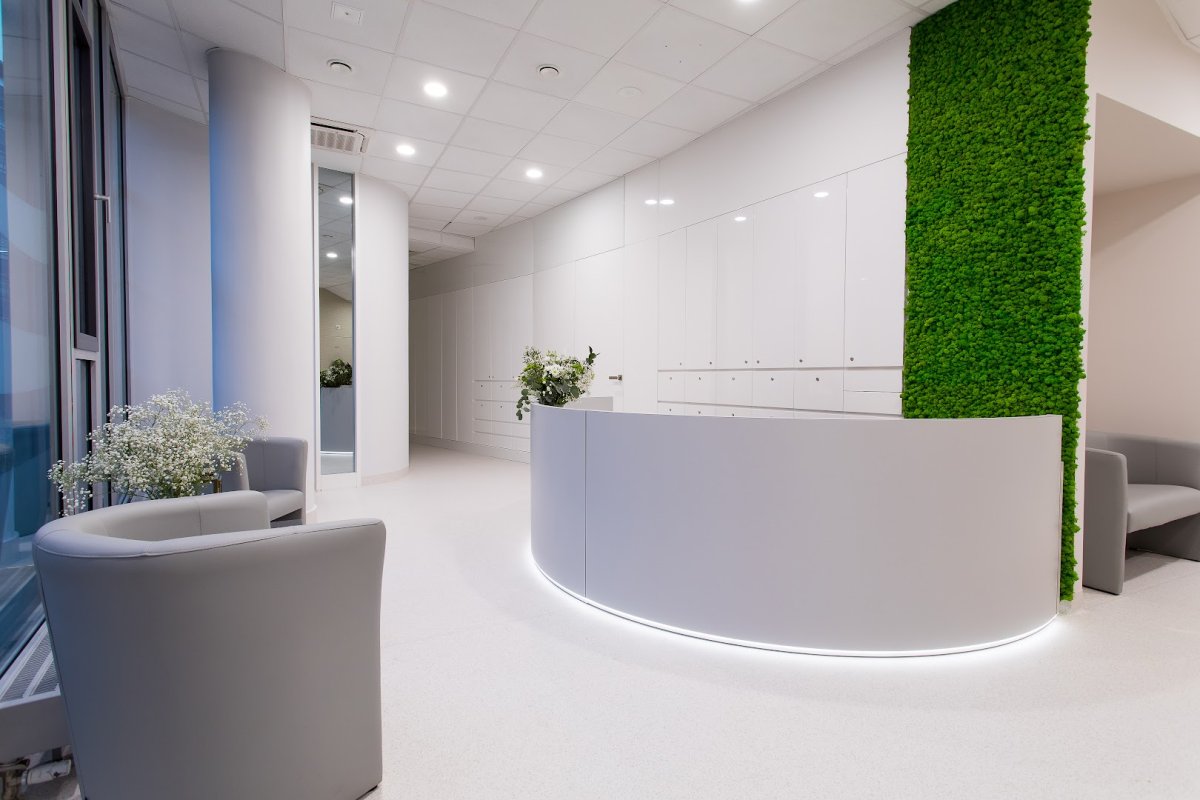
Medi Horizon Clinic
Obtenga una evaluación médica de tratamiento de Deformidad en valgo en Polonia: haga una consulta con 15 médicos experimentados ahora
Ver todos los médicos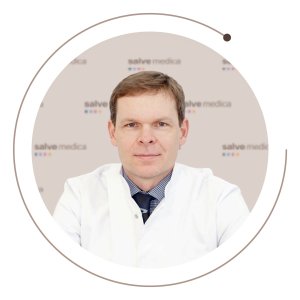
Marcin Sibinski
El profesor Marcin Sibiński es especialista en ortopedia y traumatología del aparato locomotor. Se graduó en 1999 en la Academia Médica de Łódź. Obtuvo el doctorado (PhD) en 2004 y la habilitación (DSc) en 2010. Recibió el título de profesor en 2014. También realizó estancias clínicas internacionales, entre ellas en el Reino Unido.
Atiende a adultos y niños con tratamiento no quirúrgico y cirugías modernas. Su labor quirúrgica incluye artroplastia de cadera, artroscopia de rodilla y to
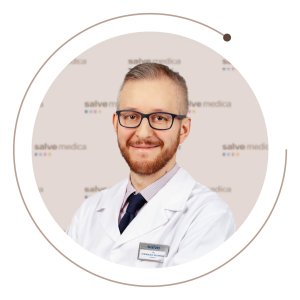
Stanislaw Klosinski
El Dr. Stanislaw Klosinski es especialista en ortopedia y traumatología musculoesquelética. Se graduó en 2013 en la Universidad de Ciencias Médicas de Poznań. Obtuvo el doctorado en ciencias médicas en 2021. Completó su residencia en la Universidad Médica de Łódź. Es cirujano de plantilla y docente en el Hospital Central de Enseñanza (CSK CKD). Realiza procedimientos avanzados.
Atiende a adultos y niños. Ofrece tratamiento no quirúrgico y técnicas quirúrgicas modernas. Brinda consultas
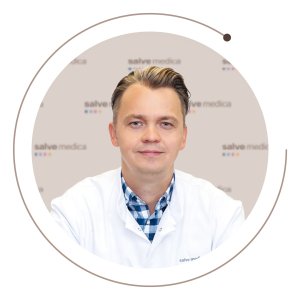
Michal Przybyl
El Dr. Michał Przybył es especialista en Ortopedia y Traumatología musculoesquelética. Estudió en la Universidad Médica de Łódź y en la Universidad Clark.
Se centra en la cirugía articular mínimamente invasiva. Cuenta con muchos años de experiencia en artroscopia de cadera por pinzamiento femoroacetabular (FAI) y roturas del labrum. También realiza reemplazo total de cadera y rodilla y reconstrucción ligamentosa compleja (LCA, LCP, LTA).
La ecografía en consulta permite un diagn
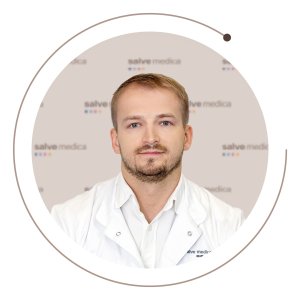
Marek Aleksander Synder
El Dr. Marek Aleksander Synder es especialista en Ortopedia y Traumatología del sistema musculoesquelético. Se centra en restaurar la movilidad mediante tratamiento no quirúrgico y cirugía mínimamente invasiva o artroscópica. Obtuvo el doctorado en 2020 por su investigación sobre la enfermedad de Perthes.
Forma parte del equipo médico del Hospital Universitario Central (CKD) de Łódź. Realiza cirugías en el Centro Médico Księży Młyn, el Hospital Salve y el Hospital de Brzeziny.
S
Compartir contenido
Historias en video de pacientes de Bookimed
 Olena Sikoza
Preguntas frecuentes sobre el tratamiento de Deformidad en valgo en Polonia
¿Qué métodos quirúrgicos utilizan los especialistas ortopédicos polacos para tratar los juanetes?
Los especialistas ortopédicos polacos tratan los juanetes mediante osteotomías metatarsianas avanzadas y técnicas mínimamente invasivas adaptadas a la gravedad de la deformidad. Clínicas como el Carolina Hospital y la KCM Clinic emplean los métodos Scarf y Chevron para una realineación ósea precisa. Estos procedimientos a menudo utilizan tornillos de titanio de bajo perfil para garantizar una estabilidad inmediata y una carga temprana.
- Osteotomía Scarf: Un corte en forma de Z trata casos de moderados a graves rotando los fragmentos óseos.
- Método Chevron: Un corte en forma de V corrige deformidades de leves a moderadas cerca de la articulación del dedo gordo.
- Procedimiento de Akin: Los cirujanos eliminan una cuña ósea de la falange para alinear el dedo.
- Procedimiento de Lapidus: Esta fusión tarsometatarsiana corrige la causa raíz rotacional en casos graves.
- Cirugía mínimamente invasiva: Las técnicas percutáneas permiten la realineación a través de pequeñas incisiones bajo guía radiográfica en tiempo real.
Perspectiva del experto de Bookimed: Los datos muestran una alta densidad de experiencia en clínicas de Varsovia como el Carolina Hospital. Cirujanos allí como el Dr. Andrzej Komor tienen más de 30 años de experiencia. A menudo combinan la cirugía ósea tradicional con terapias biológicas como las células madre.
¿Cómo verifico la calidad y las credenciales de una clínica en Polonia?
Verifique las clínicas polacas consultando el Registro de Actividad Médica (RPWDL) y la Cámara Médica Suprema (NIL) para obtener las licencias de los médicos. Busque certificaciones ISO 9001:2015 y credenciales especializadas como el FIFA Medical Centre of Excellence. Asegúrese de que el centro sea un hospital acreditado y no un consultorio privado.
- Registro nacional: Confirme el estado activo en la base de datos RPWDL gestionada por el Ministerio de Salud.
- Credenciales del médico: Busque en el registro NIL para verificar los títulos de especialista en ortopedia y traumatología.
- Estándares de calidad: Priorice las instalaciones con certificaciones ISO 9001:2015 o de evaluación de calidad nacional CMJ.
- Experiencia clínica: Seleccione centros como el Hospital Carolina que sirven como socios para los equipos olímpicos nacionales.
Perspectiva del experto de Bookimed: Los datos muestran una clara distinción entre los gigantes multidisciplinarios y los centros ortopédicos especializados. Mientras que el Hospital Universitario de Cracovia atiende a 455.000 pacientes al año, las clínicas especializadas como el Hospital Carolina se centran en la medicina deportiva de élite. Para la deformidad en valgo, elija cirujanos como el Dr. Jacek Laskowski, que combinan la investigación con más de 900 intervenciones ortopédicas.
Consenso de
¿Cuánto tiempo debo permanecer en Polonia antes de que sea seguro volar a casa?
Los pacientes deben planificar una estancia en Polonia de 10 a 14 días después de una cirugía de deformidad en valgo. Este periodo permite realizar controles postoperatorios críticos de las heridas y vigilar la aparición de trombosis venosa profunda (TVP). Volar demasiado pronto aumenta el riesgo de hinchazón grave y coágulos sanguíneos debido a los cambios en la presión de la cabina.
- Estancia hospitalaria: Espere de 1 a 2 noches de atención hospitalaria para la recuperación inicial.
- Manejo de heridas: Las estancias de más de 10 días aseguran que las incisiones estén estables antes de un viaje internacional.
- Prevención de TVP: Los cirujanos suelen recetar anticoagulantes y medias de compresión para el vuelo de regreso.
- Factor de movilidad: Los pacientes deben poder controlar el dolor sin narcóticos antes de recibir el alta para volar.
Perspectiva de expertos de Bookimed: Los datos del Hospital Carolina muestran que los principales cirujanos polacos utilizan prótesis hechas a medida y técnicas avanzadas de osteotomía. Aunque el margen de seguridad médica para volar es de unas 2 semanas, el desafío logístico suele ser la navegación en el aeropuerto. Recomendamos a los pacientes que reserven con antelación asistencia en silla de ruedas para el Aeropuerto Chopin o el Aeropuerto de Cracovia. Esto evita una tensión excesiva en la corrección r
¿Cómo es el cronograma de recuperación postoperatoria?
La recuperación de la deformidad en valgo en Polonia sigue un cronograma estructurado centrado en la curación ósea y la estabilidad articular. La hospitalización inicial dura de 1 a 3 días para controlar el dolor. Los pacientes suelen recuperar su independencia funcional en un plazo de 8 semanas. La remodelación completa de los tejidos profundos y las cicatrices tarda de 6 a 12 meses en mostrar los resultados finales.
- Etapa inmediata: Los días 1 a 3 se centran en la estabilización y el control de la hinchazón máxima en las clínicas de Varsovia.
- Curación de heridas: Los cirujanos suelen retirar los puntos no reabsorbibles alrededor del día 10 al 14 después de la cirugía.
- Recuperación intermedia: Las semanas 4 a 8 implican una rehabilitación intensiva para recuperar el rango de movimiento y la fuerza.
- Consolidación ósea: La mayoría de los pacientes pasan de usar muletas a caminar con confianza para la semana 12.
Perspectiva del experto de Bookimed: Los datos de centros líderes en Varsovia, como el Carolina Hospital, muestran que cirujanos como el Dr. Jacek Laskowski enfatizan la rehabilitación personalizada. Aunque muchos esperan una recuperación rápida, los registros clínicos indican que la debilidad muscular a menudo ralentiza el progreso más que el hueso en sí. Elegir una clínica con experiencia especializada en medicina deportiva pued
¿Se puede curar permanentemente una deformidad en valgo sin someterse a cirugía?
Los adultos no pueden curar permanentemente una deformidad estructural en valgo sin cirugía una vez que las placas de crecimiento se cierran. Los métodos no quirúrgicos gestionan eficazmente el dolor y ralentizan la progresión, pero no realinean los huesos fusionados. El verdadero potencial de corrección solo existe en casos funcionales o en niños a través de un proceso llamado modulación del crecimiento guiada.
- Límite estructural: Los adultos tienen estructuras óseas fijas que los tratamientos no quirúrgicos no pueden remodelar anatómicamente.
- Valgo funcional: La desalineación impulsada por los músculos puede mejorar permanentemente mediante fisioterapia dirigida y fortalecimiento.
- Opciones pediátricas: Los médicos utilizan la modulación del crecimiento guiada para dirigir el desarrollo óseo en placas de crecimiento activas.
- Gestión de síntomas: Los aparatos ortopédicos y las plantillas redistribuyen las cargas articulares para prevenir el desgaste secundario del cartílago.
Perspectiva de expertos de Bookimed: Polonia es un centro de gran volumen para la ortopedia compleja, ocupando el tercer lugar a nivel mundial en nuestra red. Centros especializados como el Hospital Carolina integran modelos matemáticos en la planificación de osteotomías. Esta precisión a menudo significa que, incluso si las opciones no quirúrgicas fallan, las corre
¿Qué tan alta es la calidad de la neurocirugía en Polonia?
La neurocirugía en Polonia ofrece atención de alta calidad en centros con certificación JCI e ISO. Los neurocirujanos polacos se adhieren a estrictos estándares de formación adoptados por la Unión Europea. Muchos han completado becas en Estados Unidos o Alemania. Tecnologías avanzadas, como CyberKnife, Gamma Knife y sistemas robóticos, están ampliamente disponibles en centros privados.
- Cualificaciones especializadas: Los médicos suelen ser miembros de la Asociación Europea de Sociedades de Neurocirugía.
- Tecnologías avanzadas: Las clínicas utilizan sistemas CyberKnife y ultrasonido enfocado guiado por resonancia magnética para el tratamiento cerebral no invasivo.
- Volumen clínico: Centros líderes como el Hospital Universitario de Cracovia tratan a más de 455.000 pacientes al año.
- Cirujanos experimentados: El Dr. Maciej Bujko del Hospital Carolina ha realizado más de 2.500 cirugías por su cuenta.
Opinión experta de Bookimed: Los datos muestran una fuerte correlación entre la especialización de una clínica y el origen de sus pacientes. La Clínica KCM atiende a más de 700 pacientes internacionales al año. Se especializa en cirugía de columna mínimamente invasiva. Este volumen de trabajo le permite ofrecer paquetes de servicios especializados, que a menudo incluyen bloques de diagnóstico e implantes específicos, como el DIAM de Medtronic.
¿Cuáles son las cualificaciones de los neurocirujanos polacos?
Los neurocirujanos polacos son especialistas altamente cualificados que han completado al menos 13 años de rigurosa formación médica. Esto incluye seis años de estudios de medicina, 13 meses de prácticas y seis años de residencia. Deben aprobar el Examen Estatal de Especialización (PES) y suelen estar certificados por la Asociación Europea de Sociedades de Neurocirugía (EANS).
- Educación: Los médicos reciben educación médica (medicina) después de 6 años de estudio en la universidad.
- Especialización: La residencia incluye 6 años de formación modular en neurocirugía clínica y neurorradiología.
- Volumen quirúrgico: Los residentes a menudo realizan más de 1.000 cirugías, lo que excede el volumen de capacitación promedio en otras regiones.
- Certificados: Muchos especialistas son miembros de AO Spine o de la Sociedad Polaca de Cirugía de Columna.
Opinión experta de Bookimed: Los datos muestran que los neurocirujanos polacos suelen especializarse en tecnologías altamente especializadas, como el sistema ApiFix o el sistema de endoscopia lumbar SED-YESS. Especialistas como el Dr. Stanisław Kwek, de la Clínica KCM, combinan la investigación postdoctoral con una práctica quirúrgica activa. Esta combinación de profundos conocimientos académicos y un alto volumen quirúrgico los hace especialmente eficaces en cirugías de columna complejas y mínimamente in
¿Cuáles son las mejores clínicas neuroquirúrgicas en Polonia?
Entre las mejores clínicas neuroquirúrgicas de Polonia se encuentran el Hospital Carolina, la Clínica KCM y centros académicos de primer nivel como el Hospital Universitario de Cracovia. Estas instituciones ofrecen tratamientos de vanguardia para enfermedades de la columna vertebral y el cerebro que cumplen con los estándares de calidad ISO y emplean a especialistas miembros de organizaciones internacionales como AO Spine.
- Hospital Carolina: Centro Médico de Excelencia FIFA, especializado en cirugías de columna complejas y mínimamente invasivas.
- Clínica KCM: Reconocida internacionalmente por la calidad de sus procedimientos endoscópicos de columna, atendiendo a más de 700 pacientes internacionales anualmente.
- Hospital Universitario de Cracovia: un gran centro multidisciplinario que realiza más de 800 operaciones neuroquirúrgicas al año desde 1788.
- Luxmed: un reconocido centro médico privado en Varsovia especializado en cirugía de columna avanzada para pacientes internacionales.
Opinión experta de Bookimed: Si bien muchos buscan los hospitales más grandes, los datos muestran que clínicas como el Hospital Carolina ofrecen mayor eficiencia para cirugías electivas. Con más de 40 médicos especialistas en este centro de 30 camas, la proporción médico-paciente es significativamente mayor que en los centros universitarios públicos. Esto se traduc
¿Qué procedimientos neuroquirúrgicos se realizan con más frecuencia en Polonia?
En Polonia, la neurocirugía se centra principalmente en cirugías de columna y extirpación de tumores cerebrales. Los hospitales realizan con frecuencia microdiscectomías, fusiones espinales y estimulación cerebral profunda. Centros como el Hospital Carolina y la Clínica KCM utilizan técnicas mínimamente invasivas para tratar hernias discales, lesiones de columna y trastornos neurológicos complejos.
- Cirugía de columna: La discectomía y la laminectomía son tratamientos comunes para los discos herniados.
- Neurooncología: Los especialistas realizan cirugías para extirpar tumores cerebrales utilizando equipos modernos como la tecnología CyberKnife.
- Neurocirugía funcional: la estimulación cerebral profunda (ECP) se utiliza ampliamente para los trastornos del movimiento.
- Técnicas mínimamente invasivas: Los cirujanos utilizan técnicas endoscópicas para descomprimir la columna y tratar tumores pituitarios.
Opinión experta de Bookimed: Polonia se ha convertido en un centro de estabilización espinal especializada. Clínicas como el Hospital Carolina colaboran con equipos deportivos nacionales, lo que refleja su alto nivel de experiencia en el tratamiento de lesiones espinales complejas. Nuestros datos muestran que estas instituciones suelen integrar la rehabilitación directamente en el tratamiento quirúrgico. Esta combinación reduce el riesgo de compl
¿Está disponible la rehabilitación neurológica?
La rehabilitación neurológica está ampliamente disponible en Polonia a través de centros especializados y hospitales multidisciplinarios. Los programas abarcan la recuperación tras un accidente cerebrovascular, una lesión medular y enfermedades degenerativas. Instituciones como el Hospital Karolina de Varsovia y la Clínica KCM ofrecen terapia supervisada. La mayoría de los programas neuroquirúrgicos incluyen una evaluación inicial de rehabilitación postoperatoria.
- Terapias disponibles: Los programas incluyen neurofisioterapia, terapia ocupacional y terapia del habla.
- Instituciones líderes: El Hospital Carolina y el Centro Médico ENEL-MED en Varsovia ofrecen rehabilitación.
- Personal calificado: Neurofisioterapeutas especializados trabajan con neurocirujanos para crear planes de tratamiento individualizados.
- Alcance: La rehabilitación tiene como objetivo restaurar la movilidad, el equilibrio y las funciones cognitivas después de intervenciones quirúrgicas complejas.
Opinión experta de Bookimed: Los datos muestran que las clínicas con una gran afluencia de pacientes internacionales, como la Clínica KCM, suelen incluir rehabilitación básica en sus paquetes quirúrgicos. Esto supone una ventaja significativa, ya que coordinar la neurorrehabilitación de forma independiente en Polonia puede ser complicado. Elegir una clínica con un especialista e