Tratamiento de Deformidad en valgo en Alemania — obtenga 3 coincidencias personalizadas de clínicas


Revisado médicamente por
Fahad Mawlood
Cómo funciona
¿Cuál es el precio del diagnóstico y los tratamientos de Deformidad en valgo en Alemania? Descubra ahora
De $330. La corrección quirúrgica de los juanetes es el tratamiento principal, con precios influenciados por la técnica quirúrgica elegida, la complejidad de la deformidad y el nivel de la clínica. Los pacientes a menudo ahorran aproximadamente entre un 30 y un 50% en comparación con los costos de atención médica en los Estados Unidos. Los principales centros médicos para estos procedimientos incluyen Solingen, Frankfurt am Main y Hamburgo.
Costos típicos del tratamiento de la deformidad en valgo en Alemania
- Consulta con un ortopedista (traumatólogo): de $330
- Análisis de sangre extendido: de $150
- Coagulograma: de $40
- ECG: $50 – $60
Perspectiva de los expertos de Bookimed: Los pacientes que buscan atención especializada deben considerar la Clínica Nordwest, donde el Dr. Sven Rogmans aporta más de 28 años de experiencia en ortopedia. Para aquellos que priorizan la innovación y el alto volumen, el Complejo Clínico de Renania del Norte-Westfalia atiende a más de 100,000 pacientes ambulatorios al año con opciones asistidas por robots. Los centros afiliados a universidades, como los de Hamburgo o Heidelberg, son los mejores para casos complejos que requieren enfoques multidisciplinarios respaldados por investigación y tecnologías de diagnóstico avanzadas.
Descubra las mejores clínicas de tratamiento de Deformidad en valgo en Alemania: 25 opciones verificadas y Precios




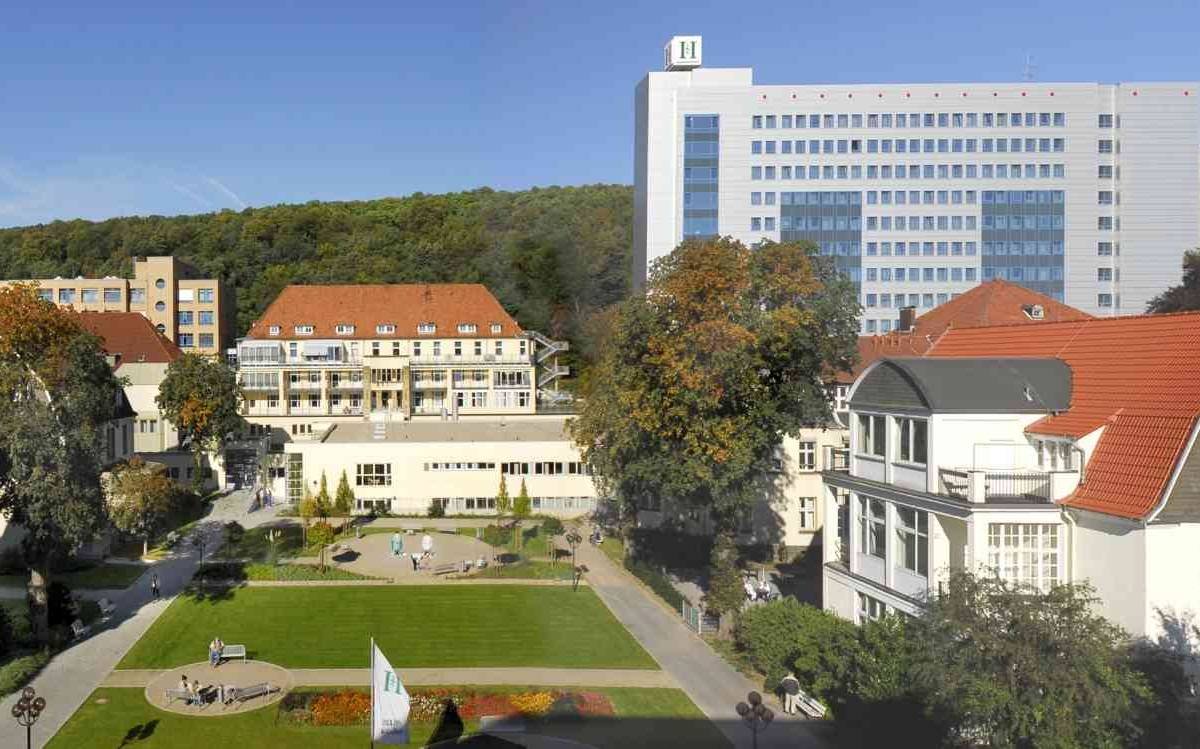

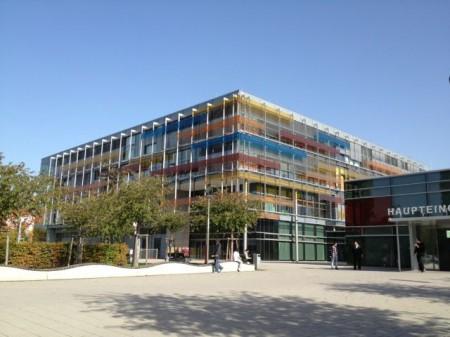
University Hospital in Haydelberge

Hannover Medical School

St. Marienstift Clinic

Elbland Clinic

St. Josefs Hospital Wiesbaden

Bavaria in Kreischa
Obtenga una evaluación médica para Deformidad en valgo en Alemania: consulte con doctores experimentados ahora
Ver todos los médicos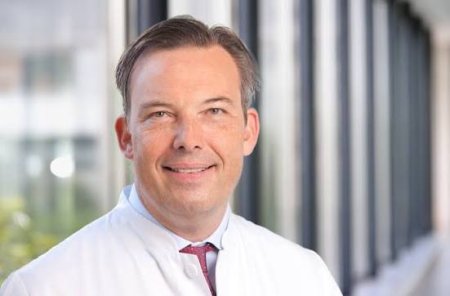
Markus Graf

Sven Rogmans
El Dr. Rogmans se especializa en tratamientos articulares mínimamente invasivos con 26 años de experiencia, realizando procedimientos avanzados en la Clínica Nordwest.
- Experto en tratamientos conservadores y operativos de la artrosis
- Se centra en la endoprótesis de cadera mínimamente invasiva
- Experto en el tratamiento de fracturas periprotésicas de miembros inferiores
- Amplia experiencia en cirugía artroscópica para lesiones deportivas
- Ha publicado numerosos estudios nacionales e internacionales
Compartir contenido
Historias en video de pacientes de Bookimed
 Olena Sikoza
Preguntas frecuentes sobre el tratamiento de Deformidad en valgo en Alemania
¿Qué técnicas quirúrgicas se utilizan en Alemania para tratar la deformidad en valgo?
Los centros ortopédicos alemanes tratan la deformidad en valgo utilizando más de 150 técnicas quirúrgicas especializadas. Los cirujanos priorizan la osteotomía de preservación articular como Scarf o Chevron para las correcciones del pie. Para la alineación de la rodilla, utilizan la osteotomía femoral distal o el reemplazo total de la articulación. Las clínicas altamente especializadas siguen estrictas directrices basadas en la evidencia AWMF S2e.
- Cirugía mínimamente invasiva: Los cirujanos utilizan punciones de 2 a 3 mm para juanetes de leves a moderados.
- Osteotomía Scarf: Los cortes en forma de Z permiten el reposicionamiento en 3D para deformidades del pie de moderadas a graves.
- Osteotomía femoral distal: Esta técnica realinea el eje de la rodilla en pacientes más jóvenes y activos.
- Fijación especializada: Las placas y tornillos de titanio de alta calidad proporcionan una estabilidad mecánica inmediata.
Perspectiva del experto de Bookimed: Alemania ocupa el segundo lugar a nivel mundial en solicitudes ortopédicas en nuestra plataforma. Esta popularidad se debe a centros académicos masivos como el Hospital Universitario de Heidelberg. Dichas instituciones atienden a más de 312.000 pacientes al año. Si bien las clínicas más pequeñas ofrecen atención personalizada, estos centros de alto volumen brindan un acceso poco común al diagnóstic
¿Cuál es la tasa de éxito documentada y el resultado clínico de la cirugía de deformidad en valgo en Alemania?
La cirugía de deformidad en valgo en Alemania demuestra tasas de éxito documentadas de entre el 85% y el 95%. Los resultados clínicos indican una mejora funcional significativa. Los pacientes suelen observar un aumento medio de 33,8 puntos en las puntuaciones ortopédicas estándar. La mayoría logra una alineación casi neutra. Estos resultados están respaldados por centros ortopédicos de gran volumen.
- Mejora funcional: Las puntuaciones de la función articular a menudo se duplican después de la cirugía.
- Corrección del pie: Alrededor del 92% de los pacientes informan una reducción del dolor a largo plazo.
- Alineación de la rodilla: Los procedimientos de osteotomía retrasan con éxito el reemplazo articular durante 12 años.
- Éxito estético: Aproximadamente el 94% de los pacientes expresan satisfacción con la apariencia final.
Perspectiva de expertos de Bookimed: Aunque muchos eligen grandes centros universitarios, instituciones especializadas más pequeñas como la Clínica St. Marienstift mantienen altos volúmenes quirúrgicos con 13.000 operaciones anuales. Esta concentración de casos sugiere que las clínicas alemanas especializadas a menudo brindan una experiencia más enfocada que los hospitales generales. Los pacientes deben priorizar las instalaciones con un alto número de cirugías específicas del departamento para obtener resultados más prede
¿Cuánto dura el período de recuperación después de una cirugía de deformidad en valgo en Alemania y cuándo puedo volver a caminar y realizar actividades normales?
La recuperación de la cirugía de deformidad en valgo en Alemania suele durar de 6 a 12 semanas para la curación inicial. Los pacientes pueden caminar inmediatamente después del procedimiento utilizando un zapato ortopédico alemán especializado para el antepié. La remodelación ósea completa y la normalización de las actividades a menudo requieren de 6 a 12 meses para obtener los resultados finales.
- Cronograma para caminar: Camine inmediatamente con un zapato de cuña especializado para proteger el antepié.
- Zapato médico: Use la órtesis de antepié exclusivamente durante las primeras 6 semanas.
- Reanudación de actividades: Regreso al trabajo sedentario de 1 a 2 semanas después de la cirugía.
- Seguridad en los viajes: Permanezca en Alemania de 10 a 14 días antes de volar a casa.
Perspectiva de expertos de Bookimed: Las clínicas alemanas como Nordwest y Solingen priorizan la movilidad temprana mediante protocolos estrictos de calzado especializado en lugar de la inmovilización total. Si bien cirujanos como el Dr. Sven Rogmans utilizan técnicas mínimamente invasivas para acelerar la recuperación, los datos de volumen de pacientes de centros de primer nivel sugieren que una estancia hospitalaria de 3 días es el estándar para garantizar un manejo adecuado del dolor y la estabilidad inicial de la alineación antes del alta.
Consenso d
¿Cómo se gestiona el dolor postoperatorio tras una cirugía de deformidad en valgo en las clínicas alemanas?
El manejo del dolor postoperatorio en las clínicas alemanas sigue un protocolo multimodal que evita el uso de opioides. Los cirujanos priorizan los bloqueos nerviosos regionales, como los bloqueos de tobillo o ciático, junto con medicamentos no opioides como el metamizol. Estos métodos garantizan una movilización temprana manteniendo niveles de dolor cómodos a través de estándares de calidad altamente regulados como el registro QUIPS.
- Anestesia regional: Los bloqueos nerviosos guiados por ultrasonido proporcionan un adormecimiento localizado para un alivio inmediato tras la cirugía.
- Régimen farmacológico: El uso programado de metamizol y antiinflamatorios no esteroideos reduce la inflamación sistémica.
- Cuidado mecánico: Los zapatos de descarga especializados desplazan la presión hacia el talón para proteger las zonas quirúrgicas.
- Protocolo RICE (PECH): El estricto cumplimiento del reposo, hielo, compresión y elevación mitiga el dolor punzante.
Perspectiva del experto de Bookimed: Clínicas alemanas como la Nordwest Clinic o el Centro Médico de Solingen atienden a más de 60.000 pacientes al año. Este volumen les permite perfeccionar protocolos de anestesia que priorizan opciones no opioides. El Dr. Sven Rogmans en Frankfurt se especializa en cirugía mínimamente invasiva de las extremidades inferiores. Dichas técnicas a menudo reducen el t
¿Está ampliamente disponible la cirugía de juanetes mínimamente invasiva o percutánea en Alemania?
La cirugía de juanetes mínimamente invasiva y percutánea está ampliamente disponible en Alemania. El país es un destino líder para la cirugía especializada del pie. Muchos centros utilizan técnicas avanzadas de tercera generación. Estas incluyen osteotomías subcapitales percutáneas y el procedimiento mínimamente invasivo Chevron-Akin (MICA).
- Técnicas especializadas: Los cirujanos utilizan microfresas y tornillos de compresión de titanio para la corrección.
- Opciones mínimamente invasivas: La osteotomía metatarsiana distal menos invasiva (LIDO) requiere incisiones de 1 cm.
- Centros de alto volumen: El Centro Médico de Solingen trata a más de 60.000 pacientes cada año.
- Certificaciones de expertos: Los procedimientos son realizados por cirujanos certificados por la DAF o GFFC.
Perspectiva del experto de Bookimed: Alemania ocupa un lugar destacado a nivel mundial en solicitudes ortopédicas. Los datos muestran que centros como el complejo clínico de Renania del Norte-Westfalia atienden a 145.000 pacientes al año. Aunque existen clínicas más pequeñas, estos complejos médicos masivos ofrecen alternativas robóticas e innovadoras. Este alto volumen garantiza que los cirujanos mantengan la precisión en las técnicas mínimamente invasivas.
Consenso de los pacientes: Los pacientes señalan que estos procedimientos requieren enco
¿Pueden los pacientes internacionales recibir una consulta remota antes de viajar a Alemania?
Los pacientes internacionales pueden recibir consultas remotas antes de viajar a Alemania para el tratamiento de la deformidad en valgo. Los centros especializados utilizan videollamadas o revisiones escritas para evaluar los escaneos de diagnóstico y el historial médico. Este proceso aclara la elegibilidad quirúrgica y los planes de tratamiento, evitando viajes innecesarios para las evaluaciones iniciales.
- Formatos disponibles: Los centros especializados ofrecen reuniones de video en vivo o segundas opiniones de expertos por escrito.
- Documentos requeridos: Los pacientes generalmente deben proporcionar radiografías de pie, resonancias magnéticas e historial médico.
- Acceso a la experiencia: El Dr. Sven Rogmans de la Clínica Nordwest ofrece consultas con más de 30 años de experiencia.
- Protección de datos: Todas las evaluaciones virtuales siguen los estrictos estándares de privacidad del Reglamento General de Protección de Datos (RGPD).
Perspectiva del experto de Bookimed: Las clínicas alemanas como la Clínica Nordwest o el complejo Nordrhein-Westfalen gestionan grandes volúmenes de pacientes que superan los 60.000 al año. Los datos muestran que los centros académicos más grandes priorizan el triaje remoto de manera más eficiente que las pequeñas consultas privadas. Para la deformidad en valgo, solicite siempre una consulta por video espec
¿Qué hospitales en Alemania tienen las calificaciones más altas en neurocirugía?
Alemania alberga algunos de los departamentos de neurocirugía más prestigiosos del mundo, liderados por la Charité – Universitätsmedizin Berlin y el Hospital Universitario de Heidelberg. Estos centros destacan en el tratamiento de tumores cerebrales complejos y enfermedades cerebrovasculares. Para maximizar la eficacia de sus procedimientos, utilizan tecnologías de vanguardia como la resonancia magnética intraoperatoria y la neuronavegación asistida por computadora.
- Charité Berlín: Realiza más de 5000 cirugías al año. La clínica está dirigida por el reconocido neurocirujano Dr. Peter Vaikoczy.
- Centro Médico Solingen: El Dr. Ralf Buhl ha realizado más de 4.000 cirugías, incluidas cirugías de columna mínimamente invasivas.
- Clínica Asklepios Nord: equipada con el único sistema de resonancia magnética intraoperatoria bilateral de Alemania para garantizar precisión quirúrgica en tiempo real durante la extirpación del tumor.
- Clínica Nordwest: reconocida por la revista Newsweek como un hospital líder por su innovación en tecnología de ultrasonido 3D.
Opinión experta de Bookimed: Los datos muestran que elegir centros con un alto volumen quirúrgico suele llevar a recomendaciones de tratamiento más conservadoras. En el Centro Médico Solingen, que atiende a más de 60.000 pacientes al año, los cirujanos suelen sugerir fisioterapia en lugar de cirugía
¿Cuáles son las tasas de éxito de los procedimientos neuroquirúrgicos complejos en Alemania?
En Alemania, los procedimientos neuroquirúrgicos de alta complejidad demuestran una seguridad excepcional. Las tasas de éxito en las fusiones espinales alcanzan el 99 %. La tasa de supervivencia en las resecciones de tumores cerebrales primarios es del 97 %. La independencia funcional es alta. Más del 82 % de los pacientes reciben el alta inmediatamente después del tratamiento. Los centros alemanes priorizan la preservación de la función neurológica mediante técnicas modernas de mapeo.
- Resección de tumores: los cirujanos logran una resección tumoral completa en el 87,2% de los casos de metástasis cerebrales.
- Éxito en el tratamiento de enfermedades vasculares: los hospitales alemanes informan de una tasa de supervivencia del 98,7% para aneurismas no rotos.
- Mejora del estado neurológico: casi el 43% de los pacientes experimentan una mejora de los parámetros funcionales después de resecciones complejas.
- Seguridad de las intervenciones quirúrgicas: En grandes centros quirúrgicos, las tasas de supervivencia de los pacientes después de la cirugía de columna son del 98-99%.
Opinión experta de Bookimed: Cirujanos experimentados como el Dr. Uwe Köhler, de la Clínica Asklepios Altona, realizan más de 2000 cirugías al año. Los datos muestran que estos especialistas mantienen tasas de éxito de hasta el 90 %, incluso en los tumores cerebrales más comp
¿Qué tecnologías avanzadas suelen estar disponibles en las clínicas neuroquirúrgicas alemanas?
Las clínicas neuroquirúrgicas alemanas incorporan regularmente instrumentos digitales de alta precisión y visualización en tiempo real a la práctica quirúrgica. Entre las tecnologías clave se encuentra la neuronavegación computarizada para cirugías de cerebro y médula espinal. Instituciones como la Clínica Asklepios Nord utilizan la resonancia magnética intraoperatoria para verificar la extirpación de tumores en tiempo real. Estos sistemas proporcionan a los cirujanos navegación GPS 3D.
- Neuronavegación: proporciona visualización 3D y seguimiento de instrumentos en tiempo real para lograr precisión quirúrgica hasta el nivel submilimétrico.
- Imágenes intraoperatorias: sistemas como iMRI y O-arm CT permiten la confirmación inmediata de una resección exitosa.
- Neuromonitorización: Monitorea las funciones motoras y sensoriales durante la cirugía para proteger el sistema nervioso.
- Diagnóstico de fluorescencia: se utiliza el colorante 5-ALA para resaltar los bordes del tumor para una eliminación más completa.
- Asistencia robótica: Sistemas como el Da Vinci mejoran la precisión en procedimientos complejos y mínimamente invasivos.
Opinión experta de Bookimed: Grandes centros como la Charité – Universitätsmedizin de Berlín realizan más de 4000 procedimientos neuroquirúrgicos al año, lo que crea un entorno rico en datos para p
¿Qué formación especializada reciben los neurocirujanos en ejercicio en Alemania?
En Alemania, los neurocirujanos deben completar una residencia especializada de seis años tras graduarse de la facultad de medicina. Este programa estructurado incluye cuidados intensivos, práctica clínica y una revista quirúrgica obligatoria. Posteriormente, los candidatos aprueban un examen estatal para obtener el título de residente (Facharzt für Neurochirurgie).
- Residencia clínica: requiere de 48 a 72 meses de práctica neuroquirúrgica especializada.
- Cuidados intensivos: incluye una pasantía obligatoria de 6 meses en una unidad de cuidados intensivos neuroquirúrgicos.
- Revista quirúrgica: los cirujanos documentan cientos de cirugías, incluidas craneotomías y cirugías de columna.
- Examen de licencia: Los solicitantes deben aprobar un examen médico oral y práctico administrado por el estado.
Opinión experta de Bookimed: La formación neuroquirúrgica alemana se centra en una amplia experiencia quirúrgica. Por ejemplo, el Dr. Ralf Buhl, del Centro Médico Solingen, ha realizado más de 4000 cirugías. El Dr. Jürgen Kiwit, del Hospital Meoklinik, cuenta con más de 25 años de experiencia. Este riguroso sistema garantiza que los especialistas de los principales centros aborden casos complejos con una precisión demostrada.
Comentarios de los pacientes: Los pacientes se sienten seguros al saber que sus médicos han recibido año