Deformidad en valgo en Lituania: clínicas verificadas para su tratamiento


Revisado médicamente por
Fahad Mawlood
¿Cuál es el precio del diagnóstico y los tratamientos de Deformidad en valgo en Lituania? Descubra ahora
Sus beneficios y garantías con Bookimed
Precios directos
Bookimed no añade cargos extra a los precios de los tratamientos de Deformidad en valgo. Las tarifas proceden de las listas de precios oficiales de las clínicas. Pagará directamente en la clínica por su tratamiento a su llegada al país.
Sólo clínicas y médicos verificados
Bookimed está comprometido con su seguridad. Solo trabajamos con las clínicas que mantienen altos estándares internacionales en el tratamiento de Deformidad en valgo y cuentan con las licencias necesarias para atender a pacientes internacionales en todo el mundo.
Asistencia 24/7 gratuita
Bookimed ofrece asistencia experta gratuita. Un coordinador médico personal le apoya antes, durante y después de su tratamiento, resolviendo cualquier problema. Nunca estará solo en su viaje médico de tratamiento de Deformidad en valgo.

Su coordinador médico personal de Bookimed
- Le apoya en cada etapa
- Ayuda a elegir la clínica y el médico adecuados
- Asegura un acceso rápido y conveniente a la información
Descubra las mejores clínicas de tratamiento de Deformidad en valgo en Lituania: 2 opciones verificadas y Precios



Compartir contenido
Historias en video de pacientes de Bookimed
 Olena Sikoza
Preguntas frecuentes sobre el tratamiento de Deformidad en valgo en Lituania
¿Qué tan seguro es someterse a una cirugía ortopédica en Lituania?
La cirugía ortopédica en Lituania es segura y sigue las estrictas regulaciones de salud de la Unión Europea. Las instalaciones privadas mantienen altos estándares clínicos a través de las acreditaciones JCI y Temos. Los cirujanos lituanos suelen poseer certificaciones internacionales. Las clínicas modernas utilizan implantes de alta calidad. Los centros médicos en Vilna brindan atención ortopédica especializada a miles de pacientes internacionales cada año.
- Estándares regulatorios: Las clínicas siguen los protocolos de higiene y seguridad de la Unión Europea.
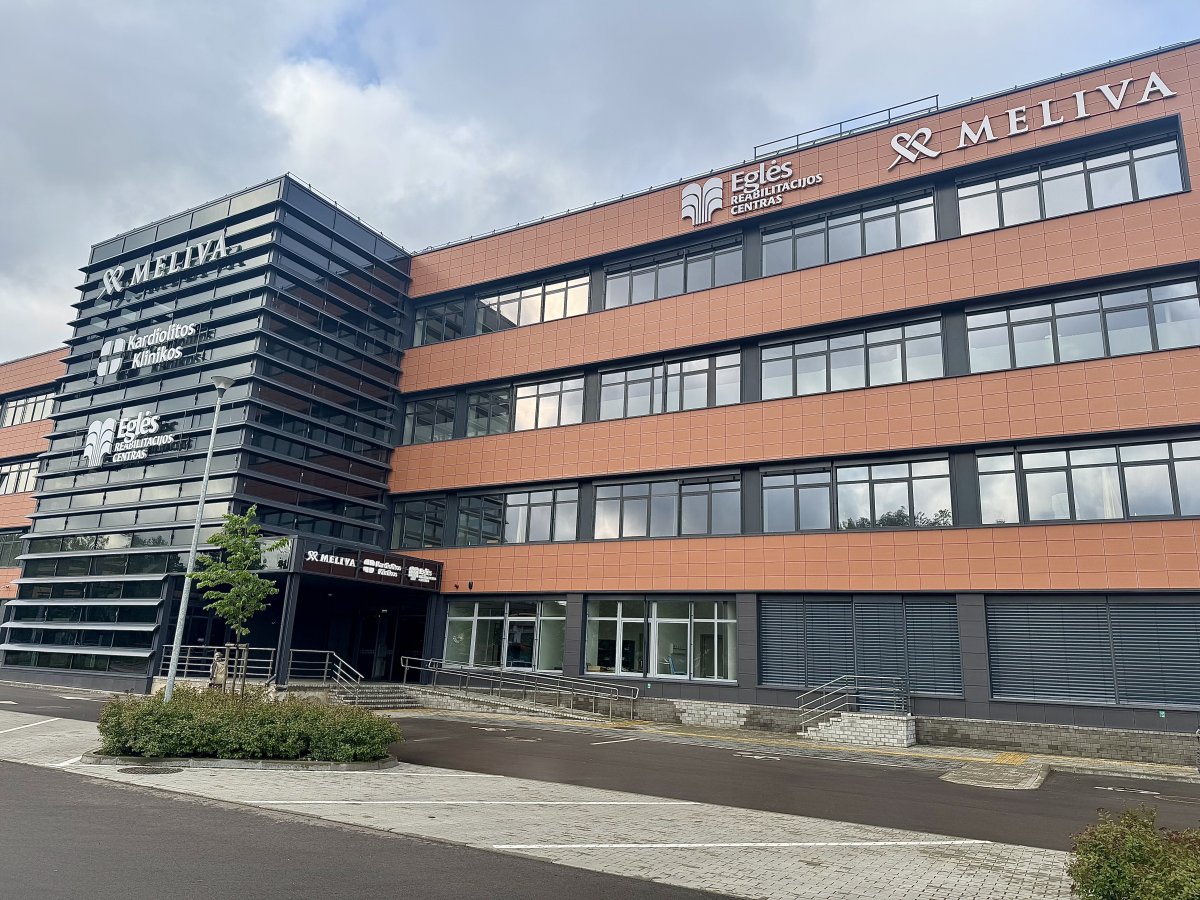
- Estado de acreditación: Instalaciones como el Hospital Meliva Kardiolita cuentan con acreditación JCI.
- Diagnóstico especializado: Centros como el MDTC se enfocan en imágenes precisas y rehabilitación.
- Experiencia del cirujano: Los médicos se someten a una formación rigurosa de seis años y residencias especializadas.
Opinión de expertos de Bookimed: La seguridad en la ortopedia lituana está impulsada por altos volúmenes de pacientes y la especialización. El Hospital Meliva Kardiolita por sí solo atiende a 298,000 pacientes al año con 510 médicos. Esta alta frecuencia en 33 departamentos garantiza que los equipos médicos sean altamente competentes en realineaciones óseas complejas. Los pacientes que buscan tratamiento para la deformidad en valgo se benefician de esta experiencia quir
¿Están bien cualificados los cirujanos ortopédicos lituanos?
Los cirujanos ortopédicos lituanos son profesionales altamente cualificados que operan bajo estrictas normas médicas de la Unión Europea. La mayoría de los especialistas completan una formación exhaustiva en instituciones de primer nivel como la Universidad de Vilna. Muchos poseen certificaciones internacionales y tienen experiencia en clínicas de gran volumen. Estos centros reportan tasas de éxito del 91% en procedimientos articulares complejos.
- Normas europeas: Los cirujanos siguen rigurosos protocolos de educación médica y licencias de la Unión Europea.
- Acreditación internacional: Instalaciones como el Hospital Meliva Kardiolita cuentan con la acreditación de la Joint Commission International (JCI).
- Experiencia clínica: Los especialistas líderes a menudo poseen más de 20 años de experiencia quirúrgica práctica.
- Diagnóstico especializado: Centros como el Medical Diagnostic and Treatment Center utilizan la evaluación de calidad certificada por Temos.
Perspectiva de expertos de Bookimed: Los indicadores de calidad en Lituania están vinculados a los volúmenes extremos de pacientes en centros centralizados. Solo el Hospital Meliva Kardiolita trata a 298.000 pacientes al año con más de 500 médicos activos. Esta concentración de casos significa que los cirujanos mantienen niveles de competencia más altos que sus pares en países con redes ho
¿Cuándo es necesaria la cirugía para una deformidad en valgo?
La cirugía para la deformidad en valgo es necesaria cuando el dolor crónico, la inestabilidad articular o las limitaciones funcionales persisten a pesar del tratamiento conservador. Los cirujanos ortopédicos recomiendan la intervención en casos de desalineación grave de la rodilla superior a 15 grados o deformidades del dedo gordo del pie que causan problemas secundarios como dedos superpuestos o bursitis crónica.
- Deterioro funcional: Dificultad para caminar, estar de pie o usar zapatos a pesar de usar plantillas ortopédicas.
- Fracaso del tratamiento: Dolor persistente que no responde a la fisioterapia o a los aparatos ortopédicos.
- Preservación articular: Progresión que causa daño articular lateral avanzado, pérdida de cartílago o artritis temprana.
- Estabilidad mecánica: Luxaciones rotulianas recurrentes o laxitud articular grave en el área de la rodilla.
Perspectiva del experto de Bookimed: Los pacientes que buscan tratamiento en Lituania a menudo se benefician de centros de alta capacidad como el Hospital Meliva Kardiolita, que trata a 298.000 pacientes al año. Si bien muchos asumen que la cirugía se basa en ángulos visuales, las clínicas acreditadas por la JCI en Vilnius priorizan la función mecánica. Los datos sugieren que aproximadamente 1 de cada 10 pacientes que viajan a estos centros lo hace específicamente para obtener una preci
¿Qué tipos de procedimientos quirúrgicos se realizan en clínicas lituanas para la deformidad en valgo?
Los centros ortopédicos lituanos realizan diversas correcciones quirúrgicas para las deformidades en valgo. Los especialistas utilizan cirugía de pie mínimamente invasiva (MIS) y osteotomías abiertas complejas como las técnicas Scarf o Chevron. Los hospitales acreditados por la Joint Commission International en Vilna ofrecen estos tratamientos. La recuperación funcional a menudo comienza con zapatos ortopédicos especializados.
- Cirugía mínimamente invasiva: Las microincisiones permiten la realineación ósea con una interrupción mínima de los tejidos blandos y una curación más rápida.
- Osteotomía Scarf y Chevron: Los cortes óseos de precisión corrigen los ángulos y la rotación de moderados a severos del hallux valgus.
- Procedimiento de Lapidus: La fusión de la articulación tarsometatarsiana aborda la causa estructural raíz de los juanetes severos o recurrentes.
- Alineación de la rodilla: La osteotomía femoral distal desplaza el eje de carga para corregir las rodillas en valgo (genu valgum).
Perspectiva del experto de Bookimed: Los datos sugieren que Lituania es una opción principal para los pacientes que buscan un enfoque ortopédico específico. El Hospital Meliva Kardiolita por sí solo emplea a 510 médicos en 33 departamentos. Esta alta proporción de personal por paciente garantiza que los cirujanos especializados en pie y tobillo permanezcan
¿Cuál es el cronograma típico de recuperación después de una cirugía de corrección de valgo?
La recuperación de una cirugía de corrección de valgo requiere 6 semanas para la curación ósea inicial. Los pacientes logran una recuperación funcional completa en un plazo de 6 a 12 meses. La mayoría de las personas vuelven a caminar suavemente con calzado especializado para la segunda semana. Los resultados clínicos dependen del uso de técnicas mínimamente invasivas o abiertas.
- Movilidad inicial: Los pacientes utilizan calzado postoperatorio especializado durante 2 a 6 semanas.
- Retirada de suturas: Los cirujanos suelen retirar los puntos entre 10 y 14 días después de la cirugía.
- Consolidación ósea: Las radiografías confirman una fusión ósea estable a las 6 semanas.
- Fisioterapia: La rehabilitación comienza alrededor de la sexta semana para restaurar el rango de movimiento de la articulación.
Perspectiva del experto de Bookimed: Los principales hospitales de Lituania, como el Meliva Kardiolita Hospital y el Medical Diagnostic and Treatment Center, atienden a más de 350,000 pacientes en conjunto cada año. Estos centros acreditados por la JCI mantienen altos volúmenes quirúrgicos, lo que generalmente se correlaciona con protocolos de recuperación estandarizados y eficientes. Los pacientes que provienen de estos centros de alto volumen a menudo se benefician de departamentos de rehabilitación establecidos e integrados directamente en las i
¿Cuánto tiempo deben permanecer los pacientes internacionales en Lituania?
Los pacientes internacionales suelen permanecer en Lituania entre 7 y 10 días para el tratamiento de la deformidad en valgo. Este plazo cubre el procedimiento quirúrgico y la vigilancia postoperatoria esencial. La mayoría de los especialistas en ortopedia requieren al menos 5 días de observación local. Esto garantiza que las incisiones cicatricen correctamente y que la movilidad sea segura para viajar.
- Periodo de hospitalización: La mayoría de los pacientes de ortopedia pasan de 1 a 2 días ingresados.
- Vigilancia postoperatoria: Los cirujanos sugieren permanecer cerca durante 5 días para controlar la hinchazón inicial.
- Retirada de puntos: Los equipos médicos revisan las heridas o retiran los puntos en un plazo de 7 a 10 días.
- Autorización para viajar: Los pacientes suelen recibir la autorización para volar una vez que el dolor está bien controlado.
Perspectiva de expertos de Bookimed: Los datos de clínicas de Vilna como el Hospital Meliva Kardiolita y el Centro de Diagnóstico y Tratamiento Médico muestran que la duración de la estancia a menudo depende de la técnica quirúrgica. Aunque estos centros atienden a más de 340.000 pacientes al año en conjunto, las correcciones óseas complejas que requieren hardware extenso pueden prolongar las estancias hasta 14 días. Si su procedimiento es mínimamente invasivo, podría pasar del hospital a un h