Lifting de espalda en Corea del Sur — obtén 3 clínicas con costos


Revisado médicamente por
Fahad Mawlood
¿Cuál es el precio de Lifting de espalda en Corea del Sur? Descubra ahora
De $4,000. El precio final depende de la técnica quirúrgica, como la escisión de piel o la liposucción. Los pacientes ahorran alrededor de un 33% en comparación con los EE. UU., donde los costos promedian $6,000. Los precios locales a menudo incluyen anestesia, pruebas preoperatorias y los medicamentos postoperatorios iniciales. Los principales centros médicos incluyen Seúl, Busan y Daegu.
- Eliminación quirúrgica de piel: Esta técnica aborda el exceso de tejido después de la pérdida de peso y es más compleja.
- Liposucción de espalda: Se centra en la reducción de grasa en lugar del estiramiento de la piel y, por lo general, es menos costosa.
- Ubicación geográfica: Las clínicas en el distrito de Gangnam en Seúl pueden costar un 20% más que en otros centros regionales.
- Experiencia del cirujano: Las tarifas a menudo aumentan para especialistas certificados con formación internacional y amplia experiencia.
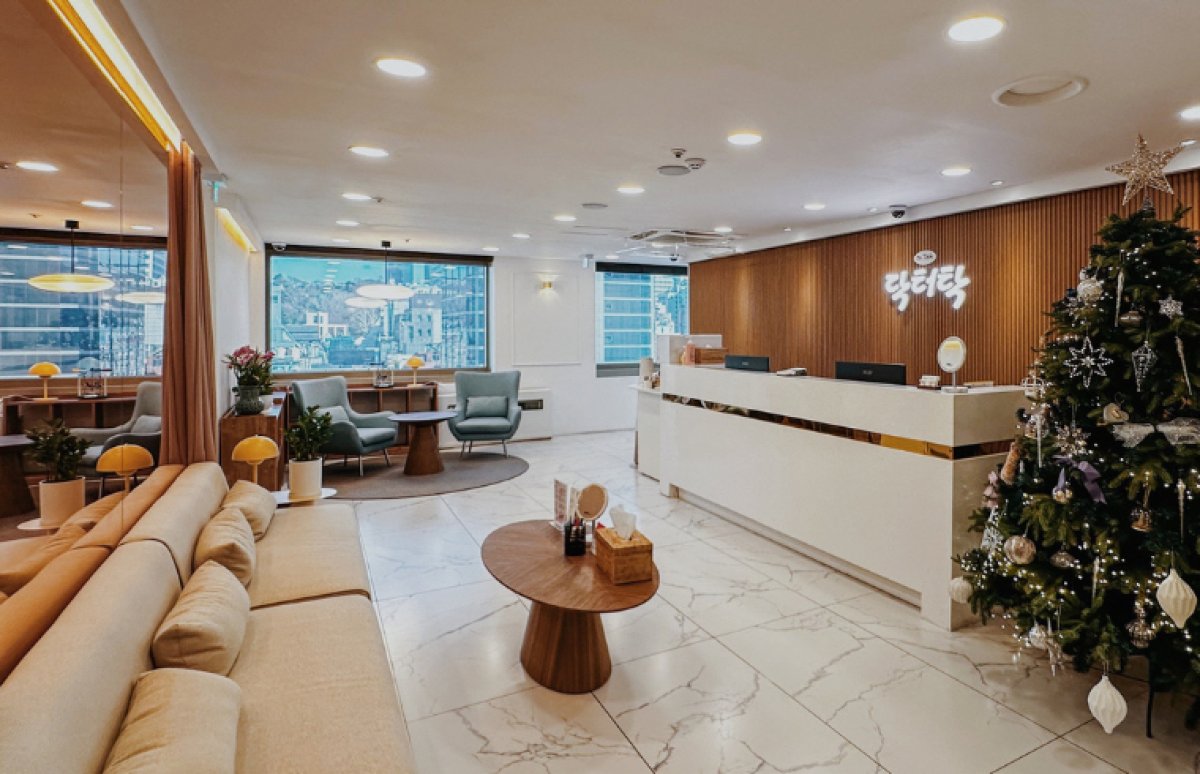
Perspectiva del experto de Bookimed: Elegir un centro como Dr. Tak Plastic Surgery en Seúl garantiza altos estándares. Cuentan con la acreditación KOIHA, que confirma que cumplen con rigurosos protocolos de seguridad internacionales. Muchos cirujanos coreanos, incluidos los del Seoul Miz Hospital, se han formado en instituciones de EE. UU. Esta formación de élite proporciona una calidad de nivel estadounidense a precios significativamente más bajos. Los pacientes deben priorizar las clínicas que se centran en minimizar la intervención quirúrgica para garantizar una recuperación más sencilla.
| Corea del Sur | España | Estados Unidos | |
|---|---|---|---|
| Lifting de espalda | de $4,000 | de $13,400 | de $6,000 |
Sus beneficios y garantías con Bookimed
Precios directos
Bookimed no añade cargos adicionales a los precios de Lifting de espalda. Las tarifas proceden de las listas de precios oficiales de las clínicas. Pagará directamente en la clínica por su Lifting de espalda a su llegada al país.
Sólo clínicas y médicos verificados
Bookimed está comprometido con su seguridad. Solo trabajamos con las clínicas que mantienen altos estándares internacionales en Lifting de espalda y tienen las licencias necesarias para atender a pacientes internacionales en todo el mundo.
Asistencia 24/7 gratuita
Bookimed ofrece asistencia experta gratuita. Un coordinador médico personal le apoya antes, durante y después del tratamiento, resolviendo cualquier problema. Nunca estará solo en su viaje médico de Lifting de espalda.

Su coordinador médico personal de Bookimed
- Le apoya en cada etapa
- Ayuda a elegir la clínica y el médico adecuados
- Asegura un acceso rápido y conveniente a la información
Descubra las mejores clínicas de Lifting de espalda en Corea del Sur: 1 opciones verificadas y Precios
Descripción general de Lifting de espalda en Corea del Sur
- Lifting de espalda - de $4,000Esta terapia remodela la zona de la espalda, reduciendo el exceso de piel y grasa para mejorar el contorno y la apariencia.
Día 1 - Llegada
- Traslado del aeropuerto al hotel.
- Reunión con el asistente médico para asistencia en el idioma.
Día 2 - Preoperatorio
- Consulta con el cirujano plástico.
- Realización de las pruebas médicas necesarias.
- Discusión sobre las opciones de anestesia.
Día 3 - Cirugía de Estiramiento de Espalda
- Ingreso a la clínica.
- Preparación para la cirugía bajo anestesia general.
- Cirugía de estiramiento de espalda, que suele durar de 2 a 5 horas.
- Observación postoperatoria en la clínica.
Día 4 - Postoperatorio
- Alta de la clínica.
- Traslado al hotel para recuperación.
- Prescripción de medicamentos postoperatorios.
Semana 1 - Recuperación
- Descanso y actividad física limitada.
- Ingesta regular de medicamentos postoperatorios.
Semana 2-4 - Rehabilitación
- Aumento gradual de la actividad física.
- Consultas de seguimiento con el cirujano.
Semana 5 en adelante
- Regreso al trabajo y actividades normales.
- Mejora visible en la forma y apariencia de la espalda.
Tenga en cuenta que el cronograma y el plan de tratamiento pueden variar según el estado de salud de la persona y las recomendaciones del cirujano.
- Depósito de Bookimed: 200 $ o 200 €.
- Depósito de la clínica: Pague un porcentaje fijo por adelantado.
Historias en video de pacientes de Bookimed
Reseñas
Todas las reseñas




Compartir contenido
 Olena Sikoza
Preguntas frecuentes sobre Lifting de espalda en Corea del Sur
¿Qué es exactamente un lifting de espalda y para quién está destinado?
Un lifting de espalda, o torsoplastia, es un procedimiento quirúrgico que elimina el exceso de piel y los depósitos de grasa persistentes de la parte superior o media de la espalda. Crea una silueta más tersa y tonificada para pacientes con flacidez muscular causada por una pérdida de peso significativa, el envejecimiento natural o laxitud genética.
- Grupo objetivo de candidatos: personas con peso estable y pliegues cutáneos persistentes de más de 2,5 cm de grosor.
- Post-pérdida de peso: ideal para pacientes post-cirugía bariátrica con piel flácida y no restaurable.
- Técnica quirúrgica: Los cirujanos utilizan incisiones ocultas a lo largo de la línea del sostén para minimizar las cicatrices visibles.
- Período de recuperación: La mayoría de los pacientes vuelven a sus actividades normales dentro de las 2 semanas posteriores al procedimiento.
Opinión experta de Bookimed: Las clínicas en la República de Corea suelen especializarse en un enfoque avanzado que combina la escisión quirúrgica con la liposucción para lograr un contorno en V más definido. Si bien el precio promedio de estos procedimientos es comparable al de Estados Unidos, especialistas coreanos como el Dr. Seung-hyun Noh del Hospital Miz de Seúl se esfuerzan por evitar el sobretratamiento. Esta filosofía de precisión suele resultar en incisiones más pequeñas y discretas, más fáciles
¿Se puede combinar un lifting de espalda con otros procedimientos?
En Corea del Sur, los liftings de espalda suelen combinarse con otros procedimientos de contorno corporal para lograr resultados integrales. Los cirujanos suelen combinarlos con liposucción, abdominoplastia o cirugía de mama. Este enfoque ayuda a crear una silueta armoniosa, a la vez que reduce el número total de sesiones de anestesia y el tiempo de recuperación.
- Contorno corporal: combinado con liposucción de 360° para crear una figura de reloj de arena y una piel suave.
- Contorno corporal posparto: combinar con un levantamiento de senos o una abdominoplastia para corregir el tejido flácido después del embarazo.
- Lifting de la parte inferior del cuerpo: combínelo con un lifting de muslos para un rejuvenecimiento simultáneo de toda la parte inferior del cuerpo.
- Mejora de la eficiencia quirúrgica: la agrupación de procedimientos generalmente reduce significativamente los costos de anestesia y hospitalización.
Opinión experta de Bookimed: Si bien muchos buscan múltiples procedimientos, los cirujanos coreanos, como los del Hospital Miz de Seúl, priorizan el equilibrio natural. A menudo recomiendan combinar el lifting de espalda con la cirugía de mama precisamente porque las incisiones compartidas minimizan las cicatrices visibles. Los datos muestran que en Seúl, el seguimiento postoperatorio estable en estos casos suele requerir de 10 a 14 día
¿Cuál es el tiempo de recuperación para los pacientes internacionales?
Los pacientes internacionales que se sometan a una cirugía de lifting de espalda en la República de Corea deben planificar una hospitalización de 10 a 14 días antes de regresar a casa. El período de recuperación inicial requiere de 7 a 10 días de observación local para controlar la inflamación y asegurar la estabilidad de la herida antes del vuelo. La cicatrización completa suele tardar entre 4 y 6 semanas.
- Seguridad en viajes: Los cirujanos recomiendan esperar al menos 10 días para evitar riesgos como la trombosis venosa profunda.
- Examen inicial: Los pacientes suelen permanecer en Seúl durante 7 a 10 días para visitas de seguimiento.
- Transición a un nuevo trabajo: la mayoría de las personas regresan a un trabajo de oficina sedentario dentro de 2 a 4 semanas.
- Actividad física: inicialmente se recomienda caminar suavemente, pero se debe evitar levantar objetos pesados durante 8 semanas.
Opinión experta de Bookimed: La infraestructura de Corea ofrece hoteles especializados en recuperación con atención de enfermería las 24 horas, diseñados específicamente para turistas médicos. Los datos muestran que clínicas como Dr. Tak Plastic Surgery cuentan con la acreditación de KOIHA, lo que garantiza el cumplimiento de las normas internacionales de seguridad. Reservar estas habitaciones especializadas suele acelerar la recuperación temprana en compar