Bótox para la frente en Corea del Sur — encuentre las 3 mejores clínicas con costos

Revisado médicamente por
Fahad Mawlood
Cómo funciona
¿Cuál es el precio de Bótox para la frente en Corea del Sur? Descubra ahora
De $40. El precio total depende de la marca elegida, la técnica de inyección y la ubicación de la clínica en centros médicos como Seúl. Los pacientes ahorran aproximadamente un 91% en comparación con los EE. UU., donde el costo promedio es de $430. Los precios locales a menudo cubren la consulta y el procedimiento en sí.
- Marcas nacionales: Estos productos locales como Nabota o Botulax representan el punto de entrada más asequible.
- Marcas importadas: Las opciones premium como Allergan o Xeomin suelen costar de 2 a 3 veces más.
- Categoría de la clínica: Los grandes centros de alto volumen en Gangnam ofrecen tarifas más bajas que las clínicas boutique privadas.
- Variaciones de técnica: Los métodos especializados de Botox para la piel (Skin Botox) para un efecto de piel de cristal suelen aumentar el precio base.
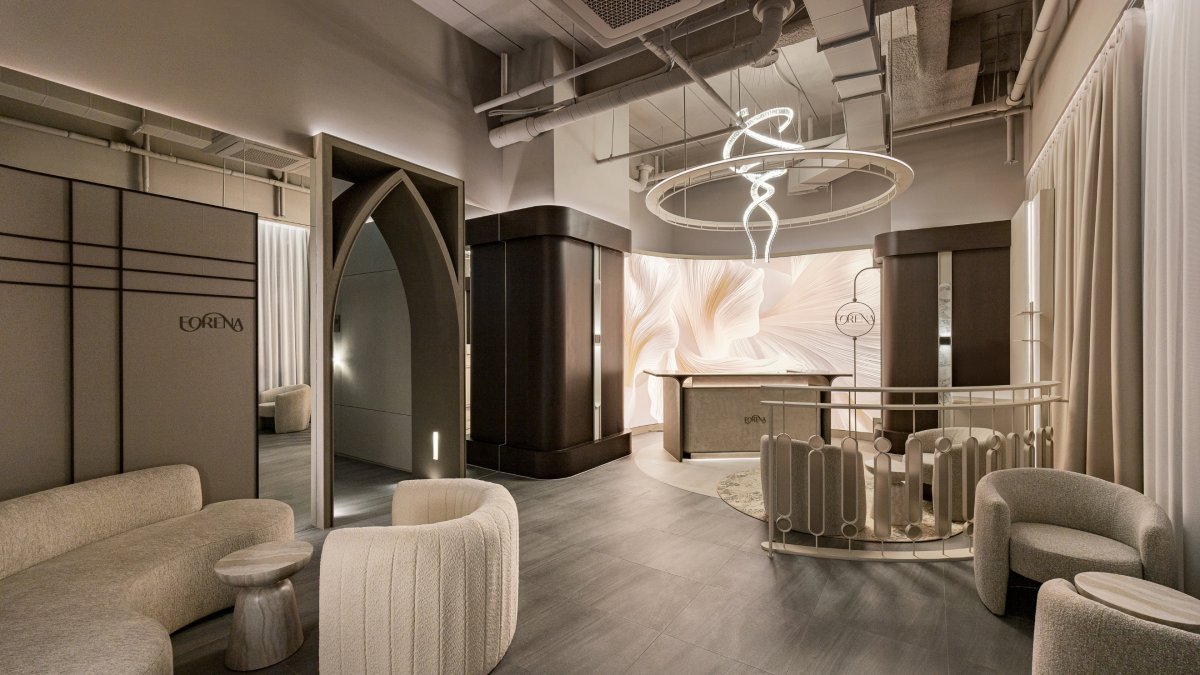
Perspectiva del experto de Bookimed: Elegir una clínica con acreditación KOIHA, como Onlif Plastic Surgery, garantiza estándares internacionales de seguridad. Los viajeros inteligentes a menudo combinan tratamientos para maximizar el valor. Por ejemplo, los profesionales de Forena Clinic han realizado más de 14,000 procedimientos, ofreciendo una gran experiencia a precios de rango medio. Muchos centros de Seúl ofrecen un reembolso del IVA del 10% para los turistas, lo que reduce aún más el costo final al momento de la salida.
| Corea del Sur | España | Estados Unidos | |
|---|---|---|---|
| Bótox para la frente | de $40 | de $220 | ≈ $300 |
Descubra las mejores clínicas de Bótox para la frente en Corea del Sur: 15 opciones verificadas y Precios

Clínica Forena
Yeom Jihye

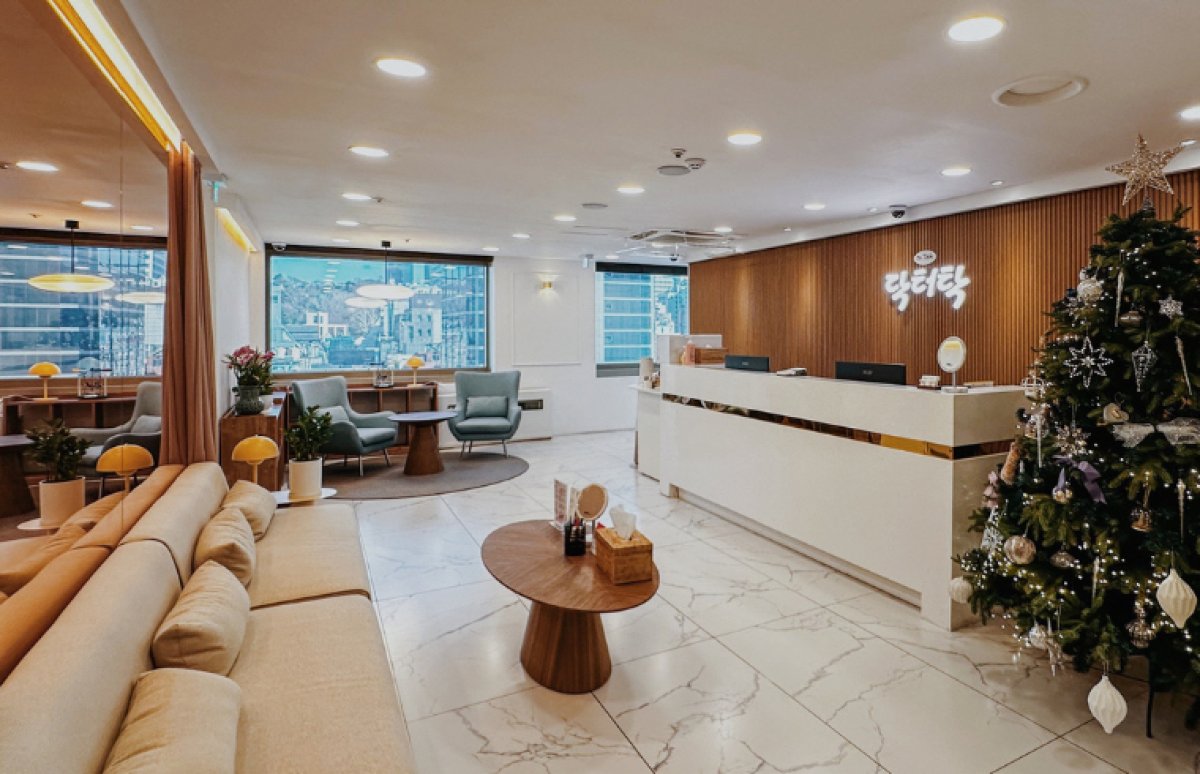

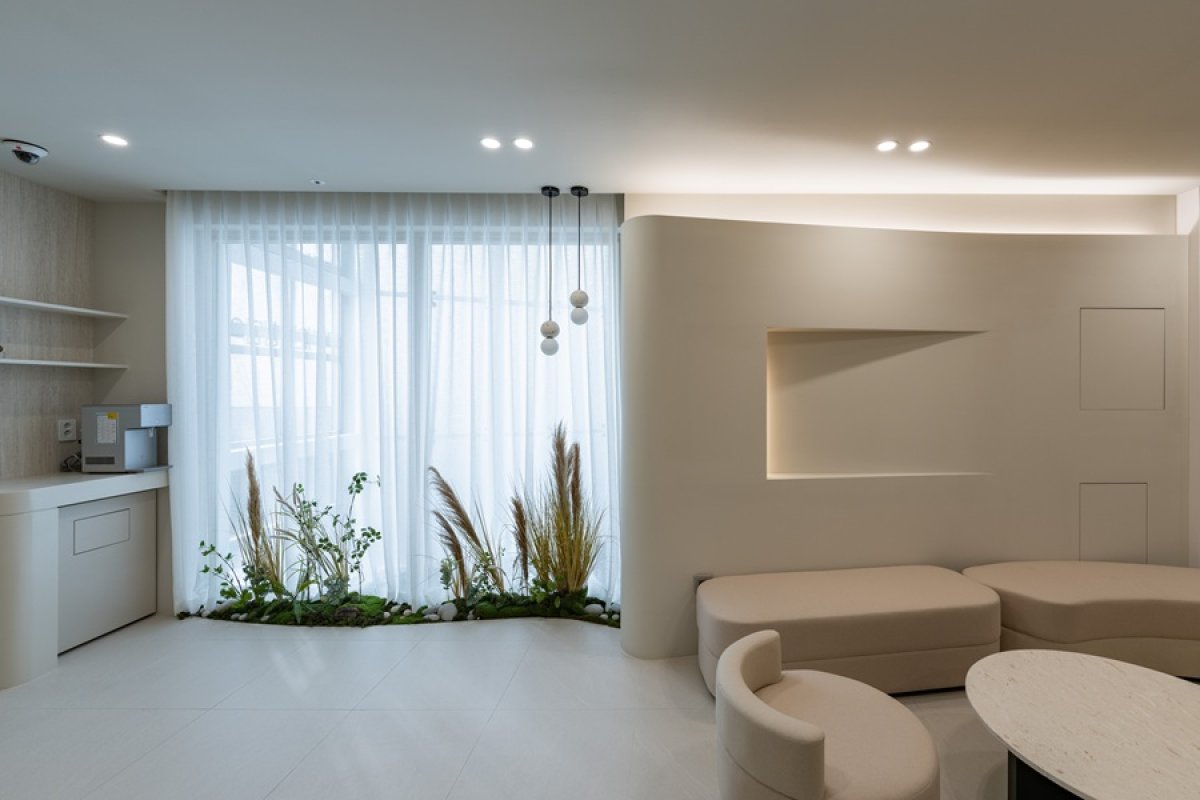
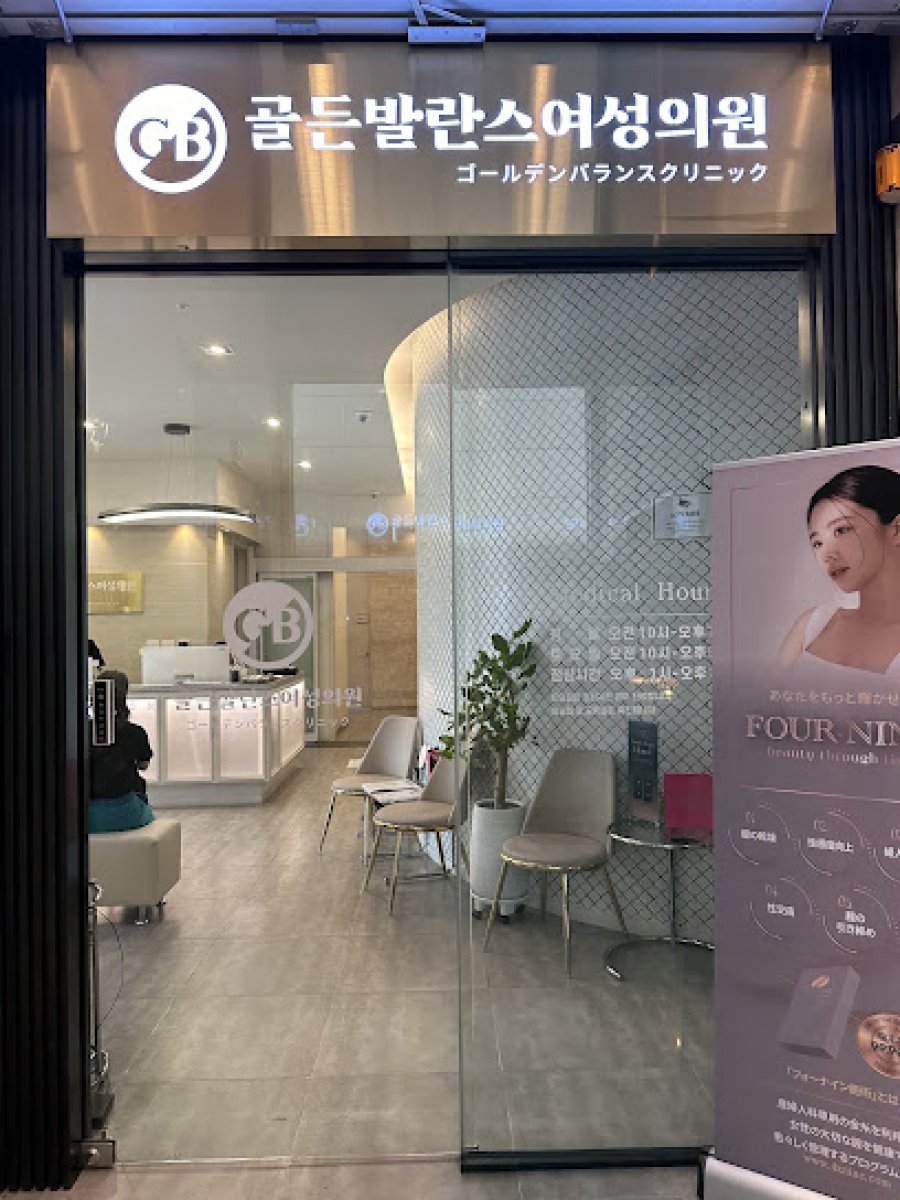
Clínica de medicina estética Lalian Cheongdam
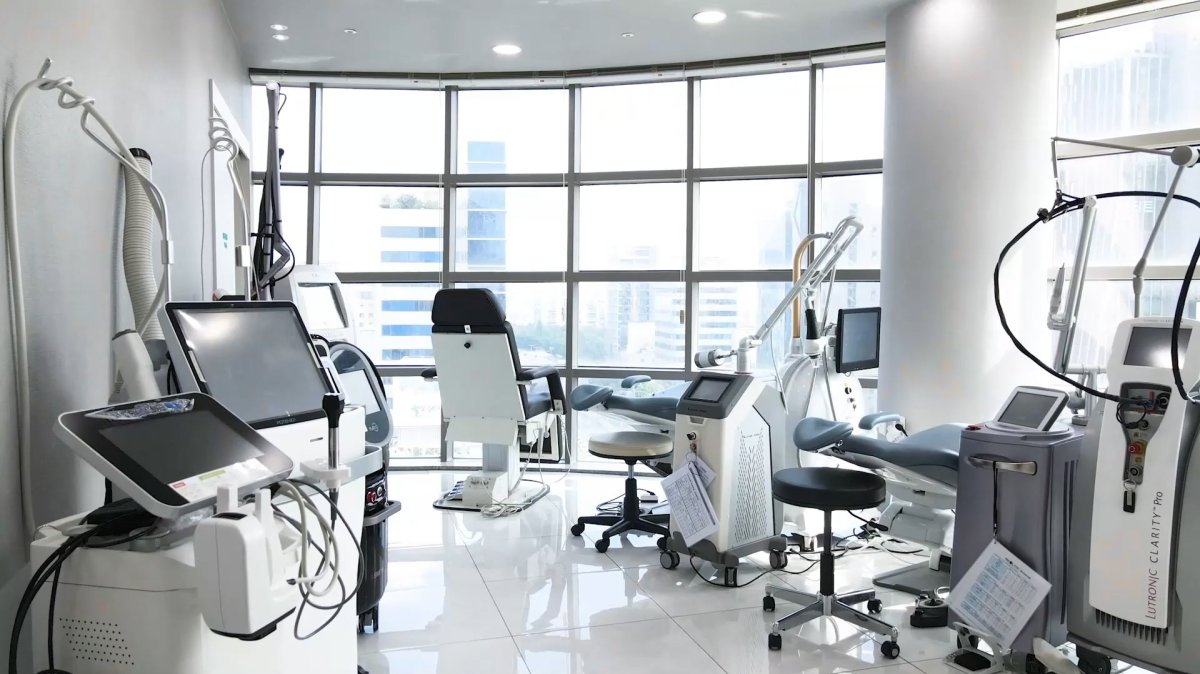
Descripción general de Bótox para la frente en Corea del Sur
- Inyecciones de bótox - de $30Esta terapia, a base de toxina botulínica, alisa las arrugas relajando los músculos faciales, ofreciendo un aspecto juvenil.
- Bótox para hombres - de $37Esta terapia ofrece a los hombres un aspecto más joven al reducir las arrugas, mediante inyecciones con un tiempo de recuperación mínimo.
- Bótox para la frente - de $40Esta terapia reduce las arrugas de la frente a través de inyecciones relajantes musculares, brindando una apariencia juvenil y suave.
- Bótox debajo de los ojos - de $15El procedimiento suaviza las arrugas debajo de los ojos a través de pequeñas inyecciones específicas, brindando una apariencia juvenil y fresca.
- Bótox para las arrugas - de $29Esta terapia tiene como objetivo suavizar las líneas faciales mediante inyecciones, proporcionando una apariencia más joven y fresca de forma rápida y segura.
- Bótox preventivo - de $15Esta terapia consiste en el uso temprano de pequeñas inyecciones de botox para prevenir futuras arrugas, preservando la piel joven con mínimas molestias.
- Botox Lip-Flip - de $350Procedimiento cosmético no quirúrgico que utiliza inyecciones de Botox para relajar los músculos del labio superior, creando un aspecto más voluminoso al voltear sutilmente el labio hacia fuera.
Día 1 - Llegada
- Llegada al país.
- Organiza tu propio alojamiento y traslado.
Día 2 - Preoperatorio
- Consulta con un especialista.
- Realice las pruebas médicas necesarias, si es necesario.
Día 3 - Procedimiento de Botox
- El procedimiento se lleva a cabo en la clínica.
- Botox se inyecta en los músculos de la frente.
- El proceso dura aproximadamente 15-30 minutos.
- No se requiere anestesia.
- Puede abandonar la clínica inmediatamente después.
Día 4 y Semana 1 - Post-Operación
- Se puede producir una hinchazón o moretones menores.
- Evite las actividades físicas extenuantes durante 24 horas.
Semana 2 - Rehabilitación
- Regreso al trabajo y actividades normales.
- Resultados óptimos visibles en 14 días.
Tenga en cuenta que la experiencia de cada paciente puede variar según factores individuales.
- Depósito de Bookimed: 200 $ o 200 €.
- Depósito de la clínica: Pague un porcentaje fijo por adelantado.
Obtenga una evaluación médica de Bótox para la frente en Corea del Sur: haga una consulta con 21 médicos experimentados ahora
Ver todos los médicosYeom Jihye
La Dra. Yeom Jihye es una experta altamente cualificada en procedimientos estéticos, con amplias membresías profesionales en sociedades dermatológicas coreanas e internacionales.
- Completó el Programa de Observación Clínica de UCLA para formación avanzada
- Miembro de pleno derecho de varias sociedades coreanas de medicina estética y láser
- Miembro vitalicio de la Sociedad Coreana de Dermatología Láser
- Exdirectora de varias clínicas estéticas líderes en Corea
Cho Sung Hee
La Dra. Cho Sung Hee es médica del Centro de Cirugía Plástica y Dermatología Lienjang, en Seúl. Obtuvo el título de médica en la Facultad de Medicina de la Universidad Nacional de Seúl y completó la especialidad en medicina familiar en el Hospital de la Universidad Nacional de Seúl, un centro académico líder en Corea.
Es miembro de la Academia Coreana de Medicina Familiar, la Academia Coreana de Obesidad y Tratamientos Estéticos, la Sociedad Coreana para el Estudio de la Obesidad y la
Yeo In Gwon
El Dr. Yeo In Gwon es dermatólogo certificado en Lienjang Plastic Surgery & Dermatology Center, en Seúl. Se graduó en la Facultad de Medicina de la Universidad Chung-Ang. Completó la residencia en dermatología en el Hospital Universitario Chung-Ang y obtuvo un doctorado en dermatología en la misma facultad.
Es miembro de la Korean Dermatological Association, la Korean Acne & Rosacea Society, la Korean Society of Dermatologic Laser Surgery, la Korean Society for Dermatologic Sur
Historias en video de pacientes de Bookimed
Reseñas
Todas las reseñasBótox para la frente: Fotos de antes y después
Ver todos los Antes y Después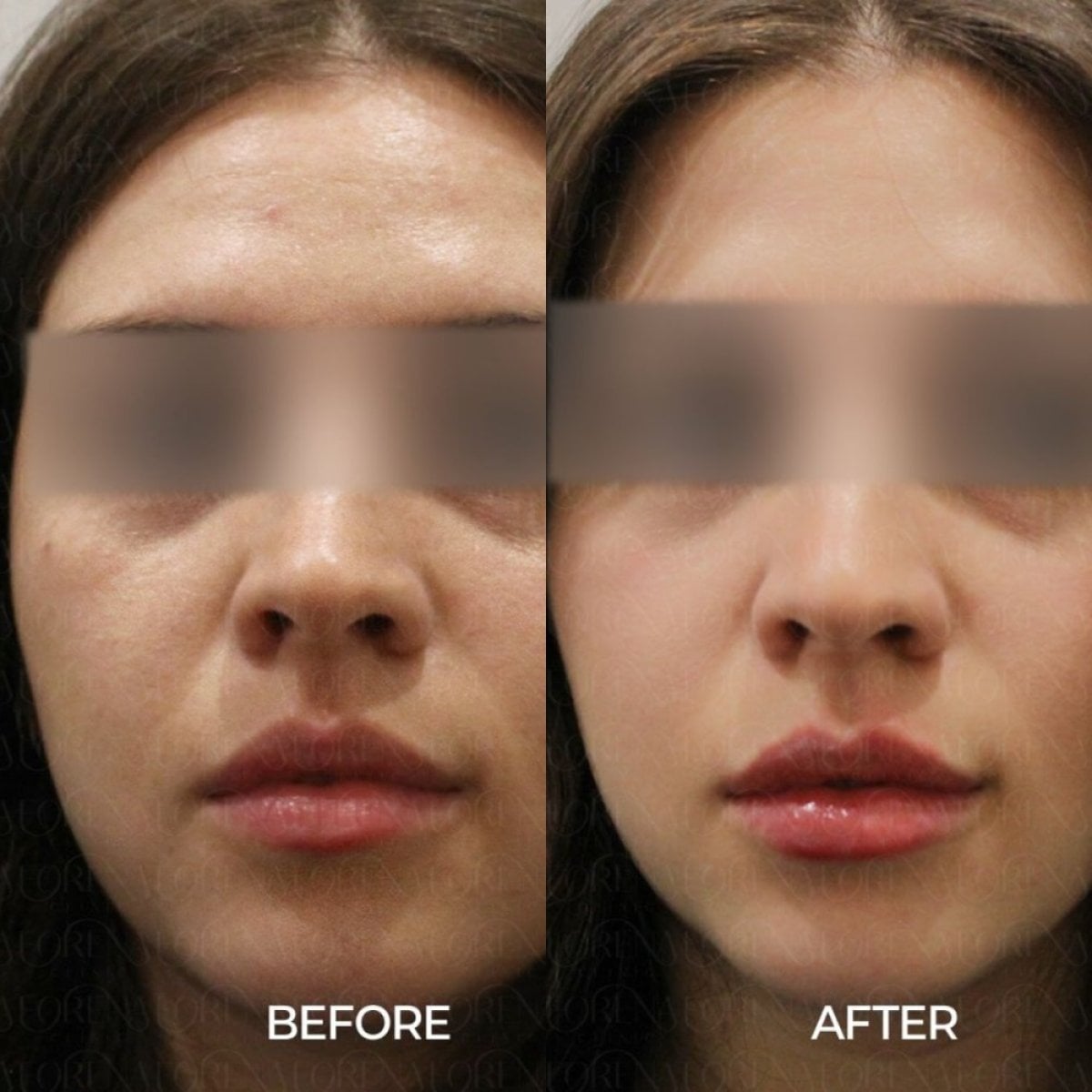
Compartir contenido
 Olena Sikoza
Datos сlave sobre Bótox para la frente
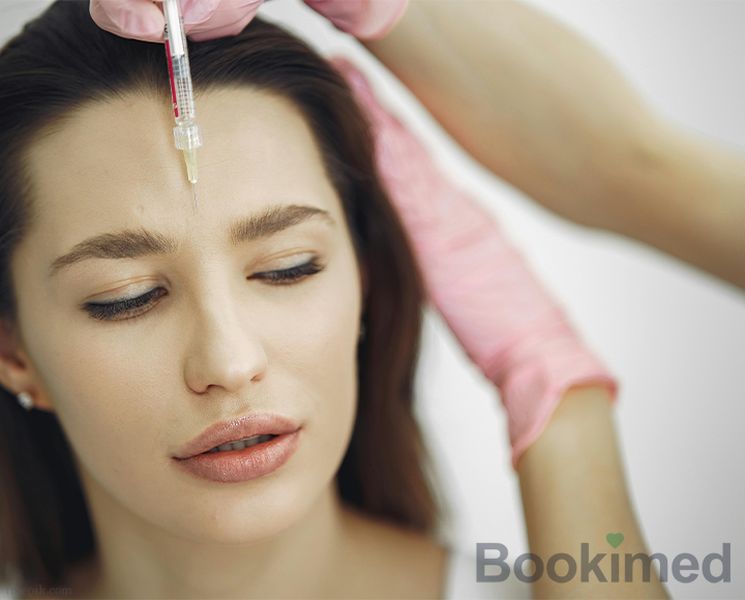
Botox para la Frente
El Botox para la frente implica inyectar una neurotoxina para relajar los músculos y reducir las arrugas.
Preguntas frecuentes sobre Bótox para la frente en Corea del Sur
¿Necesito una visa para Corea del Sur?
Hasta la fecha, Corea del Sur tiene acuerdos sin visado con 112 estados . No se requiere visa para estadías de menos de 90 días. Para permanecer más tiempo en este país, necesita una visa. Qué estados necesitan una visa para el tratamiento en Corea del Sur y qué países pueden cruzar las fronteras de forma gratuita y fácil de leer aquí .
¿Cuál es el nivel de la medicina en Corea del Sur?
El cuidado de la salud es un sector de desarrollo clave del gobierno coreano. Las autoridades coreanas están convencidas de que el cuidado de la salud de los ciudadanos debe ser una prioridad incondicional de la política estatal, y anualmente gastan alrededor de mil millones de dólares para atraer turistas médicos.
Según Mark Britnell , los hospitales dominan el sistema de salud. El 94% de los hospitales son de propiedad privada.
¿Cuáles son las cirugías plásticas más populares?
Según las estadísticas de la ASPS , en 2018 se realizaron 17,7 millones de cirugías estéticas y 5,8 millones de procedimientos reconstructivos. Los procedimientos cosméticos más populares incluyen:
- aumento de senos
- liposucción
- rinoplastia (cirugía de nariz)
- cirugía de párpado
- Abdominoplastia.
La extirpación de tumores, la cicatrización de desgarros, la cirugía maxilofacial, la revisión de cicatrices, la cirugía de la mano son las operaciones más comunes en el contexto de la cirugía reconstructiva.
¿Qué documentos se requieren para solicitar una visa a Corea del Sur para recibir tratamiento?
Las visas para viajar a Corea del Sur requieren una serie de documentos . La documentación necesaria se puede presentar 90 días antes de la salida prevista. La lista de documentos incluye:
- tarjeta de identificación
- confirmación del registro en línea y llenado del cuestionario
- certificado de ingresos y disponibilidad de fondos
- póliza de seguro de estancia en Corea del Sur (original y copia)
- 2 fotos (5x6)
- obtener una visa
- reserva de vuelos y hoteles
- opinión del médico sobre la necesidad de tratamiento.
¿Qué necesitas saber sobre Corea del Sur antes de viajar?
Moneda | Won surcoreano (el pago de los servicios también es posible en dólares) |
Mejor época para viajar | Abril, mayo y junio o septiembre, octubre y noviembre. |
Idioma | Coreano (la mayoría del personal médico habla inglés con fluidez) |
Visa | no requerido para estadías de hasta 90 días o menos |
Diferencia horaria con Europa | 9:00 |
Diferencia horaria de Estados Unidos | 9:00 |
Capital | Seúl |
Centro de Turismo Médico | seúl |
Estaciones populares | Gangwon-do, Gyeongju, Boseong, Jeju |
¿Qué servicios hoteleros se brindan aquí?
En Corea del Sur , hay hoteles de diferentes rangos de precios y niveles de servicio. La mayoría de los turistas eligen hoteles de 4 y 5 estrellas con régimen de todo incluido. Dichos hoteles tienen todo para una estancia confortable: comida variada, amplio territorio bien cuidado, animación para niños y adultos. Algunos hoteles tienen su propio parque acuático, que los huéspedes pueden utilizar de forma gratuita. Los viajeros con poco presupuesto pueden permitirse reservar un hotel económico de 3 estrellas con media pensión o sin comidas.