Bótox debajo de los ojos en Corea del Sur: las 9 mejores clínicas y sus precios


Revisado médicamente por
Fahad Mawlood
Cómo funciona
¿Cuál es el precio de Bótox debajo de los ojos en Corea del Sur? Descubra ahora
De $150. El precio varía según la clínica, la experiencia del profesional que realiza la aplicación (generalmente un dermatólogo o cirujano plástico certificado), la cantidad de unidades necesarias y si se tratan áreas adicionales. En Estados Unidos, el costo promedio es de $500 (según ASPS). Esto significa que el Botox debajo de los ojos en Corea del Sur es aproximadamente un 70% menos costoso que en EE. UU.
Los precios en Corea del Sur suelen incluir la consulta inicial, el producto de Botox (comúnmente Allergan, Dysport, Nabota), el procedimiento de inyección y una visita de seguimiento. En EE. UU., el precio a menudo solo cubre el producto y la inyección, mientras que las consultas y los retoques se cobran por separado. Siempre confirmar qué está incluido en cada clínica antes de reservar.
| Corea del Sur | España | Estados Unidos | |
|---|---|---|---|
| Bótox debajo de los ojos | de $150 | ≈ $280 | ≈ $350 |
Descubra las mejores clínicas de Bótox debajo de los ojos en Corea del Sur: 9 opciones verificadas y Precios
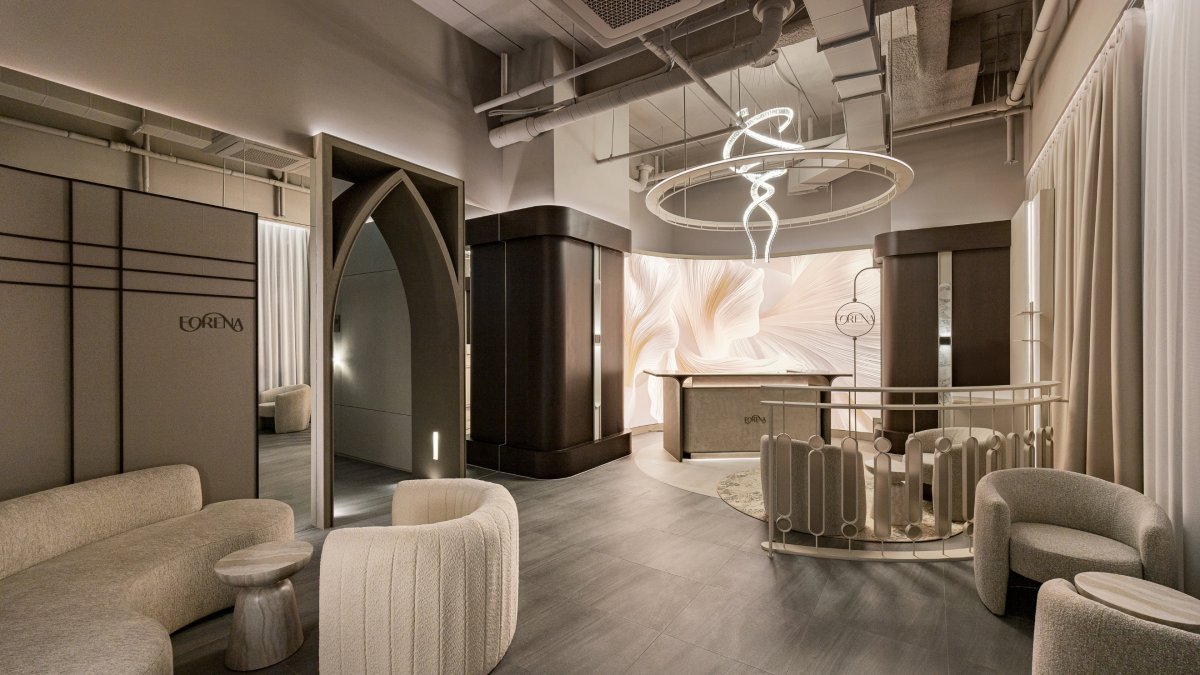
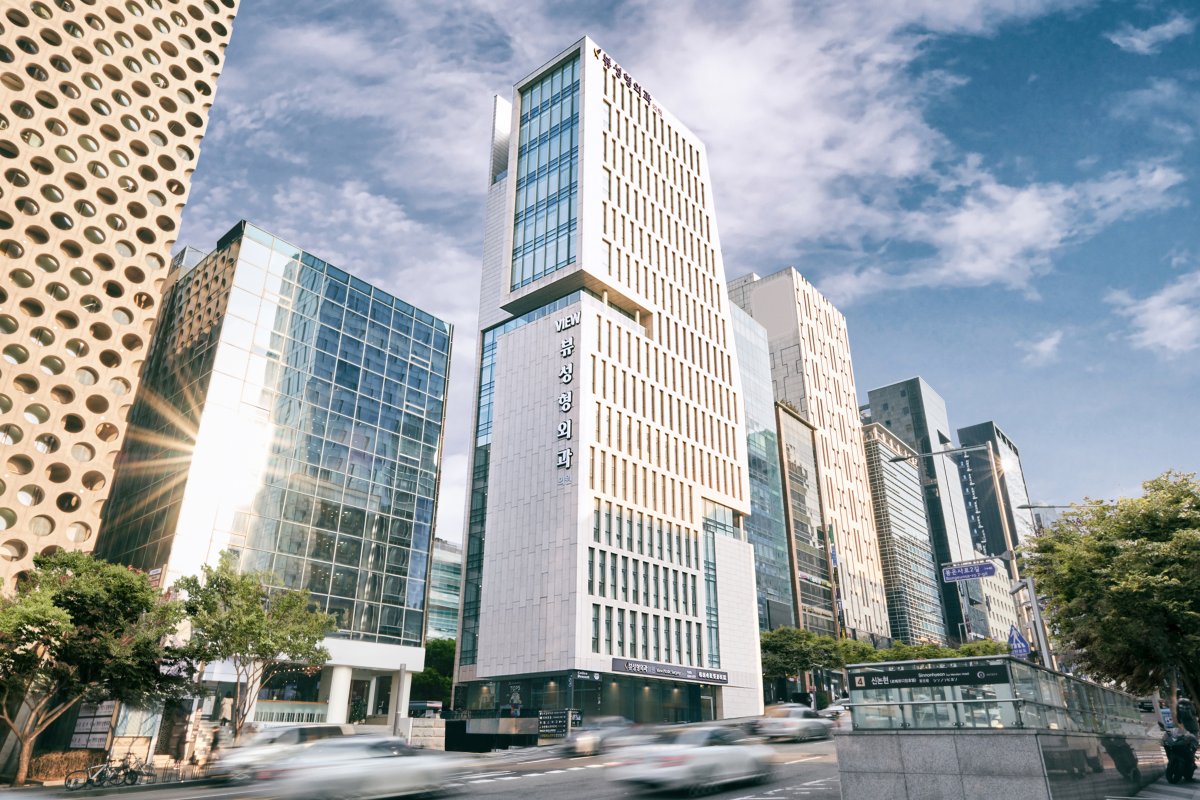
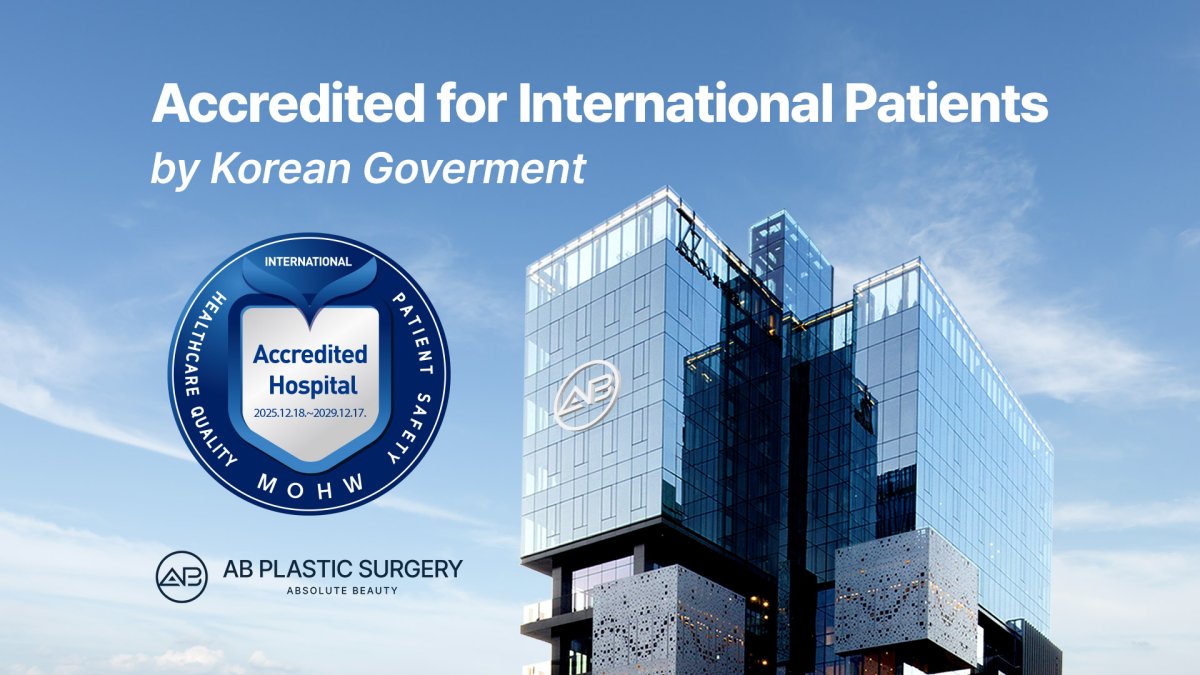

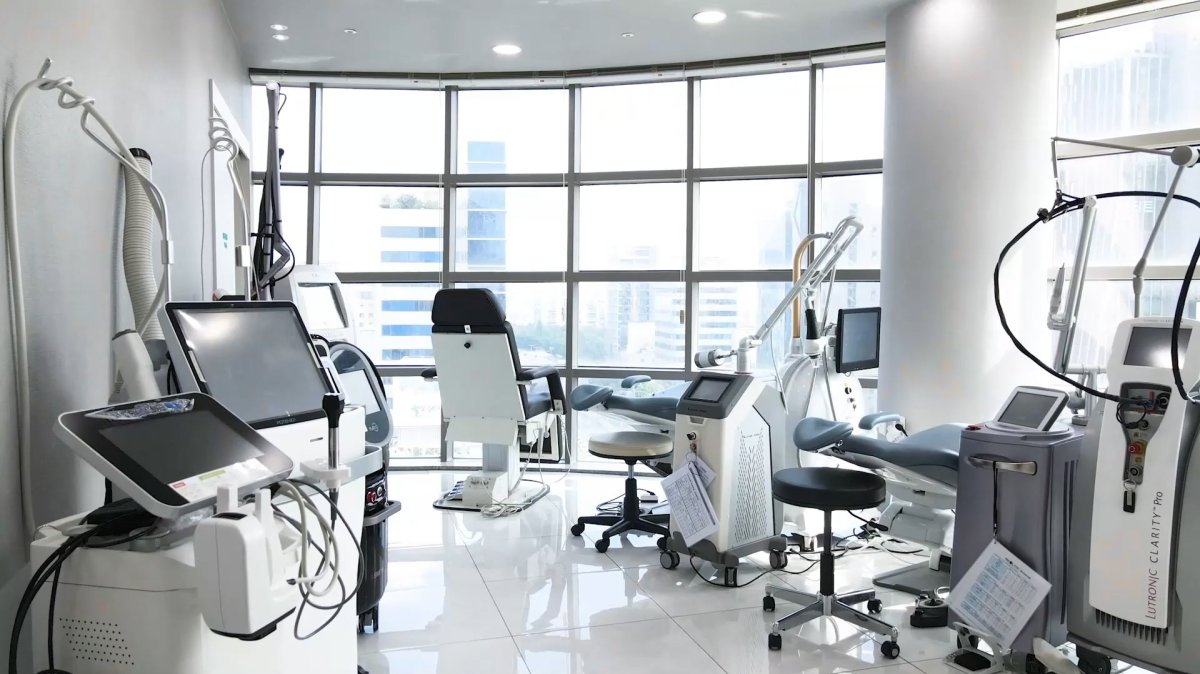
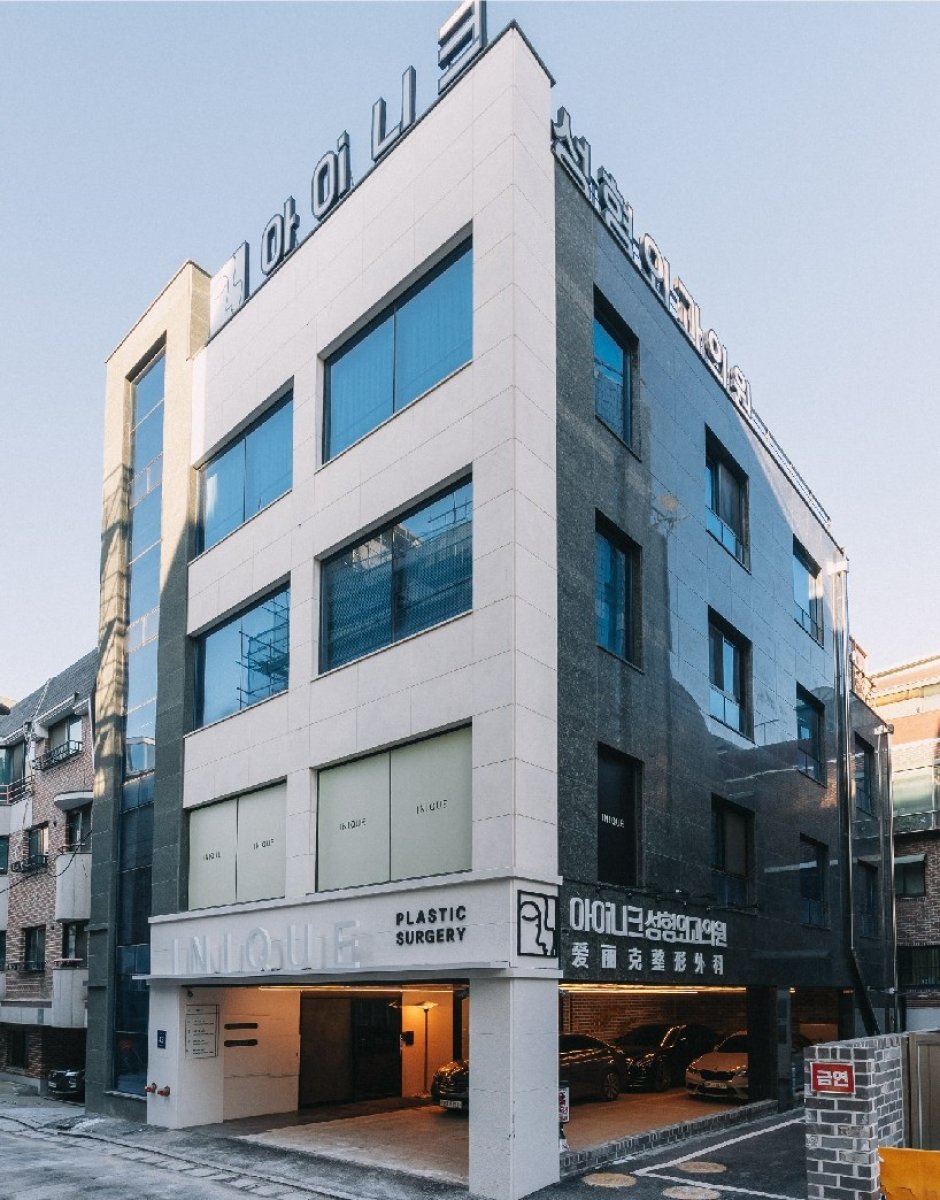
Clínica de cirugía plástica INIQUÉ
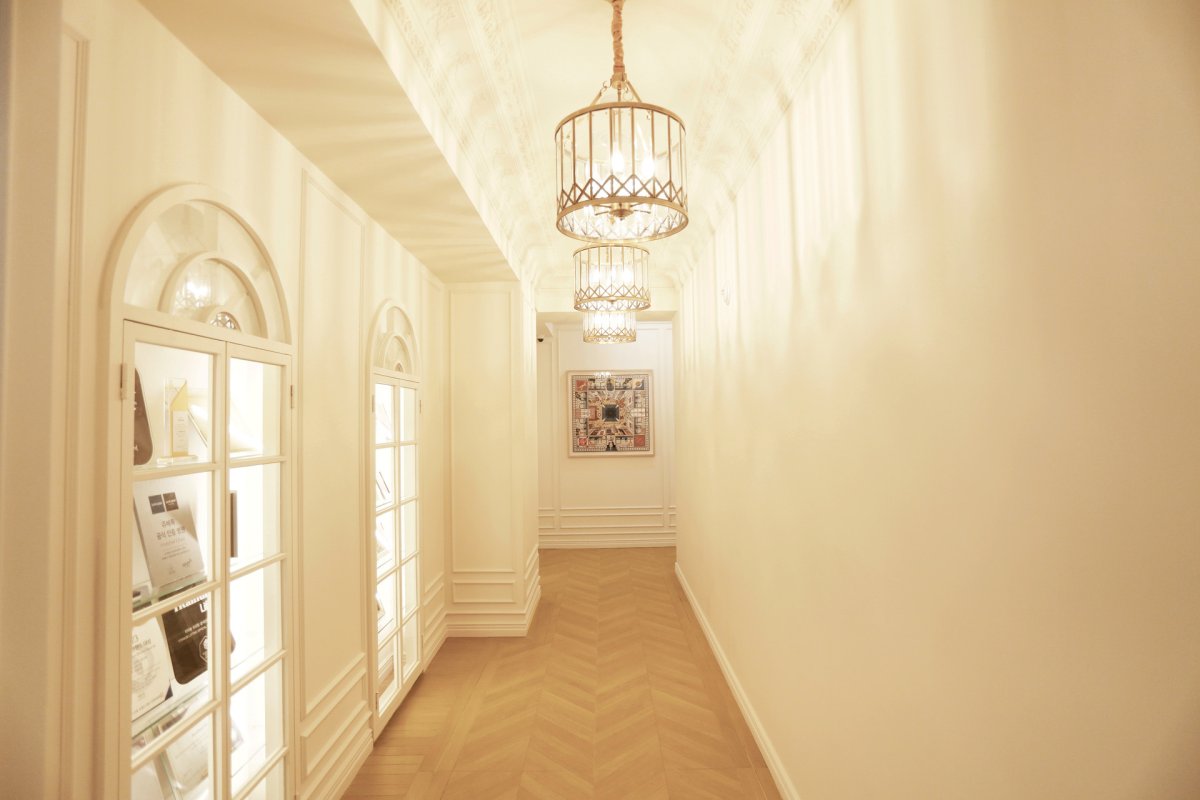
Laurel Clinic
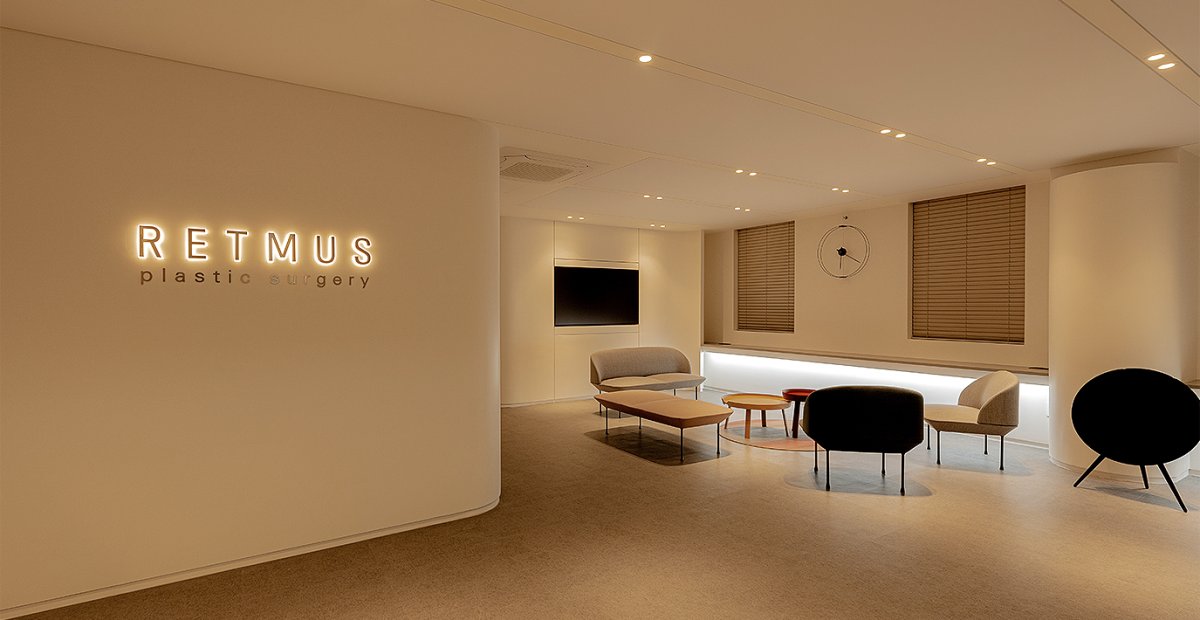
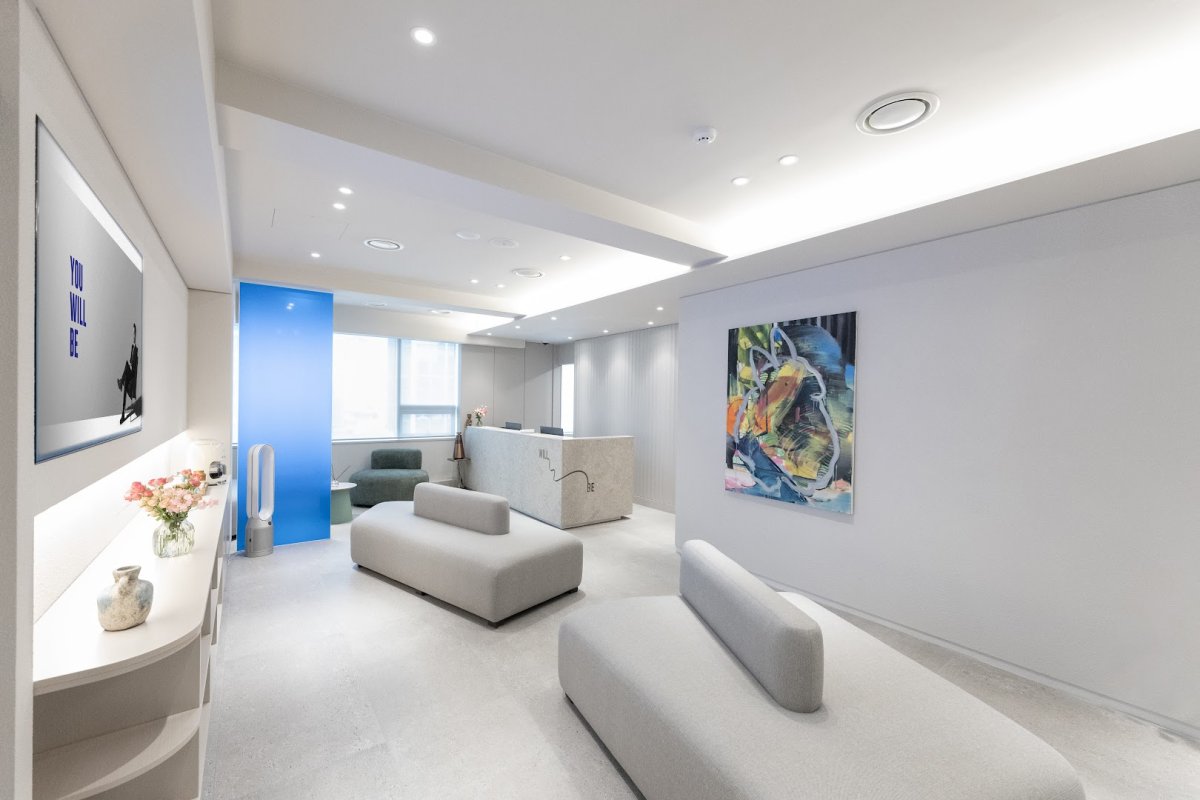
Willbe Plastic Surgery
Descripción general de Bótox debajo de los ojos en Corea del Sur
- Inyecciones de bótox - de $30Esta terapia, a base de toxina botulínica, alisa las arrugas relajando los músculos faciales, ofreciendo un aspecto juvenil.
- Bótox para hombres - de $37Esta terapia ofrece a los hombres un aspecto más joven al reducir las arrugas, mediante inyecciones con un tiempo de recuperación mínimo.
- Bótox para la frente - de $35Esta terapia reduce las arrugas de la frente a través de inyecciones relajantes musculares, brindando una apariencia juvenil y suave.
- Bótox debajo de los ojos - de $150El procedimiento suaviza las arrugas debajo de los ojos a través de pequeñas inyecciones específicas, brindando una apariencia juvenil y fresca.
- Bótox para las arrugas - de $35Esta terapia tiene como objetivo suavizar las líneas faciales mediante inyecciones, proporcionando una apariencia más joven y fresca de forma rápida y segura.
- Bótox preventivo - de $15Esta terapia consiste en el uso temprano de pequeñas inyecciones de botox para prevenir futuras arrugas, preservando la piel joven con mínimas molestias.
- Botox Lip-Flip - de $350Procedimiento cosmético no quirúrgico que utiliza inyecciones de Botox para relajar los músculos del labio superior, creando un aspecto más voluminoso al voltear sutilmente el labio hacia fuera.
Día 1: Llegada
- Llegada al país e instalarse en su alojamiento.
- Descansa y aclimatate al nuevo entorno.
Día 2: Preoperatorio
- Consulta con un especialista para una valoración inicial.
- Someterse a las pruebas cutáneas requeridas para la compatibilidad con Botox.
- Discuta sus expectativas y el resultado deseado con el especialista.
Día 3: Procedimiento de Botox
- Llegue a la clínica para su procedimiento de Botox programado.
- No se requiere anestesia ya que el procedimiento es mínimamente invasivo.
- El procedimiento dura aproximadamente de 1 a 2 horas.
- El Botox se inyecta debajo de la piel alrededor de los ojos.
- Después del procedimiento, puede irse de la clínica.
Día 4-7: Postoperatorio
- Quédese en su alojamiento y descanse.
- Evite tocar o frotar el lugar de la inyección.
- Espere una hinchazón y moretones menores, que desaparecerán con el tiempo.
Semana 1-2: Rehabilitación
- Puede volver al trabajo después de la primera semana después de la operación.
- Evite las actividades extenuantes y los deportes durante las primeras dos semanas.
- Los resultados finales serán visibles después de aproximadamente 2 semanas.
Tenga en cuenta que el cronograma y los procedimientos pueden variar según los casos individuales y los requisitos específicos.
- Depósito de Bookimed: 200 $ o 200 €.
- Depósito de la clínica: Pague un porcentaje fijo por adelantado.
Obtenga una evaluación médica de Bótox debajo de los ojos en Corea del Sur: haga una consulta con 17 médicos experimentados ahora
Ver todos los médicos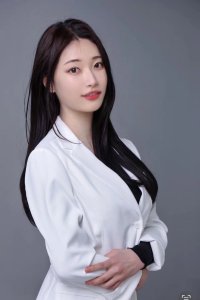
Yeom Jihye
El Dr. Yeom se especializa en procedimientos estéticos con un enfoque en técnicas de precisión, respaldado por amplias membresías profesionales y formación.
- Miembro de pleno derecho de la Sociedad Coreana de Cirugía Plástica Estética
- Completó el programa de observación clínica en UCLA
- Miembro vitalicio de la Sociedad Coreana de Dermatología Láser
- Ex director de varias clínicas estéticas de prestigio
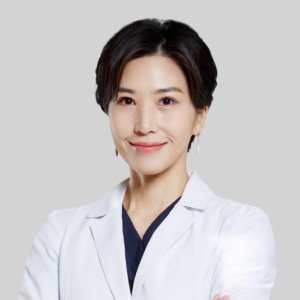
Cho Sung Hee
La Dra. Cho Sung Hee es médica del Centro de Cirugía Plástica y Dermatología Lienjang, en Seúl. Obtuvo el título de médica en la Facultad de Medicina de la Universidad Nacional de Seúl y completó la especialidad en medicina familiar en el Hospital de la Universidad Nacional de Seúl, un centro académico líder en Corea.
Es miembro de la Academia Coreana de Medicina Familiar, la Academia Coreana de Obesidad y Tratamientos Estéticos, la Sociedad Coreana para el Estudio de la Obesidad y la
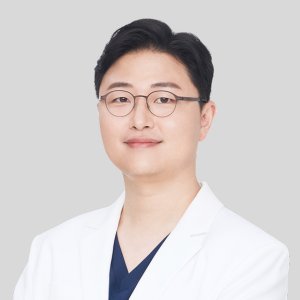
Kim Ji Hwan
Historias en video de pacientes de Bookimed
Reseñas
Todas las reseñasCompartir contenido
 Olena Sikoza
Preguntas frecuentes sobre Bótox debajo de los ojos en Corea del Sur
¿Qué es el «Skin Botox» debajo de los ojos y es popular en la República de Corea?
El Botox para la piel debajo de los ojos utiliza microdosis diluidas de toxina botulínica inyectadas superficialmente en la dermis. Esta técnica originaria de Corea trata las líneas finas y los poros, al tiempo que conserva las expresiones naturales. Es un procedimiento de mantenimiento habitual en clínicas de Seúl como Forena Clinic y BIOFACE Clinic.
- Técnica del procedimiento: Las microdosis actúan sobre la capa intradérmica, en lugar de los músculos oculares subyacentes.
- Beneficios principales: Suaviza las arrugas finas y apergaminadas y cierra los poros sin dar un aspecto congelado.
- Popularidad mundial: La República de Corea es uno de los 10 principales destinos mundiales para estos tratamientos.
- Disponibilidad local: Centros como BIOFACE Clinic atienden hasta 25.000 pacientes al año.
Perspectiva de expertos de Bookimed: Especialistas surcoreanos como el Dr. Cho Sung-Jun de RE:BERRY Clinic han realizado más de 30.000 procedimientos. Este alto volumen permite a los médicos perfeccionar la poca profundidad de inyección necesaria para la zona de los ojos. En Seúl, estos tratamientos son tan rutinarios que las clínicas suelen atender entre 20.000 y 25.000 pacientes cada año.
Consenso de pacientes: Los pacientes valoran que esta técnica suavice las líneas finas sin cambiar su sonrisa. Muchos señalan que los hematom