Brackets para mordida abierta en Corea del Sur — obtén 3 clínicas con costos


Revisado médicamente por
Fahad Mawlood
¿Cuál es el precio de Brackets para mordida abierta en Corea del Sur? Descubra ahora
Braces for open bite in the Republic of Korea typically cost from Precio a consultar to Precio a consultar. Prices vary based on the choice of appliance, malocclusion complexity, and the need for additional anchorage devices. Most clinic packages include initial diagnostic 3D imaging, monthly adjustments, and professional sterilization.
- Metal and ceramic braces: Often the most budget-friendly option for structural bite correction.
- Self-ligating systems: Typically add a 20-30% premium but offer faster adjustments and improved comfort.
- Clear aligners: Generally cost 40-50% more than traditional metal braces for mild-to-moderate cases.
- Lingual braces: Often command the highest prices due to complex management of vertical bite closure.
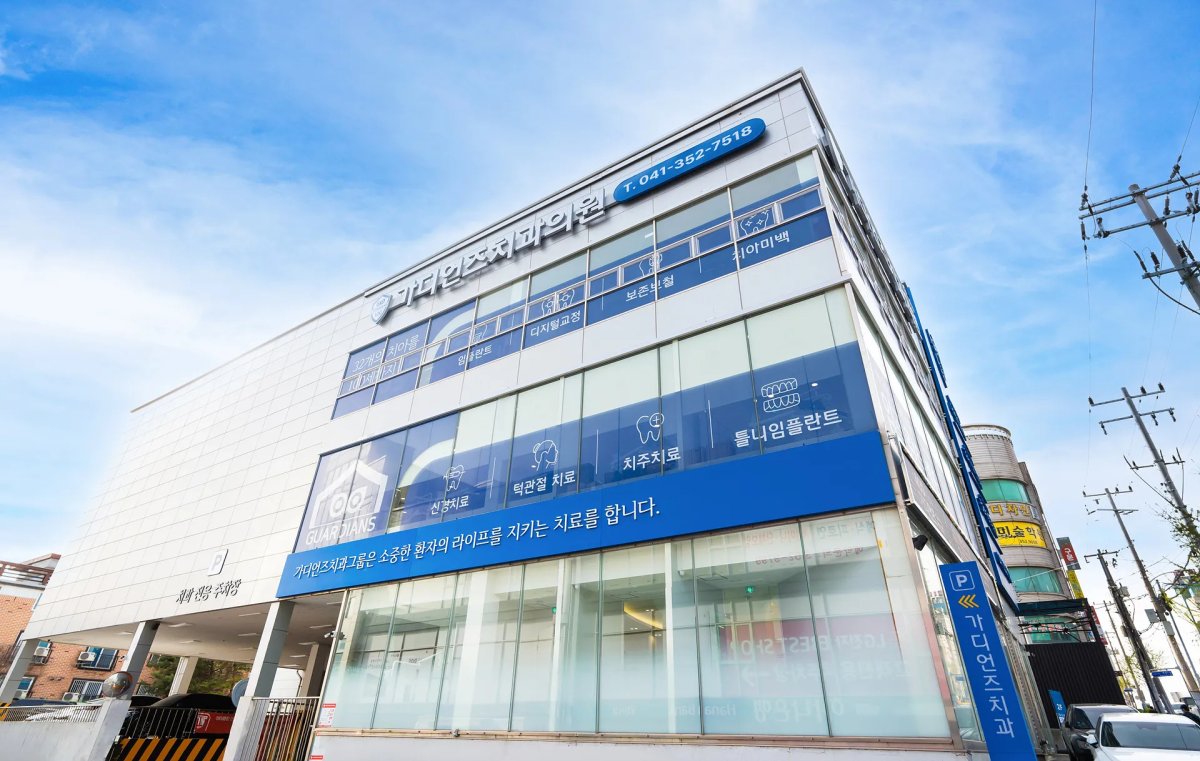
Bookimed Expert Insight: Choosing clinics in Seoul hubs like Myeongdong provides access to Ministry of Health-certified specialists. Clinics like Guardians Dental utilize on-site digital labs to streamline custom appliance fabrication. This integration often reduces the total number of visits required for international patients. Advanced diagnostic tools like low-dose 3D CT imaging ensure precise vertical control without over-treatment.
Sus beneficios y garantías con Bookimed
Precios directos
Bookimed no añade cargos adicionales a los precios de Brackets para mordida abierta. Las tarifas proceden de las listas de precios oficiales de las clínicas. Pagará directamente en la clínica por su Brackets para mordida abierta a su llegada al país.
Sólo clínicas y médicos verificados
Bookimed está comprometido con su seguridad. Solo trabajamos con las clínicas que mantienen altos estándares internacionales en Brackets para mordida abierta y tienen las licencias necesarias para atender a pacientes internacionales en todo el mundo.
Asistencia 24/7 gratuita
Bookimed ofrece asistencia experta gratuita. Un coordinador médico personal le apoya antes, durante y después del tratamiento, resolviendo cualquier problema. Nunca estará solo en su viaje médico de Brackets para mordida abierta.

Su coordinador médico personal de Bookimed
- Le apoya en cada etapa
- Ayuda a elegir la clínica y el médico adecuados
- Asegura un acceso rápido y conveniente a la información
Descubra las mejores clínicas de Brackets para mordida abierta en Corea del Sur: 3 opciones verificadas y Precios

Descripción general de Brackets para mordida abierta en Corea del Sur
- Brackets - de $2,200Esta terapia ayuda a enderezar los dientes y alinear las mandíbulas, lo que requiere ajustes regulares durante un período para obtener los mejores resultados.
- Instalación de ortodoncia lingual - de $4,200Esta terapia ayuda a enderezar los dientes usando aparatos ortopédicos colocados detrás, ofreciendo una solución de ortodoncia oculta y eficiente.
- Brackets de cerámica - de $3,400Este tratamiento utiliza brackets y alambres del color del diente para enderezar los dientes de una manera menos visible.
- El procedimiento utiliza aparatos ortopédicos avanzados para alinear una mandíbula, presentando molestias mínimas, discretas y eficientes y un tratamiento más rápido.
Día 1
- Llegar al hospital.
- Consulte con el ortodoncista para una evaluación inicial.
- Sométete a pruebas de diagnóstico, incluidas radiografías e impresiones de mordeduras.
Dia 2
- Reciba un plan de tratamiento personalizado de su ortodoncista.
- Haga que le coloquen y ajusten aparatos ortopédicos para su mordida abierta.
Semana 1
- Adaptarse a la sensación de ortodoncia en la boca.
- Aprende a limpiar y cuidar tus brackets.
Mes 1
- Visite al ortodoncista para su primera cita de seguimiento.
- Haz ajustes a tus aparatos ortopédicos si es necesario.
Cada 4-6 Semanas
- Visite a su ortodoncista para chequeos y ajustes regulares.
- Supervise el progreso de su corrección de mordida abierta.
6-24 meses
- Continúe con las visitas periódicas al ortodoncista y los ajustes de los aparatos ortopédicos.
- Comience a ver mejoras significativas en su mordida.
Fin del tratamiento
- Se quitan los tirantes y se coloca un retenedor.
- Vea los resultados finales de su corrección de mordida abierta.
Tenga en cuenta que la línea de tiempo y el proceso de tratamiento pueden variar según los casos individuales y la gravedad de la mordida abierta. Consulte siempre con su ortodoncista para obtener información personalizada sobre el tratamiento.
- Depósito de Bookimed: 200 $ o 200 €.
- Depósito de la clínica: Pague un porcentaje fijo por adelantado.
Obtenga una evaluación médica para Brackets para mordida abierta en Corea del Sur: Elija su especialista entre los mejores en el campo
Ver todos los médicos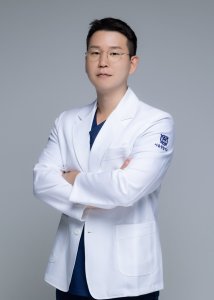
Kwon Jae-won
Dr. Kwon Jae-won
- Graduado del Hospital de la Universidad Nacional de Seúl
- Completó su residencia en la Facultad de Odontología de la Universidad Nacional de Seúl

lee Joo Hee
Historias en video de pacientes de Bookimed
Reseñas
Todas las reseñasCompartir contenido
 Olena Sikoza
Preguntas frecuentes sobre Brackets para mordida abierta en Corea del Sur
¿Necesito una visa para Corea del Sur?
Hasta la fecha, Corea del Sur tiene acuerdos sin visado con 112 estados . No se requiere visa para estadías de menos de 90 días. Para permanecer más tiempo en este país, necesita una visa. Qué estados necesitan una visa para el tratamiento en Corea del Sur y qué países pueden cruzar las fronteras de forma gratuita y fácil de leer aquí .
¿Cuál es el nivel de la medicina en Corea del Sur?
El cuidado de la salud es un sector de desarrollo clave del gobierno coreano. Las autoridades coreanas están convencidas de que el cuidado de la salud de los ciudadanos debe ser una prioridad incondicional de la política estatal, y anualmente gastan alrededor de mil millones de dólares para atraer turistas médicos.
Según Mark Britnell , los hospitales dominan el sistema de salud. El 94% de los hospitales son de propiedad privada.
¿Cuáles son las cirugías plásticas más populares?
Según las estadísticas de la ASPS , en 2018 se realizaron 17,7 millones de cirugías estéticas y 5,8 millones de procedimientos reconstructivos. Los procedimientos cosméticos más populares incluyen:
- aumento de senos
- liposucción
- rinoplastia (cirugía de nariz)
- cirugía de párpado
- Abdominoplastia.
La extirpación de tumores, la cicatrización de desgarros, la cirugía maxilofacial, la revisión de cicatrices, la cirugía de la mano son las operaciones más comunes en el contexto de la cirugía reconstructiva.
¿Qué documentos se requieren para solicitar una visa a Corea del Sur para recibir tratamiento?
Las visas para viajar a Corea del Sur requieren una serie de documentos . La documentación necesaria se puede presentar 90 días antes de la salida prevista. La lista de documentos incluye:
- tarjeta de identificación
- confirmación del registro en línea y llenado del cuestionario
- certificado de ingresos y disponibilidad de fondos
- póliza de seguro de estancia en Corea del Sur (original y copia)
- 2 fotos (5x6)
- obtener una visa
- reserva de vuelos y hoteles
- opinión del médico sobre la necesidad de tratamiento.
¿Qué necesitas saber sobre Corea del Sur antes de viajar?
Moneda | Won surcoreano (el pago de los servicios también es posible en dólares) |
Mejor época para viajar | Abril, mayo y junio o septiembre, octubre y noviembre. |
Idioma | Coreano (la mayoría del personal médico habla inglés con fluidez) |
Visa | no requerido para estadías de hasta 90 días o menos |
Diferencia horaria con Europa | 9:00 |
Diferencia horaria de Estados Unidos | 9:00 |
Capital | Seúl |
Centro de Turismo Médico | seúl |
Estaciones populares | Gangwon-do, Gyeongju, Boseong, Jeju |
¿Qué servicios hoteleros se brindan aquí?
En Corea del Sur , hay hoteles de diferentes rangos de precios y niveles de servicio. La mayoría de los turistas eligen hoteles de 4 y 5 estrellas con régimen de todo incluido. Dichos hoteles tienen todo para una estancia confortable: comida variada, amplio territorio bien cuidado, animación para niños y adultos. Algunos hoteles tienen su propio parque acuático, que los huéspedes pueden utilizar de forma gratuita. Los viajeros con poco presupuesto pueden permitirse reservar un hotel económico de 3 estrellas con media pensión o sin comidas.