Brackets para mordida abierta en España — obtén 3 clínicas con costos


Revisado médicamente por
Fahad Mawlood
¿Cuál es el precio de Brackets para mordida abierta en España? Descubra ahora
El coste de los brackets para mordida abierta en España suele oscilar entre _price_from_ y _price_to_. Los precios varían según el tipo de brackets (metálicos, cerámicos, linguales o alineadores transparentes), la experiencia del ortodoncista y la complejidad de la corrección de la mordida. UU.
Los paquetes ortodónticos en España suelen incluir la consulta inicial, radiografías diagnósticas, colocación de brackets o alineadores, ajustes rutinarios y retenedores finales. En EE. UU., el precio base puede no cubrir los retenedores, visitas de emergencia o bandejas adicionales de alineadores, que a menudo se facturan por separado. Siempre confirmar exactamente qué incluye el paquete de tratamiento con cada clínica.
Sus beneficios y garantías con Bookimed
Precios directos
Bookimed no añade cargos adicionales a los precios de Brackets para mordida abierta. Las tarifas proceden de las listas de precios oficiales de las clínicas. Pagará directamente en la clínica por su Brackets para mordida abierta a su llegada al país.
Sólo clínicas y médicos verificados
Bookimed está comprometido con su seguridad. Solo trabajamos con las clínicas que mantienen altos estándares internacionales en Brackets para mordida abierta y tienen las licencias necesarias para atender a pacientes internacionales en todo el mundo.
Asistencia 24/7 gratuita
Bookimed ofrece asistencia experta gratuita. Un coordinador médico personal le apoya antes, durante y después del tratamiento, resolviendo cualquier problema. Nunca estará solo en su viaje médico de Brackets para mordida abierta.

Su coordinador médico personal de Bookimed
- Le apoya en cada etapa
- Ayuda a elegir la clínica y el médico adecuados
- Asegura un acceso rápido y conveniente a la información
Descubra las mejores clínicas de Brackets para mordida abierta en España: 1 opciones verificadas y Precios
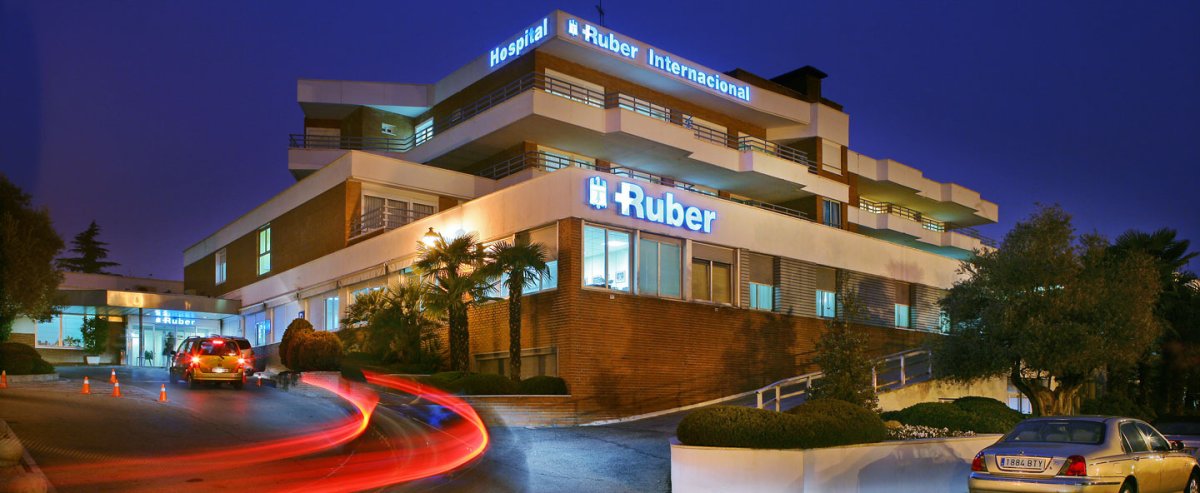


Descripción general de Brackets para mordida abierta en España
- Brackets - de $1,900Esta terapia ayuda a enderezar los dientes y alinear las mandíbulas, lo que requiere ajustes regulares durante un período para obtener los mejores resultados.
- Instalación de ortodoncia lingual - de $5,500Esta terapia ayuda a enderezar los dientes usando aparatos ortopédicos colocados detrás, ofreciendo una solución de ortodoncia oculta y eficiente.
- Brackets de cerámica - de $2,800Este tratamiento utiliza brackets y alambres del color del diente para enderezar los dientes de una manera menos visible.
- El procedimiento utiliza aparatos ortopédicos avanzados para alinear una mandíbula, presentando molestias mínimas, discretas y eficientes y un tratamiento más rápido.
Día 1
- Llegar al hospital.
- Consulte con el ortodoncista para una evaluación inicial.
- Sométete a pruebas de diagnóstico, incluidas radiografías e impresiones de mordeduras.
Dia 2
- Reciba un plan de tratamiento personalizado de su ortodoncista.
- Haga que le coloquen y ajusten aparatos ortopédicos para su mordida abierta.
Semana 1
- Adaptarse a la sensación de ortodoncia en la boca.
- Aprende a limpiar y cuidar tus brackets.
Mes 1
- Visite al ortodoncista para su primera cita de seguimiento.
- Haz ajustes a tus aparatos ortopédicos si es necesario.
Cada 4-6 Semanas
- Visite a su ortodoncista para chequeos y ajustes regulares.
- Supervise el progreso de su corrección de mordida abierta.
6-24 meses
- Continúe con las visitas periódicas al ortodoncista y los ajustes de los aparatos ortopédicos.
- Comience a ver mejoras significativas en su mordida.
Fin del tratamiento
- Se quitan los tirantes y se coloca un retenedor.
- Vea los resultados finales de su corrección de mordida abierta.
Tenga en cuenta que la línea de tiempo y el proceso de tratamiento pueden variar según los casos individuales y la gravedad de la mordida abierta. Consulte siempre con su ortodoncista para obtener información personalizada sobre el tratamiento.
- Depósito de Bookimed: 200 $ o 200 €.
- Depósito de la clínica: Pague un porcentaje fijo por adelantado.
Historias en video de pacientes de Bookimed
Reseñas
Todas las reseñasCompartir contenido
 Olena Sikoza
Preguntas frecuentes sobre Brackets para mordida abierta en España
¿Pueden los alineadores transparentes (como Invisalign o Angel Aligners) corregir una mordida abierta?
Los alineadores transparentes tratan con éxito las mordidas abiertas dentales de leves a moderadas en adultos y niños. Estos dispositivos utilizan la intrusión de molares, ataches de composite y elásticos de caja para unir los dientes frontales. Los hospitales españoles acreditados por la JCI, como el Hospital Ruber Internacional, ofrecen estas soluciones de ortodoncia especializadas para alineaciones de mordida complejas.
- Mecánica del tratamiento: Los clínicos utilizan la intrusión de molares y elásticos de caja para cerrar el espacio anterior.
- Tasas de éxito: Alta eficacia para mordidas abiertas dentales causadas por una posición incorrecta de los dientes.
- Plazo del tratamiento: La corrección completa suele oscilar entre 17,5 y 24 meses para garantizar la estabilidad.
- Complejidad del caso: Los problemas esqueléticos pueden requerir enfoques quirúrgicos o dispositivos de anclaje temporal (TADs).
Opinión experta de Bookimed: Los centros de ortodoncia españoles suelen preferir la ortodoncia de camuflaje para casos esqueléticos. La intrusión de los molares posteriores en solo 1 mm puede cerrar la mordida frontal en 3 mm. Esta estrategia produce resultados estéticos significativos sin necesidad de cirugía maxilar invasiva para muchos pacientes.
Consenso de los pacientes: El éxito depende de identificar si el problem
¿Volverá mi mordida abierta después de los brackets?
Una mordida abierta puede regresar después de los brackets si las causas subyacentes, como el empuje lingual o los patrones de la mandíbula, permanecen sin corregir. Aunque la recaída ocurre con más frecuencia que con otros problemas de ortodoncia, el uso constante de retenedores y la reeducación de hábitos estabilizan eficazmente el arco dental y la alineación.
- Corrección de hábitos: Aborde el empuje lingual mediante terapia miofuncional para evitar que los dientes se desplacen hacia adelante nuevamente.
- Cumplimiento del retenedor: Use los retenedores recetados indefinidamente para mantener los dientes en su lugar contra las fuerzas musculares naturales.
- Riesgo en adultos: Los adultos tienen una estructura ósea menos adaptable, lo que a menudo requiere retenedores adheridos permanentes para mayor estabilidad.
- Planificación del tratamiento: Seleccione instalaciones acreditadas por la Joint Commission International (JCI) como el Hospital Ruber Internacional para recibir atención especializada.
Perspectiva del experto de Bookimed: Mantener los resultados de la mordida abierta en España generalmente requiere un enfoque de doble retenedor en lugar de solo uno. Los datos de los mejores hospitales de Madrid muestran que combinar un alambre fijo con un retenedor nocturno removible reduce significativamente las tasas de recaída para casos esque
¿Qué técnicas se utilizan para tratar la mordida abierta en España?
Las clínicas en España tratan la mordida abierta utilizando una combinación de mecánica de ortodoncia especializada y cirugía ortofacial. Los especialistas utilizan dispositivos de anclaje temporal (TADs) para la intrusión de molares y la expansión esquelética maxilar (MSE) para abordar las desalineaciones dentales, mientras que los casos esqueléticos graves a menudo requieren cirugía bimaxilar.
- Intrusión con minitornillos: Los dispositivos de anclaje temporal (TADs) intruyen los molares para rotar la mandíbula hacia adelante.
- Expansión esquelética: La expansión rápida del paladar asistida quirúrgicamente (SARPE) ensancha el maxilar superior para un mejor ajuste.
- Reposicionamiento de mandíbula: La cirugía bimaxilar corrige brechas esqueléticas graves ajustando tanto el maxilar superior como la mandíbula.
- Alineadores funcionales: Los alineadores transparentes con accesorios específicos y bandas elásticas gestionan casos dentales leves.
Perspectiva del experto de Bookimed: Los centros españoles como el Hospital Ruber Internacional en Madrid integran imágenes 3D avanzadas para la planificación maxilofacial. Este enfoque de alta tecnología es vital porque la mordida abierta esquelética a menudo requiere SARPE antes de que comiencen los brackets. Confirme siempre si su clínica alberga departamentos tanto de ortodoncia como de cirugía para ag
¿Cuánto tiempo dura el tratamiento?
El tratamiento para la mordida abierta en España suele durar de 1,5 a 3 años. Este plazo permite una remodelación ósea gradual para cerrar el espacio entre los dientes superiores e inferiores de forma segura. Los casos complejos en adultos que implican una corrección quirúrgica de la mandíbula requieren tiempo adicional para la preparación y la recuperación.
- Corrección estándar: La mayoría de los planes de ortodoncia requieren de 18 a 36 meses para obtener resultados estables.
- Recuperación quirúrgica: Los casos graves que necesitan cirugía de mandíbula implican de 4 a 5 meses para la curación inicial.
- Fase de retención: Los pacientes deben usar retenedores a tiempo completo durante 2 a 3 meses después de retirar los brackets.
- Intervención temprana: El examen de los niños a los 7 años puede acortar el tratamiento futuro mediante la expansión del paladar.
Opinión de expertos de Bookimed: La corrección de la mordida abierta es más lenta que el cierre de espacios simples. Las clínicas españolas como el Hospital Ruber Internacional suelen utilizar bloques de mordida para la intrusión de los dientes posteriores. Este método es más eficaz que las elásticas. Previene daños en las raíces y garantiza la estabilidad de la mordida a largo plazo.
Consenso de los pacientes: Espere un compromiso de varios años para la correcció
¿Cubre esto la sanidad pública española (Seguridad Social)?
La sanidad pública española (Seguridad Social) generalmente no cubre los brackets para la mordida abierta en adultos. Esto se clasifica como un servicio dental no esencial o cosmético. Sin embargo, la cobertura puede aplicarse si la condición es esquelética y requiere cirugía ortognática correctiva.
- Cobertura para adultos: Los brackets suelen estar excluidos para adultos ya que se consideran cosméticos.
- Casos esqueléticos: El sistema público cubre la cirugía de mandíbula pero generalmente no los aparatos de ortodoncia.
- Excepciones pediátricas: Los planes dentales públicos ofrecen cierto apoyo para niños menores de 16 años.
- Variaciones regionales: Las políticas cambian entre comunidades autónomas; consulte en su Centro de Salud local.
Perspectiva del experto de Bookimed: Aunque la sanidad pública cubre el coste de la cirugía de mandíbula para mordidas abiertas esqueléticas, los pacientes aún enfrentan costes de entre Precio a consultar y Precio a consultar por los brackets necesarios. Los centros multidisciplinarios como el Hospital Ruber Internacional en Madrid ofrecen experiencia tanto quirúrgica como ortodóncica para gestionar estos casos complejos sin problemas.
Consenso de los pacientes: Los pacientes enfatizan que distinguir entre un diagnóstico dental y uno esquelético es vital para la planificación finan