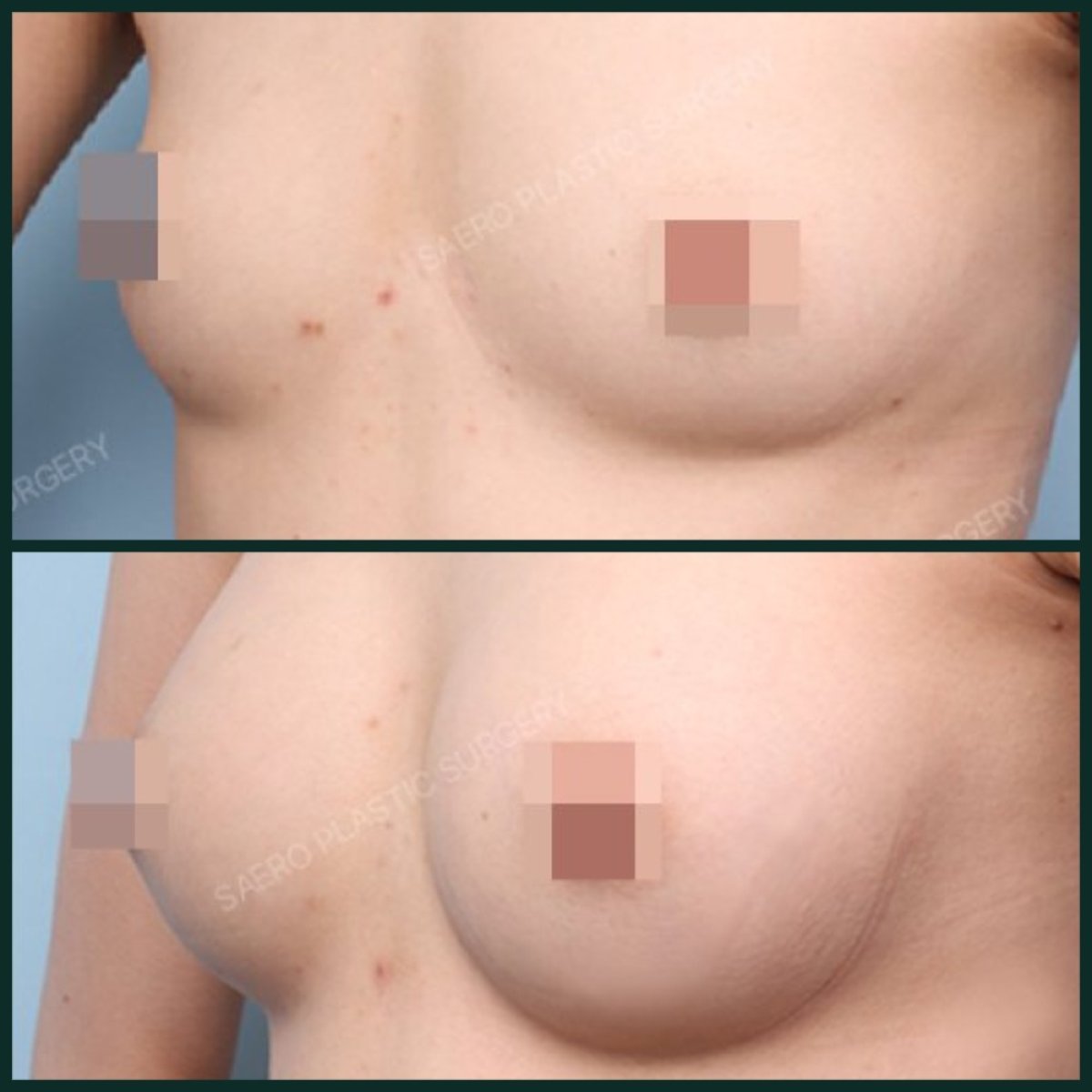
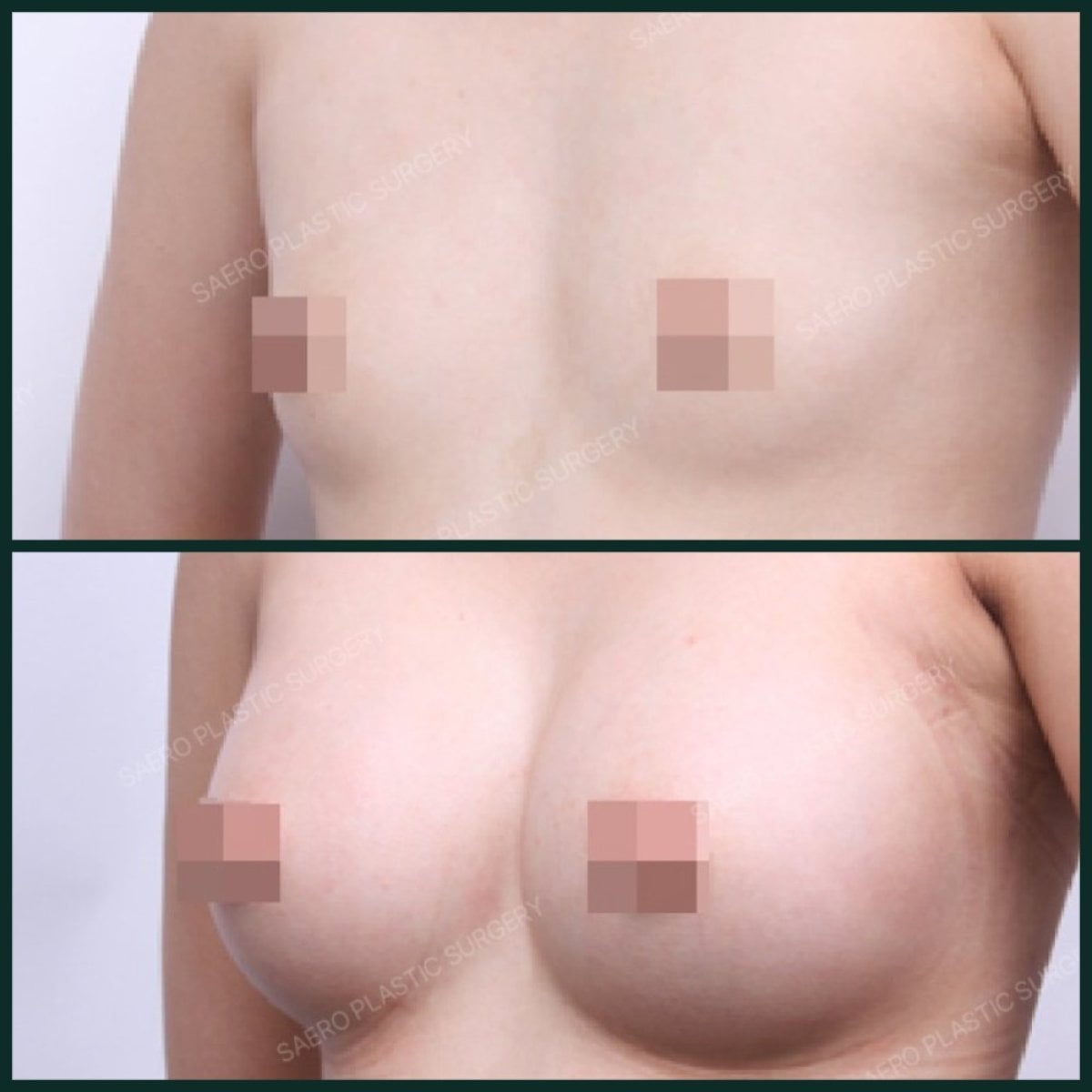
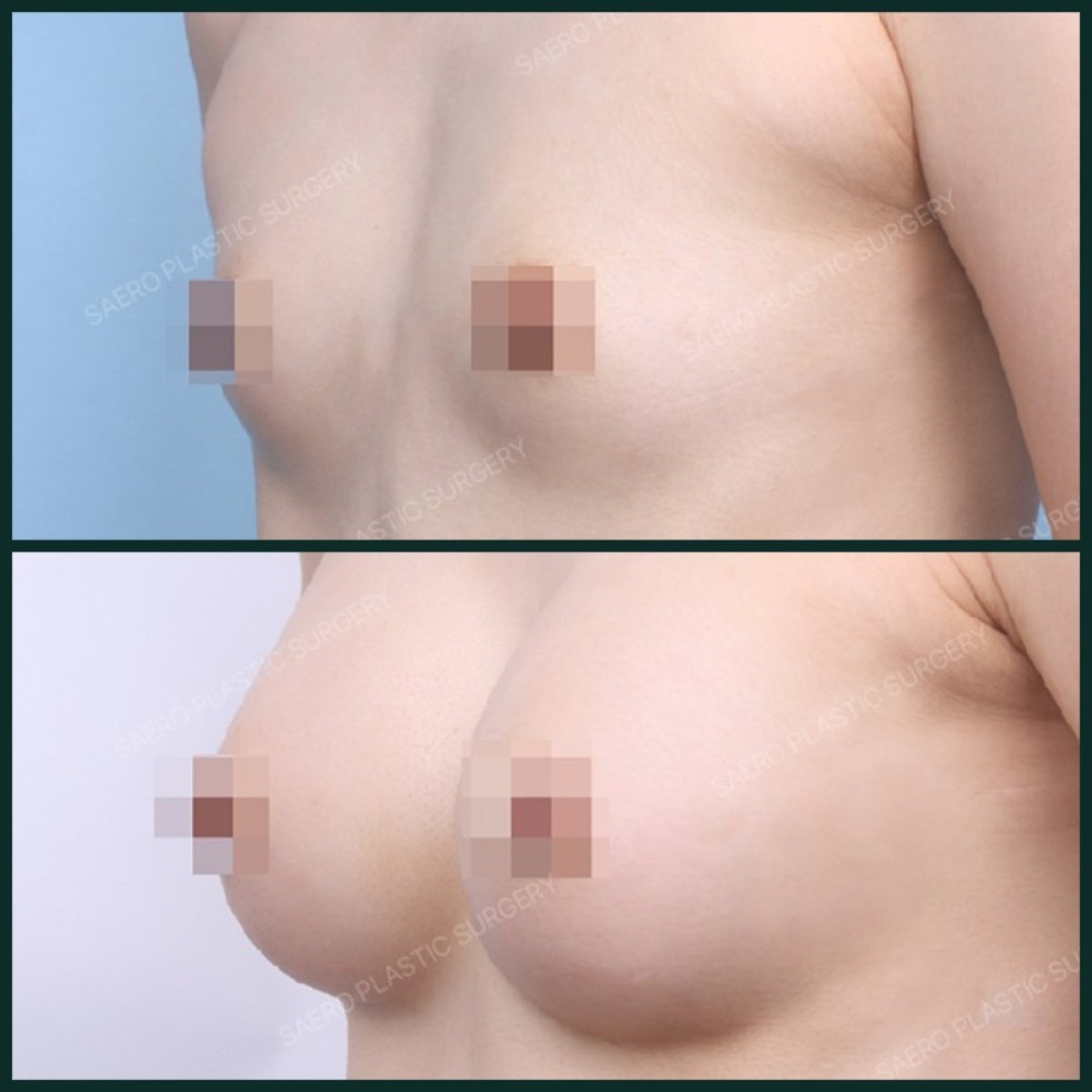
SAERO Plastic Surgery
Corea del Sur, Seúl
Park Young Kyu
25 años de experiencia

Portafolio del cirujano


Revisado médicamente por
Fahad Mawlood
De $5,800. El precio final depende del volumen de grasa extraída, el número de zonas donantes y el prestigio de la clínica. En los EE. UU., procedimientos similares cuestan alrededor de $11,000 en promedio. Los pacientes ahorran alrededor de un 47% en comparación con los precios de EE. UU. Las inclusiones estándar a menudo cubren las pruebas preoperatorias, los honorarios de anestesia, la purificación de la grasa y las visitas de seguimiento iniciales.
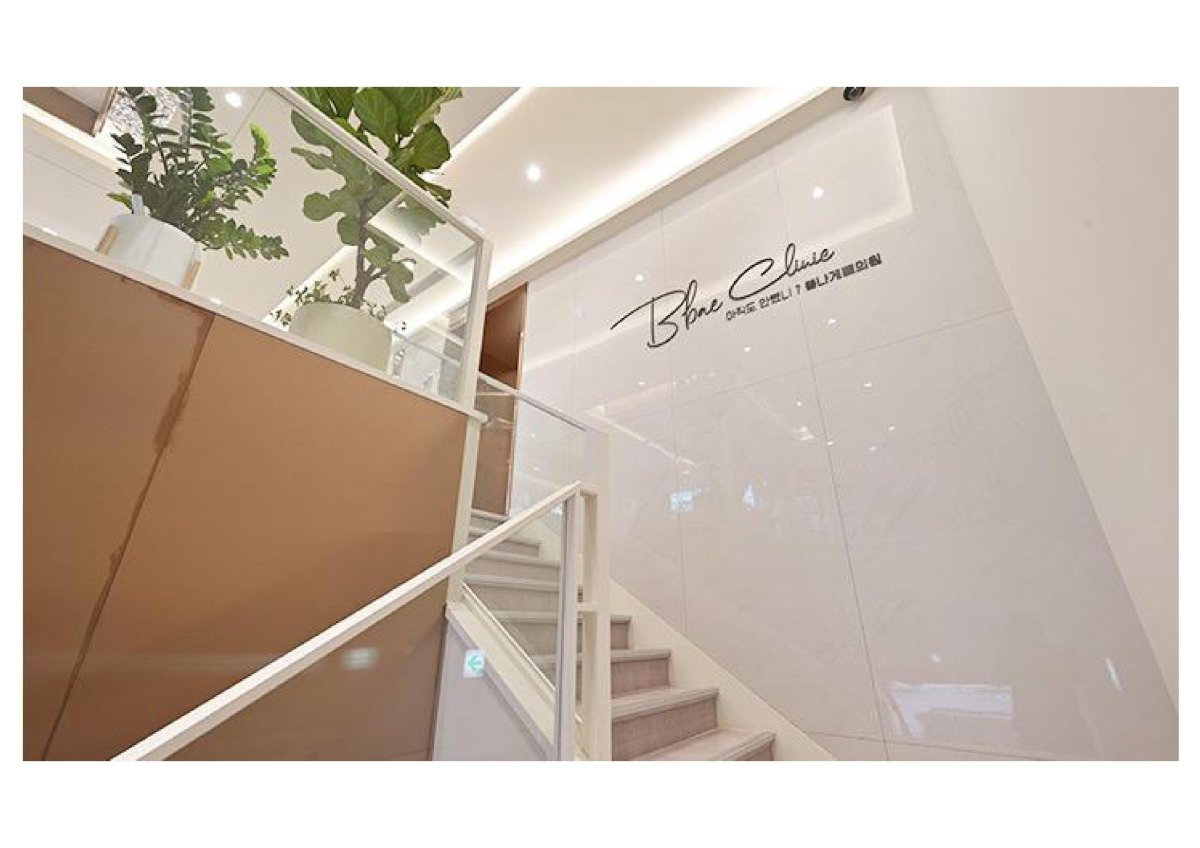
Perspectiva del experto de Bookimed: Elegir un centro especializado como Bbae Clinic, que realiza más de 3,500 procedimientos al año, garantiza una experiencia de gran volumen. Si bien las clínicas premium de Seúl como VG Plastic Surgery cuentan con la acreditación KOIHA por seguridad, los pacientes pueden encontrar un valor significativo en centros que se enfocan exclusivamente en el injerto de grasa. Algunas clínicas ofrecen alojamiento de lujo, lo que puede ser más rentable que reservar hoteles por separado en distritos costosos como Gangnam.
| Corea del Sur | España | Estados Unidos | |
|---|---|---|---|
| Aumento de senos con transferencia de grasa | de $5,800 | de $6,500 | ≈ $8,500 |
El Dr. Park Young Kyu es un reconocido cirujano plástico, especializado en abdominoplastia, rinoplastia, otoplastia, lifting facial, liposucción y blefaroplastia. Se graduó summa cum laude de la Universidad SoonChunHyang y es profesor adjunto en el hospital universitario.
Recibió el premio al Mejor Residente Médico de la Sociedad Coreana de Cirugía Plástica y Reconstructiva. Es miembro de la Sociedad Coreana de Cirugía Plástica y Reconstructiva, la Sociedad Internacional de Cirugía Pl


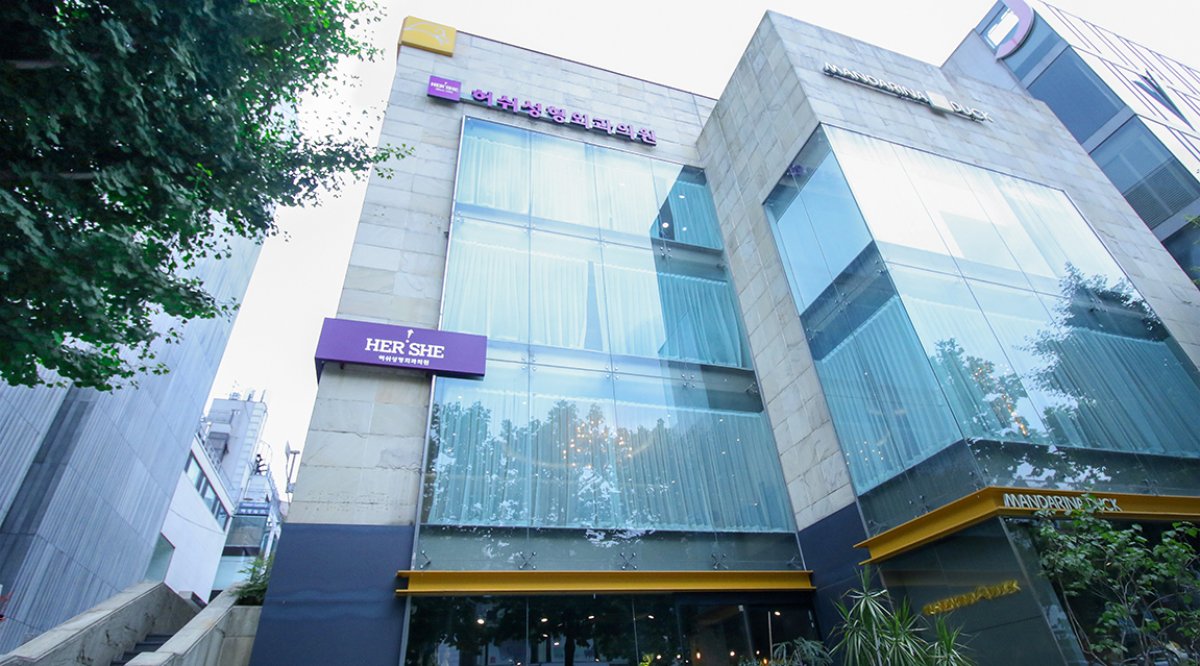
El Dr. Jung Young Choon es el fundador y cirujano jefe de HERSHE Plastic Surgery Korea. Es especialista en procedimientos antienvejecimiento y medicina regenerativa basada en células madre. El Dr. Jung cuenta con certificación de la junta en cirugía plástica y es miembro de la Sociedad Estadounidense de Cirujanos Plásticos. Anteriormente se desempeñó como presidente de la Sociedad Internacional de Cirugía Plástica Mínimamente Invasiva.
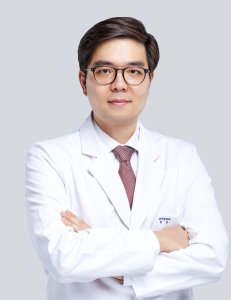
El Dr. Chung Jae Hyun es cirujano plástico certificado. Es profesor adjunto en el Centro Médico de la Universidad de Corea. Obtuvo su título de médico en la Facultad de Medicina de la Universidad de Corea. Completó su residencia en cirugía plástica en el Centro Médico de la Universidad de Corea. Su práctica se centra en la cirugía mamaria reconstructiva y estética.
Realizó una beca de subespecialización en el Centro de Reconstrucción Mamaria, Departamento de Cirugía Plástica, del MD An





 Olena Sikoza
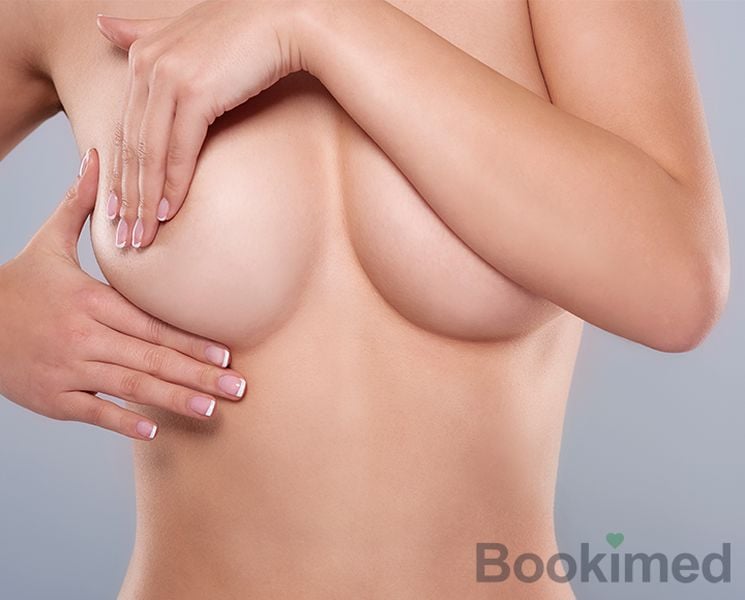
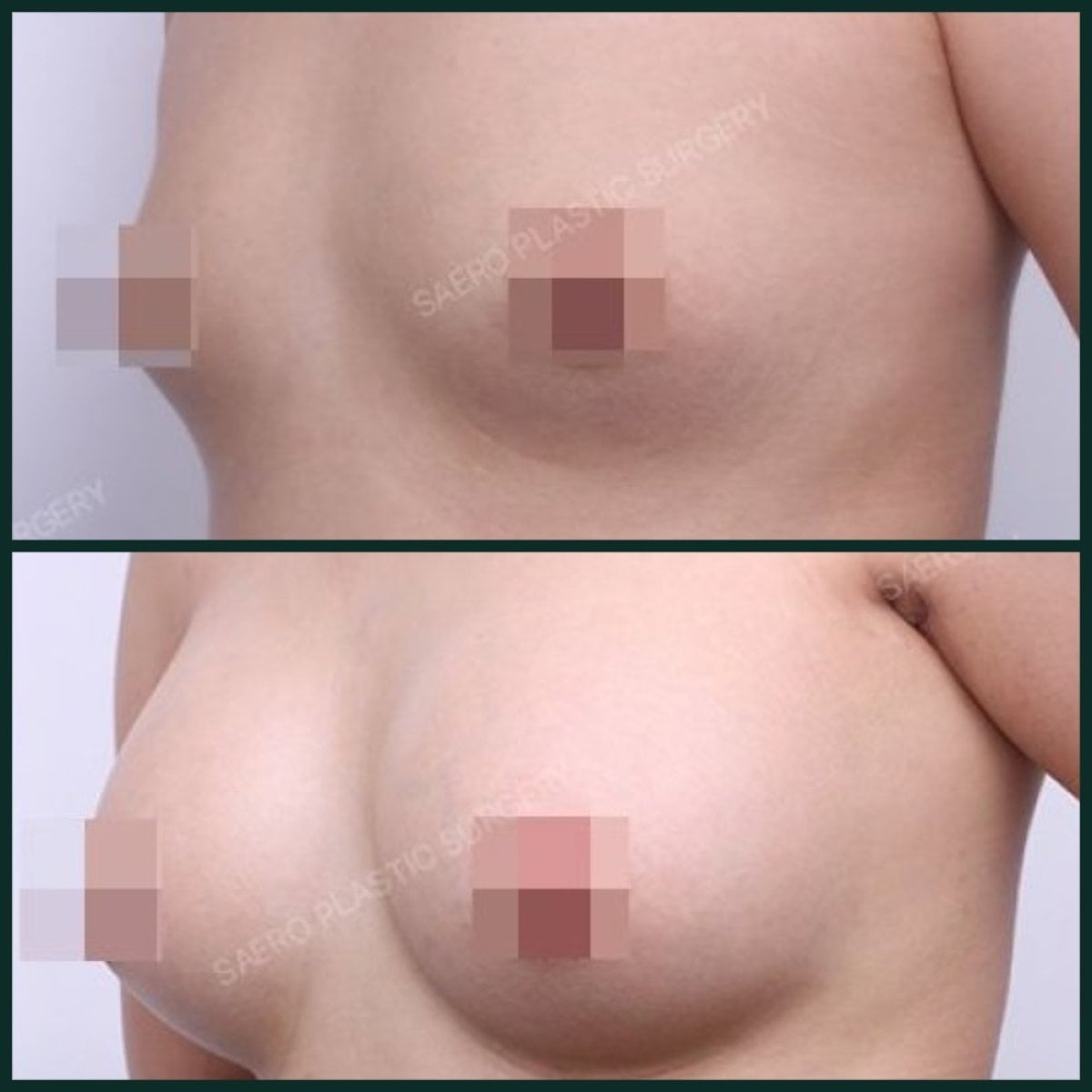
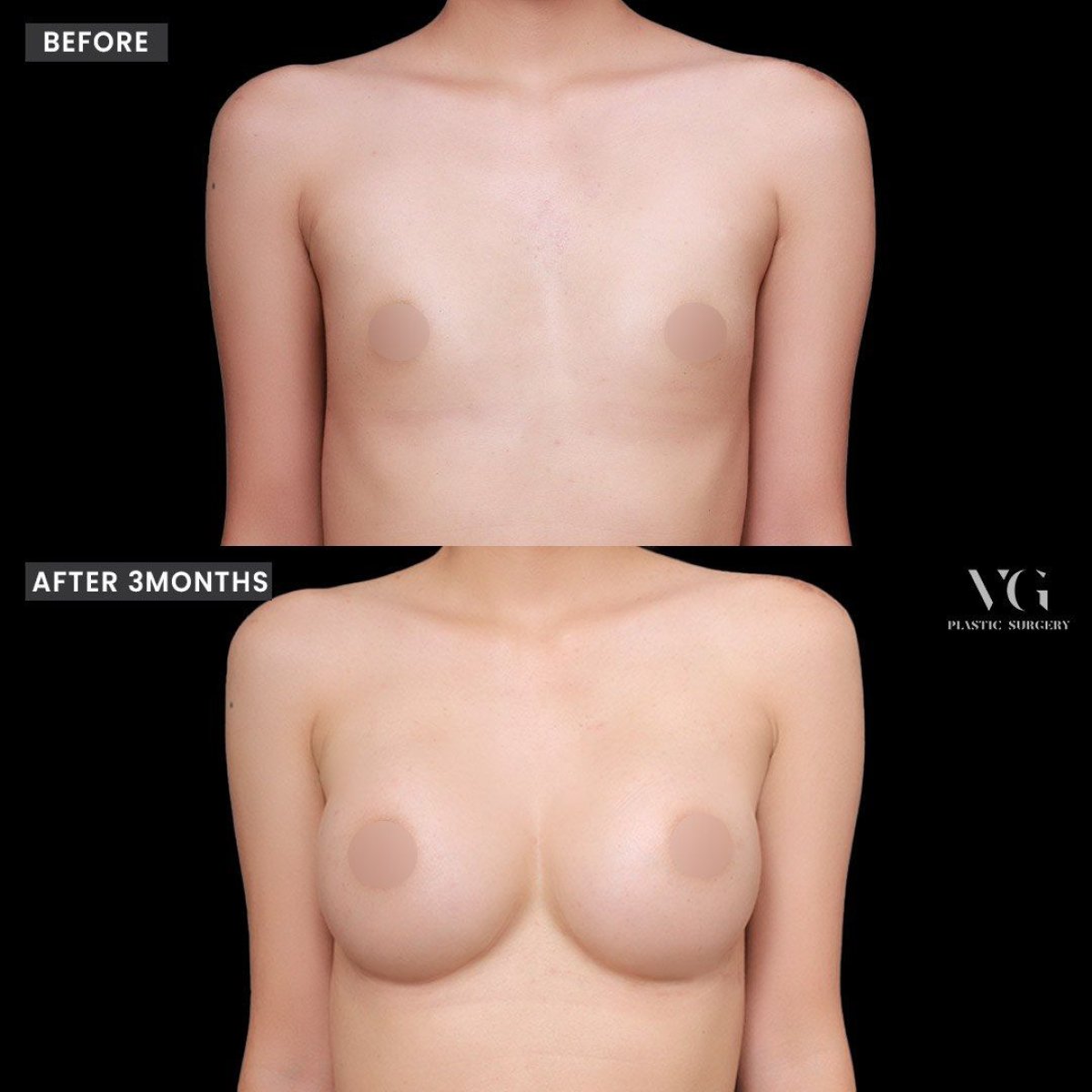
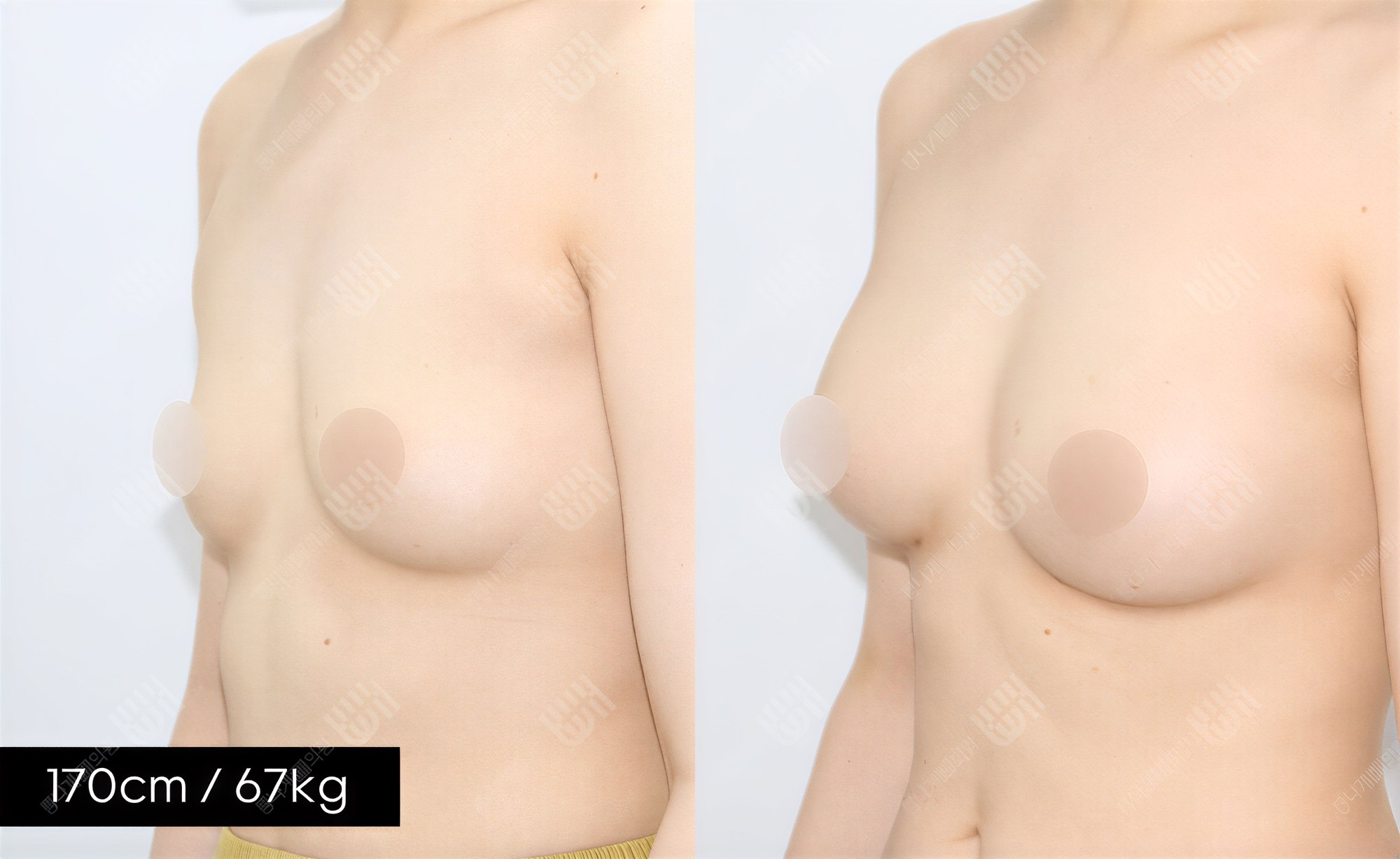
Este método de mejora de senos implica transferir grasa de otras áreas del cuerpo a los senos para aumentar el volumen.
El injerto de grasa mamaria no aumenta el riesgo de cáncer de mama ni de recurrencia. La evidencia clínica confirma que el procedimiento es oncológicamente seguro, ya que la transferencia de grasa autóloga utiliza tejido biológicamente normal. Organizaciones importantes como la Sociedad Americana de Cirujanos Plásticos (ASPS) respaldan su seguridad para fines cosméticos y reconstructivos.
Perspectiva del experto de Bookimed: Clínicas en Seúl como Bbae Clinic han realizado más de 10,000 casos, centrándose fuertemente en la seguridad del injerto de grasa. Los centros de alto volumen a menudo utilizan protocolos acreditados por KOIHA para garantizar la precisión quirúrgica. Elegir una clínica con especialistas certificados, como los de Wonjin Plastic Surgery, asegura la coordinación con expertos en imagenología mamaria para gestionar eficazmente las calcificaciones postoper
Las células grasas transferidas que establecen con éxito un nuevo suministro de sangre se convierten en una parte permanente del tejido mamario. Aunque su cuerpo reabsorbe naturalmente entre el 30% y el 50% de la grasa en un plazo de 6 meses, el 50% al 70% restante permanece indefinidamente como tejido vivo.
Perspectiva del experto de Bookimed: Las clínicas de alto volumen como la Clínica Bbae, que realizan más de 3.500 procedimientos al año, enfatizan las microinyecciones multicapa sobre los grandes depósitos. Este enfoque especializado en los centros de Seúl mejora significativamente la supervivencia del injerto al garantizar que más células lleguen a tejidos ricos en sangre. Si busca un aumento de tamaño espectacular, espere una segunda sesión como práctica estándar.
Consenso de los pacientes: Muchas pacientes notan que sus senos se ven más pequeños después de 2
Los candidatos ideales para el aumento de senos con transferencia de grasa son adultos sanos que buscan aumentos de volumen modestos y de aspecto natural sin implantes sintéticos. Este procedimiento requiere suficiente grasa donante del abdomen, los muslos o los flancos. La mayoría de los pacientes ahorran un promedio de 47% en Corea del Sur en comparación con el promedio de los Estados Unidos de $11,000.
Perspectiva de expertos de Bookimed: Aunque muchas clínicas ofrecen cirugía mamaria, la especialización es importante para la supervivencia de la grasa. La clínica Bbae en Seúl ha realizado más de 10,000 casos de injerto de grasa. Su alto volumen sugiere técnicas de recolección refinadas que maximizan la retención a largo plazo de la grasa transferida. Elegir un centro de alto volumen es más crítico que el precio para este procedimiento específico.
Consenso de l
El aumento de senos con transferencia de grasa en Corea conlleva riesgos como necrosis grasa, calcificación y reabsorción de volumen. Aunque es más seguro que los implantes, los efectos secundarios comunes incluyen bultos palpables, entumecimiento temporal en los sitios donantes y asimetría si las tasas de supervivencia de la grasa varían entre los senos. Las complicaciones graves son raras en los centros acreditados de Seúl.
Perspectiva del experto de Bookimed: Las mejores clínicas de Corea, como la Clínica Bbae, han realizado más de 10,000 casos de liposucción. Los centros de alto volumen a menudo logran una mejor supervivencia de la grasa mediante un procesamiento avanzado. Las c
El aumento de senos con transferencia de grasa en la República de Corea es un procedimiento de dos etapas que utiliza liposucción e inyecciones de microgotas. Los cirujanos coreanos extraen la grasa no deseada de las áreas donantes y luego la distribuyen en capas a través de múltiples planos del tejido mamario. Esta técnica quirúrgica garantiza un contorno natural y altas tasas de supervivencia de la grasa.
Opinión de expertos de Bookimed: Centros especializados como la Clínica Bbae en Seúl poseen datos inmensos de más de 10,000 casos. Este alto volumen permite a los cirujanos dominar la técnica de abanico, que previene la necrosis grasa. Elegir una clínica con especialistas certificados garantiza que la grasa se estratifique con precisión para una supervivencia a largo plazo.
Consenso de los pacientes: Los pacientes a menudo encuentran la recuperación en
La recuperación tras un aumento de pecho con transferencia de grasa en la República de Corea sigue un cronograma por fases. Las pacientes alcanzan una funcionalidad básica en 1-2 semanas y retoman su vida diaria normal a las 6 semanas. El volumen y la forma final de los senos se estabilizan entre 3 y 6 meses después del procedimiento.
Perspectiva del experto de Bookimed: Muchas pacientes se centran en el área de los senos. Sin embargo, los datos de centros de Seúl como la Clínica Bbae muestran que la recuperación en el sitio donante a menudo se siente más intensa. Con más de 10,000 casos realizados allí, los especialistas enfatizan que las áreas de liposucción como los muslos o el abdomen requieren más mantenimiento que los propios senos.
Consenso de las pacientes: Espere que los sitios donantes se sientan más doloridos que su pecho durante la primera semana. Usar fielmente
Los pacientes internacionales deben esperar de 7 a 10 días antes de volar después de un aumento de senos con transferencia de grasa en Corea del Sur. Viajar inmediatamente aumenta significativamente los riesgos de trombosis venosa profunda y complicaciones por presión atmosférica. Los cirujanos requieren este margen de tiempo para la estabilización inicial y los exámenes de seguimiento postoperatorios esenciales.
Perspectiva del experto de Bookimed: Aunque muchos se centran en los resultados de los senos, nuestros datos de clínicas como Bbae Clinic y VG Plastic Surgery muestran que la zona donante requiere más atención durante el viaje. Estar sentado durante largos períodos en vuelos de más de 10 horas a EE. UU. o Europa