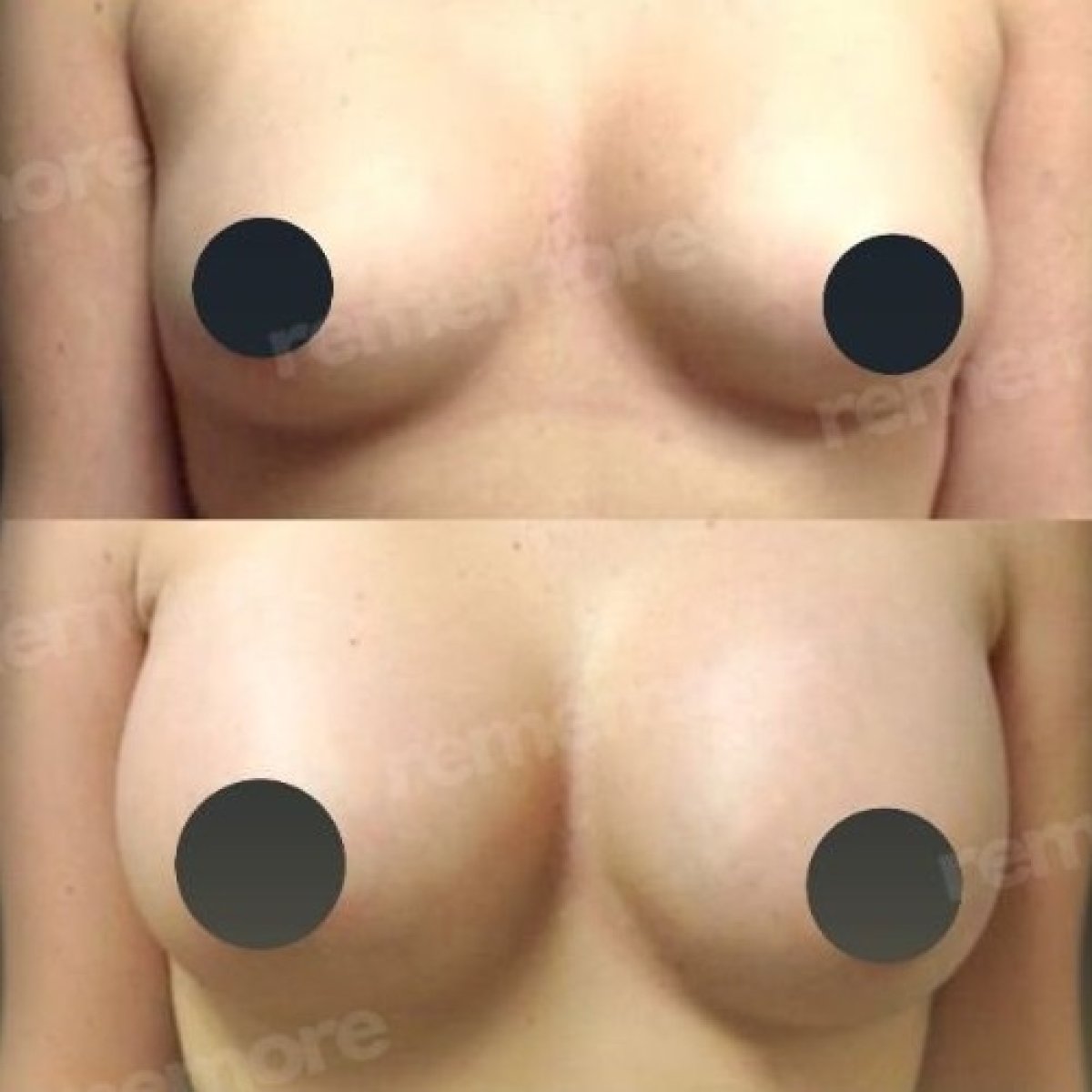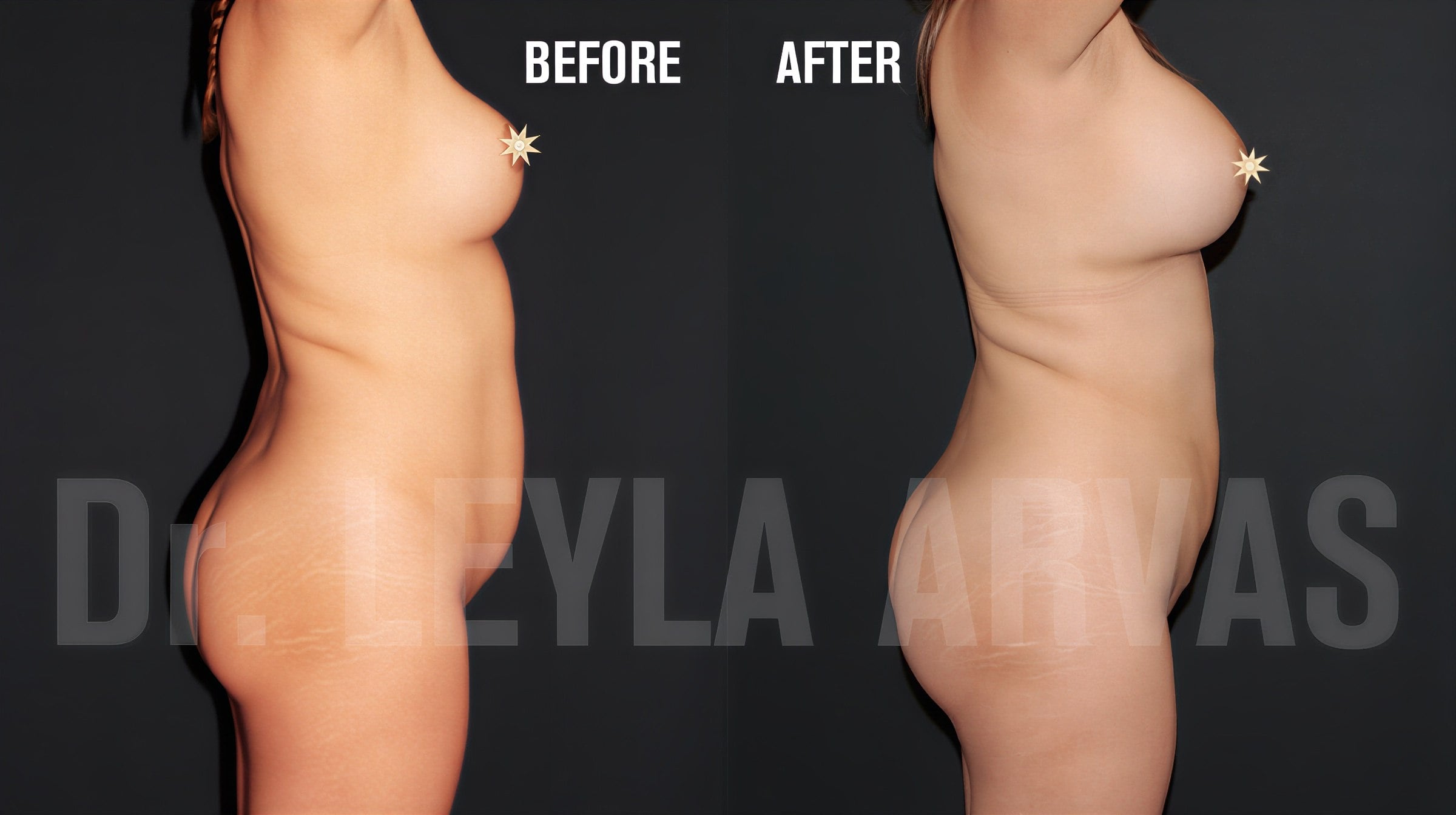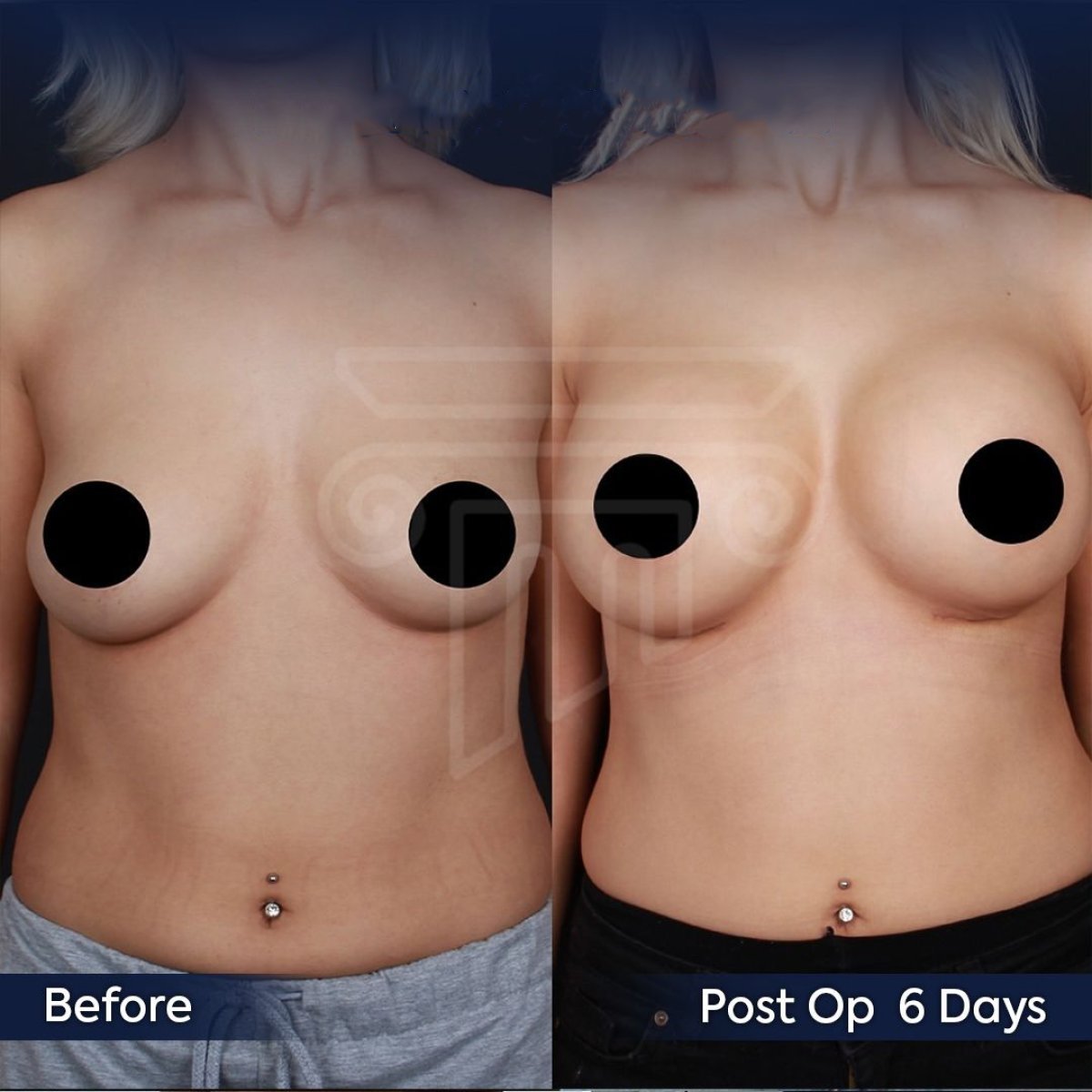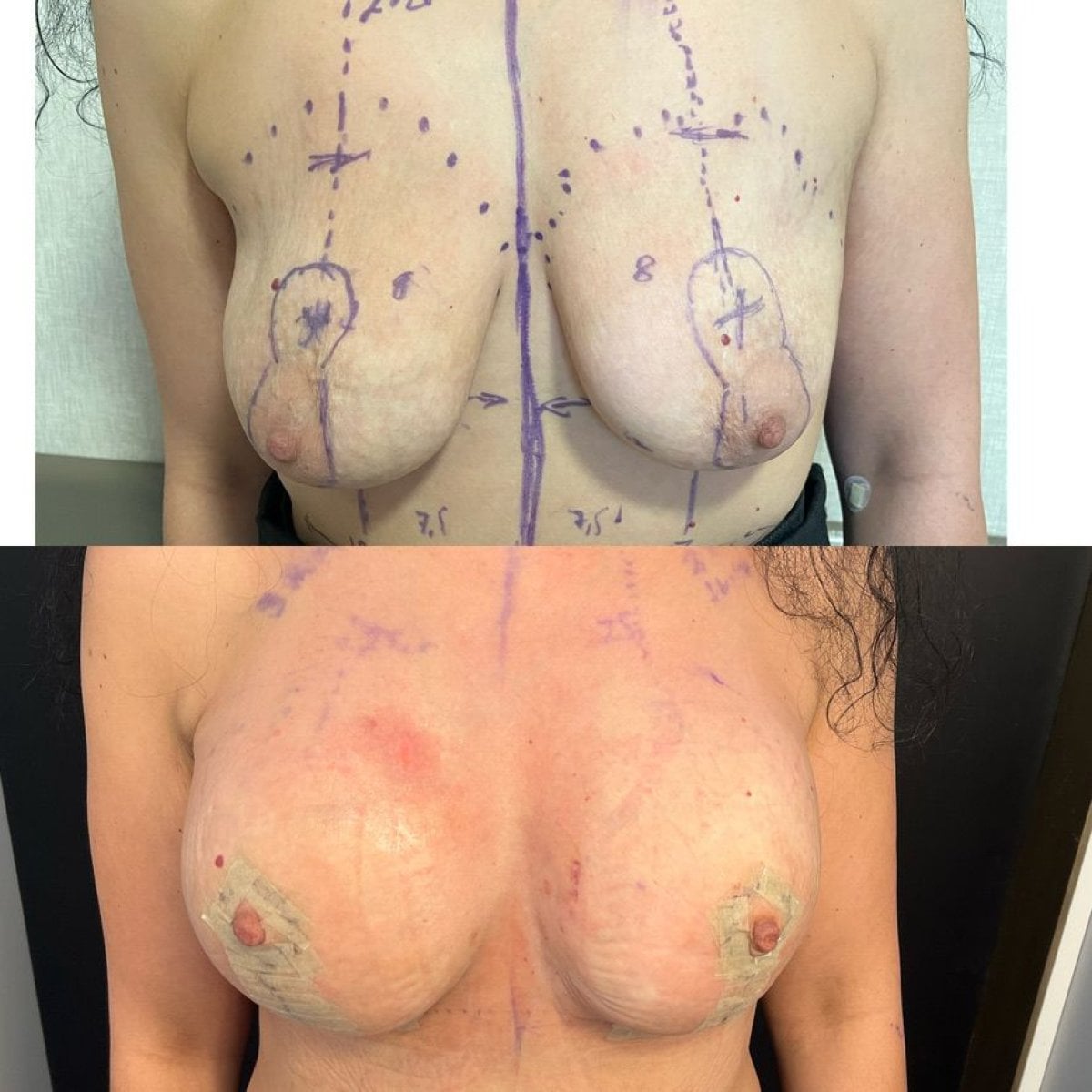

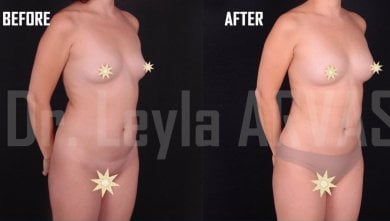
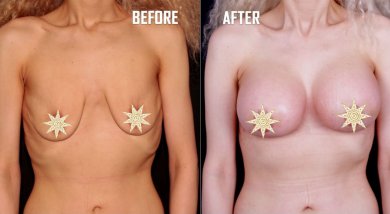
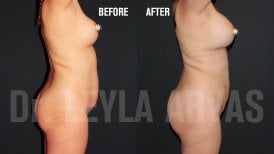
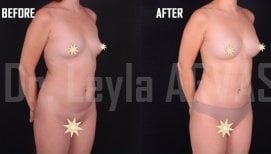
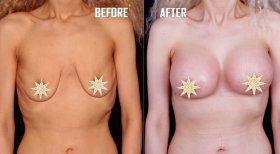
El costo del aumento de senos con transferencia de grasa en Turquía suele oscilar de $2,500 a $4,200. Los precios varían según la clínica, la experiencia del cirujano, la cantidad de grasa transferida y si la liposucción se realiza en una o varias zonas. En Estados Unidos, el costo promedio es de $13,800 (según la ASPS). Esto significa que el aumento de senos con transferencia de grasa en Turquía cuesta aproximadamente un 76% menos que en EE. UU.
Las clínicas turcas suelen incluir pruebas preoperatorias, anestesia general, liposucción de las zonas donantes, purificación de la grasa y transferencia a los senos. Los paquetes a menudo cubren tarifas hospitalarias, medicamentos y visitas de seguimiento. En EE. UU., el precio cotizado puede incluir solo los honorarios del cirujano, mientras que la anestesia, las instalaciones y el cuidado posterior se facturan por separado. Siempre confirmar exactamente qué está incluido con la clínica.
| Turquía | España | Estados Unidos | |
| Aumento de senos con transferencia de grasa | de $2,460 | de $3,735 | de $9,500 |
El Dr. Aydinol se especializa en la combinación de transferencia de grasa con implantes para un aumento de senos de aspecto natural. Su investigación se centra en enfoques innovadores para senos atrofiados.
La Dra. Aysel Pasazade es cirujana plástica, reconstructiva y estética. Se graduó en la Facultad de Medicina Cerrahpaşa de la Universidad de Estambul y se especializó en la Facultad de Medicina de la Universidad de Bursa Uludağ. Posee la certificación de la Junta Europea de Cirugía Plástica, Reconstructiva y Estética (EBOPRAS).
Ha trabajado en hospitales universitarios y clínicas privadas. Asiste a congresos internacionales, cursos de cirugía en vivo y formación avanzada, lo que mantiene su práctica actualizada. Brinda una atención cuidadosa y personalizada, enfocada en la seguridad del paciente, la función y resultados de aspecto natural.
El Dr. Hasan Sahin ha realizado más de 12.000 cirugías estéticas, especializándose en el aumento de senos con transferencia de grasa en el Hospital Hisar Intercontinental.
La Dra. Kadriye İpek Uzunoglu es una destacada cirujana plástica y estética especializada en rinoplastia de revisión en el Hospital Memorial Şişli.
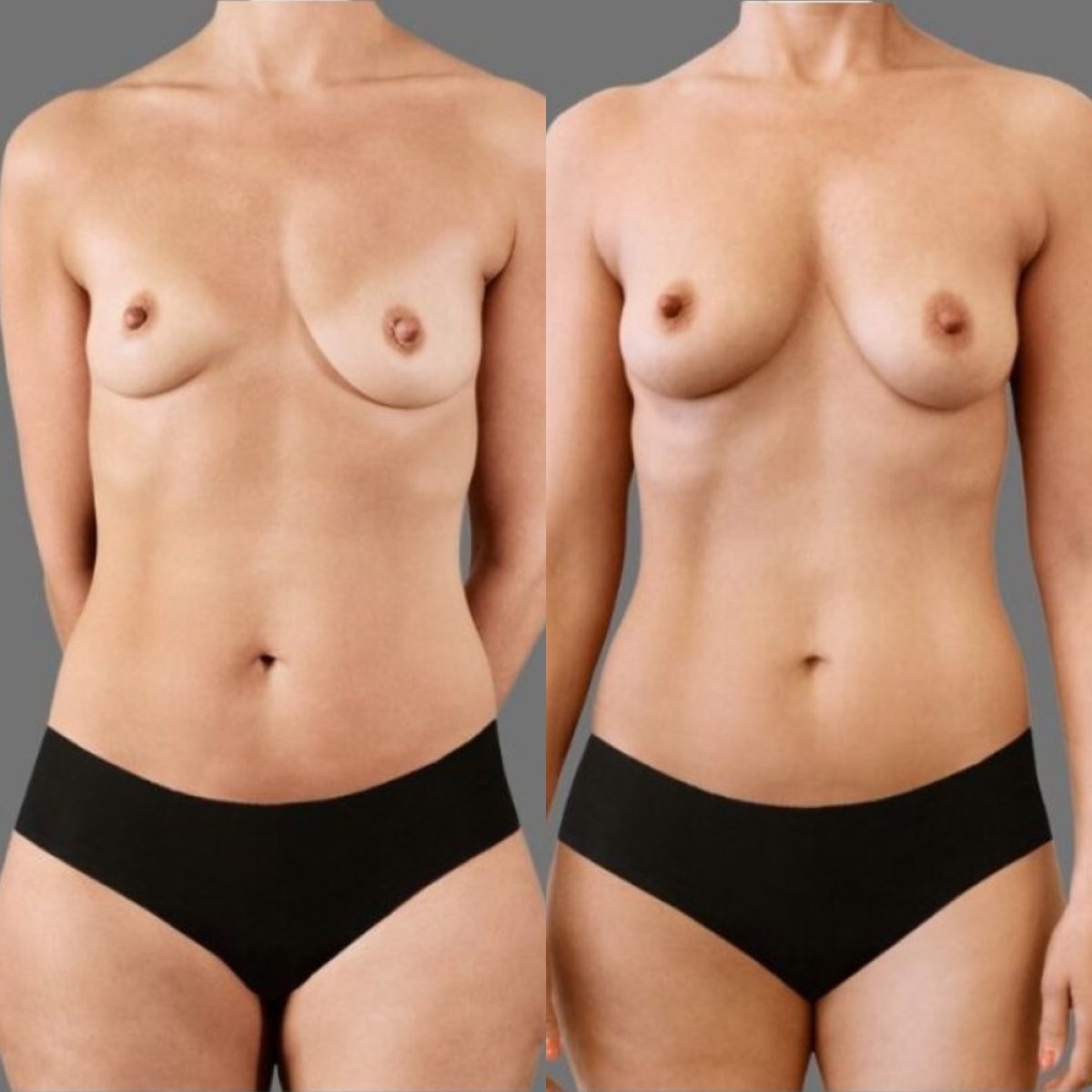
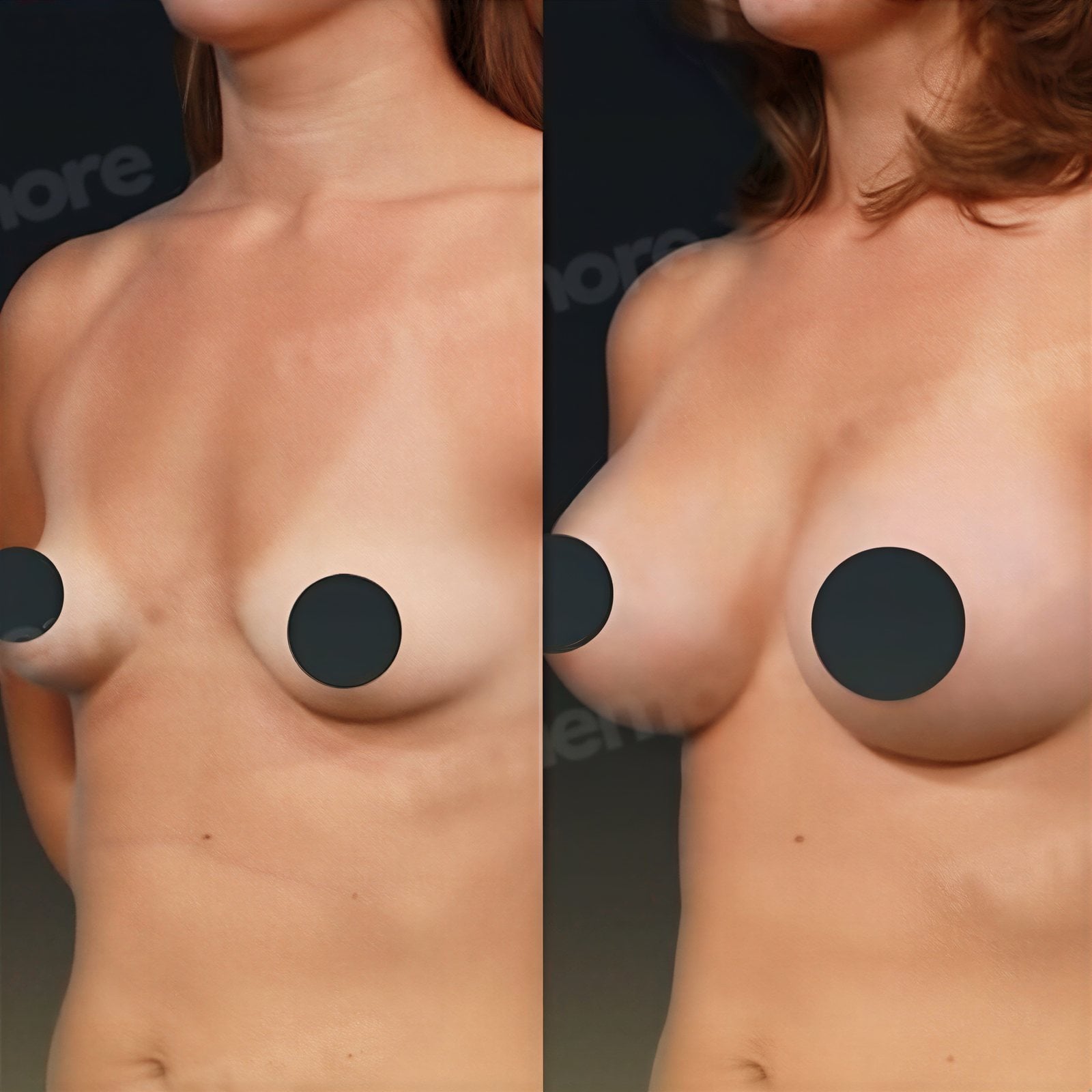
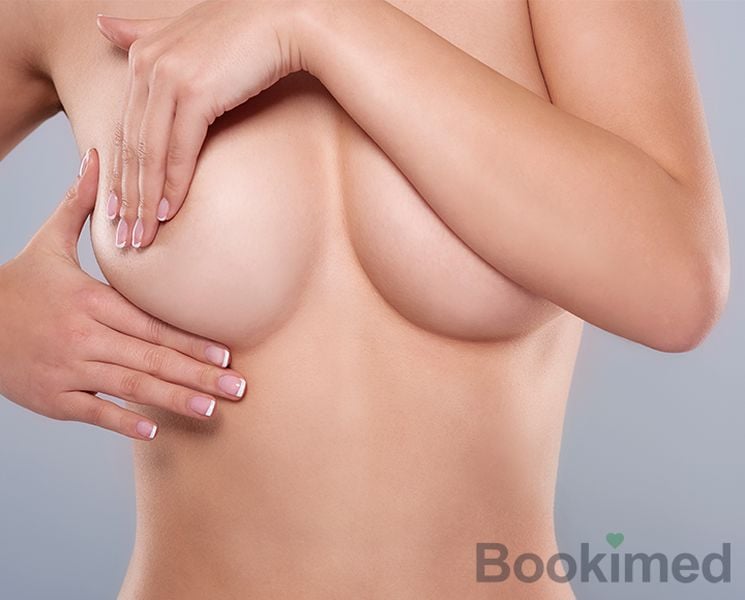
Este método de mejora de senos implica transferir grasa de otras áreas del cuerpo a los senos para aumentar el volumen.
Aesthetic outcomes are permanent once the transferred fat establishes a blood supply, typically within 6 months. However, only 50% to 80% of the injected fat usually survives long-term. Because these are living cells, they respond naturally to weight fluctuations, aging, and hormonal shifts throughout your life.
Bookimed Expert Insight: Data from clinics like Istanbul Aesthetic Plastic Surgery Center shows many patients choose VASER liposuction for harvesting. This technology helps preserve fat cell integrity during extraction. While the fat itself is permanent, patients seeking a specific size often find one session insufficient. Our records show those wanting significant volume often switch to implants for more predictable, high-volume results.
Patient Consensus: Patients value the natural look and dual benefit of liposuction but warn that initial swelling can be deceptive. Many suggest preparing for a slight decrease in volume during the first weeks as the body settles.
Surgeons typically harvest donor fat from the abdomen, thighs, or flanks during breast augmentation in Turkey. These areas provide high volumes of viable subcutaneous fat, which is extracted using gentle VASER or laser liposuction to ensure the highest possible graft survival rates.
Bookimed Expert Insight: Data from top Istanbul clinics shows that surgeons often harvest 2 to 3 times the fat actually needed for the breasts. Since approximately 30-50% of transferred fat naturally dissolves, extracting surplus volume from multiple sites like the abdomen and flanks simultaneously ensures a more reliable and symmetric final result.
Patient Consensus: Many patients appreciate the `natural` feel of fat transfer but emphasize that wearing compression garments on the donor sites for several weeks is vital for smooth healing.
Ideal candidates for breast augmentation with fat transfer are healthy non-smokers with a stable BMI between 20 and 28. This procedure suits individuals seeking a modest volume increase of 0.5 to 1.5 cup sizes or correction of minor breast asymmetry using their own harvested fat.
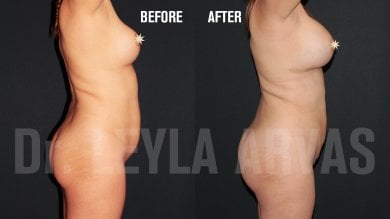
Bookimed Expert Insight: Data from high-volume Istanbul clinics shows that patients often combine fat transfer with Vaser liposculpture to maximize results. Surgeons like Dr. Leyla Arvas at Quartz Hospital use these advanced technologies to improve fat cell viability. If your goal is more than 1.5 cups, standard implants remain the more reliable choice for long-term projection.
Patient Consensus: Patients emphasize that while the initial swelling looks great, the final volume is much subtler. Those with very lean frames often require second sessions to achieve their desired symmetry.
Breast augmentation with fat transfer in Turkey carries primary risks of high fat resorption, where 30% to 70% of injected volume may disappear within months. Other significant medical concerns include fat necrosis, oil cysts, and potential infections from non-sterile processing during the liposuction and reinjection stages.
Bookimed Expert Insight: Bookimed data shows that patients often choose fat transfer to avoid implants, but many end up requesting implants later due to high resorption rates. Clinics like Quartz Hospital, led by certified Vaser trainer Dr. Leyla Arvas, utilize advanced VASER liposculpture to improve fat cell survival. Selecting a clinic with high-definition technology typically results in more predictable volume retention than budget centers using basic manual liposuction.
Patient Consensus: Many patients report being surprised by how quickly the initial post-surgical swelling subsides, leaving less volume than expected. While they appreciate the natural feel, those seeking significant size increases often wish they had chosen implants from the start.
The recommended recovery timeline for breast augmentation with fat transfer in Turkey requires staying 5 to 10 days before flying. Patients typically spend 1 to 2 nights in the hospital, followed by 3 to 6 months of healing for the transplanted fat to stabilize and reveal final results.
Bookimed Expert Insight: While many clinics offer a 5-day stay, our data shows that patients who delay their flight until day 10 report significantly better comfort. The 30–50% natural fat absorption often requires an overfill strategy, so choosing experienced surgeons like Dr. Hasan Sahin, who has performed over 12,000 procedures, ensures predictable long-term volume.
Patient Consensus: Patients emphasize that intense soreness and immobility peak during the first 3 days. Many recommend planning for a 40% reduction in initial size as swelling subsides and fat integrates.