Implantes de pantorrilla en Corea del Sur — obtén 3 clínicas con costos


Revisado médicamente por
Fahad Mawlood
¿Cuál es el precio de Implantes de pantorrilla en Corea del Sur? Descubra ahora
Los implantes de pantorrilla en la República de Corea suelen costar desde $4,200 hasta $6,500. El precio final depende de la elección entre implantes de silicona o injerto de grasa y la ubicación de la clínica. Los pacientes ahorran alrededor de un 30% en comparación con los EE. UU., donde el procedimiento cuesta $6,000 en promedio. La mayoría de las clínicas surcoreanas incluyen los honorarios del cirujano, la anestesia y los cargos de las instalaciones en el precio base.
- Principales centros médicos: Los grupos de clínicas en Seúl, específicamente en Gangnam, son los destinos principales para la cirugía.
- Aumento con injerto de grasa: Utiliza grasa donante extraída para lograr un aspecto natural en lugar de implantes de silicona.
- Reducción de pantorrilla híbrida: Combina múltiples metodologías para el músculo y la grasa con el fin de remodelar la parte inferior de la pierna.
- Liposucción de pantorrilla: Se concentra en eliminar los depósitos de grasa localizados para adelgazar y definir el área de la pantorrilla.
Perspectiva del experto de Bookimed: Elegir una clínica en Seúl ofrece acceso a experiencia reconocida a nivel mundial y tecnología avanzada. Las instalaciones de primer nivel, como el Hospital Universitario Nacional de Seúl Bundang (SNUBH), están clasificadas por Newsweek y cuentan con acreditación de la JCI. Cirujanos como el Dr. Seung-hyung Noh, con formación en la Universidad de Columbia, priorizan la intervención mínima. Este enfoque en la precisión a menudo conduce a un mejor valor al reducir la necesidad de futuras revisiones.
| Corea del Sur | España | Estados Unidos | |
|---|---|---|---|
| Implantes de pantorrilla | ≈ $4,200 | de $4,000 | de $6,000 |
| Implantes de pantorrillas para hombres | ≈ $3,800 | ≈ $4,300 | ≈ $6,500 |
| Implante de pantorrilla para pie zambo | ≈ $3,800 | ≈ $3,600 | ≈ $6,000 |
| Aumento de pantorrillas delgadas con implantes | ≈ $4,500 | ≈ $4,800 | ≈ $6,500 |
Sus beneficios y garantías con Bookimed
Precios directos
Bookimed no añade cargos adicionales a los precios de Implantes de pantorrilla. Las tarifas proceden de las listas de precios oficiales de las clínicas. Pagará directamente en la clínica por su Implantes de pantorrilla a su llegada al país.
Sólo clínicas y médicos verificados
Bookimed está comprometido con su seguridad. Solo trabajamos con las clínicas que mantienen altos estándares internacionales en Implantes de pantorrilla y tienen las licencias necesarias para atender a pacientes internacionales en todo el mundo.
Asistencia 24/7 gratuita
Bookimed ofrece asistencia experta gratuita. Un coordinador médico personal le apoya antes, durante y después del tratamiento, resolviendo cualquier problema. Nunca estará solo en su viaje médico de Implantes de pantorrilla.

Su coordinador médico personal de Bookimed
- Le apoya en cada etapa
- Ayuda a elegir la clínica y el médico adecuados
- Asegura un acceso rápido y conveniente a la información
Descubra las mejores clínicas de Implantes de pantorrilla en Corea del Sur: 3 opciones verificadas y Precios
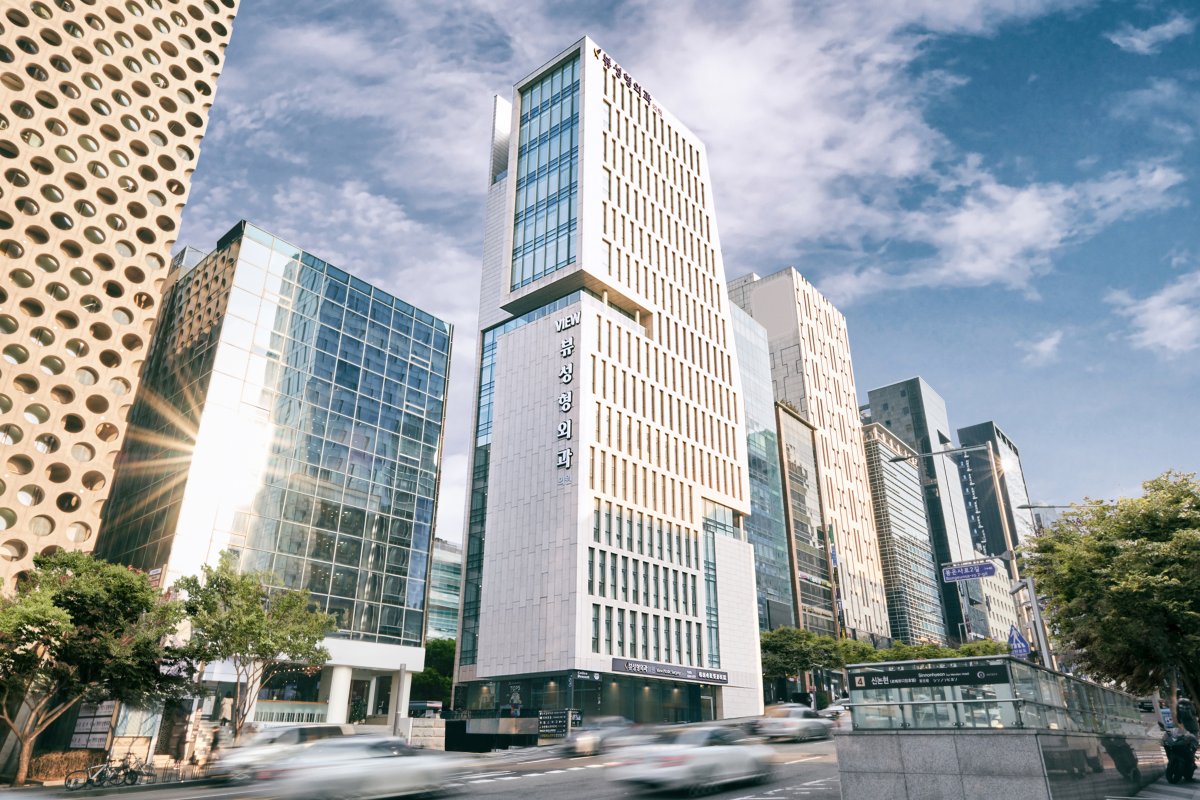







Banobagi Clinic
Descripción general de Implantes de pantorrilla en Corea del Sur
- Implantes de pantorrilla - de $4,200La operación mejora la forma de la parte inferior de la pierna, utiliza implantes de silicona, equilibra las dimensiones de la pierna y aumenta la confianza en la imagen corporal.
- Implantes de pantorrillas para hombres - de $3,800La operación mejora el contorno de las piernas, requiere la inserción de implantes de silicona y aumenta la confianza en sí mismos en los hombres.
- Aumento de pantorrillas delgadas con implantes - de $4,500El procedimiento mejora el contorno de la pierna mediante la inserción de implantes, lo que ofrece una mejora cosmética para las pantorrillas delgadas y subdesarrolladas.
- Implante de pantorrilla para pie zambo - de $3,800Una cirugía que inserta un dispositivo en el músculo de la pantorrilla, fortaleciéndolo para corregir la deformidad congénita del pie.
Día 1
- Llegada y traslado al hotel desde el aeropuerto.
- Descansar y aclimatarse al nuevo entorno.
Dia 2
- Traslado del hotel a la clínica.
- Consulta con el cirujano plástico.
- Someterse a las pruebas médicas necesarias.
Día 3
- Preparación para la cirugía.
- Sométete a una cirugía de implante de pantorrilla bajo anestesia general.
- La cirugía dura aproximadamente de 1 a 2 horas.
Día 4
- Primer día de recuperación postoperatoria en la clínica.
- Iniciar fisioterapia suave si así lo recomienda el cirujano.
Día 5 a Semana 1
- Traslado de la clínica al hotel para una recuperación prolongada.
- Siga las instrucciones de cuidado postoperatorio del cirujano.
- Revisiones periódicas en la clínica.
Semana 2
- Continúe descansando y recuperándose.
- Aumente gradualmente la actividad física según lo aconseje el cirujano.
Semana 3 a Semana 4
- Regrese al trabajo si no implica actividad física intensa.
- Continúe con los controles regulares en la clínica.
Semana 5 a Semana 8
- Puede regresar a actividades y deportes más extenuantes.
- Continúe usando prendas de compresión si así lo aconseja el cirujano.
Semana 12
- Se esperaba ver el resultado final de los implantes de pantorrilla.
Tenga en cuenta que esta es una guía general y que los tiempos de recuperación individuales pueden variar.
- Depósito de Bookimed: 200 $ o 200 €.
- Depósito de la clínica: Pague un porcentaje fijo por adelantado.
Bookimed, una plataforma líder mundial en turismo médico, se compromete a ayudar a los clientes que buscan implantes de pantorrilla en la República de Corea ofreciéndoles asistencia experta y soluciones médicas confiables para cada situación. Se utiliza un sistema de clasificación automático inteligente para elaborar listas de clínicas transparentes, mantenidas meticulosamente por un científico de datos que utiliza IA para mayor precisión. La plataforma garantiza la autenticidad al publicar reseñas de pacientes reales después de sus tratamientos. Bookimed ofrece soluciones médicas integrales, con actualizaciones de las clínicas para garantizar la confiabilidad. El contenido sobre implantes de pantorrilla en la República de Corea, elaborado por autores médicos experimentados y revisado por especialistas, cumple con las pautas editoriales de Bookimed , lo que refleja el compromiso de la plataforma de brindar información de salud clara y de alta calidad. Para obtener más detalles o consultas, no dude en contactarnos en marketing@bookimed.com o obtenga más información sobre nosotros y nuestra misión Acerca de Bookimed .
Historias en video de pacientes de Bookimed
Reseñas
Todas las reseñas






Compartir contenido
 Olena Sikoza
Preguntas frecuentes sobre Implantes de pantorrilla en Corea del Sur
¿Cuáles son los riesgos de la cirugía de implantes de pantorrilla?
La cirugía de implantes de pantorrilla es generalmente segura, pero conlleva riesgos como el desplazamiento del implante, la contractura capsular y la infección. Los pacientes también pueden experimentar daños nerviosos temporales o permanentes, lo que provoca entumecimiento. En casos raros, ocurre el síndrome compartimental, que requiere intervención médica inmediata para restaurar el flujo sanguíneo a las piernas.
- Asimetría y desplazamiento: Los implantes de silicona pueden moverse, causando una apariencia desigual de las piernas o contornos irregulares.
- Cambios en la sensibilidad: El daño nervioso puede causar entumecimiento permanente, hormigueo o ardor en los pies.
- Bordes visibles del implante: Los pacientes delgados a menudo notan los contornos visibles del implante, especialmente durante la flexión muscular.
- Contractura capsular: El tejido cicatricial puede endurecerse alrededor de los implantes, lo que resulta en dolor o firmeza antinatural.
Perspectiva de expertos de Bookimed: Mientras que la mayoría de las clínicas se centran en la cirugía, los principales centros coreanos como el Hospital Bundang de la Universidad Nacional de Seúl utilizan sistemas digitales BESTcare para minimizar los errores. El alto volumen de casos de revisión en Corea del Sur significa que cirujanos como el Dr. Seung-hyung Noh a menudo se especializan en
¿Cuánto tiempo dura la recuperación después de los implantes de pantorrilla?
La recuperación después de una cirugía de implantes de pantorrilla en la República de Corea suele durar de 4 a 6 semanas para las actividades diarias básicas. La mayoría de los pacientes regresan a trabajos no extenuantes en un plazo de 2 semanas, mientras que el esfuerzo físico completo y los ejercicios intensos de piernas requieren de 3 a 6 meses para una curación total.
- Movilidad inicial: Los pacientes a menudo caminan con una marcha rígida durante la primera semana después de la cirugía.
- Transición laboral: Los trabajos de oficina son manejables después de 14 días, una vez que disminuye la rigidez muscular extrema.
- Terapia de compresión: El uso de prendas de grado médico durante 2 a 6 semanas ayuda a estabilizar los implantes.
- Restricciones de ejercicio: Correr y levantar pesas están prohibidos durante 2 meses para evitar el desplazamiento de los implantes.
Perspectiva del experto de Bookimed: Las clínicas coreanas como Banobagi a menudo reportan tiempos de caminata inicial más rápidos, de 3 semanas. Sin embargo, los pacientes internacionales deben planificar un margen de recuperación más largo de 4 semanas. Los datos de más de 1,200 solicitudes médicas coreanas muestran que la fatiga del viaje puede prolongar la hinchazón en comparación con los pacientes locales.
Consenso de los pacientes: Espere que el dolo
¿Cuándo veré los resultados finales de los implantes de pantorrilla?
Los resultados finales de los implantes de pantorrilla en la República de Corea suelen aparecer entre 3 y 6 meses después de la cirugía. Aunque los cambios iniciales en el contorno son visibles de inmediato, la inflamación residual y la maduración del tejido continúan hasta por 12 meses antes de que los implantes alcancen su posición permanente y estable.
- Curación inicial: La mayoría de los pacientes vuelven a caminar suavemente y a realizar trabajos de oficina en un plazo de 7 a 14 días.
- Reanudación de la actividad: Los ejercicios intensos de piernas suelen estar restringidos hasta las 6–8 semanas para evitar desplazamientos.
- Asentamiento del implante: Los dispositivos pueden descender de 1 a 2 cm durante 4 a 9 meses a medida que la fascia muscular se relaja.
- Maduración de la cicatriz: Las líneas de incisión en el pliegue poplíteo suelen desvanecerse y aplanarse hacia el mes 12.
Perspectiva del experto de Bookimed: Los datos de las mejores clínicas de Seúl, como Banobagi, muestran una preferencia por la colocación subfascial para minimizar el trauma. Cirujanos como el Dr. Seung-hyung Noh del Seoul Miz Hospital priorizan el equilibrio natural sobre el volumen extremo. Este enfoque a menudo resulta en una recuperación inicial más rápida en comparación con las técnicas submusculares utilizadas en otros lugares. Los pacientes deben esperar
¿Dónde se colocan las incisiones para los implantes de pantorrilla?
Los cirujanos colocan las incisiones para los implantes de pantorrilla dentro del pliegue horizontal natural detrás de la rodilla, conocido como fosa poplítea. Este posicionamiento estratégico asegura que las cicatrices permanezcan ocultas dentro del pliegue de la piel. La mayoría de los procedimientos implican una o dos incisiones de 3 a 6 cm para acceder a los bolsillos subfasciales o submusculares.
- Colocación estándar: Las incisiones se sitúan directamente en el pliegue posterior de la rodilla para un camuflaje máximo.
- Enfoque quirúrgico: Las clínicas coreanas favorecen el enfoque posterior para lograr un contorno de pierna natural.
- Enfoque muscular: Las incisiones únicas se dirigen a una cabeza muscular; dos incisiones aumentan ambos lados de la pantorrilla.
- Protección nerviosa: La colocación precisa evita cruzar la línea media para proteger el sensible nervio sural.
Perspectiva del experto de Bookimed: Aunque muchos países ofrecen varios puntos de entrada, los centros de Seúl como la Clínica Banobagi se centran en la precisión estética de alto volumen. Los datos muestran que los cirujanos coreanos priorizan el bolsillo subfascial a través del pliegue poplíteo. Esta técnica específica minimiza el trauma muscular en comparación con las colocaciones submusculares más profundas utilizadas en otros lugares. Este enfoque a menudo resulta
¿Qué tipo de anestesia se utiliza para la cirugía de implantes de pantorrilla?
La cirugía de implantes de pantorrilla en Corea del Sur se realiza principalmente bajo anestesia general. Esto garantiza una inmovilidad total mientras los pacientes están boca abajo durante el procedimiento. Los cirujanos también ofrecen opciones regionales como anestesia espinal o epidural para adormecer la parte inferior del cuerpo en casos específicos.
- Anestesia general: La opción estándar para implantes bilaterales para garantizar la comodidad del paciente y la simetría.
- Sedación intravenosa: A veces llamada sueño crepuscular, a menudo combinada con anestesia local para ajustes menores.
- Anestesia regional: Incluye bloqueos espinales o epidurales que lo mantienen despierto pero completamente adormecido.
- Manejo del dolor: Los cirujanos pueden usar anestésicos locales de acción prolongada como la ropivacaína para reducir las molestias postoperatorias.
Perspectiva de expertos de Bookimed: Las clínicas líderes de Seúl, como la Clínica Banobagi, priorizan la anestesia general porque la creación de bolsillos intramusculares profundos requiere una precisión absoluta. Si bien la anestesia espinal permite una movilidad inmediata más rápida, la anestesia general sigue siendo el estándar de oro para un equilibrio estético complejo. Los cirujanos con formación en la Universidad de Hanyang a menudo recomiendan esto para garantizar los resultados
¿Cuánto tiempo deben permanecer los pacientes internacionales en Corea después de una cirugía de implantes de pantorrilla?
Los pacientes internacionales deben permanecer en la República de Corea durante 10 a 14 días después de una cirugía de implantes de pantorrilla. Esta duración permite la retirada esencial de puntos el día 7, el control del edema máximo y una autorización final de un cirujano certificado antes de realizar vuelos de larga distancia.
- Estancia hospitalaria: La mayoría de los procedimientos requieren 1 noche de monitoreo hospitalario por seguridad.
- Retirada de puntos: Los cirujanos suelen retirar los puntos entre el día 7 y el día 10.
- Pico de recuperación: La hinchazón postoperatoria suele alcanzar su punto máximo entre el día 5 y el día 10.
- Seguridad en el vuelo: Viajar en avión antes del día 10 aumenta el riesgo de trombosis venosa profunda.
Perspectiva de expertos de Bookimed: Aunque muchas clínicas sugieren un mínimo de 7 días, nuestros datos muestran un cambio hacia estancias de 10 días. Clínicas como Banobagi en Seúl atienden a 2,000 pacientes de cirugía plástica al año. Su experiencia sugiere que estancias más largas previenen complicaciones por la presión de la cabina durante los vuelos de regreso a casa.
Consenso de los pacientes: Muchos pacientes encuentran doloroso caminar hasta el día 11 y recomiendan alojarse en la zona de Gangnam. Sugieren reservar fechas de hotel flexibles para adaptarse a una movilidad
¿Cuál es la diferencia entre los implantes de pantorrilla y la reducción de pantorrilla?
Los implantes de pantorrilla utilizan inserciones de silicona para añadir volumen similar al músculo a las piernas delgadas, mientras que la reducción de pantorrilla adelgaza las piernas voluminosas eliminando grasa o reduciendo el tejido muscular. Los cirujanos de la República de Corea realizan estos procedimientos a través de pequeñas incisiones detrás de la rodilla para lograr una complexión atlética y musculosa o una silueta esbelta y cónica.
- Objetivo principal: Los implantes aumentan la definición muscular; la reducción crea un perfil de pierna más delgado y estilizado.
- Métodos quirúrgicos: El aumento utiliza silicona sólida; la reducción emplea liposucción, ablación nerviosa o resección muscular.
- Perfiles de candidatos: Los implantes se adaptan a personas con atrofia muscular; la reducción se dirige a pantorrillas genéticamente grandes o voluminosas.
- Longevidad de los resultados: Los implantes de silicona son permanentes; la reducción quirúrgica es permanente; la reducción con Botox dura de 4 a 6 meses.
Perspectiva del experto de Bookimed: Aunque muchos pacientes a nivel mundial buscan implantes de pantorrilla, las clínicas de la República de Corea como Banobagi se especializan mucho en la reducción debido a las tendencias estéticas locales. Nuestros datos muestran una alta satisfacción con la reducción por radiofrecuencia no quir