Dentaduras completas de dióxido de zirconio monolítico sobre 6 implantes de titanio en Corea del Sur — obtén 3 clínicas con costos


Revisado médicamente por
Fahad Mawlood
¿Cuál es el precio de Dentaduras completas de dióxido de zirconio monolítico sobre 6 implantes de titanio en Corea del Sur? Descubra ahora
| Corea del Sur | España | Estados Unidos | |
|---|---|---|---|
| Dentaduras completas de dióxido de zirconio monolítico sobre 6 implantes de titanio | de $6,600 | ≈ $9,500 | ≈ $18,000 |
Sus beneficios y garantías con Bookimed
Precios directos
Bookimed no añade cargos adicionales a los precios de Dentaduras completas de dióxido de zirconio monolítico sobre 6 implantes de titanio. Las tarifas proceden de las listas de precios oficiales de las clínicas. Pagará directamente en la clínica por su Dentaduras completas de dióxido de zirconio monolítico sobre 6 implantes de titanio a su llegada al país.
Sólo clínicas y médicos verificados
Bookimed está comprometido con su seguridad. Solo trabajamos con las clínicas que mantienen altos estándares internacionales en Dentaduras completas de dióxido de zirconio monolítico sobre 6 implantes de titanio y tienen las licencias necesarias para atender a pacientes internacionales en todo el mundo.
Asistencia 24/7 gratuita
Bookimed ofrece asistencia experta gratuita. Un coordinador médico personal le apoya antes, durante y después del tratamiento, resolviendo cualquier problema. Nunca estará solo en su viaje médico de Dentaduras completas de dióxido de zirconio monolítico sobre 6 implantes de titanio.

Su coordinador médico personal de Bookimed
- Le apoya en cada etapa
- Ayuda a elegir la clínica y el médico adecuados
- Asegura un acceso rápido y conveniente a la información
Descubra las mejores clínicas de Dentaduras completas de dióxido de zirconio monolítico sobre 6 implantes de titanio en Corea del Sur: 4 opciones verificadas y Precios


Descripción general de Dentaduras completas de dióxido de zirconio monolítico sobre 6 implantes de titanio en Corea del Sur
- Dentadura - de $1,200Esta terapia implica el uso de reemplazos removibles para los dientes faltantes, mejorando las habilidades del habla y la masticación.
- Instalación de una prótesis dental completa - de $1,500Esta terapia reemplaza todos los dientes originales, mejorando la capacidad de masticar, el habla y la confianza mediante la colocación de prótesis hechas a medida.
- Colocación de una prótesis inmediata - de $900El procedimiento consiste en colocar un juego de dientes de reemplazo justo después de la extracción, lo que reduce el tiempo de curación y preserva la apariencia.
- Esta terapia utiliza dos implantes para sostener una dentadura postiza completa, brindando estabilidad y una apariencia similar a la de un diente natural.
- Esta terapia ofrece una restauración fija de arcada completa con cuatro implantes dentales, lo que mejora la función y la estética de la boca.
- Esta terapia reemplaza todos los dientes con seis implantes, ofreciendo una solución inmediata y permanente para los dientes faltantes.
- Prótesis sobre 4 implantes por CAD/CAM - de $9,500El procedimiento implica la inserción de cuatro implantes, que sostienen las dentaduras postizas con una barra de titanio diseñada digitalmente para mejorar la estabilidad y la función.
- Dentaduras completas de dióxido de zirconio monolítico sobre 6 implantes de titanio - de $6,600Este procedimiento utiliza seis implantes de titanio para asegurar las dentaduras postizas completas, lo que aumenta la durabilidad y la estabilidad de la mordida.
Día 1
- Llegue a la clínica para la consulta inicial.
- Reunirse con el cirujano dental para un examen.
- Ir a través de la historia dental y médica.
- Hágase una tomografía computarizada para la colocación precisa del implante.
Día 2 - Preoperatorio
- Reunirse con anestesiólogo para evaluación.
- Someterse a análisis de sangre de rutina si es necesario.
- Discuta el procedimiento, los riesgos y los beneficios con el médico.
Día 3 - Cirugía
- Llegar en ayunas para el procedimiento.
- Recibir sedación intravenosa o anestesia general.
- Someterse a la colocación quirúrgica de 6 implantes de titanio.
- Se colocan prótesis provisionales inmediatas.
Día 4 - Postoperatorio
- Permanezca en la clínica para seguimiento.
- Recibir instrucciones de cuidados postoperatorios.
- Comience con los medicamentos recetados para el dolor y la hinchazón.
Semana 1 - 6
- Seguimientos periódicos para retirada de suturas y control de cicatrización.
- Se recomienda dieta blanda durante las primeras semanas.
- Continuar con la rutina de higiene bucal.
Mes 2 - 4
- Comience la rehabilitación con la introducción gradual de alimentos duros.
- Reciba prótesis dentales de arcada completa definitivas en zirconio monolítico.
- Ajustes hechos para un ajuste perfecto y comodidad.
Mes 5
- Vuelta a las actividades normales y la dieta.
- Visitas regulares al dentista para mantener la salud de los implantes.
Mes 6
- Vea el resultado final del procedimiento de implante dental.
- Disfruta de una sonrisa renovada con total funcionalidad.
Tenga en cuenta que el tiempo de recuperación y la experiencia de cada paciente pueden variar.
- Depósito de Bookimed: 200 $ o 200 €.
- Depósito de la clínica: Pague un porcentaje fijo por adelantado.
Obtenga una evaluación médica para Dentaduras completas de dióxido de zirconio monolítico sobre 6 implantes de titanio en Corea del Sur: Elija su especialista entre los mejores en el campo
Ver todos los médicos
Kim Geun-il
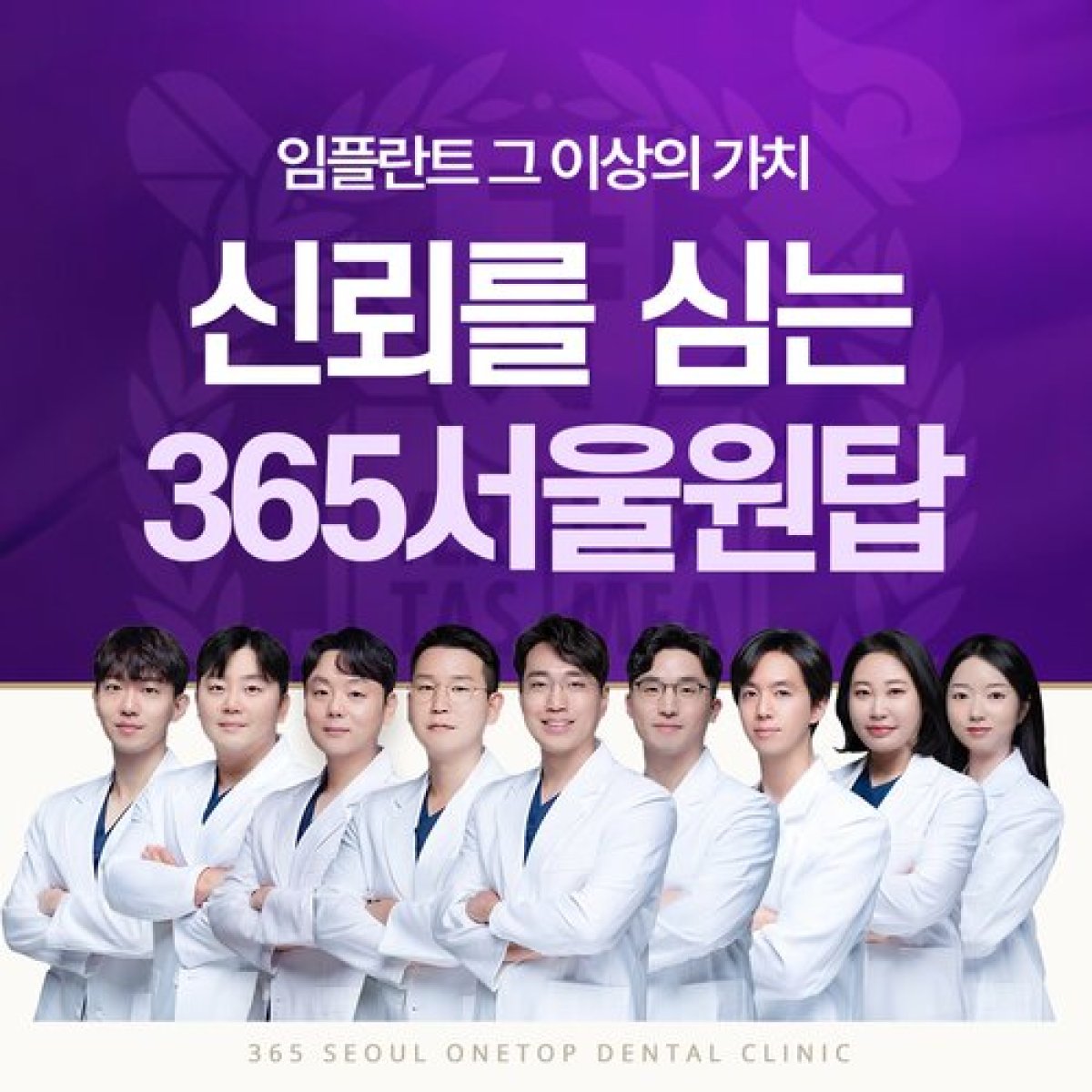
El Dr. Kim Geun-il es un especialista en implantes certificado por el Ministerio y miembro de ITI, formado en la Universidad Nacional de Seúl, la mejor escuela de odontología de Corea.
- Especializado en restauraciones completas de circonio sobre 6 implantes de titanio
- Director de la clínica de implantes en 365SeoulOneTop365 Dental Clinic
- Certificado por Osstem y MegaGen en técnicas avanzadas de implantología
- Miembro de varias sociedades dentales coreanas de prestigio
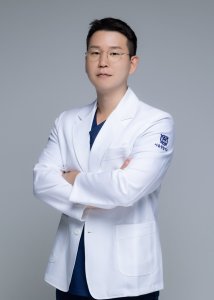
Kwon Jae-won
El Dr. Kwon Jae-won se especializa en implantes dentales de arcada completa, combinando diagnósticos precisos con planes de tratamiento personalizados en la clínica dental 365SeoulOneTop365.
- Graduado con honores de la Facultad de Odontología de la Universidad Nacional de Seúl
- Especialista en Implantología certificado por el Ministerio de Salud y Bienestar
- Especialista en Odontología Integrada, garantizando una atención integral
- Certificaciones de formación clínica de Osstem y MegaGen Implant
- Miembro activo de varias asociaciones dentales prestigiosas
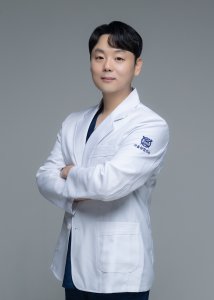
Lim Gi-hyeon
Especialista certificado en cirugía oral y maxilofacial – El Dr. Lim combina la implantología de precisión con experiencia en reconstrucción para restauraciones de arco completo.
- Formado en el Hospital Dental de la Universidad de Yonsei – una de las principales instituciones dentales de Corea
- Miembro del Comité Asesor Clínico de Osstem Implant – influye en los estándares de la industria
- Miembro del ITI Implant Study Club – al día con las mejores prácticas globales
- Practicante visitante en un hospital afiliado a la Facultad de Medicina de Harvard – formación internacional

Chae Min Jong
Historias en video de pacientes de Bookimed
Reseñas
Todas las reseñasCompartir contenido
 Olena Sikoza
Preguntas frecuentes sobre Dentaduras completas de dióxido de zirconio monolítico sobre 6 implantes de titanio en Corea del Sur
¿Por qué se prefiere la zirconia monolítica al acrílico tradicional para la fabricación de una prótesis dental definitiva de mandíbula completa?
La zirconia monolítica es el estándar de oro para restauraciones de arcada completa, ya que ofrece una resistencia a la flexión de 9 a 12 veces mayor que el acrílico tradicional. Esta cerámica biocompatible es resistente a las grietas, las manchas y el crecimiento bacteriano, lo que proporciona una solución duradera que suele durar más de 15 años en 6 implantes de titanio.
- Resistencia excepcional: su resistencia a la flexión de 900-1200 MPa evita el problema común de astillamiento asociado con el acrílico.
- Excelente higiene: las superficies no porosas evitan la acumulación de placa, los olores y las manchas de café o vino.
- Mecanizado de alta precisión: el fresado CAD/CAM garantiza un ajuste perfecto, evitando la deformación del polímero.
- Estética natural: su translucidez realista imita el esmalte y mantiene su brillo durante décadas sin desvanecerse.
Opinión de expertos de Bookimed: Si bien el costo inicial de las prótesis dentales de zirconia es mayor, clínicas como DARUN Dental Clinic en Seúl utilizan tecnología CAD/CAM propia para minimizar los ajustes. Elegir especialistas coreanos suele brindar acceso a centros de fresado propios, donde prostodoncistas certificados en EE. UU. supervisan el proceso de sinterización de la cerámica. Esta integración vertical garantiza una alineación oclusal perfecta desde el primer intento, lo cual es c
¿Cuántos viajes a Corea deberías hacer y qué incluye cada viaje?
En Corea del Sur, los implantes dentales de arcada completa suelen requerir tres visitas separadas en un período de cinco a seis meses. La mayoría de los pacientes se someten a la cirugía inicial durante la primera visita, 14 días después, seguida de estancias más cortas para comprobar la osteointegración y la colocación final de las prótesis dentales monolíticas de circonio.
- Primera visita: La cirugía inicial y la colocación del implante requieren una estancia hospitalaria de 7 a 14 días.
- Segunda visita: se realiza entre 3 y 4 meses después para comprobar la estabilidad y preparar la corona.
- Examen final: Generalmente entre 5 y 6 meses después de la cirugía para la colocación de prótesis permanentes de circonio.
- Duración total: Los pacientes pasan entre 13 y 26 días en el país en total, incluyendo todas las visitas.
Opinión de expertos de Bookimed: Si bien muchas clínicas afirman requerir tres visitas, busque proveedores como la Clínica Dental DARUN en Seúl. Utilizan técnicas protésicas especializadas para reducir el tiempo de tratamiento. Algunos centros coreanos líderes pueden reducir el proceso a dos visitas, proporcionando prótesis dentales temporales durante la primera.
Opinión de los pacientes: Es mejor planificar una hospitalización prolongada de 14 días que una estancia apresurada de 5 días. Este tiempo ad
¿Qué clínicas de alta calidad en Seúl son conocidas por su terapia de prótesis fijas de zirconio completo?
Clínicas de Seúl como DARUN Dental Clinic, S-plant Dental Hospital y Sinchon Dain Dental Hospital son líderes en restauraciones de arcada completa con zirconio. Estas clínicas utilizan zirconio monolítico y tecnología CAD/CAM para lograr resultados duraderos y estéticamente atractivos. Muchas de ellas cuentan con especialistas certificados en EE. UU. y emplean tecnología patentada de modelado quirúrgico 3D para la colocación precisa de seis implantes.
- Clínica Dental DARUN: La clínica emplea ÚNICAMENTE a prostodoncistas certificados en EE. UU. que utilizan sus propios métodos de restauración no invasivos.
- Clínica Dental S-plant: utiliza modelado 3D durante los procedimientos quirúrgicos, demostrando una tasa de éxito de implantación comprobada del 99,6%.
- La clínica dental Sinchon Dain cuenta con su propio laboratorio para la producción rápida y de alta precisión de prótesis dentales de dióxido de circonio.
- Estándares de acreditación: Los mejores hospitales están acreditados por KOIHA, lo que garantiza la seguridad y la calidad de la atención médica en Corea.
Opinión de expertos de Bookimed: Si bien muchas clínicas en Seúl ofrecen prótesis dentales completas, la Clínica Dental DARUN se distingue por sus 1200 consultas anuales, centrándose en correcciones en el mismo día. Sus especialistas certificados en EE. UU. atraen a un gran número de p