Nefrectomía en Corea del Sur — obtén 3 clínicas con costos


Revisado médicamente por
Fahad Mawlood
¿Cuál es el precio de Nefrectomía en Corea del Sur? Descubra ahora
De $15,000. El precio final depende del enfoque quirúrgico, el nivel de la clínica y la duración de la estancia hospitalaria. En los EE. UU. Los paquetes estándar suelen incluir pruebas preoperatorias, anestesia, honorarios del cirujano y una estancia hospitalaria de 3 a 7 días.
- Nefrectomía con robot Da Vinci: de $17,000 para cirugía asistida por robot avanzada.
- Enfoque laparoscópico: suele costar entre un 25 y un 30 % más que la cirugía abierta estándar debido al equipo especializado.
- Variaciones por ciudad: los centros en Seúl, específicamente en el distrito de Gangnam, a menudo tienen un recargo del 20 %.
- Nivel de la clínica: los hospitales de nivel presidencial generalmente tienen precios más altos que los centros regionales en Incheon.
Perspectiva de los expertos de Bookimed: Elegir un centro de gran volumen en Seúl ofrece tecnología de élite a precios competitivos. El Samsung Medical Center, clasificado entre los mejores hospitales del mundo, ofrece una nefrectomía estándar por aproximadamente $9,800. Para casos robóticos, el Korea University Anam Hospital es un líder mundial. Gestionó los primeros tratamientos robóticos del tracto urinario en Asia y ofrece cirugía robótica a partir de unos $16,850. Esto representa un valor increíble por una experiencia quirúrgica pionera a nivel mundial y estándares de seguridad acreditados por la JCI.
Beneficios clave
¿Por qué elegir la República de Corea para una nefrectomía?
- Clínicas acreditadas: Hospitales certificados por JCI garantizan estándares médicos de clase mundial y atención al paciente.
- Últimas tecnologías: El Sistema Quirúrgico Da Vinci se utiliza ampliamente por su precisión en cirugías asistidas por robot. Se emplea junto con técnicas laparoscópicas para mejorar los resultados quirúrgicos.
- Altas tasas de éxito: Los procedimientos de nefrectomía en Corea del Sur tienen una impresionante eficacia del 95%. Esto asegura una excelente recuperación y mínimas complicaciones.
- Cirujanos expertos: Reconocidos urólogos, muchos con becas y certificaciones internacionales, han realizado más de 2,000 nefrectomías. Su amplia experiencia y pericia están bien demostradas.
Accede a soluciones avanzadas de Nefrectomía en clínicas de confianza de $15,000.
| Corea del Sur | España | Turquía | |
|---|---|---|---|
| Nefrectomía | de $15,000 | de $17,700 | de $6,600 |
| Nefrectomía con Robot Da Vinci | de $17,000 | de $24,600 | de $18,500 |
| Cirugía conservadora de riñón | ≈ $11,000 | de $20,100 | de $7,000 |
Sus beneficios y garantías con Bookimed
Precios directos
Bookimed no añade cargos adicionales a los precios de Nefrectomía. Las tarifas proceden de las listas de precios oficiales de las clínicas. Pagará directamente en la clínica por su Nefrectomía a su llegada al país.
Sólo clínicas y médicos verificados
Bookimed está comprometido con su seguridad. Solo trabajamos con las clínicas que mantienen altos estándares internacionales en Nefrectomía y tienen las licencias necesarias para atender a pacientes internacionales en todo el mundo.
Asistencia 24/7 gratuita
Bookimed ofrece asistencia experta gratuita. Un coordinador médico personal le apoya antes, durante y después del tratamiento, resolviendo cualquier problema. Nunca estará solo en su viaje médico de Nefrectomía.

Su coordinador médico personal de Bookimed
- Le apoya en cada etapa
- Ayuda a elegir la clínica y el médico adecuados
- Asegura un acceso rápido y conveniente a la información
Descubra las mejores clínicas de Nefrectomía en Corea del Sur: 10 opciones verificadas y Precios





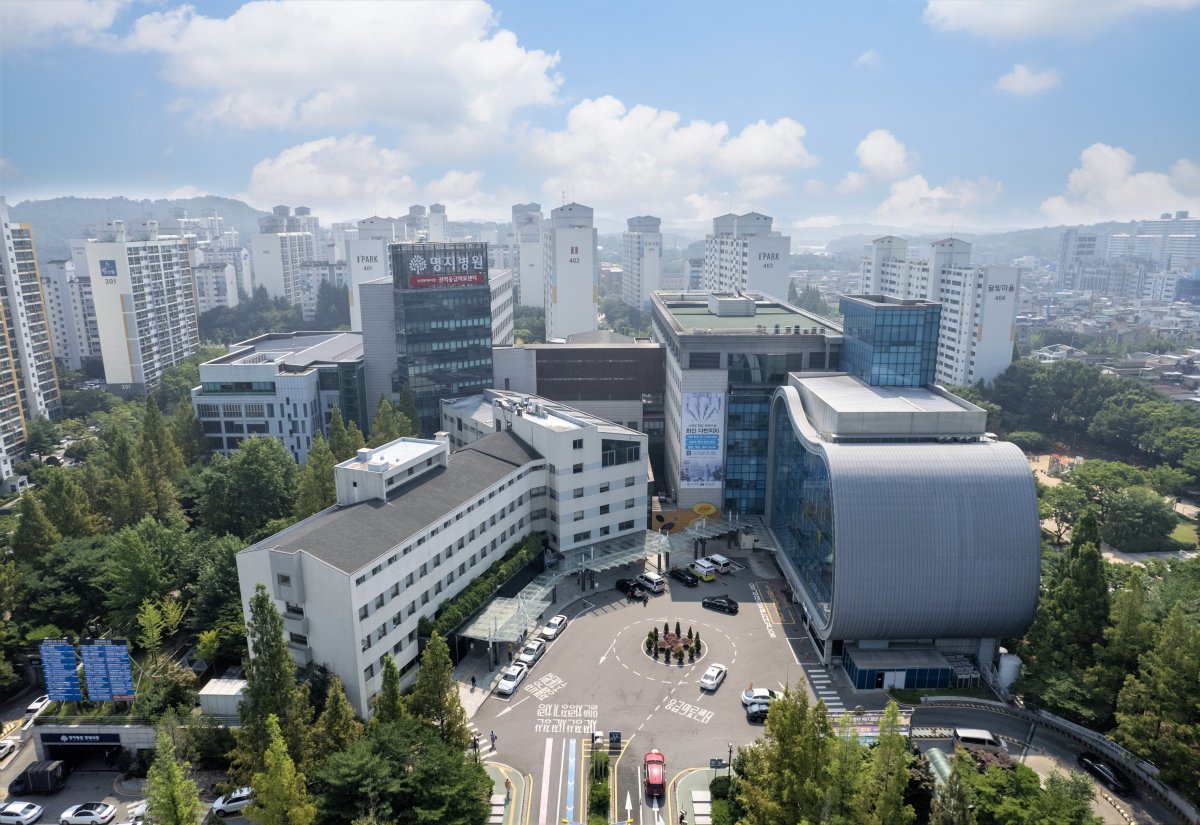









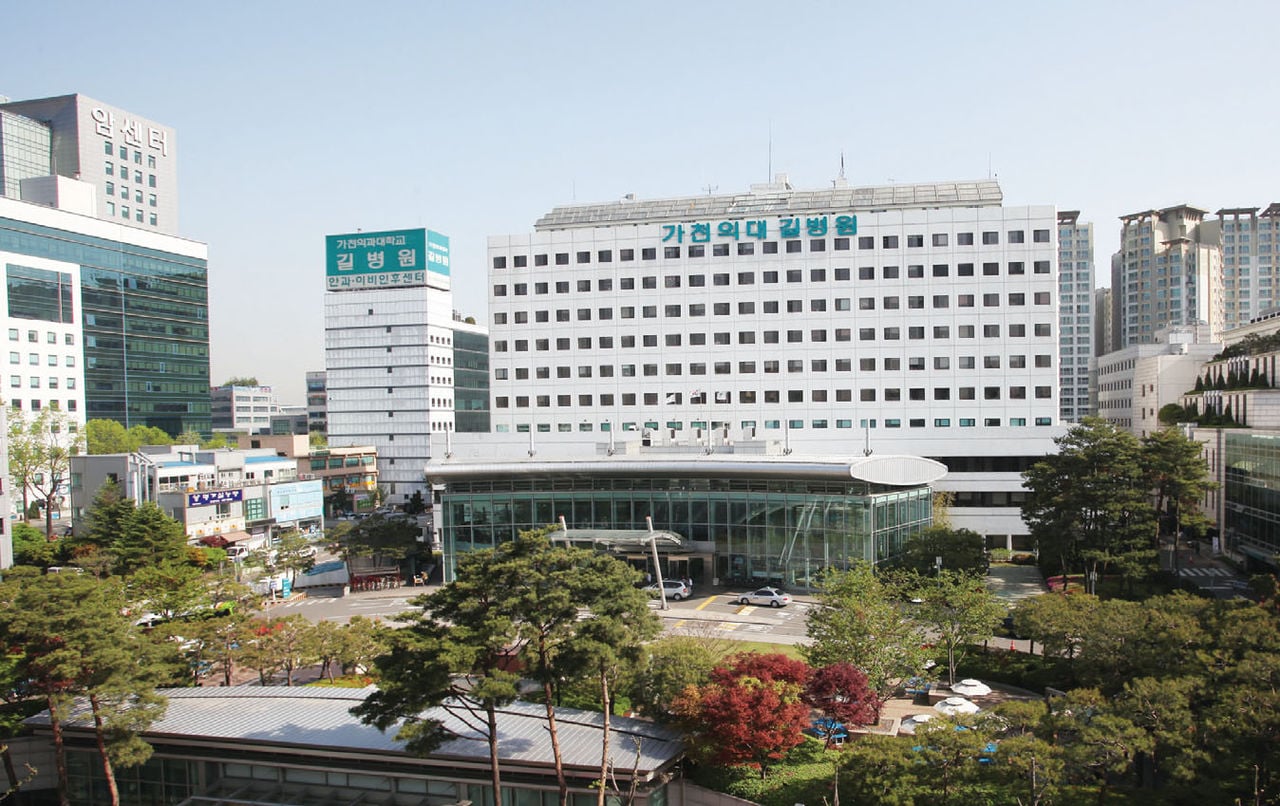


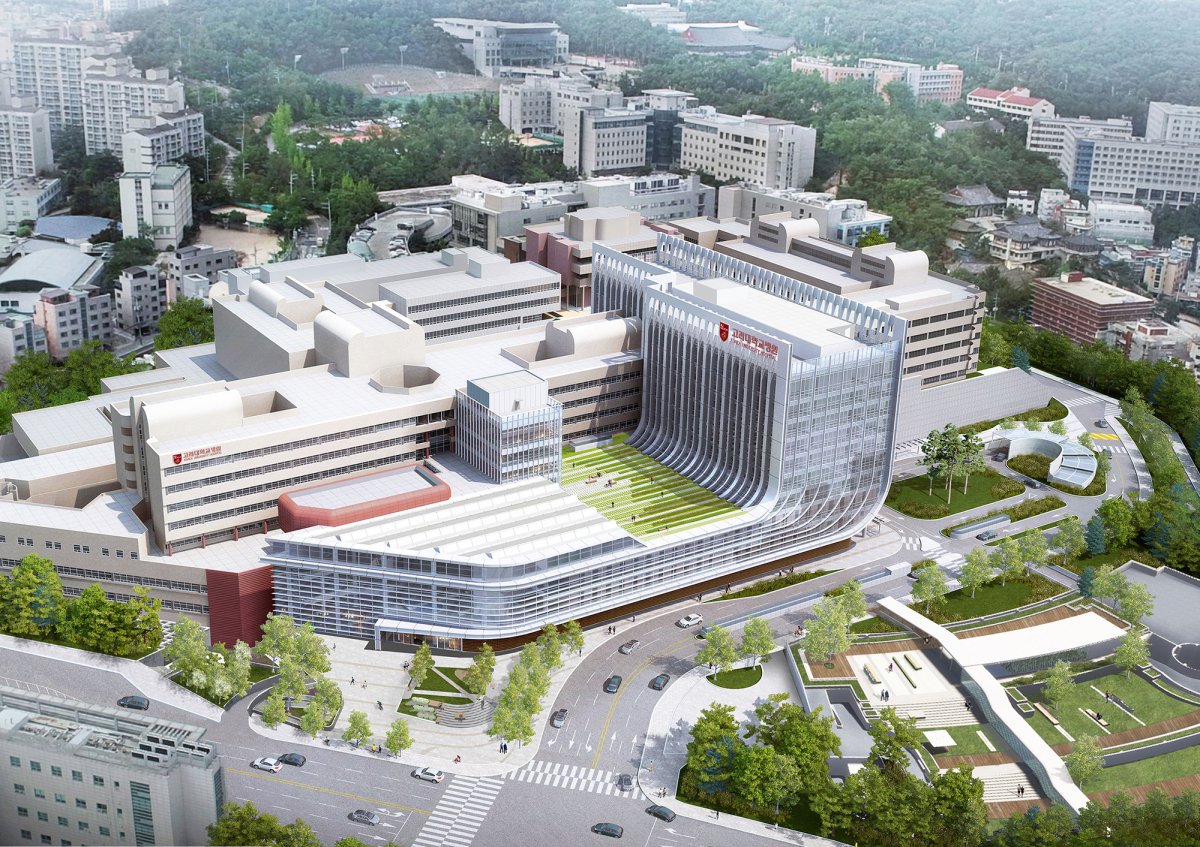
Descripción general de Nefrectomía en Corea del Sur
- Nefrectomía - de $15,000La operación extrae un riñón para tratar enfermedades como el cáncer, ofreciendo una posible cura y una mejor calidad de vida.
- Nefrectomía con Robot Da Vinci - de $17,000El procedimiento utiliza asistencia robótica para la extracción del riñón, lo que garantiza precisión, mínima invasividad y una recuperación más rápida.
- Cirugía conservadora de riñón - de $11,000Este procedimiento elimina los tumores renales mientras conserva el tejido sano, minimiza el riesgo y promueve una recuperación más rápida.
Día 1
- Traslado del aeropuerto a la clínica.
- Acomódese en su cámara individual.
Dia 2
- Consulta con urólogo y anestesiólogo.
- Completar las pruebas y exámenes preoperatorios necesarios.
Día 3
- Preparación para la cirugía, incluido el ayuno desde la medianoche.
Día 4
- Proceso de nefrectomía bajo anestesia general.
- Espere la duración de la cirugía entre 2-3 horas.
Día 5-7
- Atención postoperatoria en la clínica.
- Monitoreo de signos vitales y cuidado de heridas.
Semana 2
- Reanude gradualmente las actividades livianas.
- Consulta de seguimiento con el urólogo.
Semana 3-4
- Continúe con actividades ligeras.
- Regreso gradual al trabajo.
Semana 5-6
- Puede reanudar actividades moderadas.
- Consulta de seguimiento con el urólogo.
Semana 7-8
- Regreso gradual a las rutinas normales.
- Se espera ver los resultados finales.
Tenga en cuenta que el tiempo de recuperación de cada paciente puede variar según las condiciones de salud individuales y la complejidad del procedimiento quirúrgico.
- Depósito de Bookimed: 200 $ o 200 €.
- Depósito de la clínica: Pague un porcentaje fijo por adelantado.
Obtenga una evaluación médica de Nefrectomía en Corea del Sur: haga una consulta con 7 médicos experimentados ahora
Ver todos los médicos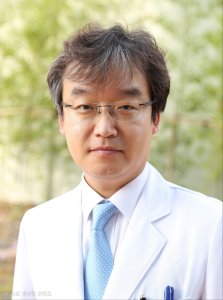
Sohn Dong-wan
El Dr. Son Dong-wan está especializado en oncología urológica, incontinencia urinaria y disfunción sexual. Realiza cirugía prostática con láser. Ofrece tratamiento robótico y laparoscópico para cáncer de próstata, vejiga, uréter y riñón. También trata la obstrucción de la unión pieloureteral.
Su práctica mínimamente invasiva incluye nefrectomía y prostatectomía laparoscópicas. Realiza resección transuretral de tumor vesical y resección transuretral de próstata por cistoscopia. Ofrece u

Heeseok Kang
Con más de 20 años de experiencia especializándose en cirugías ginecológicas complejas, incluida la nefrectomía, el Dr. Kang es profesor adjunto en el Samsung Medical Center.
- Graduado de la Facultad de Medicina de la Universidad de Yonsei
- Exjefe de Obstetricia y Ginecología en múltiples hospitales
- Ganador del Premio a la Tesis Destacada de la Sociedad Coreana de Oncología Ginecológica y Colposcopia
- Experto para NAVER KnowledgeiN, brindando asesoramiento médico confiable

Choi Han Yong
Jefe del Departamento de Urología de Samsung: el Dr. Choi se especializa en oncología urológica con enfoque en nefrectomía.
- Cirujano oncológico con amplia experiencia en cirugía de cáncer de riñón
- Dirige un departamento de urología de primer nivel en el Samsung Medical Center
- Especializado en casos complejos de oncología urológica

Hyun Moo Lee
El Prof. Hyun Moo Lee se especializa en cirugía pediátrica y trastornos del tracto gastrointestinal con de experiencia en el Samsung Medical Center.
- Miembro de múltiples sociedades quirúrgicas prestigiosas, incluida la Sociedad Quirúrgica Coreana
- Experto en cirugías de hígado, vesícula biliar, conductos biliares y páncreas
- Investigaciones publicadas sobre cáncer de vesícula biliar y colecistectomía pediátrica
- Galardonado con múltiples premios de la Asociación Coreana de Cirugía HBP
Historias en video de pacientes de Bookimed
Reseñas
Todas las reseñasCompartir contenido
 Olena Sikoza
Preguntas frecuentes sobre Nefrectomía en Corea del Sur
¿Es común la cirugía robótica para nefrectomía en Corea?
La cirugía robótica es el principal estándar para la nefrectomía en la República de Corea. Grandes instituciones utilizan el sistema quirúrgico da Vinci y el robot Revo-i, desarrollado en Corea. En centros con un alto volumen de pacientes, más del 70 % de las nefrectomías se realizan mediante robot, con una tasa de éxito del 95 % en el tratamiento del cáncer de riñón.
- Tecnologías disponibles: La mayoría de los hospitales utilizan sistemas Da Vinci Xi para la eliminación de tumores con alta precisión.
- Beneficio de la recuperación: los pacientes generalmente son dados de alta del hospital entre 2 y 4 días después de las cirugías robóticas.
- Precisión quirúrgica: la robótica reduce el tiempo de isquemia caliente, lo que ayuda a preservar la función renal saludable.
- Infraestructura de élite: Actualmente, más de 160 sistemas robóticos están instalados en 96 hospitales especializados en Corea.
Opinión experta de Bookimed: Aunque la cirugía robótica es más costosa que los métodos laparoscópicos, Corea ofrece una ventaja tecnológica única. El Dr. Kang Seok-ho, del Hospital Anam de la Universidad de Corea, fue el primero en Asia en realizar la reconstrucción robótica de la vejiga y el tracto urinario. El alto nivel de experiencia adquirido en centros acreditados por la JCI, como Severance y Samsung Medical Center, garantiza a los pacientes una prec