Cirugía de estrabismo en Corea del Sur: las 5 mejores clínicas y sus precios


Revisado médicamente por
Fahad Mawlood
¿Cuál es el precio de Cirugía de estrabismo en Corea del Sur? Descubra ahora
La cirugía de estrabismo en la República de Corea suele costar entre $1,800 y $3,400. El precio final depende de la técnica quirúrgica, el número de músculos oculares involucrados y la especialización de la clínica. En los EE. Los presupuestos generalmente cubren la cirugía, la anestesia y la atención postoperatoria inmediata.
- Centros médicos estándar: A menudo oscilan entre $2,800 y $4,000 en instituciones líderes en Seúl.
- Hospitales digitales de alta tecnología: Las instalaciones avanzadas que utilizan sistemas digitales de precisión pueden cobrar entre un 300 y un 400% más.
- Variaciones regionales: Los costos en Incheon o Daegu pueden ser entre un 10 y un 15% más bajos que en Seúl.
- Investigaciones diagnósticas: Las pruebas oftalmológicas preoperatorias suelen añadir entre $800 y $1,400 al presupuesto.
Perspectiva del experto de Bookimed: Elegir un centro de alto volumen como el Hospital Severance ofrece un valor excepcional para casos complejos. Atienden a 4 millones de pacientes ambulatorios al año y cuentan con especialistas dedicados como el Dr. Chan Jinwoo. Si bien los hospitales digitales de vanguardia como el SNUBH tienen precios premium, los pacientes siguen beneficiándose de los estándares de seguridad acreditados por la JCI. Para obtener el mejor equilibrio, busque clínicas con sede en Seúl que cuenten con la acreditación KOIHA y clasificaciones de Newsweek.
| Corea del Sur | España | Turquía | |
|---|---|---|---|
| Cirugía de estrabismo | ≈ $1,800 | de $15,700 | de $1,800 |
Sus beneficios y garantías con Bookimed
Precios directos
Bookimed no añade cargos adicionales a los precios de Cirugía de estrabismo. Las tarifas proceden de las listas de precios oficiales de las clínicas. Pagará directamente en la clínica por su Cirugía de estrabismo a su llegada al país.
Sólo clínicas y médicos verificados
Bookimed está comprometido con su seguridad. Solo trabajamos con las clínicas que mantienen altos estándares internacionales en Cirugía de estrabismo y tienen las licencias necesarias para atender a pacientes internacionales en todo el mundo.
Asistencia 24/7 gratuita
Bookimed ofrece asistencia experta gratuita. Un coordinador médico personal le apoya antes, durante y después del tratamiento, resolviendo cualquier problema. Nunca estará solo en su viaje médico de Cirugía de estrabismo.

Su coordinador médico personal de Bookimed
- Le apoya en cada etapa
- Ayuda a elegir la clínica y el médico adecuados
- Asegura un acceso rápido y conveniente a la información
Descubra las mejores clínicas de Cirugía de estrabismo en Corea del Sur: 5 opciones verificadas y Precios










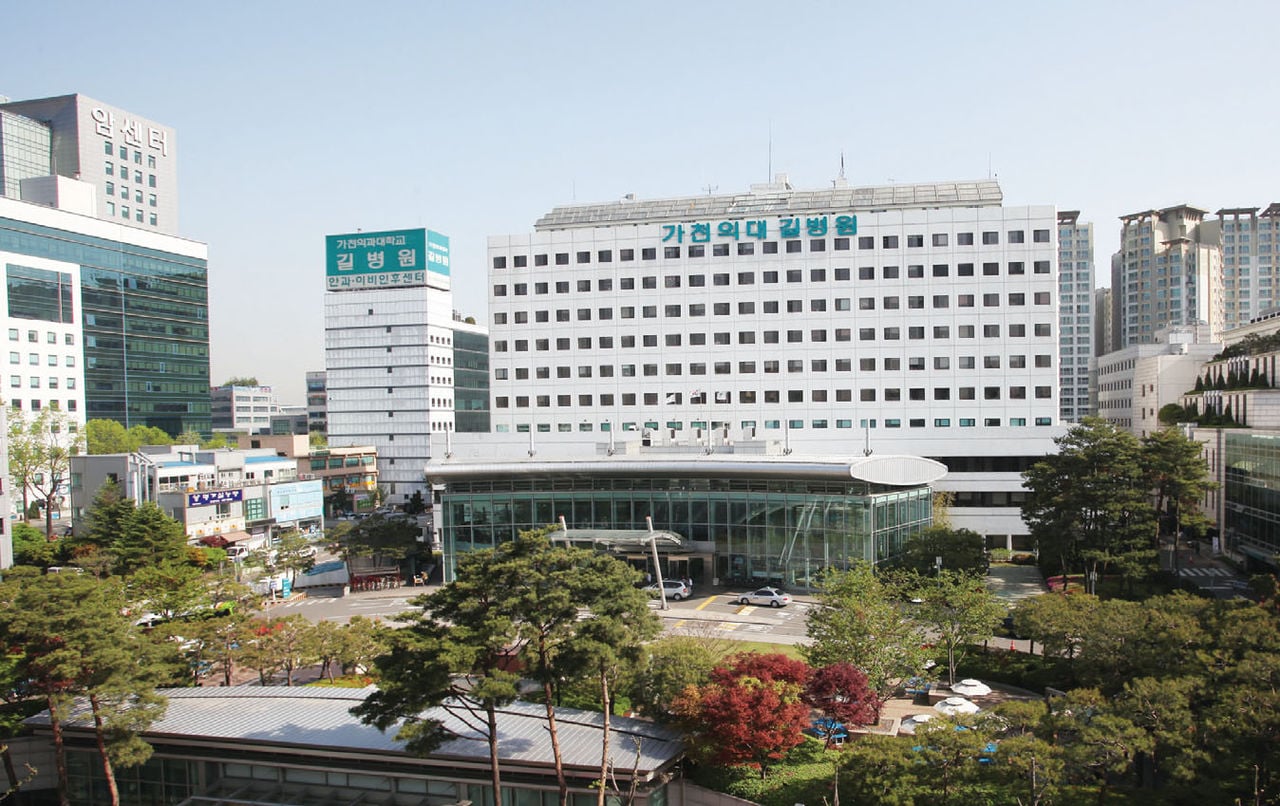


Descripción general de Cirugía de estrabismo en Corea del Sur
- Cirugía de estrabismo - de $1,800La operación corrige la alineación de los ojos, implica ajustar los músculos de los ojos, lo que ayuda a mejorar el enfoque y la coordinación.
- Tratamiento de estrabismo - de $2,200El procedimiento corrige la desalineación de los ojos, mediante cirugía o anteojos, mejorando la visión y la apariencia.
- Tratamiento de ambliopía - de $1,200Esta terapia ayuda a restaurar la visión dañada al mejorar la función del ojo más débil a través de ejercicios, anteojos o parches.
Día 1 - Llegada
- Llegada al país e instalación en su alojamiento.
- La clínica no proporciona transporte al hospital.
Día 2 - Preoperatorio
- Se le realizará una prueba de autorrefractometría para medir la refracción.
- Un especialista revisará su historial médico y realizará un examen.
- Es posible que se requieran pruebas o procedimientos adicionales según su condición.
- Se proporcionará asistencia lingüística durante todo el proceso.
Día 3 - Cirugía de estrabismo
- La cirugía durará de 1 a 2 horas, bajo anestesia general.
- Los músculos de sus ojos se realinearán para corregir el estrabismo.
- Serás monitoreado en la recuperación post-cirugía.
Día 4 - Postoperatorio
- La valoración postoperatoria la realizará el especialista.
- Se proporcionarán instrucciones para el cuidado en el hogar.
- Permanezca en el hospital para control y recuperación.
Semana 1 - Rehabilitación
- Siga las instrucciones de cuidado en el hogar proporcionadas por el especialista.
- Evite la actividad física extenuante y los deportes.
Semana 2 - 4
- Regrese gradualmente a sus actividades normales, evitando levantar objetos pesados y practicar deportes.
- Los resultados finales de la cirugía deberían ser visibles al final de la semana 4.
Tenga en cuenta que el caso de cada paciente es único y el cronograma puede variar.
Lo que les gusta a los pacientes:
- Precio. El costo de la cirugía de estrabismo en la República de Corea oscila entre $ 4000 y $ 6000. Esto es menos que los $ 8000 a $ 12000 en los EE. UU. También es más barato que en Japón, donde cuesta alrededor de $7000 a $10000.
- Profesionalidad del médico. Los médicos coreanos tienen certificados internacionales. Son miembros de organizaciones oftalmológicas mundiales. Han realizado miles de cirugías de estrabismo.
- Nivel de servicio. El servicio en las clínicas coreanas es muy apreciado. Los pacientes reciben exámenes oculares completos a su llegada. Esto sucede antes de la consulta.
- Eficacia de la cirugía del estrabismo. El resultado de la cirugía suele ser positivo. Si es necesario, el médico puede recomendar la cirugía. De lo contrario, se pueden recetar anteojos.
- Logística. La operación no requiere hospitalización. Los pacientes tienen una cita de seguimiento al día siguiente y otra a la semana.
Lo que no les gusta a los pacientes:
- Barrera del idioma. Algunos pacientes enfrentan dificultades con el lenguaje. No todo el personal habla inglés con fluidez.
- Largos tiempos de espera. Los tiempos de espera pueden ser largos debido a la alta demanda.
- Cuidado Post-Operatorio. Algunos pacientes encuentran que los cuidados postoperatorios son insuficientes. Preferirían más chequeos.
- Depósito de Bookimed: 200 $ o 200 €.
- Depósito de la clínica: Pague un porcentaje fijo por adelantado.
Bookimed, una plataforma líder mundial en turismo médico, se compromete a ayudar a los clientes que buscan una cirugía de estrabismo en la República de Corea ofreciéndoles asistencia experta y soluciones médicas confiables para cada situación. Se utiliza un sistema de clasificación automático inteligente para elaborar listas de clínicas transparentes, mantenidas meticulosamente por un científico de datos que utiliza IA para mayor precisión. La plataforma garantiza la autenticidad al publicar reseñas de pacientes reales después de sus tratamientos. Bookimed ofrece soluciones médicas integrales, con actualizaciones de las clínicas para garantizar la confiabilidad. El contenido sobre la cirugía de estrabismo en la República de Corea, elaborado por autores médicos experimentados y revisado por especialistas, cumple con las pautas editoriales de Bookimed , lo que refleja el compromiso de la plataforma de brindar información de salud clara y de alta calidad. Para obtener más detalles o consultas, no dude en contactarnos en marketing@bookimed.com o obtenga más información sobre nosotros y nuestra misión Acerca de Bookimed .
Obtenga una evaluación médica para Cirugía de estrabismo en Corea del Sur: Elija su especialista entre los mejores en el campo
Ver todos los médicos
Seung Hahn
Especialista en el tratamiento quirúrgico del estrabismo en el Hospital Severance, centrado exclusivamente en la corrección de problemas de alineación ocular.
- Oftalmólogo con experiencia en cirugía de estrabismo
- Trabaja en el Hospital Severance, una institución médica líder
- Dedicado a la corrección quirúrgica precisa de la desalineación ocular

Chan Jinwoo
El Dr. Chan Jinwoo se especializa en estrabismo y oftalmología pediátrica en el Severance Hospital, una institución médica líder.
- Experto en afecciones oculares pediátricas
- Enfocado en cirugías correctivas precisas para el estrabismo
- Trabaja en un entorno hospitalario de primer nivel
Historias en video de pacientes de Bookimed
Reseñas
Todas las reseñas

Compartir contenido
 Olena Sikoza
Datos сlave sobre Cirugía de estrabismo
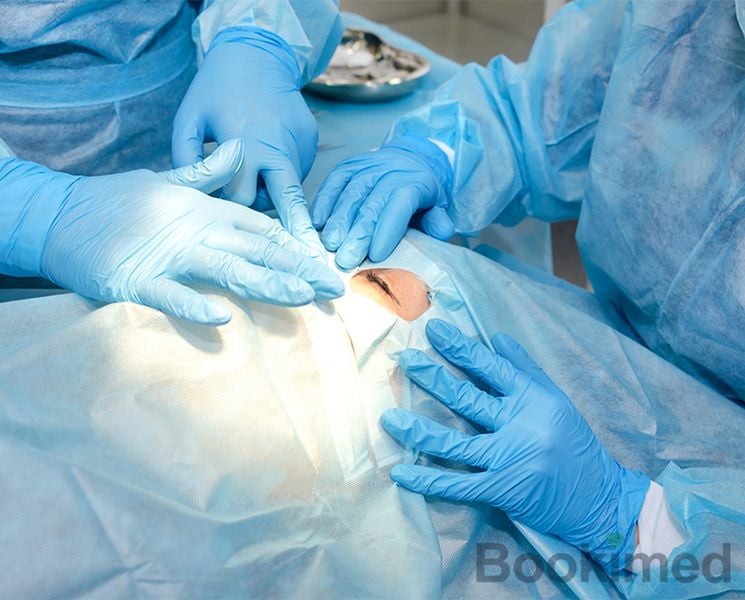
Cirugía del estrabismo
La cirugía del estrabismo consiste en ajustar los músculos de los ojos para mejorar la alineación y corregir los problemas de visión.
Preguntas frecuentes sobre Cirugía de estrabismo en Corea del Sur
¿Qué hospitales en Corea son los más recomendados para la cirugía de estrabismo?
El Severance Hospital, el Asan Medical Center y el Seoul National University Bundang Hospital (SNUBH) son los centros más recomendados para la cirugía de estrabismo en Corea del Sur. Estas instituciones son reconocidas por sus altas tasas de éxito, acreditaciones JCI y departamentos especializados en oftalmología pediátrica que utilizan sistemas avanzados de imagen digital.
- Severance Hospital: Cuenta con especialistas como el Dr. Seung Hahn y el Dr. Chan Jinwoo para casos complejos.
- Asan Medical Center: Realiza más de 500 cirugías de estrabismo al año en su sección pediátrica especializada.
- SNUBH: Utiliza el sistema BESTcare para minimizar los errores médicos durante los procedimientos refractivos.
- Kim’s Eye Hospital: Un centro especializado en oftalmología que gestiona casi 800 cirugías de estrabismo al año.
Opinión de expertos de Bookimed: Aunque los hospitales universitarios como Severance tienen el mayor prestigio, los centros oftalmológicos especializados como el Kim’s Eye Hospital a menudo ofrecen plazos más rápidos desde la consulta hasta la cirugía. Esto es crucial para los pacientes internacionales. Los datos muestran que los centros de alto volumen suelen lograr resultados más consistentes en casos de revisión en adultos.
Consenso de los pacientes: Los pacientes enfatizan priorizar la experiencia especí
¿Cuál es el cronograma típico de recuperación después de una cirugía de estrabismo en Corea?
La recuperación de la cirugía de estrabismo en Corea generalmente permite volver a las actividades básicas en un plazo de 2 a 3 días. Si bien la fase de curación aguda abarca de 2 a 4 semanas, la alineación ocular completa y la estabilización muscular generalmente requieren de 2 a 3 meses para obtener resultados definitivos.
- Recuperación inicial: La mayoría de los pacientes retoman el trabajo de oficina o la escuela entre 7 y 14 días después del procedimiento.
- Restricciones físicas: Evite nadar y las saunas durante 2 a 4 semanas para prevenir infecciones.
- Programa de seguimiento: Las clínicas coreanas como el Severance Hospital suelen programar chequeos esenciales entre los días 3 y 5.
- Estabilización visual: La visión doble suele resolverse en 1 semana, aunque la alineación final toma de 8 a 12 semanas.
Perspectiva del experto de Bookimed: Los datos de centros de primer nivel en Seúl, como el Severance Hospital, destacan un enfoque especializado en oftalmología pediátrica y de adultos con protocolos de seguimiento rápidos. Aunque las pautas occidentales a menudo sugieren una espera más larga, los cirujanos coreanos suelen autorizar a los pacientes para tareas funcionales antes. Recomendamos planificar al menos 14 días de actividad reducida, ya que la marca de las 8 semanas es cuando la mayoría de los pacientes ven su verdadero resultado
¿Cuánto dura la operación de estrabismo?
La cirugía de estrabismo en la República de Corea suele durar entre 30 y 90 minutos. La duración exacta depende del número de músculos oculares que requieran corrección y de la complejidad del caso. La mayoría de los procedimientos de un solo músculo se completan en menos de 45 minutos en centros acreditados por la JCI como el Hospital Severance de Seúl.
- Tiempo quirúrgico: Los casos simples suelen terminar en 30 minutos por ojo.
- Complejidad del caso: Las reoperaciones o los ajustes bilaterales pueden prolongar la cirugía hasta 90 minutos.
- Preparación de la anestesia: Los pacientes suelen pasar de 20 a 45 minutos en la inducción y el despertar.
- Periodo de observación: El seguimiento postoperatorio suele durar de 1 a 3 horas antes del alta el mismo día.
Opinión de los expertos de Bookimed: Los centros coreanos de gran volumen, como el Hospital Bundang de la Universidad Nacional de Seúl, priorizan la eficiencia mediante sistemas digitales como BESTcare. Los datos sugieren que las clínicas que atienden a más de 1.000.000 de pacientes al año suelen reducir los tiempos de espera. Este elevado número de casos permite a cirujanos experimentados como el Dr. Chan Jinwoo realizar realineaciones musculares rutinarias más rápido que la media mundial.
Consenso de los pacientes: Aunque la cirugía en sí es rápida, los pacientes
¿Qué cuidados postoperatorios se requieren en Corea?
Los cuidados postoperatorios para la cirugía de estrabismo en Corea del Sur requieren una monitorización intensiva y una estricta adherencia a los protocolos de protección. Los pacientes deben usar protectores oculares de plástico las 24 horas del día, los 7 días de la semana, durante un máximo de 2 semanas para evitar frotarse los ojos accidentalmente. Los centros líderes de Seúl, como el Hospital Severance, coordinan seguimientos frecuentes cada 2 o 3 días inicialmente.
- Protección ocular: Los pacientes usan protectores de plástico o gafas durante 14 días, incluso durante el sueño.
- Restricciones de actividad: No se permite conducir ni usar pantallas durante al menos 7 días.
- Programa de medicación: Se aplican gotas antibióticas y esteroides 4 veces al día durante 4 semanas.
- Límites físicos: Evite agacharse o levantar objetos pesados durante 2 semanas para prevenir la presión ocular.
Perspectiva del experto de Bookimed: Corea del Sur ofrece una ventaja de seguridad a través de una mayor frecuencia de seguimiento en comparación con los estándares occidentales. Mientras que las clínicas de EE. UU. a menudo esperan una semana para el primer chequeo, los cirujanos coreanos en el SNUBH o el Centro Médico Asan generalmente requieren 3 visitas en los primeros 7 días. Esta monitorización temprana intensiva ayuda a especialistas como el Dr. Chan
¿La cirugía de estrabismo está cubierta por el seguro coreano?
El Servicio Nacional de Seguro de Salud (NHIS) de Corea del Sur generalmente cubre la cirugía de estrabismo cuando se considera médicamente necesaria. La cobertura total suele estar garantizada para niños de 9 años o menos, mientras que los adultos deben demostrar un deterioro funcional, como diplopía o visión periférica restringida, para calificar para el reembolso del seguro.
- Límite de edad: Los pacientes de 9 años o menos suelen recibir una cobertura del NHIS del 80-100%.
- Necesidad médica: Los adultos requieren documentación de visión doble para evitar la clasificación cosmética.
- Selección de hospital: Los centros terciarios como el Hospital Severance o el Centro Médico Asan maximizan el reembolso.
- Costos de bolsillo: Los casos de adultos no cubiertos suelen oscilar entre $1,800 y $3,400.
Perspectiva de expertos de Bookimed: Los datos de instalaciones de primer nivel en Seúl, como el Hospital Severance, sugieren que la especialidad importa más que la oftalmología general para la aprobación del seguro. Especialistas como Chan Jinwoo y Seung Hahn se centran específicamente en el estrabismo, proporcionando la documentación clínica precisa necesaria para probar la necesidad médica. Utilizar estas clínicas universitarias de alto volumen a menudo simplifica el proceso de autorización previa para los adultos que busc
¿Qué tan pronto puedo volar a casa después de una cirugía de estrabismo en Corea?
La mayoría de los pacientes pueden volar a casa de 7 a 10 días después de una cirugía de estrabismo en Corea del Sur. Aunque el procedimiento solo involucra los músculos oculares externos, los cirujanos en centros acreditados por la JCI, como el Hospital Severance, requieren este período para completar los exámenes de seguimiento obligatorios y monitorear la curación inicial antes de viajes de larga distancia.
- Ventana de viaje: Espere un mínimo de 7 días para asegurar una curación estable de las cicatrices quirúrgicas oculares.
- Revisiones obligatorias: Programe citas de seguimiento 1 día y 7 días después del procedimiento ocular.
- Entorno de cabina: Use lágrimas artificiales sin conservantes cada 2 horas para combatir el aire seco de la cabina del avión.
- Restricciones físicas: Evite levantar equipaje pesado o realizar movimientos extenuantes durante los traslados al aeropuerto durante 1 semana.
Perspectiva del experto de Bookimed: Elegir una clínica como el Hospital Severance en Seúl ofrece una ventaja de seguridad. Su departamento especializado en oftalmología opera dentro de un sistema multidisciplinario masivo que atiende a 1,6 millones de pacientes ambulatorios al año. Este alto volumen significa que cirujanos como Chan Jinwoo manejan casos complejos a diario, asegurando resultados estables antes de que usted aborde un vuelo de larga
¿Cuáles son los riesgos o complicaciones comunes de la cirugía de estrabismo?
La cirugía de estrabismo es generalmente segura, aunque los riesgos comunes incluyen la subcorrección o sobrecorrección de la alineación ocular, lo que afecta del 20% al 25% de los casos. Los pacientes a menudo experimentan visión doble temporal, enrojecimiento y molestias. Las complicaciones graves como infecciones o pérdida de visión siguen siendo extremadamente raras en los centros oftalmológicos coreanos especializados.
- Ajuste de alineación: La desalineación puede persistir, requiriendo a veces un segundo procedimiento dentro de los 6 a 12 meses.
- Visión doble: La diplopía temporal ocurre en el 40% al 50% de los pacientes durante la adaptación cerebral inicial.
- Suturas ajustables: Permiten ajustes de alineación dentro de las 24 horas, reduciendo significativamente los riesgos de reoperación a largo plazo.
- Problemas de superficie: Los pacientes pueden experimentar quistes conjuntivales, cicatrices u ojos secos durante un máximo de 2 meses.
Perspectiva del experto de Bookimed: Los centros líderes en Seúl, como el Hospital Severance, utilizan técnicas avanzadas de sutura ajustable para personalizar los resultados. Nuestros datos muestran que estos métodos pueden reducir a la mitad las tasas de complicaciones en comparación con las suturas fijas tradicionales. Elegir centros de alto volumen que realizan más de 30,000 operaciones anuales