Amigdalectomía en Corea del Sur — obtén 3 clínicas con costos


Revisado médicamente por
Fahad Mawlood
¿Cuál es el precio de Amigdalectomía en Corea del Sur? Descubra ahora
Beneficios clave
¿Por qué eligen los pacientes la República de Corea para una amigdalectomía?
- Clínicas acreditadas: Hospitales certificados por JCI ofrecen servicios de salud de alta calidad.
- Últimas tecnologías: La amigdalectomía por coblación utiliza el sistema ArthroCare ENT Coblator II. Este método ofrece menos dolor y una recuperación más rápida en comparación con las técnicas tradicionales.
- Altas tasas de éxito: Los procedimientos de amigdalectomía en Corea del Sur tienen una tasa de eficacia del 95%. Esto es particularmente beneficioso para pacientes con amigdalitis crónica y apnea del sueño según estudios.
- Cirujanos expertos: Especialistas líderes en otorrinolaringología, como el Dr. Kim Joon, realizan más de 500 amigdalectomías exitosas al año. Cuentan con certificaciones avanzadas de la Sociedad Coreana de Otorrinolaringología-Cirugía de Cabeza y Cuello.
Accede a soluciones avanzadas de amigdalectomía en clínicas de confianza de $5,000.
Sus beneficios y garantías con Bookimed
Precios directos
Bookimed no añade cargos adicionales a los precios de Amigdalectomía. Las tarifas proceden de las listas de precios oficiales de las clínicas. Pagará directamente en la clínica por su Amigdalectomía a su llegada al país.
Sólo clínicas y médicos verificados
Bookimed está comprometido con su seguridad. Solo trabajamos con las clínicas que mantienen altos estándares internacionales en Amigdalectomía y tienen las licencias necesarias para atender a pacientes internacionales en todo el mundo.
Asistencia 24/7 gratuita
Bookimed ofrece asistencia experta gratuita. Un coordinador médico personal le apoya antes, durante y después del tratamiento, resolviendo cualquier problema. Nunca estará solo en su viaje médico de Amigdalectomía.

Su coordinador médico personal de Bookimed
- Le apoya en cada etapa
- Ayuda a elegir la clínica y el médico adecuados
- Asegura un acceso rápido y conveniente a la información
Descubra las mejores clínicas de Amigdalectomía en Corea del Sur: 8 opciones verificadas y Precios
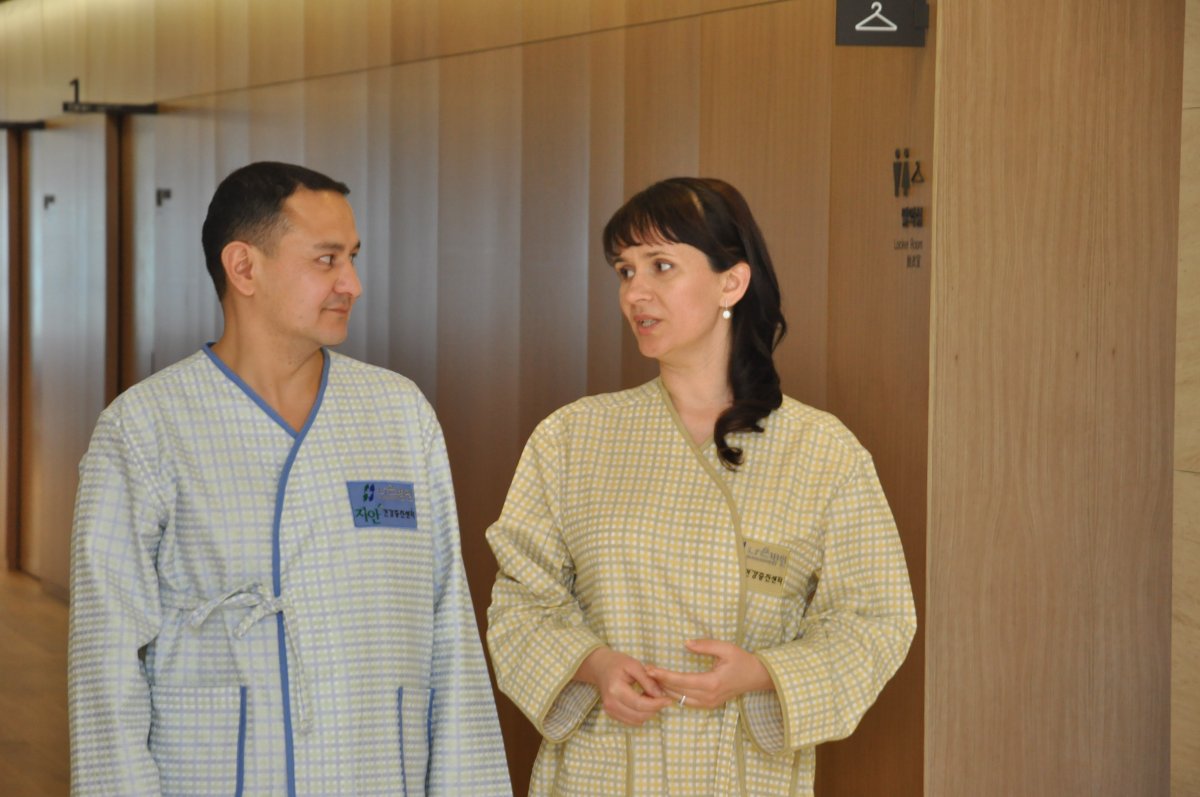
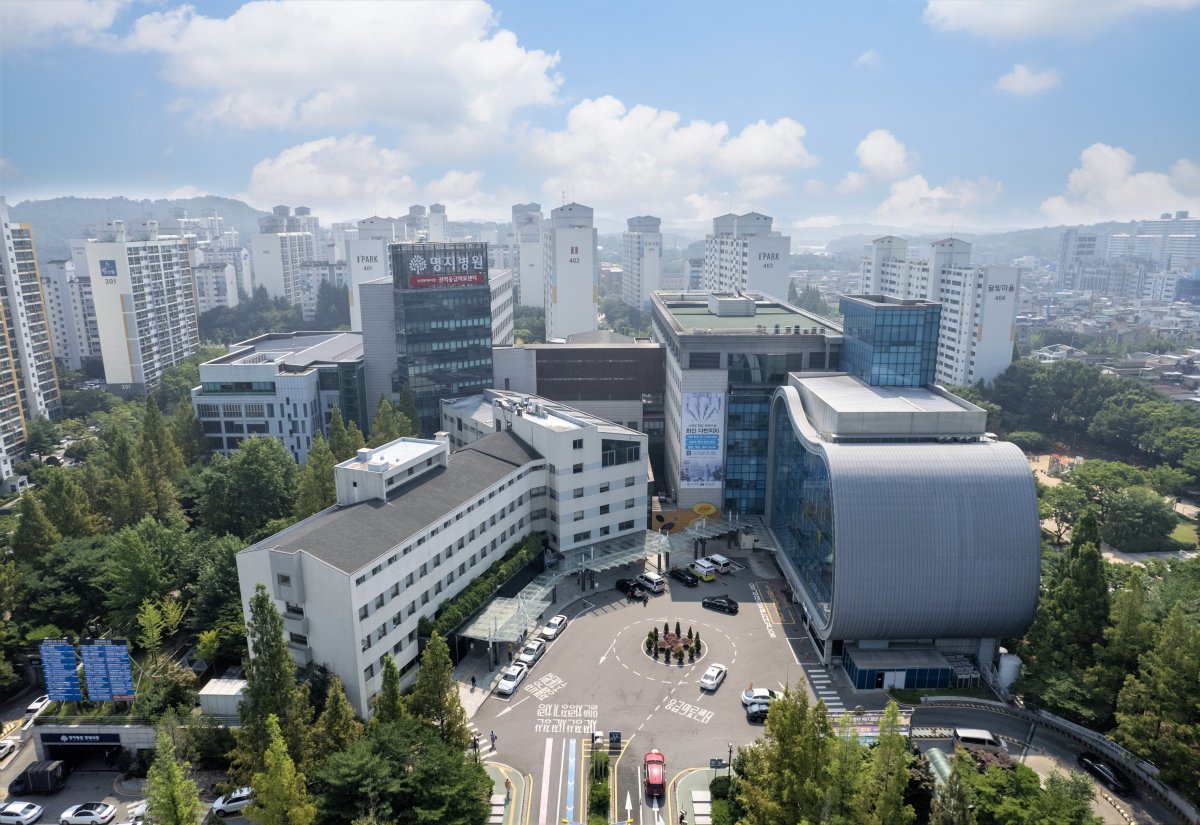













Descripción general de Amigdalectomía en Corea del Sur
- Amigdalectomía - de $5,000El procedimiento consiste en extirpar las amígdalas para aliviar problemas como la amigdalitis o la apnea del sueño, mejorando la salud del paciente.
- Hipofisectomía transesfenoidal (adenomectomía) - de $18,000Esta cirugía elimina los tumores pituitarios a través de la nariz, con beneficios que incluyen menos dolor y una recuperación más rápida.
- Eliminación de adenoides - de $5,000Esta operación elimina las adenoides para ayudar a respirar, reducir el riesgo de infección y disminuir los problemas de los senos paranasales y los oídos.
- Cirugía de pólipos nasales - de $4,000Esta operación elimina los crecimientos benignos de la nariz, lo que mejora la respiración y reduce el riesgo de infección de los senos paranasales.
Día 1 - Llegada
- Llegada al hospital para consulta preoperatoria.
- Reunirse con el anestesiólogo y el otorrinolaringólogo.
- Someterse a las pruebas médicas necesarias, incluidos análisis de sangre.
- Recibir instrucciones para la preparación de la cirugía.
Día 2 - Preoperatorio
- Inicie ayuno según indicación del anestesiólogo.
- Llegue al hospital temprano en la mañana.
- Regístrese en el mostrador de admisión.
Día 3 - Operación
- Recibir anestesia general.
- Someterse a una amigdalectomía que dura aproximadamente de 30 a 60 minutos.
- Muévase a la sala de recuperación después de la cirugía.
- Permanezca en observación hasta que desaparezcan los efectos de la anestesia.
Día 4 - Postoperatorio
- Permanecer en el hospital para observación.
- Iniciar dieta blanda según indicación del médico.
- Recibir medicación para el control del dolor.
Semana 1 - Rehabilitación
- Descansa y recupérate en casa.
- Continuar con una dieta blanda.
- Tome la medicación prescrita para el control del dolor.
Semana 2 y más allá
- Regresar gradualmente a la dieta normal.
- Seguimiento con el otorrinolaringólogo.
- Regrese al trabajo después de 2 semanas si se siente bien.
- Reanude los deportes y las actividades físicas intensas después de 3 semanas.
Nota: El proceso de recuperación de cada paciente es único y puede variar.
- Depósito de Bookimed: 200 $ o 200 €.
- Depósito de la clínica: Pague un porcentaje fijo por adelantado.
Obtenga una evaluación médica para Amigdalectomía en Corea del Sur: Elija su especialista entre los mejores en el campo
Ver todos los médicos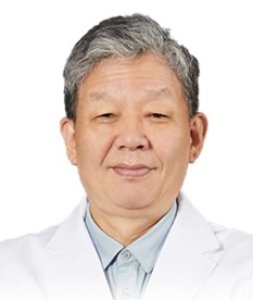
Kim Gyeonrae
El Dr. Kim Gyeonrae, MD, PhD, es otorrinolaringólogo (especialista en ORL). Es Director Médico Honorario del Departamento de Otorrinolaringología del Hospital Naeun. Su práctica se centra en enfermedades nasales, rinosinusitis y sinusitis crónica, rinitis, rinitis alérgica y cirugía endoscópica funcional de senos paranasales (FESS).
Credenciales: MMed, Universidad de Hanyang. Doctorado en Medicina, Universidad de Wonkwang. Formación (fellowship) en el Medical College of Georgia y en Th
Historias en video de pacientes de Bookimed
Compartir contenido
 Olena Sikoza
Preguntas frecuentes sobre Amigdalectomía en Corea del Sur
¿Qué hospitales y centros médicos líderes en Corea del Sur realizan amigdalectomías para pacientes internacionales?
Los mejores hospitales para la amigdalectomía en Corea del Sur incluyen el Centro Médico Asan, el Hospital Severance y el Hospital de la Universidad Nacional de Seúl. Estas instalaciones acreditadas por la JCI ofrecen centros de atención médica internacional dedicados con coordinadores de habla inglesa y departamentos de otorrinolaringología avanzados para garantizar resultados quirúrgicos seguros para pacientes de todo el mundo.
- Centro Médico Asan: El hospital más grande de Corea del Sur, que ofrece coordinadores personales y traslados gratuitos al aeropuerto.
- Hospital Severance: Cuenta con una clínica internacional masiva y posee la acreditación JCI por seguridad.
- Universidad Nacional de Seúl: Prestigiosa institución académica que ofrece servicios de interpretación 24/7 para pacientes quirúrgicos extranjeros.
- Universidad Femenina Ewha: Reconocida por Newsweek como uno de los mejores hospitales del mundo con capacidades especializadas en otorrinolaringología.
Perspectiva del experto de Bookimed: Si bien los hospitales de primer nivel de Seúl, como Severance, atienden a millones de personas, las clínicas de Incheon, como el Hospital Naeun, ofrecen una experiencia significativa. El Hospital Naeun trata a 500,000 pacientes al año y cuenta con especialistas como Kim Gyeonrae, quien completó becas en Estados Unidos. Elegir un centro con acr
¿Qué técnicas quirúrgicas avanzadas se utilizan habitualmente para la extirpación de amígdalas en las clínicas coreanas?
Los departamentos de otorrinolaringología avanzados en Corea del Sur utilizan métodos precisos de baja temperatura, como la coblación por plasma y el bisturí armónico, para reemplazar las técnicas tradicionales de alta temperatura. Estos enfoques de preservación de tejidos se centran en reducir el daño térmico y el dolor postoperatorio, al tiempo que mejoran los tiempos de recuperación en instalaciones acreditadas por la JCI, como el Hospital Severance.
- Coblación por plasma: Disuelve el tejido a 40°C–70°C, minimizando la lesión térmica en comparación con la electrocauterización estándar.
- Amigdalectomía intracapsular: Preserva la cápsula amigdalina, protegiendo los músculos profundos para garantizar una recuperación más rápida de la deglución.
- Bisturí armónico: Utiliza vibraciones ultrasónicas para cortar y sellar tejidos simultáneamente sin dispersión de calor elevado.
- Reducción de amígdalas con láser: Se dirige a problemas crónicos como los cálculos amigdalinos mediante la vaporización precisa del tejido enfermo.
Opinión del experto de Bookimed: Si bien los grandes centros como el Hospital Bundang de la Universidad Nacional de Seúl priorizan los sistemas de seguridad digital, el valor real reside en la diversidad de técnicas. Los pacientes a menudo eligen Corea del Sur para extirpaciones parciales especializadas (criptólisis) que no si
¿Cuánto tiempo deben permanecer los pacientes internacionales en Corea del Sur después de una amigdalectomía?
Los pacientes internacionales deben permanecer en Corea del Sur de 10 a 14 días después de una amigdalectomía. Aunque el alta hospitalaria suele ocurrir en 1 o 2 noches, esta estancia prolongada garantiza la seguridad durante el periodo de alto riesgo de hemorragia y permite un seguimiento esencial con especialistas en otorrinolaringología de Corea del Sur antes de viajar en avión.
- Estancia hospitalaria: Espere de 1 a 2 noches de ingreso en centros como el Hospital Naeun.
- Recuperación inicial: Los primeros 2 a 5 días suelen ser los más dolorosos para los pacientes.
- Periodo de alto riesgo: El riesgo de sangrado secundario alcanza su punto máximo entre los días 5 y 10, a medida que se desprenden las costras.
- Seguridad en el vuelo: Los cirujanos recomiendan esperar 14 días antes de volar para evitar complicaciones por la presión de la cabina.
- Autorización médica: Programe una revisión final de la herida 7 días después de la operación antes de reservar los vuelos de regreso.
Perspectiva del experto de Bookimed: Aunque muchas clínicas de Seúl, como el Centro Médico Asan, ofrecen traslados gratuitos al aeropuerto, los pacientes deben priorizar centros con acreditación JCI o KOIHA. Nuestros datos muestran que los hospitales coreanos de primer nivel gestionan más de 1,5 millones de pacientes al año, lo que garantiza un