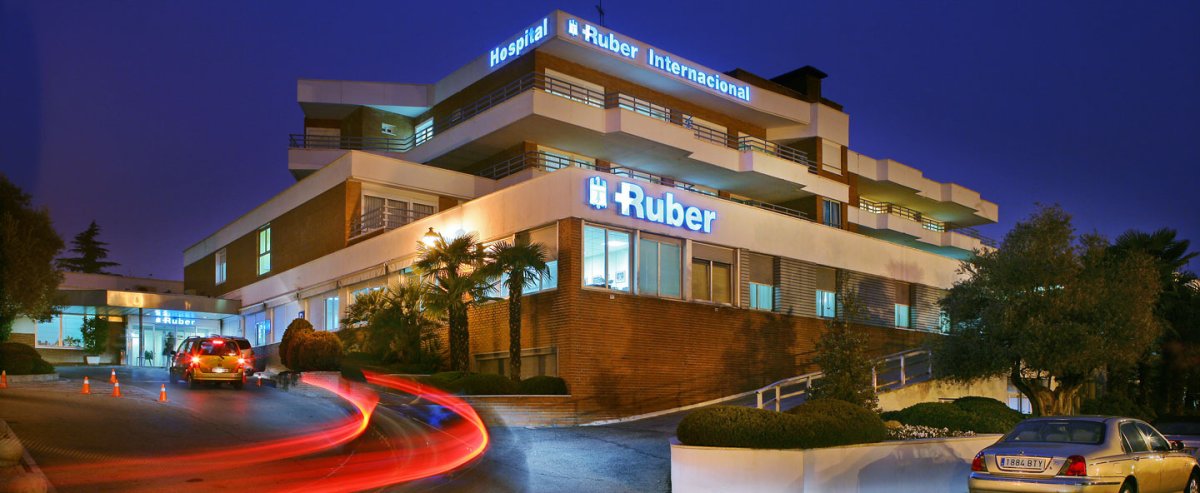
Centro Médico Teknon
España, Barcelona
Carlos Pollan
38 años de experiencia • 435+ tratamientos realizados

Clínica certificada por : 





Revisado médicamente por
Fahad Mawlood
De $6,700. Los precios varían según la clínica, la experiencia del cirujano, si se utilizan técnicas endoscópicas o tradicionales, y la complejidad del caso. UU.
Las clínicas españolas suelen incluir consultas preoperatorias, extirpación endoscópica de pólipos, anestesia, análisis patológico, hospitalización si es necesaria y visitas de seguimiento. En EE. UU., el precio indicado suele cubrir solo los honorarios del cirujano, mientras que la anestesia, los cargos por las instalaciones y la atención postoperatoria se facturan por separado. Siempre confirmar exactamente qué está incluido con la clínica elegida.
| España | Turquía | México | |
|---|---|---|---|
| Cirugía de pólipos nasales | de $6,700 | de $2,300 | de $3,200 |
Día 1 - Llegada
Día 2 - Preoperatorio
Día 3 - Cirugía
Día 4 - Postoperatorio
Día 5 - Alta
Semana 1 - Rehabilitación
Semana 2 - Seguimiento
Semana 3 - Regreso a las actividades normales
Tenga en cuenta que cada caso es individual y los tiempos de recuperación específicos pueden variar.
38 años centrado exclusivamente en la cirugía nasal y de base de cráneo – El Dr. Pollan aporta una amplia experiencia en casos complejos de pólipos en el Centro Médico Teknon.
El doctor es un experimentado especialista en otorrinolaringología con más de 20 años de práctica clínica, que actualmente trabaja en el Centro Médico Teknon de Barcelona y es fundador y director médico del Instituto Médico Dr. Claramunt. El doctor posee un título en Medicina y Cirugía por la Universidad Central de Barcelona, completó una especialización en Otorrinolaringología en la Universidad Católica de Lovaina y realizó una beca en cirugía de oído en el Hospital Universitario San Carlos.

Pionero en tratamientos de trastornos respiratorios del sueño: el Dr. O Connor Reina introdujo el primer implante de paladar blando en España y desarrolló la primera aplicación de telemedicina para la apnea del sueño del mundo.
 Olena Sikoza
La cirugía estándar de pólipos nasales en España es la Cirugía Endoscópica Nasosinusal (CENS), conocida internacionalmente como FESS. Siguiendo las directrices POLINA 2.0 de la Sociedad Española de Otorrinolaringología, los especialistas utilizan endoscopios rígidos y microdebridadores para una limpieza mínimamente invasiva a través de las fosas nasales sin incisiones externas.
Perspectiva del experto de Bookimed: Aunque la CENS es el estándar, especialistas españoles como el Dr. Carlos Pollan en el Centro Médico Teknon a menudo integran formación avanzada en endoscopia de base de cráneo. Esta doble experiencia en anatomía sinusal compleja suele resultar en una mayor precisión al limpiar regiones difíciles como los senos esfenoidales o frontales, donde los riesgos de recurrencia son tradicionalmente más alto
Los pólipos nasales regresan con frecuencia porque la cirugía elimina la obstrucción física pero no la inflamación crónica subyacente. Las tasas de recurrencia oscilan entre el 20% y el 40% en pocos años. La prevención requiere esteroides tópicos a largo plazo, irrigaciones salinas y el manejo de comorbilidades como el asma o la sensibilidad a la aspirina para suprimir el recrecimiento.
Perspectiva de expertos de Bookimed: Los centros de otorrinolaringología españoles como la Clínica ANDSURGEONS o el Centro Médico Teknon emplean con frecuencia cirujanos con más de 5.000 procedimientos. Los datos muestran que elegir a un especialista como el Dr. Carlos Pollan, quien tiene 25 años de experiencia en cirugía sinusal compleja, puede ser un diferenciador importante. Una mayor precisión q
Antes de una cirugía endoscópica funcional de los senos paranasales (FESS) en España, los pacientes deben someterse a una endoscopia nasal y a una tomografía computarizada (TC) de alta resolución de los senos paranasales para mapear los límites anatómicos cerca de la base del cráneo. Los paneles preoperatorios estándar incluyen un hemograma completo, un estudio de coagulación y un electrocardiograma para la autorización de la anestesia.
Perspectiva del experto de Bookimed: Aunque los análisis de sangre básicos son estándar, las mejores clínicas de Barcelona, como el Centro Médico Teknon, a menudo priorizan las encuestas de calidad de vida SNOT-22. Estos datos ayudan a c
La recuperación típica después de una cirugía de pólipos nasales dura 14 días para las actividades diarias, alcanzándose la cicatrización completa del tejido interno en un plazo de 8 a 12 semanas. La mayoría de los pacientes regresan a casa el mismo día, pero experimentan una congestión significativa y un drenaje leve durante la primera semana.
Perspectiva del experto de Bookimed: Aunque la recuperación estándar es de 2 semanas, las mejores clínicas de otorrinolaringología de España, como el Centro Médico Teknon o ANDSURGEONS, priorizan a cirujanos sinusales especializados que han realizado más de 5.000 procedimientos. Elegir especialistas con un alto volumen quirúrgico a menudo conduce a un manejo más preciso del tejido, lo que generalmente reduce la intensidad de la hinchazón y la formación de costras postoperatorias durante el primer mes crítico.
Consenso de los pacientes: Los pacientes a menudo informan
España lidera la rinología europea con centros médicos de élite en Barcelona y Madrid especializados en cirugía endoscópica funcional de los senos paranasales. Estas instalaciones utilizan sistemas endoscópicos navegados y tecnología robótica para tratar la rinosinusitis crónica compleja y los pólipos nasales con altas tasas de éxito y un riesgo de recurrencia minimizado.
Perspectiva del experto de Bookimed: Aunque muchos buscan atención otorrinolaringológica general, los datos muestran una clara ventaja en las clínicas privadas de Barcelon