Demencia en España: clínicas verificadas para su tratamiento


Revisado médicamente por
Fahad Mawlood
¿Cuál es el precio del diagnóstico y los tratamientos de Demencia en España? Descubra ahora
Sus beneficios y garantías con Bookimed
Precios directos
Bookimed no añade cargos extra a los precios de los tratamientos de Demencia. Las tarifas proceden de las listas de precios oficiales de las clínicas. Pagará directamente en la clínica por su tratamiento a su llegada al país.
Sólo clínicas y médicos verificados
Bookimed está comprometido con su seguridad. Solo trabajamos con las clínicas que mantienen altos estándares internacionales en el tratamiento de Demencia y cuentan con las licencias necesarias para atender a pacientes internacionales en todo el mundo.
Asistencia 24/7 gratuita
Bookimed ofrece asistencia experta gratuita. Un coordinador médico personal le apoya antes, durante y después de su tratamiento, resolviendo cualquier problema. Nunca estará solo en su viaje médico de tratamiento de Demencia.

Su coordinador médico personal de Bookimed
- Le apoya en cada etapa
- Ayuda a elegir la clínica y el médico adecuados
- Asegura un acceso rápido y conveniente a la información
Descubra las mejores clínicas de tratamiento de Demencia en España: 2 opciones verificadas y Precios





Obtenga una evaluación médica para Demencia en España: consulte con doctores experimentados ahora
Ver todos los médicos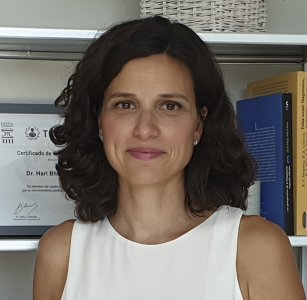
Anna Belmonte
La Dra. Anna Belmonte Ibáñez es especialista en psiquiatría de adultos en el Centro Médico Teknon (Barcelona). Es miembro de PsiquiaTEK. Cuenta con más de 10 años de experiencia en salud mental pública, atención ambulatoria y hospitalización subaguda.
Acreditaciones: Licenciatura en Medicina y Cirugía (UAB, 1999–2005). Especialista en Psiquiatría vía MIR (Parc de Salut Mar, 2007–2011). Fue jefa de Servicio de la Unidad de Hospitalización Psiquiátrica Subaguda en el CAM (2016–2019). En
Compartir contenido
Historias en video de pacientes de Bookimed
 Olena Sikoza
Preguntas frecuentes sobre el tratamiento de Demencia en España
¿Cómo obtengo un diagnóstico formal de demencia o Alzheimer en España?
Obtener un diagnóstico formal de demencia en España requiere una derivación de un médico de cabecera o una consulta directa con un neurólogo privado. El proceso implica pruebas cognitivas, análisis de sangre para descartar causas reversibles y pruebas de neuroimagen como resonancia magnética de 3 Teslas o TAC.
- Proceso de derivación: Visite un centro de salud local para una evaluación cognitiva inicial y el historial médico.
- Evaluación neurológica: Los neurólogos especialistas realizan pruebas de memoria, lenguaje y comportamiento para determinar subtipos específicos de demencia.
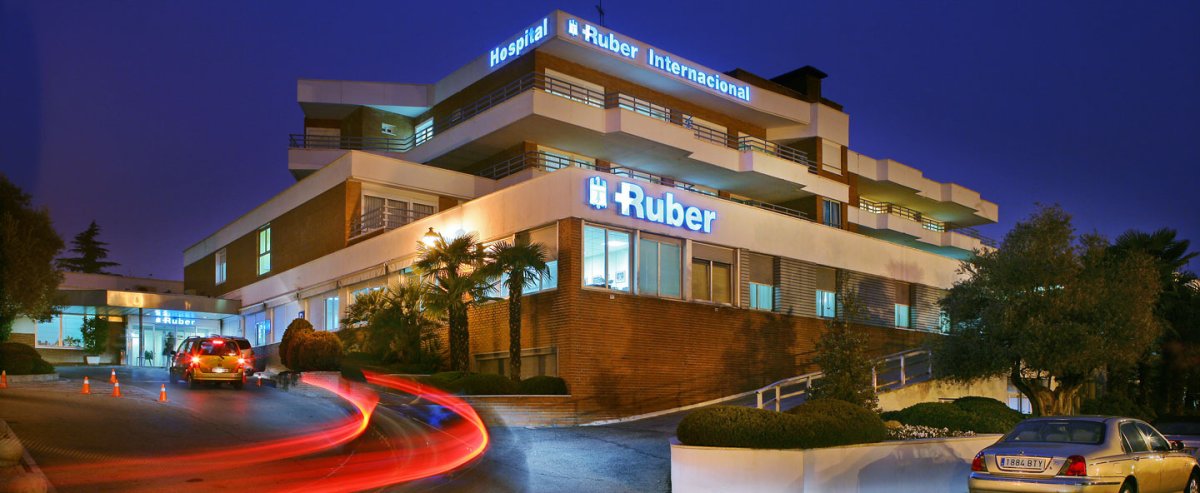
- Tecnología de imagen: Centros acreditados por la JCI como el Hospital Ruber Internacional utilizan resonancia magnética de 3 Teslas para un análisis preciso de la estructura cerebral.
- Apoyo administrativo: Un informe escrito formal es esencial para solicitar prestaciones regionales por discapacidad y dependencia.
Perspectiva del experto de Bookimed: Aunque las consultas neurológicas privadas en Madrid o Barcelona ofrecen un acceso más rápido a resonancias magnéticas de 3 Teslas de alta resolución, los pacientes deben asegurarse de que todos los informes se compartan con su médico de cabecera público. Integrar el diagnóstico privado en el Sistema Nacional de Salud español es vital para acceder a recetas subvencionadas a largo plazo y servicios sociales regionales
¿Qué tratamientos médicos y medicamentos están disponibles para la demencia en España?
El tratamiento de la demencia en España utiliza medicamentos aprobados por la EMA como Donepezilo, Rivastigmina y Galantamina para el control de los síntomas. Centros especializados como el Hospital Ruber Internacional ofrecen neuroimagen avanzada y resonancia magnética de 3 Teslas para una estadificación precisa. La reciente aprobación europea de Lecanemab ofrece una opción modificadora de la enfermedad para pacientes con Alzheimer en etapa temprana.
- Medicamentos sintomáticos: El Donepezilo y la Galantamina estabilizan la memoria. La Rivastigmina se utiliza a menudo mediante parches transdérmicos.
- Terapias avanzadas: Las infusiones intravenosas de Lecanemab se dirigen a las placas amiloides en pacientes elegibles en etapa temprana.
- Manejo psicológico: Los antipsicóticos y antidepresivos a corto plazo controlan la agitación severa o los trastornos del sueño.
- Tecnología de diagnóstico: Los hospitales utilizan resonancia magnética de 3 Teslas y tomografías por emisión de positrones (PET) para confirmar la patología amiloide.
Opinión de expertos de Bookimed: España ocupa el sexto lugar a nivel mundial en solicitudes médicas, lo que refleja una infraestructura sólida para la neurología compleja. Si bien muchos buscan medicación, centros como el Hospital Ruber Internacional combinan más de 800 especialistas con herramientas de alta gama como
¿Existe asistencia financiera gubernamental para el cuidado de la demencia a largo plazo?
La asistencia financiera gubernamental para el cuidado de la demencia a largo plazo en España está disponible a través del Sistema para la Autonomía y Atención a la Dependencia (SAAD). Esta ley proporciona financiación pública para ayuda a domicilio, centros de día y estancias residenciales. La elegibilidad depende de una evaluación médica del nivel de dependencia y la situación financiera del individuo.
- Evaluación de la dependencia: Los servicios sociales regionales evalúan las limitaciones de la vida diaria antes de conceder la ayuda.
- Elegibilidad financiera: Los importes de la financiación están directamente relacionados con los ingresos y activos del solicitante.
- Tipos de servicios: El apoyo incluye teleasistencia, ayuda a domicilio y subsidios parciales para residencias de ancianos.
- Prestación para cuidadores: Algunos pacientes califican para recibir beneficios en efectivo para pagar a familiares.
Perspectiva del experto de Bookimed: Los datos sanitarios españoles muestran un cambio hacia el apoyo domiciliario en lugar de la institucionalización inmediata. Clínicas como el Hospital Ruber Internacional en Madrid se centran en diagnósticos avanzados como la resonancia magnética de 3 Teslas para determinar la etapa exacta de la demencia. Esta evidencia clínica es vital para la evaluación de la dependencia. Obtener estos informes tempr
¿Qué terapias no farmacológicas se utilizan habitualmente en España?
Las terapias no farmacológicas en España se centran en la estimulación cognitiva, la actividad física y la integración social. Clínicas españolas como el Hospital Ruber Internacional utilizan la integración multisensorial. Estas terapias suelen incluir entrenamiento de memoria, musicoterapia e intervenciones ocupacionales personalizadas. Estos protocolos ayudan a controlar los síntomas sin depender únicamente de la medicación.
- Estimulación cognitiva: Los rompecabezas estructurados y las tareas de memoria mejoran el compromiso mental en el cuidado diario.
- Ejercicio físico: El movimiento supervisado, el trabajo de equilibrio y caminar mantienen la movilidad y mejoran el estado de ánimo.
- Psiquiatría funcional: Expertos como la Dra. Elena Palomo Lertxundi integran el mindfulness y el asesoramiento nutricional.
- Programas sociales: Los centros de día comunitarios ofrecen actividades supervisadas y un respiro esencial para las familias.
Opinión del experto de Bookimed: España ocupa el sexto lugar a nivel mundial en solicitudes médicas en nuestra plataforma, lo que refleja una alta calidad. Aunque muchos buscan diagnósticos avanzados, los mejores resultados provienen de psiquiatras integrativos. Estos especialistas en Barcelona y Madrid a menudo combinan la psicoterapia con el yoga terapéutico. Este enfoque holístico aborda el eje intestino-cer
¿Dónde puedo encontrar apoyo institucional de confianza para el cuidado de la demencia en España?
El apoyo institucional de confianza para la demencia en España es proporcionado por los servicios sociales gubernamentales, asociaciones nacionales como CEAFA y centros médicos acreditados por la JCI. Los sistemas de apoyo utilizan la Ley de Dependencia para financiar centros de día, asistencia domiciliaria y tratamientos neurológicos especializados a través de una red de 320 asociaciones familiares locales.
- Acceso a la salud pública: Los trabajadores sociales locales activan la financiación pública para centros de día y asistencia domiciliaria.
- Fundaciones especializadas: CEAFA y la Fundación Alzheimer España ofrecen asesoramiento psicológico y talleres de estimulación cognitiva.
- Diagnóstico avanzado: Centros acreditados por la JCI como el Hospital Ruber Internacional ofrecen resonancias magnéticas de 3 Teslas y neuroconsultas especializadas.
- Apoyo en inglés: Organizaciones como Age in Spain ayudan a las personas que no hablan español a navegar por el sistema sanitario regional.
Perspectiva del experto de Bookimed: Aunque España ocupa el sexto lugar a nivel mundial en solicitudes médicas en nuestro sistema, el cuidado de la demencia sigue siendo muy regional. Acceder a hospitales privados acreditados por la JCI en Madrid o Barcelona puede evitar largas esperas para diagnósticos especializados. Por ejemplo, el Hospital Ruber Internacion
¿Existen grupos de apoyo o servicios en inglés?
España ofrece servicios de apoyo en inglés principalmente a través de redes clínicas privadas y centros comunitarios internacionales. Las principales regiones de expatriados como Alicante, Mallorca y la Costa del Sol ofrecen la mayor cantidad de opciones. Centros especializados como el Hospital Ruber Internacional mantienen altos estándares de atención psiquiátrica y neurológica para pacientes internacionales.
- Disponibilidad regional: Los servicios en inglés se concentran principalmente en Madrid, Barcelona y los principales centros costeros de expatriados.
- Atención especializada privada: Las clínicas privadas suelen ofrecer especialistas bilingües, incluidos psiquiatras integrativos y expertos en geriatría.
- Certificaciones clínicas: Los mejores centros como el Hospital Ruber Internacional cuentan con acreditaciones de calidad JCI e ISO.
- Asistencia lingüística: Hay traductores profesionales disponibles para cerrar las brechas de comunicación durante consultas de diagnóstico complejas.
Opinión de expertos de Bookimed: España ocupa el sexto lugar a nivel mundial en nuestra red en cuanto a accesibilidad a la atención médica. Los datos muestran que clínicas como el Hospital Ruber Internacional gestionan más de 93.000 consultas al año. Estos centros de gran volumen suelen ofrecer una coordinación en inglés más fluida que las instalaciones pú