Parálisis facial Tratamiento en España — Costos 2026


Revisado médicamente por
Fahad Mawlood
¿Cuál es el precio del diagnóstico y los tratamientos de Parálisis facial en España? Descubra ahora
| España | Turquía | México | |
|---|---|---|---|
| Cirugía de reparación del nervio facial | de $16,900 | ≈ $4,000 | ≈ $7,500 |
Sus beneficios y garantías con Bookimed
Precios directos
Bookimed no añade cargos extra a los precios de los tratamientos de Parálisis facial. Las tarifas proceden de las listas de precios oficiales de las clínicas. Pagará directamente en la clínica por su tratamiento a su llegada al país.
Sólo clínicas y médicos verificados
Bookimed está comprometido con su seguridad. Solo trabajamos con las clínicas que mantienen altos estándares internacionales en el tratamiento de Parálisis facial y cuentan con las licencias necesarias para atender a pacientes internacionales en todo el mundo.
Asistencia 24/7 gratuita
Bookimed ofrece asistencia experta gratuita. Un coordinador médico personal le apoya antes, durante y después de su tratamiento, resolviendo cualquier problema. Nunca estará solo en su viaje médico de tratamiento de Parálisis facial.

Su coordinador médico personal de Bookimed
- Le apoya en cada etapa
- Ayuda a elegir la clínica y el médico adecuados
- Asegura un acceso rápido y conveniente a la información
Descubra las mejores clínicas de tratamiento de Parálisis facial en España: 1 opciones verificadas y Precios


Obtenga una evaluación médica para Parálisis facial en España: consulte con doctores experimentados ahora
Ver todos los médicos
Irene Sánchez Miranda
Compartir contenido
Historias en video de pacientes de Bookimed
 Olena Sikoza
Preguntas frecuentes sobre el tratamiento de Parálisis facial en España
¿Cuáles son los mejores centros médicos para el tratamiento de la parálisis facial en España?
España ofrece atención de élite para la parálisis facial en centros acreditados por la JCI como el Hospital Ruber Internacional y el Hospital Universitario La Paz. Estas instalaciones cuentan con equipos multidisciplinarios que incluyen neurología, otorrinolaringología y cirugía plástica. Los especialistas utilizan reparación nerviosa microquirúrgica, reanimación dinámica y neuro-rehabilitación avanzada para restaurar la simetría y la función facial.
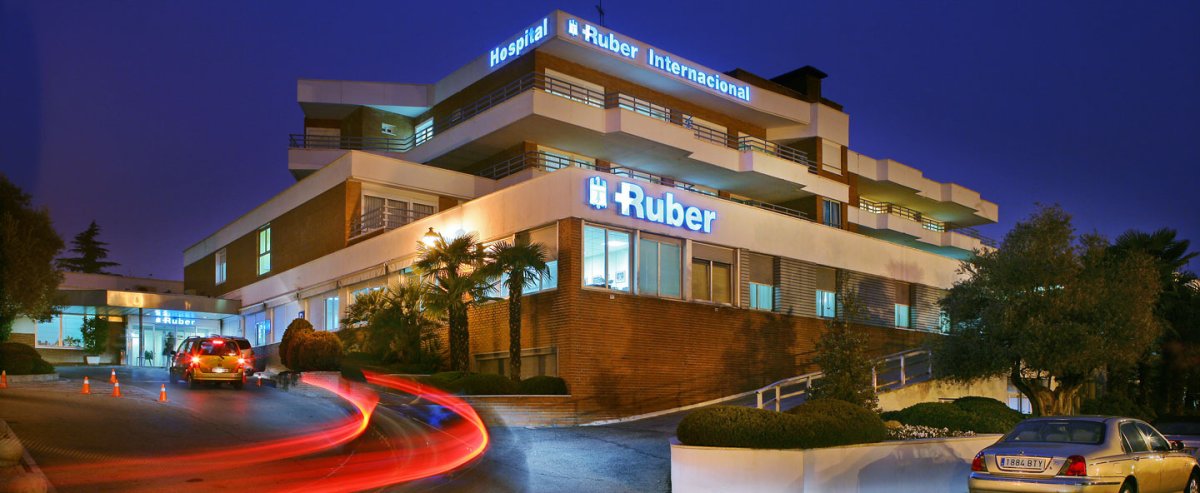
- Hospital Ruber Internacional: Este centro de Madrid, acreditado por la JCI, utiliza resonancia magnética de 3 Teslas para diagnósticos precisos de daño nervioso.
- Atención neurológica especializada: La Dra. Irene Sánchez Miranda ofrece una evaluación neurológica experta para trastornos de los nervios periféricos.
- Experiencia pediátrica: El Hospital Infantil SJD de Barcelona está especializado en casos de parálisis facial congénita y de aparición temprana.
- Opciones quirúrgicas avanzadas: Los centros líderes ofrecen injertos nerviosos y microcirugía mínimamente invasiva a través de pequeñas incisiones.
- Enfoque multidisciplinario: Las mejores unidades coordinan neurología, cirugía maxilofacial y fisioterapia dedicada al nervio facial.
Perspectiva del experto de Bookimed: El Hospital Ruber Internacional demuestra un modelo de alta capacidad al gestionar más de 25.000 pa
¿En qué consiste el tratamiento agudo inicial para la parálisis facial de inicio súbito en los hospitales españoles?
El tratamiento agudo en España prioriza los corticosteroides sistémicos tempranos y la protección corneal dentro de las 72 horas posteriores al inicio. Los protocolos de emergencia españoles utilizan prednisona para reducir la inflamación nerviosa. Los médicos también implementan un cuidado ocular riguroso. Esto previene daños corneales permanentes por el cierre incompleto de los párpados.
- Terapia con esteroides: La prednisona se administra generalmente a diario durante 5 a 10 días.
- Protocolos antivirales: Los médicos añaden Valaciclovir para casos graves o síndrome de Ramsay Hunt.
- Protección corneal: Los pacientes utilizan lágrimas artificiales sin conservantes y geles lubricantes nocturnos.
- Restricciones físicas: Los protocolos desaconsejan la estimulación eléctrica temprana para evitar movimientos musculares involuntarios.
Perspectiva del experto de Bookimed: Aunque muchos buscan centros especializados, la ventana inicial de 72 horas es universal. Los centros españoles acreditados por la JCI, como el Hospital Ruber Internacional, confían en el triaje neurológico inmediato. La Dra. Irene Sánchez Miranda y su equipo priorizan primero la exclusión de un accidente cerebrovascular. Este paso diagnóstico rápido asegura que se minimicen los daños nerviosos secundarios antes de que comience la rehabilitación especializada.
Con
¿Cómo se trata la recuperación crónica o estancada del nervio facial si la función no ha regresado?
La parálisis facial crónica se trata mediante reeducación neuromuscular, inyecciones de toxina botulínica o reanimación quirúrgica. Si la recuperación se estanca durante más de 12 meses, los cirujanos en España utilizan transferencias del nervio maseterino o injertos del músculo grácil. Estos procedimientos restauran la sonrisa espontánea y la simetría facial esencial en instalaciones acreditadas por la JCI.
- Reeducación neuromuscular: La terapia especializada suprime los movimientos musculares involuntarios y mejora la simetría facial.
- Toxina botulínica: Las inyecciones dirigidas relajan los músculos hiperactivos para reducir la sincinesia y la tensión no deseada.
- Transferencia nerviosa quirúrgica: Los nervios donantes sanos alimentan los músculos faciales existentes si se realiza dentro de los 18 meses.
- Trasplante muscular: La transferencia libre del músculo grácil restaura el movimiento cuando los músculos faciales originales se han atrofiado.
Perspectiva del experto de Bookimed: España alberga centros altamente especializados como el Hospital Ruber Internacional, que atiende a más de 25.000 pacientes al año. Si bien muchos buscan terapia básica, estas clínicas de alto volumen ofrecen tecnologías avanzadas como la resonancia magnética de 3 Teslas para un mapeo nervioso preciso. Elegir un centro con departamentos de neurología y neuroc
¿Qué técnicas quirúrgicas avanzadas están disponibles cuando el nervio facial está dañado permanentemente?
El daño permanente del nervio facial se trata mediante reanimación microquirúrgica para restaurar la expresión y la función. Los cirujanos utilizan transferencias nerviosas cuando los músculos son viables. Los casos de larga duración requieren transferencias musculares funcionales. Los centros españoles acreditados por la JCI, como el Hospital Ruber Internacional, utilizan equipos avanzados de neurología y neurocirugía para estas complejas reparaciones microquirúrgicas.
- Transferencias nerviosas: Utilizan los nervios maseterinos o hipoglosos para activar los músculos faciales.
- Injerto cruzado facial: Conecta ramas sanas del nervio facial con el lado paralizado.
- Transferencia del músculo grácil: Trasplanta un músculo de la pierna para crear un nuevo mecanismo de sonrisa.
- Procedimientos estáticos: Utilizan cabestrillos de fascia o pesas en los párpados para mejorar la simetría en reposo.
Perspectiva del experto de Bookimed: Los hospitales privados de primer nivel en España, como el Hospital Ruber Internacional, consolidan la atención realizando más de 6,000 cirugías al año con 800 médicos en plantilla. Este alto volumen en departamentos como neurología y neurocirugía garantiza que las reparaciones faciales multietapa, que a menudo requieren ajustes tanto nerviosos como musculares, sean manejadas por equipos de especialistas integrados en u
¿Cuánto tiempo deben planificar los pacientes internacionales su estancia en el país para la terapia de parálisis facial?
Los pacientes internacionales suelen permanecer en España de 7 a 14 días para el tratamiento de la parálisis facial. La reanimación quirúrgica requiere de 10 a 14 días para una recuperación segura. La terapia no quirúrgica o el mapeo neurológico suelen durar de 3 a 5 días. Las clínicas españolas acreditadas por la JCI garantizan una autorización de viaje segura después de la monitorización.
- Recuperación quirúrgica: La mayoría de los pacientes permanecen de 10 a 14 días para la retirada de suturas y la monitorización.
- Estancia hospitalaria: Los trasplantes complejos de nervios o músculos requieren de 1 a 2 noches de hospitalización.
- Fase de diagnóstico: El mapeo EMG inicial y las consultas toman de 3 a 5 días hábiles.
- Visitas de mantenimiento: El Botox para el manejo de la sincinesia generalmente requiere visitas breves cada 6 meses.
Perspectiva de expertos de Bookimed: Los centros españoles como el Hospital Ruber Internacional aprovechan la resonancia magnética de 3 Teslas de alta resolución para un mapeo nervioso preciso. Aunque las cirugías se concentran en Madrid, los pacientes a menudo pueden dividir su estancia. Puede realizar los estudios iniciales en 3 días y luego regresar más tarde para el procedimiento para evitar un viaje largo de 2 semanas.
Consenso de los pacientes: Los pacientes señalan que es vital