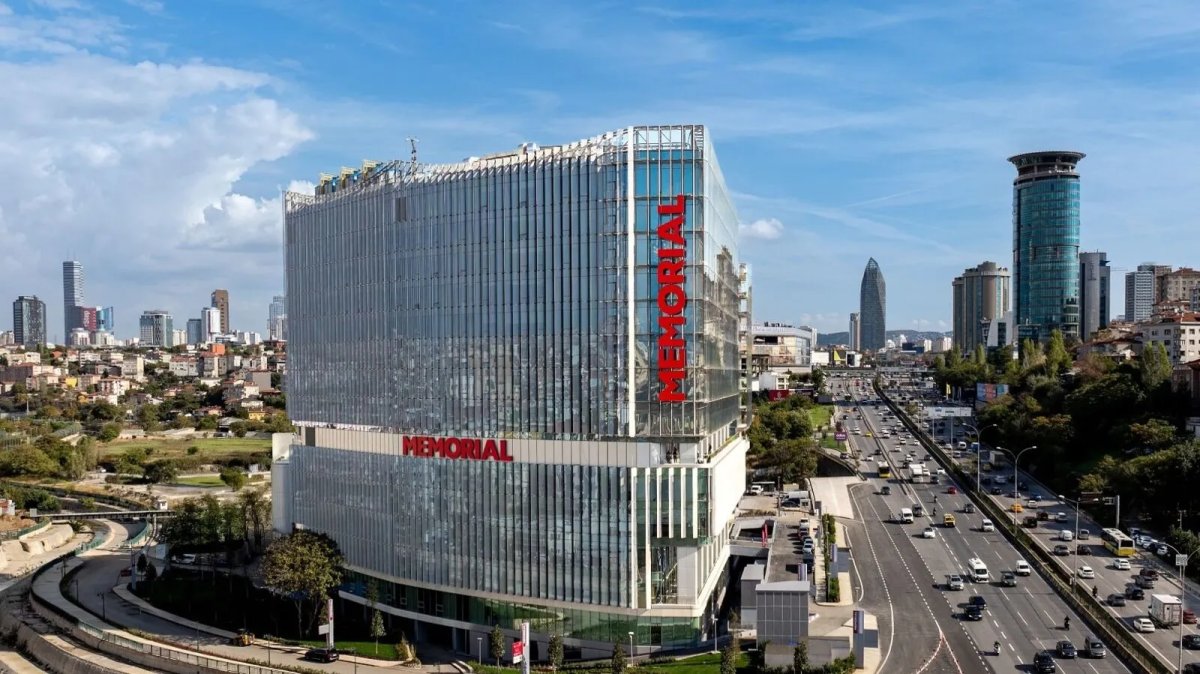
Memorial Göztepe Hospital
Turquía, Estambul


Revisado médicamente por
Fahad Mawlood
| España | Turquía | México | |
|---|---|---|---|
| Cirugía de reparación del nervio facial | de $16,700 | ≈ $4,000 | ≈ $7,500 |
Bookimed no añade cargos extra a los precios de los tratamientos de Parálisis facial. Las tarifas proceden de las listas de precios oficiales de las clínicas. Pagará directamente en la clínica por su tratamiento a su llegada al país.
Bookimed está comprometido con su seguridad. Solo trabajamos con las clínicas que mantienen altos estándares internacionales en el tratamiento de Parálisis facial y cuentan con las licencias necesarias para atender a pacientes internacionales en todo el mundo.
Bookimed ofrece asistencia experta gratuita. Un coordinador médico personal le apoya antes, durante y después de su tratamiento, resolviendo cualquier problema. Nunca estará solo en su viaje médico de tratamiento de Parálisis facial.

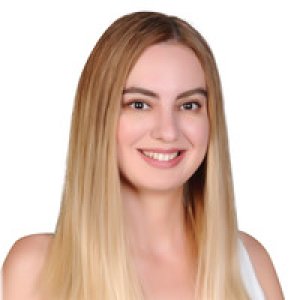
La profesora asociada Buse Cagla Ari se especializa en bloqueos nerviosos y aplicaciones de toxina botulínica en el Centro de Parkinson y Trastornos del Movimiento de la Universidad Medipol.
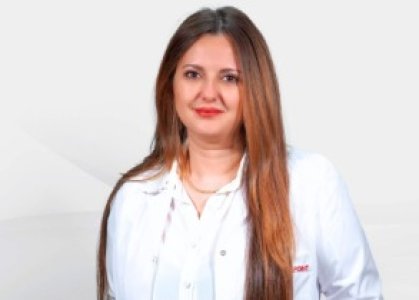
Especialista en parálisis de Bell y otros trastornos neurológicos, con formación en el Hospital de Investigación y Formación SBÜ Istanbul Kartal Dr. Lütfi Kırdar.
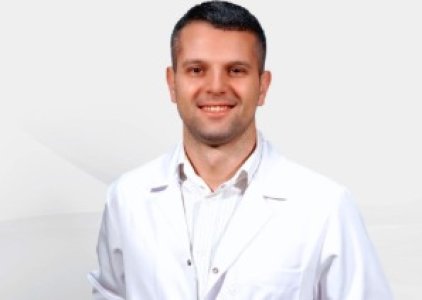
El Dr. Ulvi Samadzade se especializa en el tratamiento de la parálisis facial con experiencia en inyecciones de toxina botulínica, ofreciendo una atención precisa en el Medicalpoint International Hospital.
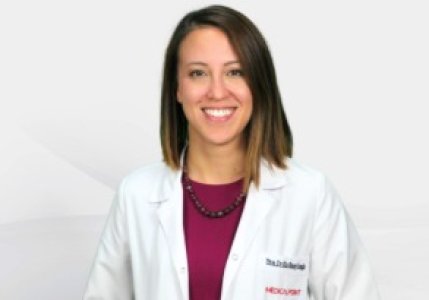
El Dr. Zengin se especializa en tratamientos neurológicos, incluida la parálisis facial, con experiencia en la aplicación de toxina botulínica, un tratamiento clave para esta afección.
 Olena Sikoza
Las clínicas turcas ofrecen tratamientos médicos, de rehabilitación y quirúrgicos para la parálisis facial. Los médicos utilizan principalmente corticosteroides y fisioterapia especializada. En centros especializados de Estambul está disponible la reanimación quirúrgica avanzada, incluidos transferencias de nervios y trasplantes de músculo. Estos procedimientos tienen como objetivo restaurar la simetría y el movimiento.
Perspectiva de expertos de Bookimed: El Hospital Memorial Göztepe abarca 81.000 m² con más de 120 clínicas ambulatorias. Las grandes instalaciones turcas a menudo integran departamentos de neurología y cirugía plástica. Esta ubicación compartida permite transiciones más rápidas de la medicación a la cirugía. Los pacientes se benefician de escáneres CT de 512 cortes y resonancias magnéticas de 3 Tesla con soporte de IA para un mapeo nervioso preciso.
Los centros de neurología y neurocirugía turcos reportan tasas de éxito específicas que alcanzan el 90% en casos pediátricos tratados con esteroides. Las intervenciones quirúrgicas como la reparación del nervio facial y las transferencias musculares logran una recuperación funcional significativa en casos de parálisis permanente. Los hospitales de alto volumen en Estambul y Esmirna se especializan en estos complejos procedimientos de reanimación.
Perspectiva del experto de Bookimed: El éxito depende de encontrar médicos con credenciales específicas en neurofisiología en lugar de solo cirujanos plásticos generales. El Dr. Ayhan Ozturk en el Liv Hospital Vadistanbul tiene una subespecialización en neurofisiología clínica. Esta experiencia es crucial porque garantiza que el nervio
Los especialistas en parálisis del nervio facial en Turquía incluyen neurólogos, otorrinolaringólogos y cirujanos reconstructivos. Neurólogos como la Dra. Fatma Gul Sahbaz a menudo gestionan el diagnóstico inicial y la parálisis de Bell. Para la restauración a largo plazo, los cirujanos plásticos y ORL realizan cirugías de reparación de nervios o reanimación facial en centros acreditados por JCI en Estambul e Esmirna.
Perspectiva del experto de Bookimed: Aunque muchos pacientes comienzan con neurología general, los hospitales multiespecializados turcos como Medicalpoint International o Memorial Göztepe ofrecen una ventaja clara. Estos centros albergan tanto a neurólogos que realizan Botox para la simetría como a cirujanos par
Turquía ofrece opciones no quirúrgicas avanzadas para la parálisis facial, que incluyen aplicaciones de Botox médico y fisioterapia intensiva. Los neurólogos y especialistas en rehabilitación utilizan estos métodos para restaurar la simetría y la función muscular. Las clínicas en Estambul e Esmirna brindan atención especializada para la parálisis de Bell y la sincinesia.
Perspectiva del experto de Bookimed: Los especialistas en neurología en toda Turquía a menudo poseen credenciales internacionales, como membresías en la Academia Europea de Neurología. La Dra. Fatma Gulhan Sahbaz en Esmirna se centra específicamente en el tratamiento de la parálisis de Bell. Esto garantiza que los pacientes reciban protocolos de tratamiento alineados con los estándares globales para los tr
La recuperación varía según la intensidad del tratamiento. Los casos menores de parálisis de Bell suelen mejorar en 2 a 3 semanas. Sin embargo, la reparación quirúrgica del nervio facial requiere de 6 a 8 meses para obtener resultados funcionales. Los centros de neurología turcos ofrecen fisioterapia especializada para acelerar la regeneración de tejidos y nervios.
Perspectiva del experto de Bookimed: Las clínicas turcas a menudo combinan la experiencia en neurología con imágenes avanzadas como la resonancia magnética de 3 Teslas en el Hospital Memorial Göztepe. Estos escaneos de alta resolución permiten a los médicos realizar un seguimiento preciso de la curación de los nervios. Nuestros datos muestran que los pacientes dan prioridad a la experiencia del especialista sobre el precio del paquete para estos procedimientos nerviosos complejos. Elegir un neurólogo con membres