Tratamiento de Osteoartritis de rodilla en España — obtenga 3 coincidencias personalizadas de clínicas


Revisado médicamente por
Fahad Mawlood
Cómo funciona
¿Cuál es el precio del diagnóstico y los tratamientos de Osteoartritis de rodilla en España? Descubra ahora
| España | Turquía | México | |
|---|---|---|---|
| Reemplazo total de rodilla | de $16,900 | de $9,300 | ≈ $14,500 |
| Microembolización transarterial (TAME) | ≈ $4,200 | ≈ $3,800 | ≈ $4,800 |
| Embolización de la arteria genicular | ≈ $3,600 | de $16,000 | ≈ $4,500 |
| Artroscopia | ≈ $3,600 | de $4,500 | ≈ $3,500 |
Descubra las mejores clínicas de tratamiento de Osteoartritis de rodilla en España: 3 opciones verificadas y Precios


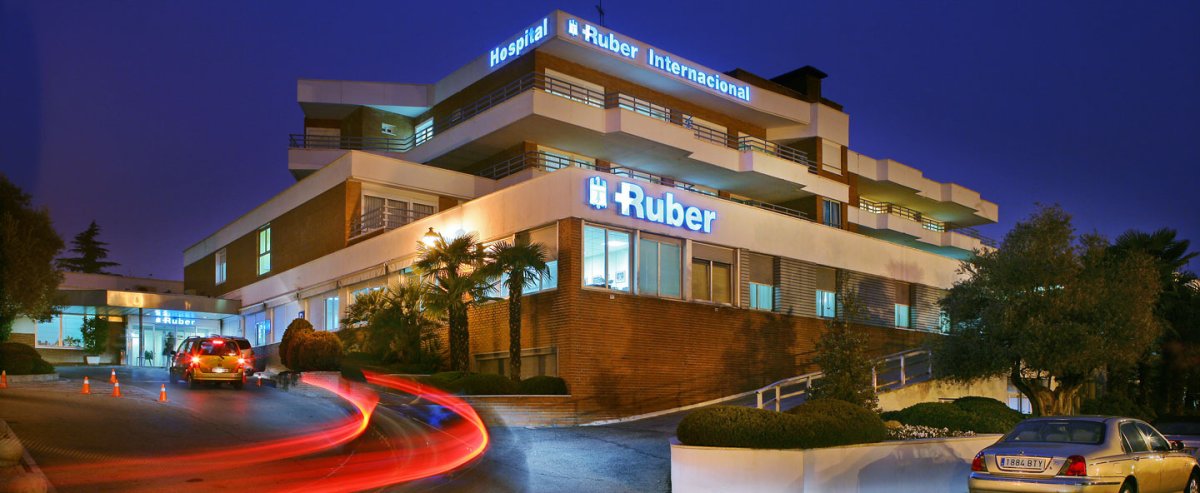


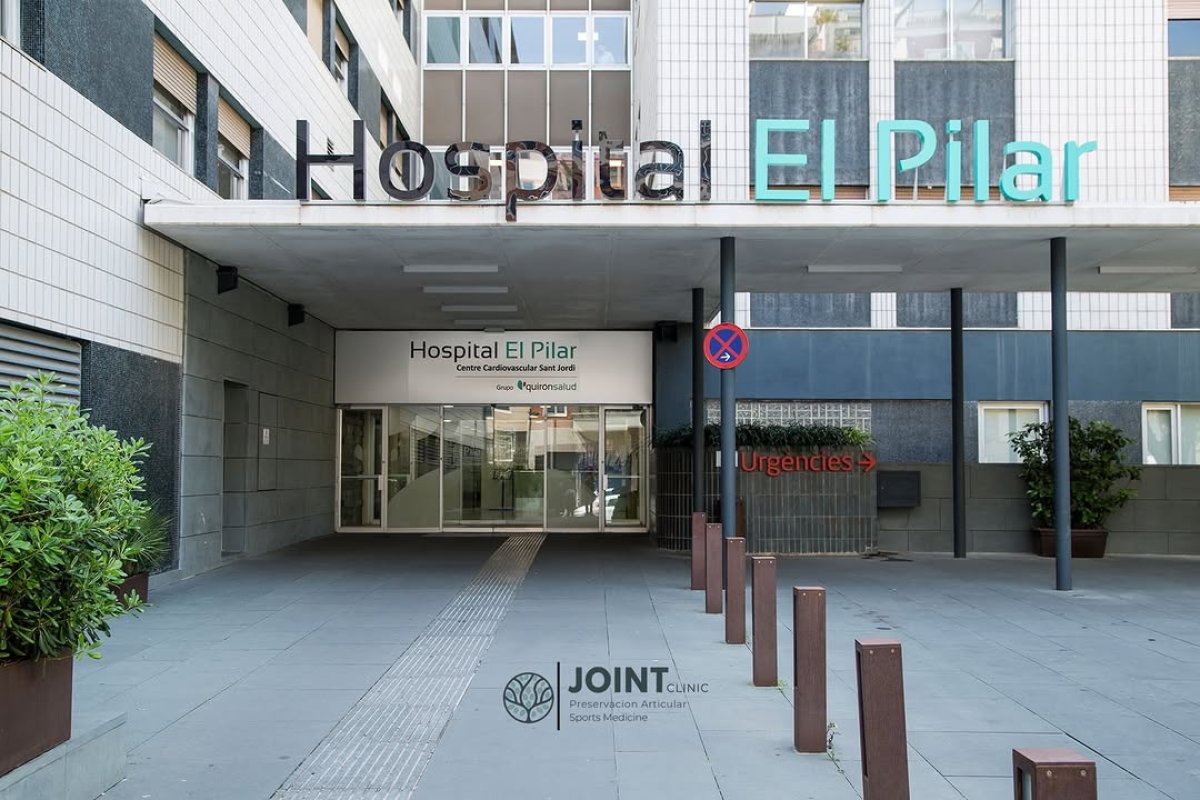
Joint Preservation Surgery Clinic
Obtenga una evaluación médica para Osteoartritis de rodilla en España: consulte con doctores experimentados ahora
Ver todos los médicos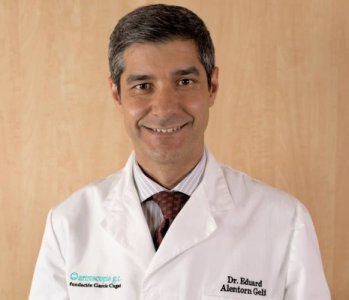
Eduard Alentorn Geli
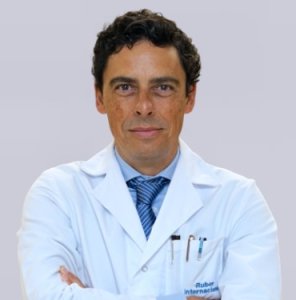
Pablo De La Cuadra
El Dr. Pablo de la Cuadra (Pablo Cuadra de la Virgili) es cirujano ortopédico y traumatólogo en Madrid. Está especializado en lesiones deportivas y cirugía de hombro en el Hospital Ruber Internacional, donde ejerce desde 1999. Cuenta con más de 25 años de experiencia. Dirige una unidad multidisciplinar y un equipo especializado en traumatología. Es un experto reconocido en trastornos complejos del hombro y utiliza técnicas artroscópicas y reconstructivas avanzadas para la inestabilidad y las
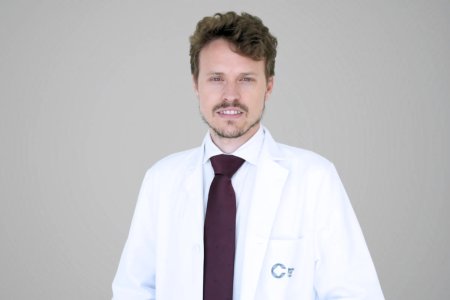
Carlos Alberto Encinas Ullán
El Dr. Carlos Alberto Encinas Ullán es ortopedista en el Hospital Memorial Publio Cordón de Madrid. Trata lesiones óseas y articulares, así como la osteoartritis de rodilla. El Dr. Encinas Ullán realiza cirugías de reemplazo de rodilla asistidas por robot mediante el sistema MAKOplasty, el cual permite una colocación de implantes más precisa que los métodos manuales.
Ejerce en el Hospital Memorial Publio Cordón, un centro con acreditación de la Joint Commission International (JCI). Esta
Compartir contenido
Historias en video de pacientes de Bookimed
 Olena Sikoza
Preguntas frecuentes sobre el tratamiento de Osteoartritis de rodilla en España
¿Cómo pueden los turistas médicos verificar la calidad y seguridad de una clínica ortopédica española?
Verifique las clínicas ortopédicas españolas comprobando la acreditación de la Joint Commission International (JCI) y el registro del cirujano en el Consejo General de Colegios Oficiales de Médicos (CGCOM). Priorice instalaciones como el Hospital Ruber Internacional que mantienen certificaciones ISO 9001. Confirme que el cirujano haya completado la vía de formación especializada Médico Interno Residente (MIR).
- Estándares de acreditación: Las instalaciones acreditadas por la JCI cumplen con rigurosos puntos de referencia globales para la seguridad quirúrgica y el control de infecciones.
- Licencia del cirujano: Verifique el registro activo en el portal del CGCOM para garantizar el estado legal de ejercicio.
- Formación especializada: Confirme la finalización del MIR en Cirugía Ortopédica y Traumatología para obtener una competencia de nivel experto.
- Volumen clínico: Los centros de alto volumen como el Hospital Ruber Internacional realizan más de 6.000 cirugías al año.
Perspectiva del experto de Bookimed: La seguridad del paciente en España a menudo se correlaciona con la escala institucional y el apoyo multidisciplinario. Los mejores centros como el Hospital Ruber Internacional integran diagnósticos avanzados como la resonancia magnética de 3 Teslas y equipos especializados. Esta infraestructura a nivel hospitalario es más segura que las clí
¿Está disponible el reemplazo de rodilla asistido por robot en España?
El reemplazo de rodilla asistido por robot está ampliamente disponible en España en centros médicos acreditados. Las instalaciones líderes utilizan los sistemas Mako, ROSA y CORI para mayor precisión. Clínicas en Madrid y Barcelona ofrecen estos procedimientos ortopédicos avanzados. Cirujanos especializados utilizan la guía robótica para mejorar la alineación del implante.
- Tecnologías disponibles: Los cirujanos utilizan las plataformas Mako SmartRobotics, ROSA y CORI para mayor exactitud.
- Ubicaciones principales: La cirugía asistida por robot se concentra en Madrid, Barcelona y Marbella.
- Estándares de acreditación: Centros de primer nivel como el Hospital Ruber Internacional mantienen la acreditación de la Joint Commission International.
- Experiencia especializada: Cirujanos como el Dr. Pablo De La Cuadra se especializan en reconstrucción articular compleja.
Perspectiva del experto de Bookimed: Aunque España cuenta con más de 80 centros médicos, la cirugía robótica suele ser una característica premium. Los datos del Hospital Ruber Internacional muestran que realizan más de 6,000 cirugías al año. Este alto volumen sugiere que los sistemas robóticos son parte de una infraestructura quirúrgica masiva. Los pacientes deben buscar centros con certificaciones JCI e ISO para garantizar la seguridad.
Consenso de los pacientes:
¿Qué incluye un paquete estándar de cirugía ortopédica en España?
Los paquetes estándar de cirugía ortopédica en España suelen incluir diagnósticos preoperatorios, honorarios del cirujano y anestesista, e implantes acreditados de alta calidad. La mayoría de los planes incluyen de 2 a 5 noches en una habitación de hospital privada. Estos paquetes todo incluido suelen cubrir los costes del quirófano y la fisioterapia postoperatoria básica para garantizar una movilidad temprana.
- Pruebas diagnósticas: Incluyen análisis de sangre, electrocardiogramas y pruebas de imagen como resonancia magnética de 3 Teslas o radiografías.
- Equipo médico: Cubre los honorarios de los cirujanos principales, asistentes quirúrgicos y personal de anestesiología dedicado.
- Estancia hospitalaria: Proporciona alojamiento en habitación privada con comidas y control de constantes vitales para la recuperación.
- Cuidados postquirúrgicos: Incluyen los cuidados de enfermería iniciales, medicación hospitalaria y las primeras visitas de seguimiento clínico.
Perspectiva del experto de Bookimed: Los hospitales privados españoles, como el Hospital Ruber Internacional, aprovechan su gran volumen de pacientes, realizando más de 6.000 cirugías al año, para optimizar la atención. Un factor diferenciador sutil es que los centros de primer nivel suelen incluir una gestión de calidad certificada por la ISO en sus procesos quirúrgicos. Compruebe si su
¿Qué tratamientos no quirúrgicos y biológicos para la artrosis de rodilla están disponibles en España?
España ofrece tratamientos regenerativos y mínimamente invasivos avanzados para la artrosis de rodilla. Centros especializados ofrecen plasma rico en plaquetas (PRP), concentrado de aspirado de médula ósea (BMAC) y células madre cultivadas. Estas terapias biológicas están estrictamente reguladas por la Agencia Española de Medicamentos y Productos Sanitarios (AEMPS) para garantizar la seguridad.
- Terapias biológicas: Las clínicas privadas ofrecen PRP y células madre para reducir la inflamación articular.
- Células cultivadas: Institutos especializados de Barcelona expanden legalmente células madre mesenquimales para obtener un recuento celular máximo.
- Viscosuplementación: Las inyecciones de ácido hialurónico proporcionan amortiguación mecánica y mejoran la movilidad en entornos ambulatorios.
- Rehabilitación especializada: Centros en Marbella utilizan métodos biomecánicos patentados para activar la regeneración articular natural.
Opinión del experto de Bookimed: España ocupa el cuarto lugar a nivel mundial en demanda de pacientes en nuestra plataforma por una razón. Si bien muchas clínicas ofrecen PRP básico, instituciones como el Hospital Ruber Internacional utilizan estándares acreditados por la JCI para casos ortopédicos complejos. Los pacientes deben buscar médicos como el Dr. Pablo De La Cuadra, quien cuenta con más de 25 años de experie
¿Qué tipo de prótesis de rodilla utilizan los cirujanos españoles?
Los cirujanos españoles utilizan prótesis de rodilla avanzadas de marcas globales como Zimmer Biomet y Stryker. También utilizan implantes nacionales de alta calidad de Surgival. Las clínicas suelen integrar sistemas robóticos como Mako o ROSA. Estas tecnologías aseguran una colocación precisa de implantes biocompatibles totales o parciales.
- Tipos de prótesis: Los cirujanos ofrecen implantes totales, parciales y personalizados impresos en 3D para la anatomía específica del paciente.
- Métodos de fijación: Los pacientes mayores reciben implantes cementados. Los pacientes más jóvenes y activos se benefician de una fijación biológica sin cemento.
- Fabricación nacional: La empresa española Surgival proporciona el sistema Genutech para casos primarios y de revisión.
- Asistencia robótica: Muchos centros privados utilizan sistemas robóticos para una precisión milimétrica en la alineación del implante.
Perspectiva del experto de Bookimed: La atención ortopédica española destaca porque los principales centros privados como el Hospital Ruber Internacional cuentan con acreditación JCI. Tratan a más de 25.000 pacientes al año. Este alto volumen permite a los cirujanos mantener niveles de habilidad excepcionales. Muchos especialistas como el Dr. Pablo De La Cuadra se centran en la reconstrucción articular en estas instituciones.
Consenso
¿Cuánto tiempo debo planear quedarme en España para un reemplazo de rodilla?
Planifique una estancia de 14 a 21 días en España para un reemplazo de rodilla. Este período cubre los escaneos preoperatorios, la cirugía y la fisioterapia temprana crítica. Las instalaciones acreditadas por la JCI, como el Hospital Ruber Internacional, requieren este plazo para monitorear la cicatrización de la herida y garantizar una autorización de viaje segura.
- Estancia hospitalaria: Espere de 2 a 5 días para el manejo del dolor y controles de movilidad.
- Fase preoperatoria: Llegue 2 días antes para análisis de sangre, escaneos y consultas de anestesia.
- Recuperación ambulatoria: Quédese de 7 a 14 días localmente para la retirada de puntos y fisioterapia.
- Seguridad en el vuelo: Espere 6 semanas para vuelos cortos y 12 semanas para viajes de larga distancia.
Perspectiva de expertos de Bookimed: España ocupa el cuarto lugar a nivel mundial en solicitudes médicas en nuestra red. Los centros de alto volumen como el Hospital Ruber Internacional atienden a 25.000 pacientes al año. Aunque algunos pacientes se van después de 10 días, los centros de recuperación locales como el del Dr. Blum en Marbella ofrecen una rehabilitación estructurada que puede mejorar significativamente la función articular a largo plazo antes de volar a casa.
Consenso de los pacientes: Los pacientes a menudo subestiman la fatiga inicial y reco
¿Cómo se gestiona el seguimiento médico después de regresar a mi país de origen?
El seguimiento de la artrosis de rodilla se gestiona mediante una transición coordinada entre su hospital español y los proveedores locales. Debe obtener un historial médico completo antes de partir. Las clínicas españolas acreditadas por la JCI suelen proporcionar resúmenes de alta detallados y protocolos de rehabilitación para garantizar una transición segura a su médico de cabecera.
- Documentación médica: Obtenga los informes quirúrgicos, los detalles del implante y los datos de laboratorio antes de salir de España.
- Coordinación local: Programe una visita de referencia con su médico de cabecera dentro de las 72 horas posteriores a su regreso.
- Continuidad de la rehabilitación: Establezca fisioterapia local para continuar con los protocolos de recuperación iniciados en España.
- Consultas virtuales: Muchos cirujanos españoles utilizan plataformas de telemedicina seguras para evaluaciones de seguimiento a largo plazo.
Opinión del experto de Bookimed: La red ortopédica de España está altamente especializada. El Dr. Pablo de la Cuadra en el Hospital Ruber Internacional lidera un equipo multidisciplinario. Esta estructura garantiza que su plan de alta no sea solo un resumen quirúrgico. A menudo incluye orientación biomecánica patentada o pasos específicos de recuperación artroscópica. Elegir una clínica con más de 800 médicos aumenta la proba