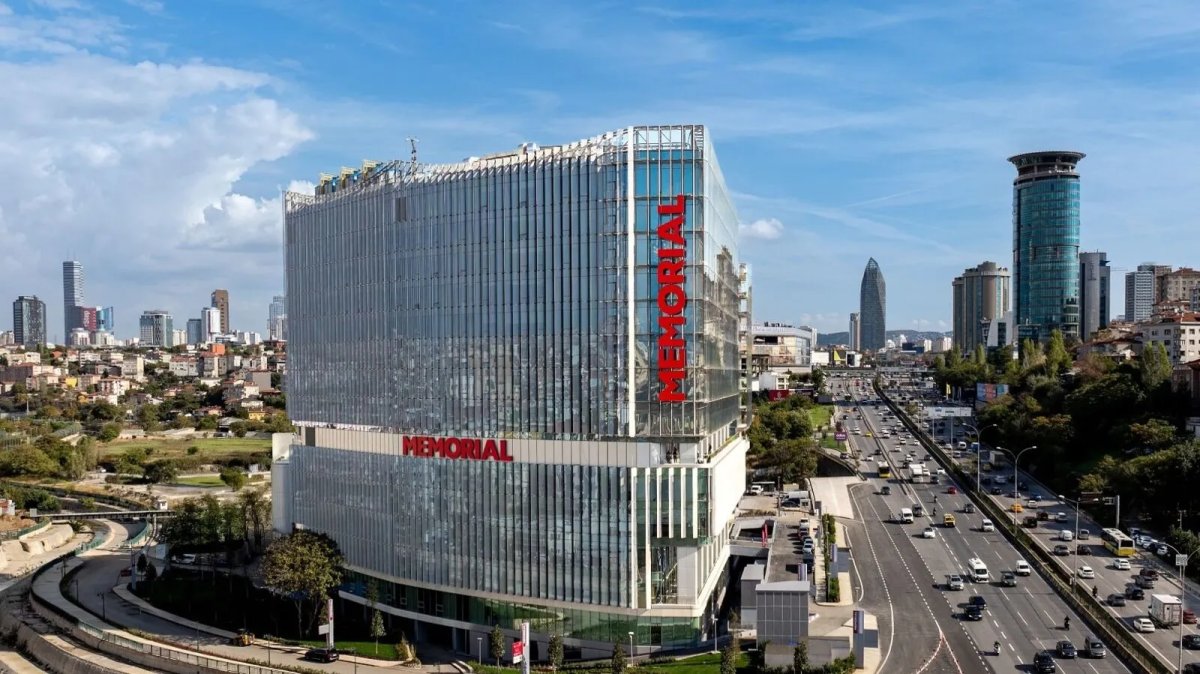
Memorial Göztepe Hospital
Turquía, Estambul


Revisado médicamente por
Fahad Mawlood
| España | Turquía | México | |
|---|---|---|---|
| Reemplazo total de rodilla | de $16,900 | de $9,300 | ≈ $14,500 |
| Microembolización transarterial (TAME) | ≈ $4,200 | ≈ $3,800 | ≈ $4,800 |
| Embolización de la arteria genicular | ≈ $3,600 | de $16,000 | ≈ $4,500 |
| Artroscopia | ≈ $3,600 | de $4,500 | ≈ $3,500 |



El doctor completó su educación médica en la Universidad Técnica de Karadeniz y se especializó en la Universidad de Ciencias de la Salud, Hospital de Formación e Investigación Dr. Lütfi Kırdar Kartal. Con un enfoque en cirugía de columna, cirugía de trauma y artroplastia, el doctor tiene un interés particular en la cirugía de pelvis-acetábulo. El doctor ha realizado numerosas operaciones exitosas en ortopedia y traumatología. En 2014, el doctor fue finalista en los Premios de Tecnología XI de

El Dr. Mehmet Taner Ozdemir es un ortopedista con 7 años de experiencia. Se especializa en oncología, traumatología ortopédica, cirugía artroscópica y tumores óseos y de tejidos blandos. Completó su formación médica y de especialidad en la Facultad de Medicina GATA en Ankara y recibió capacitación avanzada en el Hospital for Special Surgery de Nueva York, EE. UU.
El Dr. Ozdemir es miembro de la Asociación Turca de Ortopedia y Traumatología y de la Sociedad Europea de Tumores Musculoes

El Dr. Halil Can Gemalmaz es profesor de ortopedia y traumatología en Estambul. Es pionero en Turquía en procedimientos ortopédicos 3D específicos para cada paciente. El Dr. Gemalmaz se especializa en reemplazos articulares asistidos por robot para rodilla y cadera. Actualmente es miembro de la facultad de Medicina de la Universidad Atlas.
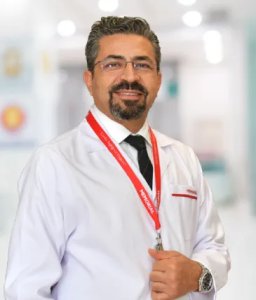
El Dr. Mehmet Aydogan es especialista en Ortopedia, Traumatología y Cirugía de Columna en el Hospital Memorial Şişli. Trabajó en Cirugía de Columna allí entre 2024 y 2025 y desde 2026 se desempeña en Ortopedia. Anteriormente dirigió el Centro de Cirugía Ortopédica, Traumatología y Cirugía Avanzada de Columna en el Hospital Emsey (2018–2022). Su experiencia incluye el EUROSPINE Surgical Spine Center of Excellence en Suiza (2022–2024) y una beca de investigación en el UCLA Comprehensive Spine C
 Olena Sikoza
El tratamiento no quirúrgico de la artrosis de rodilla en Turquía incluye terapias regenerativas, como inyecciones de PRP y células madre, junto con el manejo conservador del dolor. Los especialistas turcos utilizan inyecciones intraarticulares y fisioterapia basada en evidencia para retrasar la cirugía. Centros médicos como el Hospital Gayrettepe Florence Nightingale ofrecen estas opciones para mejorar la movilidad articular y reducir la inflamación.
Opinión del experto de Bookimed: Los ortopedistas turcos a menudo se especializan tanto en cirugía robótica como en tratamiento conservador. El Prof. Dr.
Las tecnologías quirúrgicas avanzadas, incluido el reemplazo de rodilla asistido por robot, están ampliamente disponibles en Turquía. Los centros ortopédicos líderes utilizan sistemas como Stryker Mako y guías 3D específicas para el paciente. Estas tecnologías mejoran la precisión quirúrgica en el reemplazo articular. Instalaciones altamente especializadas en Estambul y Bursa ofrecen estos servicios a través de cirujanos certificados.
Opinión experta de Bookimed: Si bien la tecnología robótica es un gran atractivo, nuestros datos muestran que los pacientes priorizan a los cirujanos con formación internacional. Por ejemplo, el Dr. Ibrahim Azboy y el Dr. Mehmet Taner Ozdemir se formaron en el Hospital for Special Surgery de Nueva York. Esta exposición internacional de alto nivel suele correlacionarse con mejores resultados en reco
Los pacientes deben planificar una estancia de 10 a 14 días en Turquía para una cirugía de osteoartritis de rodilla. Este periodo cubre las pruebas preoperatorias, una estancia hospitalaria de 2 a 3 noches y el tiempo esencial de recuperación. Quedarse dos semanas garantiza la movilidad para un viaje aéreo seguro y una cicatrización adecuada.
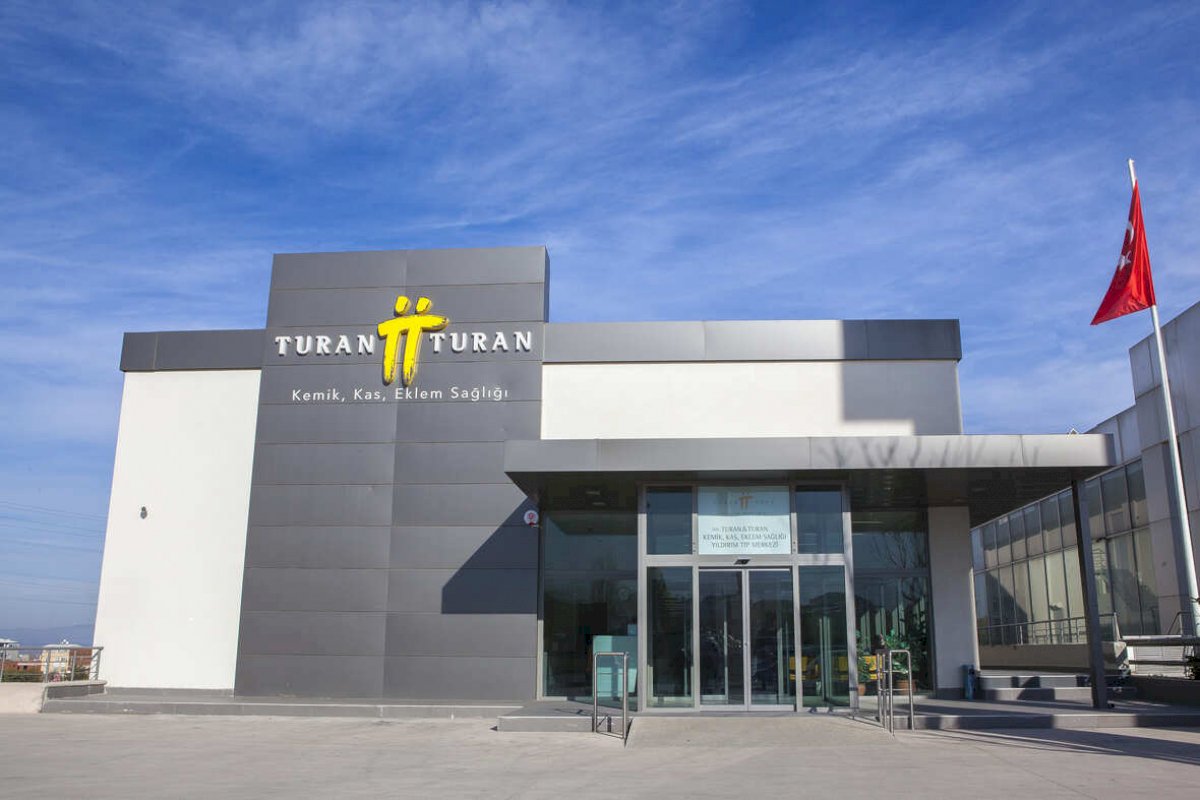
Perspectiva del experto de Bookimed: Si bien la artroscopia básica requiere 7 días, los procedimientos robóticos avanzados o las reparaciones de LCA en centros como Turan Turan Health Group a menudo requieren de 11 a 12 días de recuperación en hotel. Este tiempo extra permite un monitoreo preciso de la marcha y cuidados postoperatorios especializados, lo que ayuda a la función articular a largo plazo.
Consenso de los pacientes: Los pacientes enfatizan la importancia de solicitar asistencia
Para una evaluación de osteoartritis de rodilla en Turquía, proporcione radiografías de pie con carga de peso y archivos digitales de resonancia magnética en una unidad USB. Incluya registros detallados de tratamientos conservadores pasados como fisioterapia o inyecciones. Los especialistas turcos los requieren para determinar si usted necesita una artroscopia o una cirugía asistida por robot.
Perspectiva del experto de Bookimed: Si bien muchos pacientes traen resonancias magnéticas estándar, los centros ortopédicos turcos como Turan Turan Health Group priorizan las radiografías con carga de peso para la planificación quirúrgica. Los informes de más de 6 meses a menudo no detectan una progresión rápida de la enfermedad. Obtener imágenes recientes asegura que los cirujanos puedan utilizar con precisión sistemas robóticos avanza